
Domestic violence is a serious issue that affects numerous individuals in California and across the nation. The legal process for a domestic violence charge in California can be complex, with the potential for either misdemeanor or felony charges depending on the specific circumstances of the alleged abuse.
The laws in California specifically target abuse towards intimate partners, including spouses, registered domestic partners, co-parents, dating or intimate partners, or romantic partners with whom the defendant shares a child.
Prosecutors take various factors into account when deciding on the severity of charges, such as the presence of significant injuries, the use of weapons or dangerous objects, and prior domestic violence history. It is vital to understand the consequences and penalties of a conviction, as well as the rights and resources available to both victims and suspects, as these charges can have a significant impact on various aspects of life.
Content Highlights
- Domestic violence charges in California specifically target abuse towards intimate partners and can result in either misdemeanor or felony charges.
- The legal process for a domestic violence charge in California considers factors such as the presence of significant injuries, the use of weapons, and prior domestic violence history.
- Understanding the consequences and penalties of a conviction, as well as the rights and resources available to both victims and suspects, is crucial due to the significant impact on various aspects of life.
Domestic Violence Charge in California
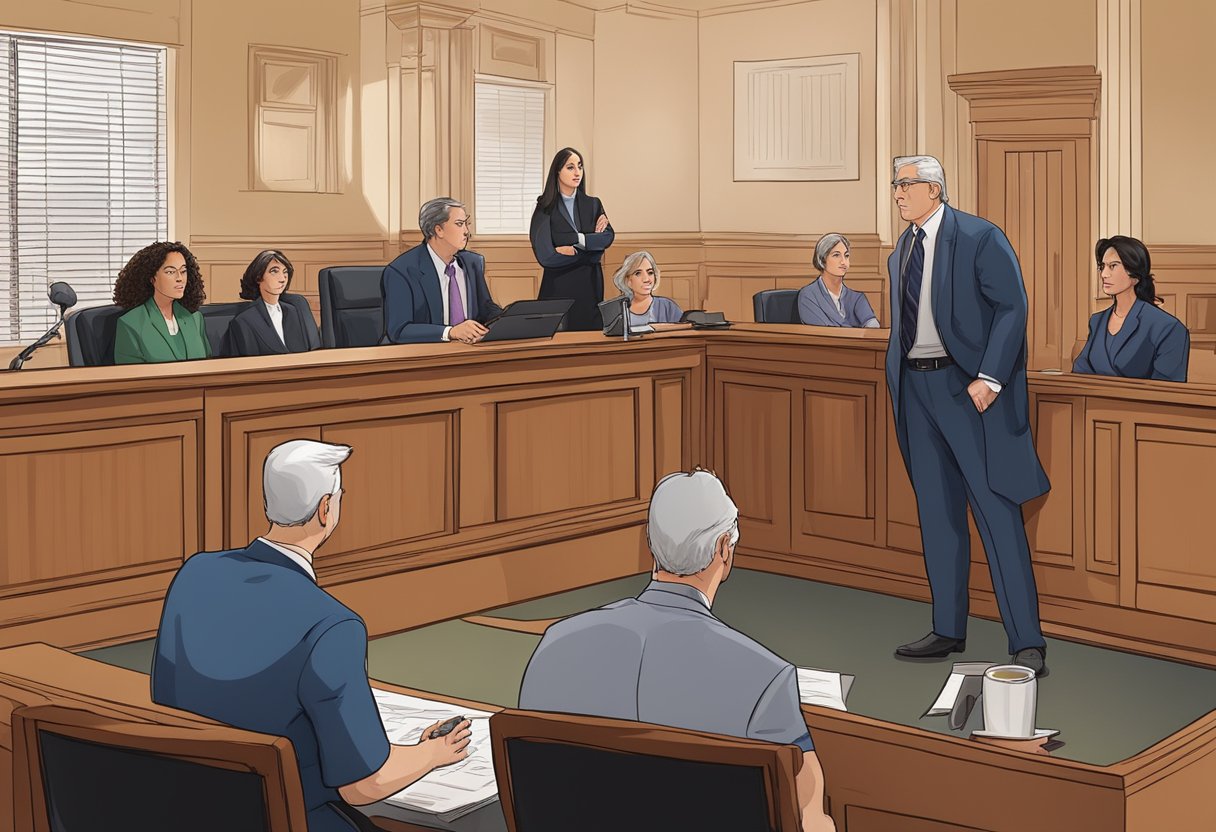
In this section, we will discuss the definition and types of domestic violence, along with relevant penal codes such as PC 273.5 and PC 243(e)(1).
Definition and Types of Domestic Violence
Domestic violence is a crime in California that involves abuse committed against an intimate partner. This includes a current or former spouse, registered domestic partner, cohabitant, fiancé(e), live-in romantic partner, a person with whom the defendant has a child, or someone with whom the defendant is in a dating relationship or has been in a previous romantic relationship.
There are various types of domestic violence crimes, such as:
- Physical abuse: hitting, slapping, pushing, or other forms of physical assault.
- Sexual abuse: forcing an intimate partner into sexual activities without consent.
- Threats and intimidation: using words or actions to make the victim fear for their safety.
- Emotional or psychological abuse: belittling, insulting, or manipulating an intimate partner to gain control over them.
- Stalking: repeatedly following or harassing an intimate partner, often causing emotional distress.
Penal Codes: PC 273.5, PC 243(e)(1) and Others
Below are several common penal codes related to domestic violence in California:
- PC 13700: Defines the terms “abuse” and “domestic violence” under California law.
- PC 273.5: Known as “inflicting corporal injury on an intimate partner,” this can be charged as either a felony or a misdemeanor, depending on the circumstances. If the victim sustains a significant injury, the charges are more likely to be severe.
- PC 243(e)(1): Referred to as “domestic battery,” this is typically a misdemeanor charge, which involves the use of force or violence upon an intimate partner without necessarily causing visible injury.
Penalties for domestic violence crimes in California can include jail time, fines, restraining orders, mandatory counseling programs, and other consequences.
By being aware of the definitions, types, and penal codes related to domestic violence in California, you will be better equipped to understand the charges and possible outcomes in such cases. Remember, always seek legal advice from a professional if you find yourself facing domestic violence charges.
The Legal Process and Prosecution

When responding to a domestic violence incident in California, the police have certain responsibilities. First, they must assess the situation and ensure everyone’s safety. If they find reasonable evidence that domestic violence has occurred, they can arrest the alleged offender without a warrant.
The police will then create a police report that separates the victim(s) from the alleged abuser during their investigation. If needed, they will also assist the victim in accessing medical care and emergency shelter.
Prosecutor’s Considerations
After the police have conducted their investigation and made an arrest, it is the prosecutor’s turn to review the case. They must determine whether there is enough evidence to file charges. Factors they consider include the severity of the abuse, injuries sustained, and any previous history of domestic violence.
Additionally, they may consult with the victim to consider their wishes regarding criminal charges. Remember, even if the victim wants to drop the charges, the ultimate decision lies with the prosecutor.
From Arrest to Sentencing
- Arrest and Bail: The alleged offender is arrested and may be released on bail until their scheduled court appearance. It is crucial to note that the court may impose a protective order during this time.
- Arraignment: During the arraignment, the defendant is informed of the charges against them. They will have the opportunity to enter a plea, such as guilty, not guilty, or no contest.
- Pre-trial Proceedings: During this phase, both the prosecution and defense work to gather evidence and prepare for trial. If you face domestic violence charges, it is essential to engage the services of an experienced criminal defense attorney to protect your rights.
- Trial: In this stage, the case is presented with all its evidence and arguments to either a judge or a jury, who will then determine the defendant’s guilt or innocence.
- Sentencing: If the defendant is convicted, the judge will determine the appropriate penalties. California domestic violence penalties may include jail time, fines, restraining orders, loss of child custody, mandatory domestic violence classes, and the loss of gun rights.
Throughout this process, a competent criminal defense lawyer can assist by challenging evidence, negotiating with the prosecution, and advocating for reduced charges or sentencing. It is essential to safeguard your rights and navigate the complex criminal court system with confidence and knowledge to achieve the best possible outcome.
Consequences and Penalties of a Conviction
If you are convicted of domestic violence in California, you may face several short-term and long-term penalties. These can include fines, probation, restraining orders, and possible jail or prison time. Misdemeanor convictions typically result in lighter penalties, while felony convictions have more severe consequences.
In the short term, you may be required to pay fines that can amount to thousands of dollars, plus penalty assessments. Additionally, you could be sentenced to probation, which can last for multiple years. Depending on the severity of the offense and your prior criminal history, jail time may also be a possibility.
Long-term consequences can include a permanent criminal record that can follow you throughout your life, affecting your employment opportunities and social relationships. Furthermore, immigration consequences could arise if you are a non-citizen, potentially putting your visa or residency status at risk.
Impact on Child Custody and Divorce
A domestic violence conviction can have significant effects on child custody and divorce proceedings in California. The court may consider your conviction when deciding on custody or visitation rights, possibly limiting your access to your children. Additionally, a restraining order may be issued, prohibiting contact with the victim and potentially affecting your custody rights.
During divorce proceedings, a domestic violence conviction may influence the court’s decision on property division and spousal support. As a result, your financial stability and living arrangements may be adversely impacted.
Specific Consequences for Different Offenses
Depending on the type of domestic violence charge, the consequences may vary. For instance, Penal Code 243(e)(1), known as “domestic battery,” is classified as a misdemeanor and may result in milder penalties. On the other hand, Penal Code 273.5, “inflicting corporal injury on an intimate partner,” can be charged as either a misdemeanor or a felony and may lead to more severe penalties, including a longer period of incarceration and higher fines.
Remember that each case is different, and the specific consequences you face will depend on the circumstances surrounding your charge. It is essential to consult with a knowledgeable attorney to fully understand the potential consequences in your specific situation.
Victim and Suspect Rights and Resources
Navigating domestic violence charges in California can be a challenging situation. This section will provide you with an outline of your rights as a victim or suspect and the resources available to you.
Protective and Restraining Orders
If you are a victim of domestic violence, you may seek legal protection in the form of a restraining order. In California, there are two types of restraining orders that could be issued:
- Emergency Protective Order (EPO): Issued by a judge and lasts for 5-7 days. It provides immediate protection to a victim.
- Domestic Violence Restraining Order: Can last up to five years and may include additional provisions such as custody orders or mandatory counseling.
To apply for a restraining order, you can visit your local courthouse or consult with an attorney.
Legal Protection and Defense Strategies
In California, if you are charged with a domestic violence crime involving an intimate partner, fiancé, or spouse, you have the right to legal representation. You can hire a private attorney or request a public defender if you cannot afford one.
Several legal defenses can be used, including:
- Self-defense
- False accusations
- Insufficient evidence
- Consent
An experienced attorney can help you determine which strategy is most appropriate for your case.
Support Services for Victims
There are several support services available to victims of domestic violence in California, including:
- Crisis Hotlines: For immediate support, you can call the National Domestic Violence Hotline at 1-800-799-SAFE (7233).
- Shelters and Transitional Housing: Many organizations provide temporary housing to individuals fleeing an abusive situation.
- Counseling: Therapists and support groups can help survivors process their experiences and build resilience.
- Legal Assistance: Free or low-cost legal representation is available for victims through various non-profit organizations.
Remember, it is essential to prioritize your safety and well-being. Seek help from friends, family, or a professional to help navigate a domestic violence situation.
Impact of Domestic Violence Charges on Various Aspects of Life
Domestic violence charges can significantly affect various aspects of the accused’s life. In California, domestic violence covers a broad range of actions committed against a spouse, cohabitant, dating partner, or anyone in a close relationship, including hitting, shoving, and threats, among other actions. This section will discuss the impact of these charges on employment, housing, family, and firearms possession.
Effect on Employment and Housing
When you face a domestic violence charge, it might impact your employment and housing. Potential employers sometimes conduct background checks, and a domestic violence conviction can harm your chances of obtaining a job. Likewise, it may also affect your housing opportunities, as landlords may refuse to rent to individuals with a history of such charges.
Family and Social Relationships
A domestic violence charge can significantly strain your family and social relationships. You may lose child custody rights, limiting your time spent with your children. In addition, your current spouse or partner may choose to distance themselves, and your relationships with friends and family might deteriorate as they may feel uncomfortable associating with someone facing such charges.
Firearms Possession and Other Legal Rights
In California, a domestic violence conviction can have consequences on your legal rights, particularly in relation to firearms. Firearms possession is generally prohibited for individuals with a domestic violence conviction. You may also face restrictions in family law matters, as courts weigh past charges when making decisions in custody and visitation cases.
To summarize, domestic violence charges in California can have long-lasting and severe impacts on various aspects of your life, including employment, housing, family, and legal rights. It’s crucial to be aware of these consequences and seek professional legal advice if you ever find yourself in such a situation.
Conclusion
Be it a misdemeanor or felony offense, domestic violence is a grave crime wherein the victims suffer significantly from injuries and mental health problems. The offenders are put on different levels of punishment depending on their history and the severity of the abuse. The laws were designed solely to protect victims and give them proper justice.