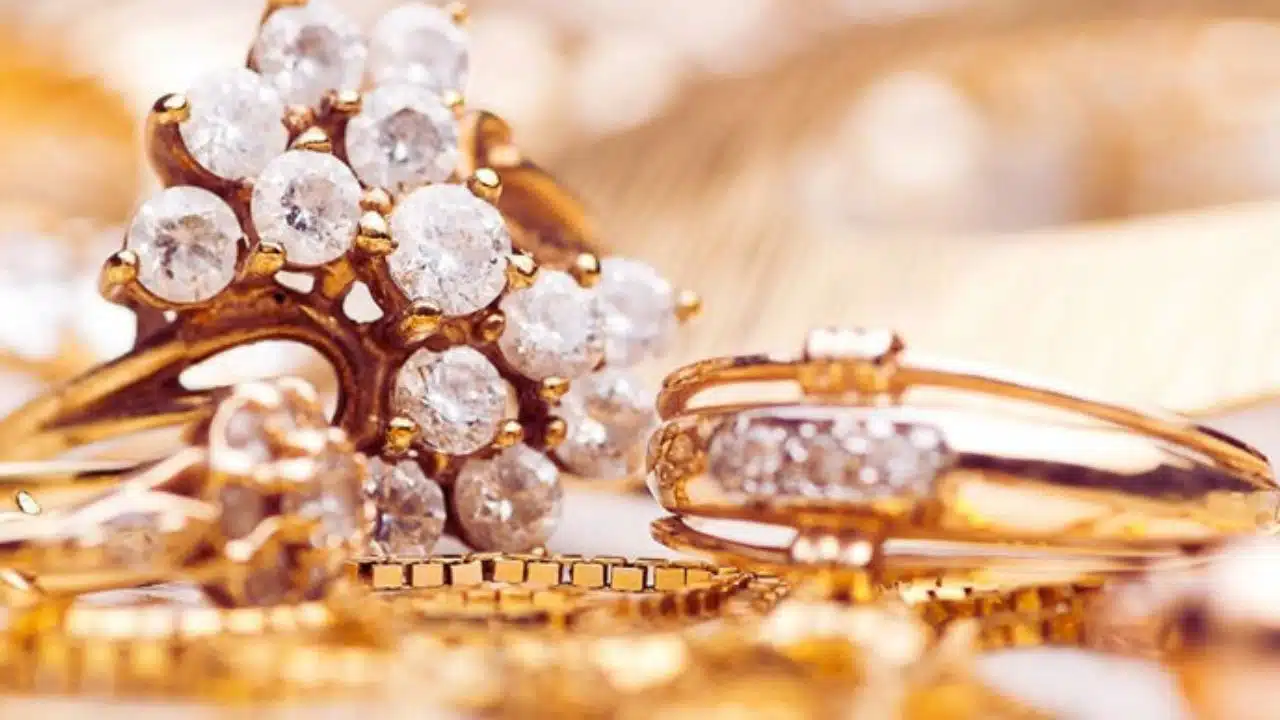
Like natural stones, diamond jewels created in laboratories are strong and resistant helpful for chipping and scratching. They are a great option for anyone seeking jewelry that can endure the rigors of daily life because they are appropriate for regular wear and tear. Lab-grown diamonds provide lifespan and durability whether worn as special occasions or daily accessories.
None allergenic
Some people may get allergic to metals like copper or nickel that are often used in jewelry making. A hypoallergenic substitute, lab grown diamonds lower the risk of allergic reactions or skin worries. They are therefore an appropriate option for people who have metal allergies or sensitive skin, enabling them to enjoy wearing jewelry painlessly.
Considering Ethics
Selecting jewelry created in a lab is consistent with moral principles like responsibility and sustainability. Supporting moral business practices in the jewelry industry allows customers to help make a more clear and sustainable supply. Making choices clearly enables people to make decisions that are consistent with their values and viewpoints.
Relevance to Education
Buying jewelry created in a lab can also be instructive. Knowledge of the science underlying their production and the effects of conventional mining methods on the environment increases public awareness and promotes well-informed consumer choices. The skill and creativity required in creating lab-grown jewels are appreciated more because of their educational value.
A smaller carbon footprint
Comparing lab-grown diamonds to mined stones, the former usually leaves a smaller carbon footprint. Their smaller energy and transportation needs result in lower greenhouse gas emissions. Customers can reduce their environmental effects and help fight climate change by selecting jewels produced in laboratories.
Funding Innovation
Purchasing diamonds created in a laboratory advances materials science and engineering research. Innovation in this area going forward may result in more environmentally friendly methods and developments in gemstone technology. Customers are essential in promoting innovation and hence promoting constructive change in the jewelry sector.
Powering Regional Economy
A few lab-grown gem enterprises are locally based and offer employment and economic prospects to the local community. Consumer support of these companies can help the local economy grow and prosper. Communities and individuals alike gain from this support as a more robust and sustainable economy is created.
Less of an environmental effect
Jewels created in laboratories have less of an environmental effect than those from conventional mining methods. They contribute to lessening the bad consequences of mining, such as habitat destruction, water pollution, and deforestation. Selecting diamonds produced in laboratories allows customers to encourage environmental stewardship and environmentally friendly substitutes.
Sustainability over the Long Run
Laboratory-grown jewel production is predicted to become even more efficient and sustainable as technology develops. Future lab-grown gems may become the standard, which would further lessen the need for destructive mining methods if this sector receives ongoing funding. This long-term viability guarantees a better future for the earth as well as the jewelry business.
Purchasing lab grown diamonds that benefit society and the environment might make you feel proud and satisfied personally. It goes beyond simply having a stunning piece of jewelry to include choosing to be a conscientious and moral customer. People can support more ethical and ecological futures by making purchases of diamonds produced in laboratories.