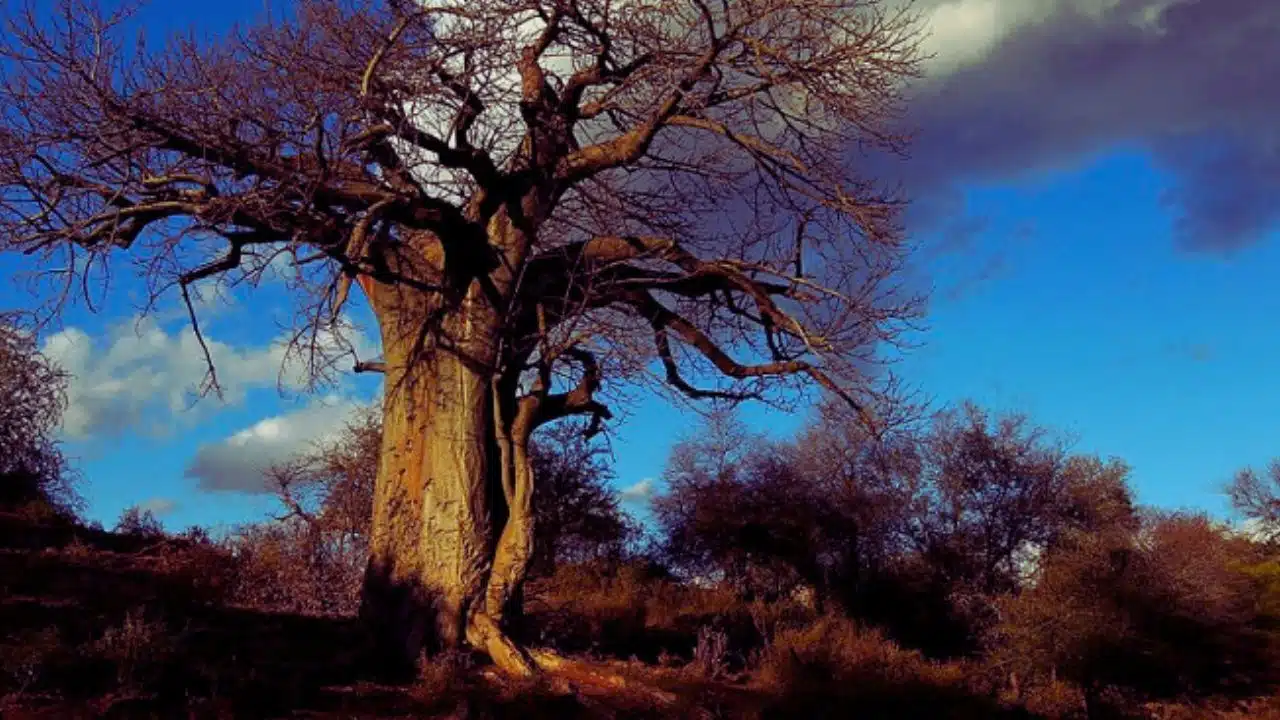
In an extraordinary breakthrough, scientists have recently solved the mystery surrounding the origins of the ancient baobab trees, often revered for their distinctive shapes and remarkable longevity. According to comprehensive DNA studies, these iconic trees first arose in Madagascar around 21 million years ago. From their initial emergence in Madagascar, baobab seeds were carried by ocean currents, reaching far-off lands like Australia and mainland Africa, where they eventually evolved into distinct species.
Unveiling the Origins of Baobabs
The discovery of baobabs’ origins is a significant scientific achievement, providing profound insights into the evolutionary journey of these ancient trees. The research indicates that baobabs, which are deeply rooted in folklore and ecological significance, have a far-reaching history that transcends continents. Their seeds, resilient and adaptable, managed to survive long oceanic voyages, leading to the establishment of baobab populations in diverse ecological settings.
Call for Enhanced Conservation Efforts
The researchers have issued a compelling call for increased conservation efforts to protect baobab trees, which are currently facing severe threats from climate change and widespread deforestation. These majestic trees, often dubbed the “tree of life” or the “upside-down tree,” play a crucial role in supporting biodiversity and providing resources for human communities. Despite their hardy nature, baobabs are now believed to be closer to extinction than previously thought, necessitating urgent conservation measures.
Insights from Leading Researchers
Dr. Ilia Leitch, a distinguished scientist at the Royal Botanic Gardens, Kew, along with her husband, Professor Andrew Leitch of Queen Mary University of London, led this groundbreaking study. Dr. Leitch emphasized the significance of their findings in a statement to the BBC: “We have been able to pinpoint the origin of baobabs, which are an iconic keystone species supporting a wide diversity of animals and plants as well as humans. The data have enabled us to provide important new insights which will inform their conservation to safeguard their future.”
The Study of Baobab Species
The research involved an extensive study of eight baobab species, which include six species endemic to Madagascar, one widespread across the African continent, and another found in north-west Australia. The researchers are advocating for a higher conservation status for two endangered Malagasy species, including the largest and most renowned of Madagascar’s baobabs, the giant baobab. This species, with its towering presence and significant ecological role, is emblematic of the urgent need for conservation efforts.
The Remarkable Characteristics of Baobabs
Baobabs are among the most extraordinary trees on earth, deeply intertwined with local cultures and traditions. In the Malagasy language, they are referred to as “mother of the forest.” These trees can live for thousands of years, a testament to their resilience and adaptability. Baobabs grow to enormous sizes and possess the remarkable ability to store large amounts of water in their trunks, enabling them to survive extended dry seasons.
The fruits of baobabs are considered a superfood, rich in nutrients, and have been traditionally used in various culinary and medicinal applications. Additionally, the fibrous trunk of the baobab can be used to make fibers, which are crafted into ropes or clothing. Baobabs also produce large, striking white flowers that open at dusk, attracting bats that pollinate them. These bats travel vast distances to feed on the nectar, playing a crucial role in the reproductive cycle of the baobabs. Furthermore, baobabs serve as important nesting sites for birds, contributing to the overall biodiversity of their habitats.
Collaborative Efforts in Research
The research was a collaborative effort involving prestigious institutions from around the world. The Wuhan Botanical Garden in China, the Royal Botanic Gardens in Kew, the University of Antananarivo in Madagascar, and Queen Mary University of London in the UK all played pivotal roles in this study. This international collaboration underscores the global significance of baobabs and highlights the need for collective action in their conservation.
Implications for Conservation
The findings from this study have far-reaching implications for the conservation of baobab trees. By understanding the evolutionary history and ecological significance of these trees, conservationists can develop more effective strategies to protect them. The researchers’ call for increased conservation efforts is a crucial step towards ensuring the survival of baobabs in the face of growing environmental challenges.
Conclusion
The discovery of the baobab’s origins and the subsequent call for their conservation underscore the importance of preserving these ancient trees. As climate change and deforestation continue to threaten their existence, it is crucial to implement strategies to protect and sustain baobabs for future generations. The scientific community, along with local and global conservation organizations, must work together to safeguard these iconic trees, ensuring that they continue to thrive and support the diverse ecosystems and human communities that depend on them.