

Mastering the annual transition into the dark season requires more than just endurance; it requires a strategic approach to your biological and social rhythms. In 2026, the conversation around mental health in the Nordics has moved beyond simple awareness to a focus on structural resilience and the integration of advanced health technologies.
This guide provides the practical steps needed to maintain your emotional well-being during the months when the sun rarely breaks the horizon.
How We Selected Our 9 Best Nordic SAD Management Tips for 2026
To provide you with the most relevant advice for this winter, we examined the 2026 Empowering Minds report and the latest clinical data on circadian rhythm disruption. Our selection focuses on the intersection of traditional Nordic lifestyle and the latest digital health breakthroughs. We prioritized strategies that offer measurable improvements in mood and cognitive function during low-light periods.
The following criteria were used to evaluate which methods offer the most effective support for your winter health.
-
Biological Impact: Prioritizing interventions that directly affect melatonin production and serotonin levels.
-
Cultural Integration: Focusing on rituals that are deeply embedded in Norwegian and Finnish society for sustainable habit building.
-
Technical Innovation: Evaluating 2026 advancements in smart home lighting and wearable wellness technology.
-
Accessibility: Ensuring the tips are practical for individuals across different financial and professional backgrounds.
By combining these factors, we identified the primary ways to maintain a stable mindset throughout the Nordic winter.
9 Essential Strategies for SAD Management Norway Finland
Managing winter depression in Northern Europe is not about a single solution but about building a layered defense against the darkness. The following strategies utilize both the latest scientific findings and the time-tested wisdom of the regions that know winter best.
1. High-Intensity Morning Light Therapy
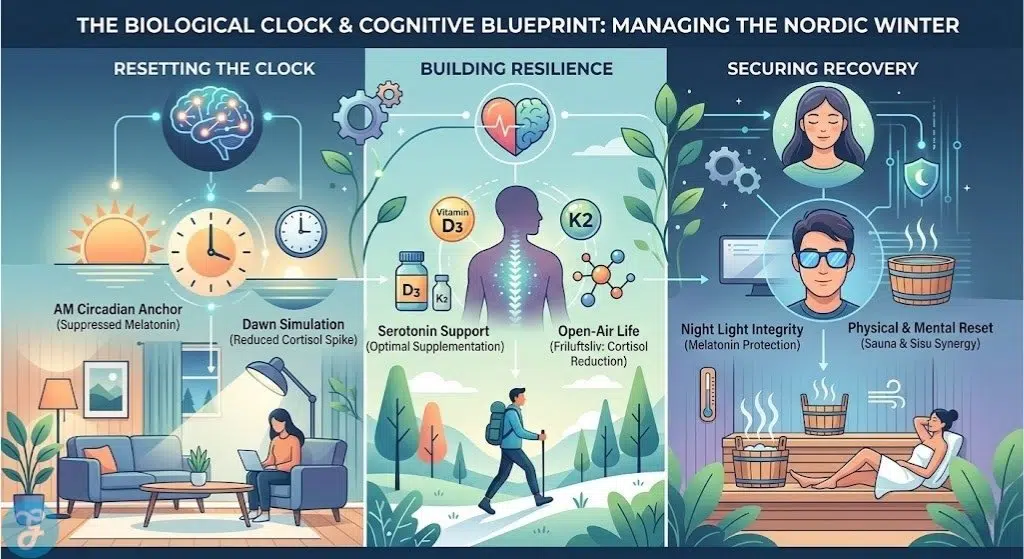
The gold standard for regulating your internal clock remains the use of a 10,000 lux light box within the first hour of waking. In 2026, these devices have become more compact and easier to integrate into your morning routine through smart home automation. Consistently exposing your eyes to this specific light intensity suppresses melatonin and signals your brain that the day has begun.
Best for: Individuals who experience a heavy morning “brain fog” and struggle to wake up in the dark.
Why We Chose It:
-
It is the most evidence-based non-pharmacological treatment for seasonal mood changes.
-
Modern 2026 devices offer flicker-free technology to reduce eye strain and headaches.
-
It provides a predictable biological “anchor” regardless of the actual weather outside.
Things to consider: You must keep your eyes open during the session but avoid looking directly at the light source.
Consistent morning light sets the stage for a productive day, but managing your cognitive load is equally important for long-term health.
2. The “Empowering Minds” Mental Load Check
The 2026 Empowering Minds report highlights a significant gap between help-seeking intention and actual behavior across the Nordics. In Finland and Norway, many people carry a hidden “mental load” of coordinating home and work life that becomes unbearable during the winter. Taking the time to explicitly delegate tasks can prevent this hidden strain from turning into a clinical depressive episode.
Best for: Young parents and professionals who feel overwhelmed by the invisible responsibilities of daily life.
Why We Chose It:
-
It addresses the structural inequalities in mental well-being identified in the latest 2026 data.
-
Reducing mental load allows for more space for rest and meaningful recovery.
-
It encourages a culture of openness and shared responsibility within households and teams.
Things to consider: Finland shows the highest awareness of this concept, with 68 percent of the population recognizing the term.
Managing your mental load helps your mind, but your body also requires specific nutritional support when the sun is absent.
3. Optimized Vitamin D3 and K2 Supplementation
While basic Vitamin D is a standard recommendation, the 2026 health guidelines in Norway emphasize the synergy between D3 and K2. This combination ensures that the calcium absorbed by the body is correctly directed to the bones and teeth rather than the arteries. High-strength supplementation is often necessary between October and April to compensate for the total lack of UVB rays.
Best for: Everyone living in latitudes above 60 degrees North during the winter months.
Why We Chose It:
-
Vitamin D is a crucial precursor for the production of serotonin, the “feel-good” neurotransmitter.
-
The addition of K2 prevents the potential long-term risks of high-dose D3 alone.
-
It is a simple and cost-effective way to support both immune and emotional health.
Things to consider: You should ideally have your blood levels tested to determine the exact dosage your body requires.
Nutrition provides the fuel, but the traditional Nordic relationship with the outdoors provides the spirit.
4. Daily Commitment to “Friluftsliv”
The Norwegian concept of Friluftsliv, or “open-air life,” is a vital component of SAD Management Norway Finland. Even on days when the sun does not appear, spending time in nature helps regulate your mood and reduces cortisol levels. In 2026, many Finnish workplaces have adopted “outdoor meetings” to ensure employees get at least thirty minutes of daylight.
Best for: Those who spend their entire day in office environments with artificial lighting.
Why We Chose It:
-
Fresh air and a change of environment are proven to break cycles of rumination.
-
It maintains a physical connection to the landscape that is central to Nordic identity.
-
The gentle exercise involved in walking supports cardiovascular health and sleep quality.
Things to consider: Investing in high-quality wool layers and waterproof gear is essential for a positive experience.
Connecting with nature is one half of the resilience puzzle, while the other half is found in the warmth of the sauna.
5. The Finnish Sauna and “Sisu” Synergy
For the Finnish population, the sauna is more than a luxury; it is a fundamental tool for mental resilience or Sisu. The extreme change in temperature from the cold outside to the heat of the sauna triggers a release of endorphins and promotes deep relaxation. Research in 2026 continues to show that regular sauna use is associated with a lower risk of depression and dementia.
Best for: Individuals looking for a physical way to reset their nervous system after a long day.
Why We Chose It:
-
It provides a dedicated “tech-free” space for mindfulness and social connection.
-
The heat therapy improves circulation and helps muscles recover from winter tension.
-
It is a cultural ritual that builds community and a sense of belonging in the dark.
Things to consider: You should stay well-hydrated and listen to your body to avoid overexposure to high heat.
The warmth of the sauna is a physical reset, but your digital habits also play a role in your sleep quality.
6. Strategic Blue-Light Mitigation at Night
While blue light is helpful in the morning, exposure in the evening can suppress melatonin and ruin your sleep quality. The latest 2026 research identifies the 450 to 480 nm band as the most disruptive to your circadian rhythm. Using high-quality blue-light filtering glasses after sunset allows your brain to naturally wind down even if you are using a screen.
Best for: People who work late on computers or use mobile devices before going to sleep.
Why We Chose It:
-
It protects your natural sleep-wake cycle from the artificial lighting of modern life.
-
Better sleep quality is directly correlated with a reduction in seasonal anxiety symptoms.
-
It is a non-invasive way to improve your biological health without medication.
Things to consider: Not all blue-light glasses are equal; ensure they specifically target the 450 nm wavelength.
Controlling your light exposure is a technical fix, but your social life requires a more personal touch.
7. Embracing Social “Kos” and “Fika”
Loneliness can be a major trigger for winter depression, making the Norwegian tradition of “Kos” and the Finnish habit of “Fika” or shared coffee essential. These shared moments are not just about food; they are about intentional social connection. Making a regular date with a friend ensures that you do not become isolated during the long nights.
Best for: Remote workers and individuals living alone who might go days without a social interaction.
Why We Chose It:
-
Shared social rituals provide a sense of stability and community during the winter.
-
The act of slow conversation helps process the “mental load” of daily life.
-
It creates positive associations with the winter season rather than focusing on the dark.
Things to consider: Digital coffee dates can work, but physical presence is more effective for reducing loneliness.
While social connection is vital, you also need to manage your environment from the moment you wake up.
8. Smart Home Dawn Simulation
A dawn simulator gradually increases light in your bedroom to mimic a natural sunrise, allowing you to wake up more gently. In 2026, these systems are often integrated with your phone’s alarm and smart bulbs to create a customized “sunrise” that spans 30 minutes. This prevents the jarring shock of a loud alarm in a pitch-black room, which can spike your stress hormones.
Best for: People who find it physically painful to get out of bed in the total darkness of a Nordic winter.
Why We Chose It:
-
It prepares your brain and body for wakefulness before you even open your eyes.
-
It has been shown to improve alertness and mood for the entire morning.
-
It is a passive way to improve your mental health through simple home technology.
Things to consider: For the best results, place the light source near your head but out of your direct line of sight.
Passive home tools are excellent, but you must also know how to access professional support when self-care is not enough.
9. Activating Professional Help-Seeking
The threshold between considering help and actually accessing it remains high in Norway and Finland. If self-care strategies are not enough, it is crucial to use the available professional pathways. In 2026, many regions offer digital therapists who specialize in SAD, allowing you to bypass local waiting lists and start treatment from your home.
Best for: Individuals whose symptoms are impacting their ability to work, study, or maintain relationships.
Why We Chose It:
-
Professional therapy can provide targeted CBT-SAD strategies for your specific needs.
-
Digital pathways offer much faster access than traditional hospital-based clinics.
-
It ensures that a qualified clinician is monitoring your health during the highest-risk months.
Things to consider: In Finland, nearly half of respondents say they are likely to seek help, but less than a third do.
Overview Of SAD Management Norway Finland in 2026
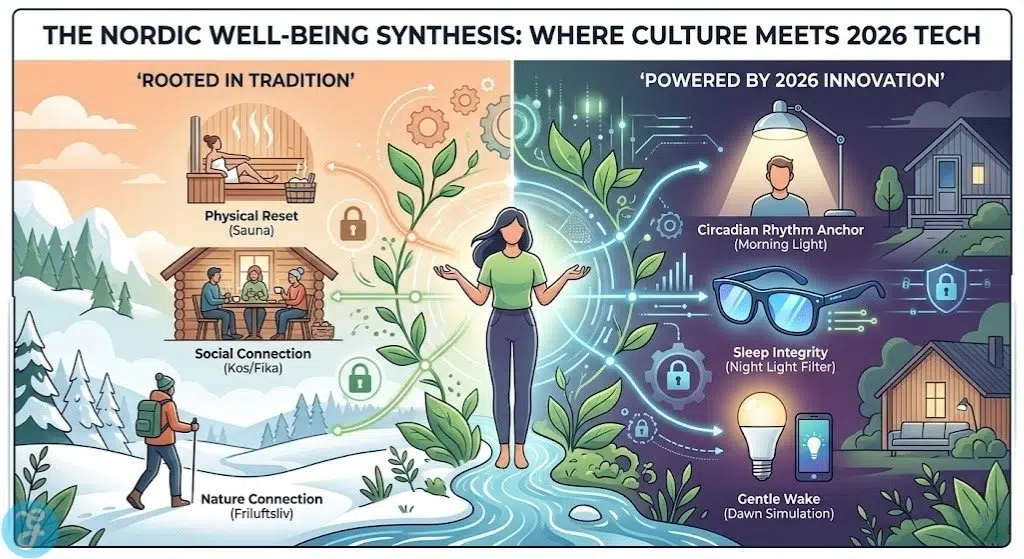
The current strategy for managing seasonal health in the Nordics is a blend of traditional lifestyle choices and modern technology. The following summary provides a quick reference for the primary areas of focus this year.
The data below summarizes the key areas of intervention and the current trends observed across the region.
| Strategy Type | Impact Area | Primary Target | 2026 Trend |
| Morning Light | Biological Rhythm | Sleep & Mood | High Adoption |
| Mental Load | Cognitive Health | Parents & Workers | Rising Awareness |
| Nutrition | Biological Fuel | General Population | Personalized Doses |
| Nordic Rituals | Cultural Resilience | Social Connection | Strong Stability |
| Digital Therapy | Professional Support | Underserved Areas | Growing Access |
Our Top 3 Critical Factors and Why?
While all nine points are helpful, these three represent the most significant factors for a successful winter season in 2026.
-
Light Regulation: Managing light both in the morning and at night is the foundation of any biological health plan in the Nordics.
-
Mental Load Awareness: This is the key to preventing burnout in a society that is becoming increasingly complex and expensive.
-
Professional Activation: Closing the gap between “thinking about help” and “getting help” is the final hurdle to national well-being.
How to Master Your Winter Wellness by Yourself?
Taking control of your mental health requires you to be proactive about your environment and your habits. By utilizing the latest 2026 tools and sticking to traditional rituals, you can build a resilient lifestyle that thrives even in the absence of the sun.
-
Audit Your Light: Use a lux meter app on your phone to check if your morning light therapy is actually hitting the 10,000 lux mark.
-
Track Your Mental Load: Once a week, sit down and list the “invisible tasks” you are carrying and look for ways to share the burden.
-
Join a Local Hub: Many towns in Norway and Finland have winter swimming or sauna groups that provide instant community.
-
Upgrade Your Smart Home: Set your bedroom lights to a dawn simulation schedule to make your mornings significantly easier.
The following table can help you decide which approach is best for you based on your primary symptoms.
| Choose Light & Rituals if… | Choose Professional Help if… |
| You feel a bit tired but can still do your daily work. | Your mood is consistently low for more than two weeks. |
| You are looking to maintain your current level of health. | You are struggling to maintain your relationships or job. |
| Your symptoms are clearly linked to the lack of light. | You feel a sense of hopelessness that self-care cannot fix. |
The Final Checklist
-
[ ] Set your morning light therapy lamp to a timer so it is ready when you wake up.
-
[ ] Buy a supply of Vitamin D3 with K2 that will last you until April.
-
[ ] Book a regular sauna or “Fika” session with a friend to ensure social connection.
-
[ ] Install a blue-light filter on all your digital devices for evening use.
-
[ ] Read the full 2026 Empowering Minds report to understand the mental load trends.
Thriving in the Heart of the North
Living through a Nordic winter is a testament to the resilience of the human spirit and the effectiveness of cultural adaptation. By embracing SAD Management Norway Finland through a combination of light technology, traditional rituals, and professional support, you can turn the dark months into a time of reflection and growth. The goal is not just to survive the winter but to build a lifestyle where you feel empowered and connected throughout the entire year.
Frequently Asked Questions About SAD Management Norway Finland
Is light therapy safe for everyone?
Answer: Most people can use light therapy safely, but those with certain eye conditions or bipolar disorder should consult a doctor before starting a regular high-intensity protocol.
How much Vitamin D is enough during a Nordic winter?
Answer: While the general advice is often 10 to 20 micrograms, many Nordic residents require 50 to 100 micrograms to maintain healthy levels between October and April.
What is the difference between “Kos” and “Hygge”?
Answer: Both terms describe a sense of cozy social connection, with “Kos” being the specific Norwegian word and “Hygge” being the more famous Danish equivalent used across the region.
Are blue-light glasses just a marketing gimmick?
Answer: High-quality glasses that filter specific wavelengths can help protect your melatonin levels, but they are most effective when combined with a general reduction in screen use at night.
Where can I find a digital therapist in Finland?
Answer: You can access professional support through your occupational health provider or by using national platforms that offer accredited digital CBT services for residents.
























