

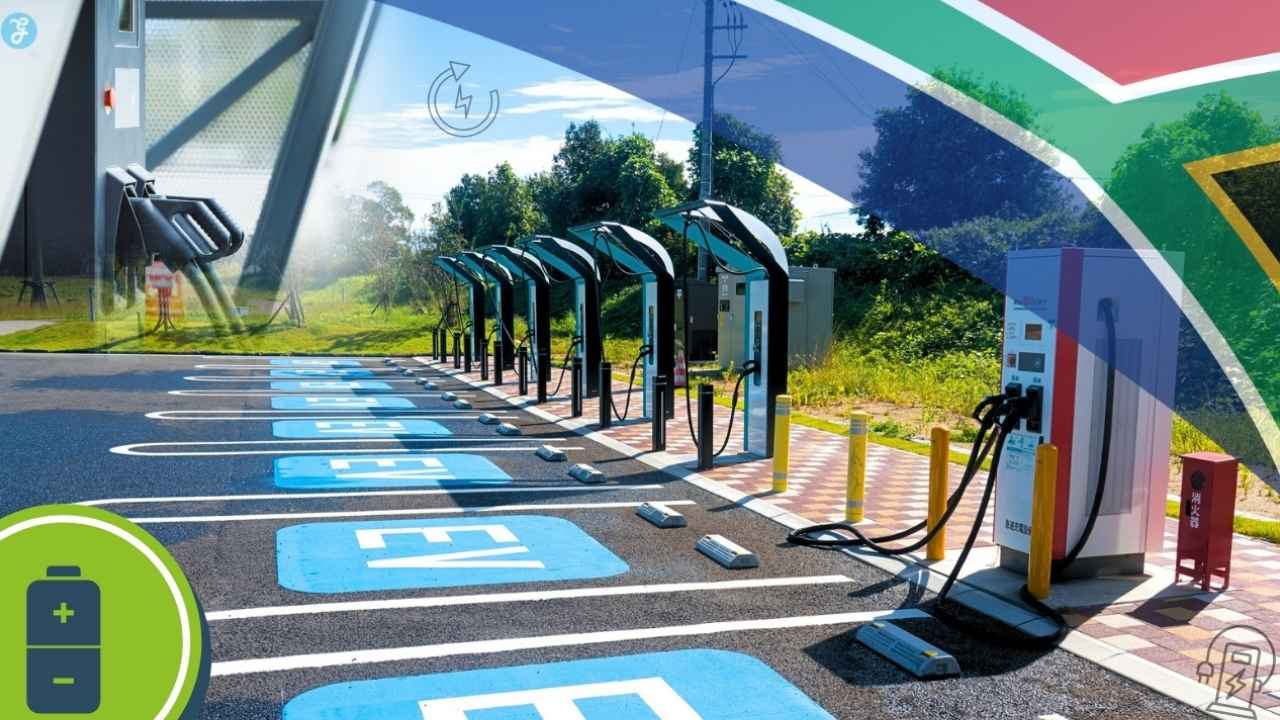
The hum of an electric motor is no longer a rare sound on the streets of our major cities. Just a few years ago, seeing a battery-powered car was like spotting a unicorn on the highway, but things have changed incredibly fast. We are currently in a massive shift where the quiet revolution is finally making financial and practical sense for the everyday driver.
Fuel prices keep climbing at alarming rates, and the old arguments against going green are falling apart one by one. People are tired of spending a fortune at the petrol pump and are looking for smarter, more efficient ways to commute. In this guide, we look at the reality of owning and driving Electric Vehicles in South Africa as we move through the year. Whether you are a dedicated technology enthusiast or just someone looking to save money on your monthly travel expenses, these are the essential facts you need to navigate this entirely new era of mobility. It is not just about being environmentally friendly anymore; it is about smart math, energy independence, and embracing better technology.
Why the Shift to Electric is Finally Happening Here
The local car market has reached a critical tipping point that many industry experts thought would take another full decade to materialize. For the longest time, severely high import duties and a frustrating lack of model variety kept these advanced cars completely out of reach for the majority of citizens. However, the intense global pressure to move away from fossil fuels has forced a massive change in how manufacturers view our local market. Automakers are now prioritizing our region because they clearly see the massive potential in a country blessed with high sun exposure and a population desperate for energy alternatives.
The move toward Electric Vehicles in South Africa is genuinely being driven by absolute necessity just as much as it is by cutting-edge innovation. Everyday people are actively looking for clever ways to become entirely energy-independent and detach from the volatile fuel supply chain. With the massive and rapid rise of home solar systems across suburban neighborhoods, the exciting idea of making your own fuel at home has become a daily reality for thousands of households. This beautiful synergy between residential solar energy and modern transport is the main engine behind the current, unprecedented surge in dealership sales.
| Factor | Past Status | Current Status |
| Cheapest Entry Price | Above R700,000 | Around R339,000 |
| Number of Available Models | Less than 10 | Over 40 diverse options |
| Charging Network Breadth | Main urban centers only | Comprehensive national highway coverage |
| Government Policy Stance | No clear incentives | 150 percent investment allowance |
1. The Price Tag is Shrinking Dramatically
The absolute biggest hurdle for any buyer has always been the terrifyingly high entry price. For many years, you simply could not get into a battery-powered car for anything less than the price of a massive luxury family vehicle. That specific financial barrier has officially been completely smashed into pieces this year. We are currently witnessing the highly anticipated arrival of everyday passenger cars that run entirely on battery power without breaking the bank. These new vehicles are aggressively priced to compete directly head-to-head with the most popular petrol hatchbacks on our roads today.
When you look at the recent exciting launches from newer brands entering the local space, they are bringing cars with fantastic range and premium interiors for well under the four hundred thousand rand mark. This represents a monumental game-changer for the local consumer who previously felt entirely priced out of the modern green transition. It ultimately means that your monthly bank installment on an electric car is now perfectly comparable to a traditional vehicle, but you get to completely skip the agonizing monthly fuel bill.
| Vehicle Model | Vehicle Type | Approximate Pricing |
| Geely E2 Aspire | City Hatchback | R339,900 |
| BYD Dolphin Surf | Compact Commuter | R385,000 |
| GWM Ora 03 | Premium Hatchback | R410,000 |
| Standard Petrol Hatch | Internal Combustion | R320,000 to R450,000 |
2. Chinese Brands are Leading the Charge
If you are sitting around waiting for the traditional European legacy brands to bring you a cheap electric car, you might be waiting for a very long time. The real, tangible movement regarding Electric Vehicles in South Africa is coming almost exclusively from the East right now. Giant Chinese manufacturing powerhouses like BYD, GWM, and Geely have completely and utterly disrupted the local automotive landscape. They have brilliantly figured out how to manufacture high-quality battery packs at a massive global scale that allows for significantly lower retail prices on the showroom floor.
These specific brands are not just bringing budget-friendly cars; they are bringing world-class, futuristic technology that rivals cars twice their price. Many of these surprisingly affordable vehicles feature advanced software interfaces and safety systems that are literally years ahead of the older legacy automakers. By aggressively focusing on the value segment of the market, these forward-thinking companies have successfully captured the hearts of local buyers who simply want the latest technology without paying a ridiculous premium for a fancy hood badge.
| Brand Name | Primary Focus Area | Key Consumer Selling Point |
| BYD | Advanced Battery Tech | Industry-leading safety and long lifespan |
| GWM | Style and Technology | High-end luxury interiors and active safety |
| Geely | Extreme Affordability | Breaking the low-price barrier for families |
| Chery | Family SUV Segment | Large spacious vehicles with electric drivetrains |
3. Government Tax Incentives Have Landed
After many frustrating years of watching and waiting, the national government finally pulled the trigger on a formal, structured policy framework. The highly anticipated New Energy Vehicle White Paper has actually started to yield some very positive and tangible results for the industry. While we unfortunately do not have a direct cash-back subsidy for everyday buyers just yet, the financial incentives provided to vehicle manufacturers are incredibly massive. This smart policy encourages global auto brands to actually build these modern cars locally, which will eventually drive down the retail price for you and me.
Specifically, the implementation of a one hundred and fifty percent tax deduction for direct investments into the green vehicle sector is a massive win for the entire economy. It effectively means that massive companies operating local assembly plants are highly likely to keep their factories running right here on our soil. As local production of heavy batteries and complex components ramps up over the next few years, the heavy import duties that currently artificially inflate prices are fully expected to be phased out completely.
| Policy Element | Direct Impact on the Consumer |
| Huge Investment Allowance | Guarantees lower long-term vehicle purchase prices |
| Local Battery Assembly Focus | Significantly reduced replacement and repair costs |
| Strong Export Incentives | Keeps the local manufacturing industry fully viable |
| Public Transport Grants | Promotes much cleaner buses and shared taxi fleets |
4. The Public Charging Network is Expanding Rapidly
Debilitating range anxiety used to be the absolute number one reason people actively stayed away from buying electric cars in the past. The lingering fear of being stranded completely dead halfway on a road trip to the coast was a very real and valid concern. Today, that old narrative is mostly a total myth thanks to massive private investments. The public charging infrastructure has literally exploded across the entire country over the last twenty-four months. Dedicated private companies like GridCars and Rubicon have carefully and strategically mapped out the entire national electric highway, ensuring you are never too far away from a reliable high-speed plug.
You can now easily find incredibly fast chargers situated at almost every single major fuel station along the busiest national routes. These are definitely not the slow wall plugs you use at home; they are incredibly high-powered commercial units that can easily add a hundred kilometers of driving range in roughly fifteen short minutes. Most large shopping malls and lifestyle centers now offer dedicated premium parking spots equipped with chargers, allowing you to easily top up your car while you casually grab groceries or sit down to watch a movie.
| Infrastructure Provider | Geographic Coverage | Charging Speed Type |
| GridCars Network | Major National Highways | DC Ultra-Fast and AC Medium |
| Rubicon Energy | Premium Shopping Centers | AC Medium Destination Charging |
| Dedicated Superchargers | Selected Major Urban Hubs | Ultra-Fast High Voltage DC |
| Dealership Networks | Brand Specific Locations | Variable speeds depending on brand |
5. Load Shedding is Not a Dealbreaker Anymore
It is undeniably the very first question absolutely everyone asks when the topic comes up at a braai. People always want to know how on earth we can possibly drive electric cars if the national power grid is constantly struggling to keep the lights on. It genuinely sounds like a completely logical dead-end, but the practical reality is actually the complete opposite. These modern vehicles are essentially massive batteries on wheels, and they actually form part of the ultimate solution to our ongoing residential energy crisis. The vast majority of owners simply schedule their cars to charge quietly overnight during the specific hours when the power grid is stable and electricity tariffs are often much cheaper.
Furthermore, many of the newer Electric Vehicles in South Africa now feature incredible bidirectional charging technology. This essentially means you can plug your home appliances directly into your car during a blackout to keep your fridge running and your lights on. When you finally combine this capability with a few solar panels on your roof, you completely detach yourself from the frustrating national grid and transform your car into a mobile backup generator.
| Technological Feature | Practical Benefit for Owners |
| Vehicle-to-Load Capability | Powers your essential house appliances during blackouts |
| Intelligent Smart Charging | Automatically schedules charging when grid power is active |
| Home Solar Integration | Allows you to charge for completely free using the sun |
| Off-peak Tariff Charging | Saves massive amounts of money on monthly electricity bills |
6. Total Cost of Ownership is Hard to Ignore
Looking strictly at the initial dealership sticker price is a very common mistake that entirely misses the bigger financial picture. When you take the time to actually calculate the total cost of ownership over a typical five-year period, going battery-powered starts to look like an absolute financial masterstroke. Traditional liquid fuel prices are incredibly volatile and generally trend upward at a frightening pace every single year. Conversely, residential electricity remains significantly cheaper per kilometer driven, even when you factor in the annual municipal tariff hikes.
On average, it costs a tiny fraction of the price to completely fuel your car at home compared to swiping your card for a full tank of unleaded petrol at the garage. Maintenance is the other fantastic secret weapon that saves owners thousands of rands every year. A standard petrol engine has hundreds of complex moving metal parts that require constant lubrication, tuning, and eventual replacement. An electric motor is beautifully simple, requiring absolutely no oil changes, no new spark plugs, and no expensive timing belt replacements.
| Typical Expense Category | Traditional Petrol Vehicle | Modern Battery Vehicle |
| Five Year Energy Cost | R120,000 | R25,000 |
| Routine Dealership Servicing | R35,000 | R8,000 |
| Unplanned Major Repairs | R15,000 | R2,000 |
| Estimated Total Operating Cost | R170,000 | R35,000 |
7. Battery Lifespans Outlast the Rumors
There is a very persistent and widespread fear that the main battery pack will simply die abruptly after three years and leave you with a crippling replacement bill. This anxiety is largely based on how old cellphones used to behave, but it is simply not supported by any modern automotive data. Current generation power packs, especially the newer iron-based ones utilized by many incoming brands, are specifically engineered to handle many thousands of rigorous charge cycles. In plain simple English, that means the incredibly robust battery pack will very likely completely outlast the usable life of the actual car itself.
Almost every single manufacturer operating locally offers a massive eight-year or massive mileage warranty on the battery pack alone to give buyers total peace of mind. Even after that long warranty period expires, the battery definitely does not just stop working overnight. It might simply hold slightly less maximum capacity than it did on the day it rolled off the factory floor, which makes virtually no difference to your daily city commute.
| Battery Technology Type | Expected Longevity | Main Advantages |
| Lithium Iron Phosphate | Extremely High | Much safer, highly affordable, incredibly long life |
| Nickel Manganese Cobalt | High | Offers slightly better range for the exact same physical weight |
| Solid State Technology | Ultra High | Promises extremely fast charging times in the near future |
| Remanufactured Packs | Variable | Provides a cheap and eco-friendly replacement alternative |
8. The Pre-Owned EV Market is Growing
You absolutely do not have to buy a brand new vehicle off the showroom floor to experience this fantastic new way of driving. The second-hand market for Electric Vehicles in South Africa is finally starting to mature and offer some genuinely brilliant bargains. You can now easily browse online classifieds and find carefully used older models for very reasonable and highly tempting asking prices. These specific used vehicles are absolutely excellent options for families who primarily drive short distances around the suburbs and want a reliable second car.
When buying a used battery-powered car, the actual inspection process is far less stressful than examining a used petrol car. You never have to worry about a blown head gasket, hidden engine sludge, or a dangerously worn-out mechanical clutch assembly. The main and really only important check is requesting a simple diagnostic health report printout directly from the dealership computer. If that specific piece of paper shows the health is sitting perfectly above ninety percent, that used car is practically as good as new mechanically.
| Inspection Step | What You Need to Check |
| Diagnostic Health Report | Ensure the maximum capacity reading is sitting nicely above 85 percent |
| Physical Charging Port | Look closely for any signs of physical wear, tear, or electrical burns |
| Operating System Updates | Ensure the absolute latest manufacturer software is correctly installed |
| Existing Warranty Status | Verify if the original eight-year factory battery warranty is still active |
9. The Environmental Impact on a Coal-Heavy Grid
Vocal critics on social media often love to loudly proclaim that driving these cars locally is entirely pointless because our national utility relies heavily on burning coal. It is a somewhat fair observation on the surface, but it completely lacks any deeper scientific context regarding overall energy efficiency. Even when powered by the dirtiest coal plant, a massive industrial turbine is drastically more efficient at generating usable energy than a tiny, incredibly inefficient combustion engine inside a car. When you also calculate the massive hidden emissions generated by drilling, refining, and transporting crude oil across the ocean, the battery-powered car wins the environmental debate very easily.
More importantly, our national power grid is slowly but surely changing as more massive wind and solar farms are successfully connected every single month. This beautifully means that when you drive one of these modern cars, your daily carbon footprint actually shrinks every single year without you doing absolutely anything differently. If you happen to charge your car using panels on your own roof, your driving emissions drop to absolutely zero on day one.
| Primary Energy Source | Standard Petrol Vehicle Emissions | Battery Vehicle Emissions |
| Pure Coal Power Grid | Extremely high tailpipe emissions | Moderate power plant emissions |
| Current Mixed Energy Grid | Extremely high tailpipe emissions | Low combined emissions |
| Residential Solar Panels | Extremely high tailpipe emissions | Absolute zero daily driving emissions |
| Future Green Power Grid | Extremely high tailpipe emissions | Near zero total lifecycle emissions |
10. Insurance and Maintenance Costs are Shifting
Securing affordable insurance used to be a massive headache because local underwriters simply did not know how to accurately price the unknown risk of this new technology. Moving through the current year, almost all major local insurance providers now have highly specialized and competitively priced products specifically designed for these modern vehicles. While the initial monthly premiums can sometimes be slightly higher due to the expensive specialized parts involved in accident repairs, the financial gap is closing very rapidly.
Some forward-thinking insurance companies are even starting to offer special green discounts because they correctly view these specific drivers as much safer, lower-risk clients. On the mechanical maintenance side of things, the entire dealership experience is almost laughably simple and completely devoid of any real stress. You essentially never have to visit the mechanic for a messy oil change or a complicated engine tuning session. You basically just check the tire pressure occasionally, replace the cabin air filter so you breathe clean air, and top up the windshield wiper fluid when it runs dry.
| Vehicle Component | Recommended Maintenance Frequency |
| Rubber Tires | Rotate them carefully every ten thousand kilometers |
| Friction Brake Pads | Inspect occasionally (Regenerative braking makes them last almost forever) |
| Battery Coolant System | Inspect the fluid levels closely every hundred thousand kilometers |
| High Voltage Battery | Perform a basic software diagnostic check at every annual service |
11. Range Anxiety is Fading Fast
We have thankfully officially moved entirely past the frustrating early pioneer days of cars that could only manage a miserable hundred kilometers before dying. Most newly released Electric Vehicles in South Africa arriving on showroom floors right now offer a highly practical real-world driving distance of between three and five hundred kilometers. Given that the typical daily commute for a suburban office worker is generally less than forty total kilometers, you have more than enough power to get around. You could technically drive to the office, fetch the kids, go to the gym, and run errands all week long without ever desperately needing to plug in.
Modern smart cars also come equipped with incredibly brilliant onboard navigation intelligence that actively thinks for you while you drive. The car intimately knows exactly where all the public chargers are situated and precisely how much battery percentage you will have left when you arrive at your destination. It completely takes all the stressful guesswork out of planning a long family road trip down to the sunny coast for the December holidays.
| General Vehicle Category | Average Expected Range | Best Suited For |
| Compact City Hatchback | Roughly 300 to 350 kilometers | Daily urban commuting and school runs |
| Mid-Size Family SUV | Roughly 400 to 500 kilometers | Great all-rounder for weekends and holidays |
| Premium Luxury Long-Range | Well over 600 kilometers | Frequent cross-country long-distance travel |
| Commercial Delivery Van | Roughly 250 to 300 kilometers | Urban logistics and final mile package delivery |
12. Local Manufacturing is the Ultimate Goal
The final and arguably most important piece of the entire national puzzle is aggressively transitioning to building these advanced cars right here at home. Our massive automotive manufacturing sector is a critical pillar of the economy and employs hundreds of thousands of hardworking citizens. For this vital industry to survive the global ban on petrol cars, we absolutely have to start retooling our massive factories immediately. We are incredibly fortunate to already be seeing massive strategic moves in this exact direction from the biggest global players.
Several massive German automakers have already invested billions of rands into their local assembly plants to prepare for the next generation of electrified export vehicles. When these beautiful cars are finally built entirely on our soil, they authentically become part of our proud industrial identity and secure our economic future. This crucial transition ensures that our local automotive sector remains globally competitive and protects our vital export contracts with European countries moving forward.
| Global Manufacturer | Local Assembly Location | Current Production Status |
| Major German Brand | Rosslyn Plant | Upgrading for hybrid and electric components |
| Premium Luxury Brand | East London Plant | Successfully exporting advanced hybrid models |
| Popular Consumer Brand | Kariega Plant | Actively testing future fleets for local production |
| Leading Asian Brand | Prospecton Plant | Currently dominating the local hybrid market |
Final Thoughts
The inevitable transition toward Electric Vehicles in South Africa is genuinely no longer a distant theoretical concept; it is an active and exciting reality unfolding on our roads right now. The powerful combination of rapidly falling purchase prices, a vastly improved national charging infrastructure, and the brilliant ability to completely bypass painful petrol price hikes is making these modern cars the most logical choice for many households. While there are certainly still some unique challenges regarding our national power grid, the meteoric rise of residential solar power has brilliantly turned those exact challenges into incredible opportunities for total energy independence.
If you are currently sitting down and seriously looking at your next major car purchase, the absolutely smartest move you can make is to at least take an electric model for a quick test drive. The serene silence, the incredibly smooth instant power delivery, and the spectacularly low monthly running costs are extremely hard to walk away from once you have experienced them firsthand. We are all actively watching the brilliant future of mobility unfold locally, and Electric Vehicles in South Africa are proving to be significantly cleaner, much smarter, and far more affordable than anyone ever originally expected.
Frequently Asked Questions (FAQs) About Electric Vehicles in South Africa
1. How much does the cheapest EV cost in South Africa right now?
Currently, the most accessible brand new models start sitting at roughly R339,900 at local dealerships. These are typically brilliantly designed compact hatchbacks from dominant Asian brands that easily offer a highly practical range of about 300 kilometers, making them absolutely perfect for daily city use and school runs.
2. Can I charge my EV during load shedding?
Yes, you absolutely can manage this without any major headaches. If you have a decent home solar setup with a backup battery, you can seamlessly charge regardless of what the national grid is doing. If you rely solely on the municipal grid, you simply use the car software to schedule the charging process precisely when the neighborhood power returns. Furthermore, almost all public fast chargers located on highways have massive backup generators to keep you moving.
3. Are there any tax benefits for buying an EV?
While there is unfortunately no direct cash discount handed to individual buyers at the dealership just yet, the government has provided massive tax incentives for local automotive manufacturers. This incredibly smart policy helps reduce the overall production costs by easing the tax burden on factories, which will naturally lead to cheaper retail prices for the consumer as local assembly volumes increase over time.
4. How long do EV batteries actually last?
Modern battery packs are heavily protected by advanced liquid cooling systems and are physically designed to outlast the mechanical lifespan of the car itself. Almost all manufacturers operating locally provide a comprehensive eight-year warranty, guaranteeing that the power pack will retain the vast majority of its original charging capacity. Experiencing severe, crippling battery degradation is incredibly rare with today’s advanced chemical technology.
5. Is it cheaper to maintain an electric car?
It is drastically cheaper to maintain over the long run. Because an electric motor has incredibly few moving internal parts, you completely eliminate the need for messy oil changes, snapped timing belts, or replacing worn-out spark plugs. Even your physical brake pads last significantly longer because the clever regenerative braking system uses the motor to naturally slow the car down, saving you a massive amount of money at the service center.





















