

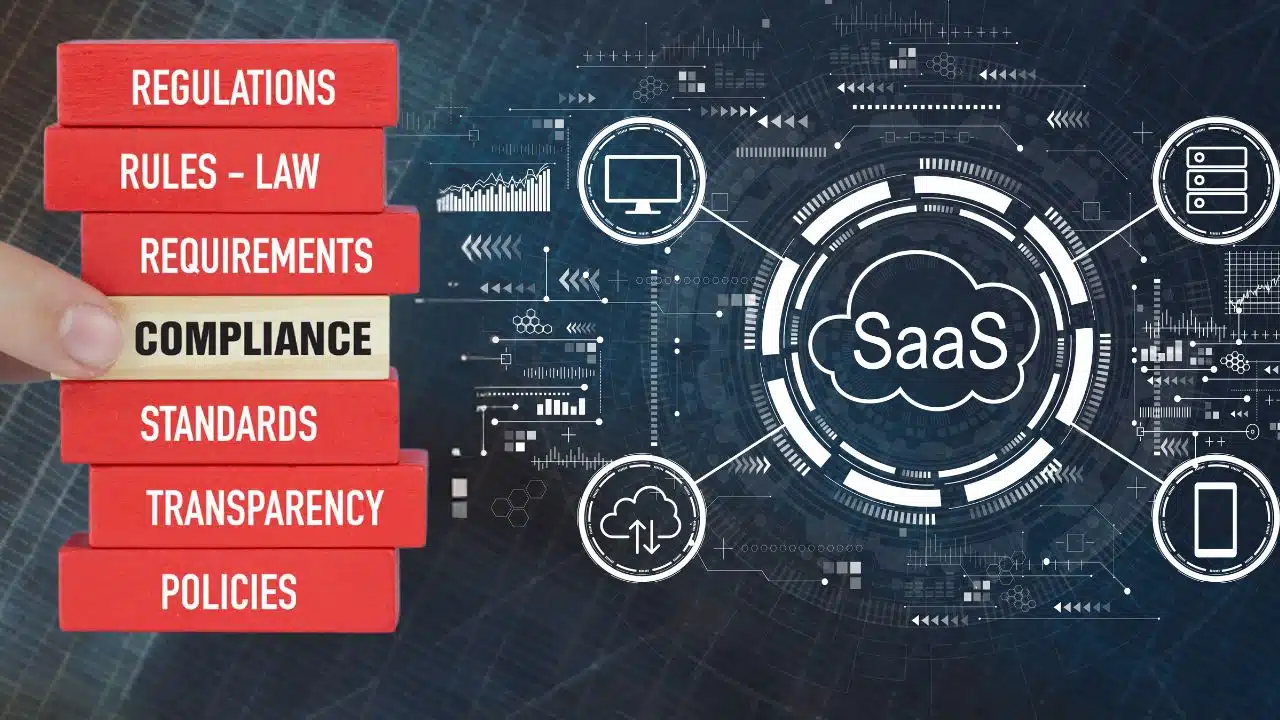
In the age of cloud-based solutions and digital transformation, Software as a Service (SaaS) has emerged as a cornerstone of modern business. SaaS platforms provide businesses with flexibility, scalability, and cost-efficiency. However, with the convenience of SaaS comes the responsibility to safeguard sensitive data, comply with regulatory frameworks, and build customer trust.
Compliance standards for SaaS are not mere formalities—they are essential tools that protect businesses from data breaches, legal actions, and reputational damage. For customers, these standards provide assurance that their personal and financial information is being handled responsibly.
This article delves into seven essential SaaS compliance standards, explaining what they are, how they work, and why they are critical for SaaS providers. By understanding and adhering to these standards, SaaS companies can thrive in a competitive marketplace while maintaining customer confidence.
1. General Data Protection Regulation (GDPR)
What Is GDPR?
The General Data Protection Regulation (GDPR) is a comprehensive data privacy law enacted by the European Union (EU) in 2018. It establishes strict rules for collecting, processing, storing, and sharing personal data of EU citizens and residents. GDPR’s influence extends globally, as any company offering services or goods to EU residents must comply.
Key Features of GDPR
- Data Minimization: Companies should only collect data that is necessary for their operations.
- Right to Be Forgotten: Customers can request their data to be permanently deleted.
- Data Portability: Individuals can transfer their data from one service provider to another.
- Accountability: Companies must document their compliance efforts and regularly assess risks.
Real-World Impact on SaaS
SaaS companies like CRMs, email marketing tools, and cloud storage platforms are directly affected by GDPR. Failure to comply can result in penalties up to €20 million or 4% of global revenue, whichever is higher. GDPR compliance also reassures customers that their privacy is protected, making it a competitive advantage.
2. SOC 2 (Service Organization Control 2)
What Is SOC 2?
SOC 2 is a compliance framework developed by the American Institute of CPAs (AICPA) that focuses on how organizations manage customer data. While it’s not a legal requirement, SOC 2 compliance is often a prerequisite for doing business with larger clients, especially in industries like finance and healthcare.
Five Trust Service Criteria (TSC):
- Security: Ensures data is protected against unauthorized access.
- Availability: Guarantees systems are operational and accessible as promised.
- Processing Integrity: Validates that data processing is complete, accurate, and timely.
- Confidentiality: Protects sensitive information from being disclosed.
- Privacy: Manages personal data responsibly, ensuring transparency and control.
Why SOC 2 Matters for SaaS?
SOC 2 compliance demonstrates that a SaaS company has implemented robust controls to secure customer data. Companies like Dropbox and Slack leverage SOC 2 to showcase their commitment to security and gain a competitive edge. Regular audits provide peace of mind for both providers and their clients.
3. Health Insurance Portability and Accountability Act (HIPAA)
What Is HIPAA?
The Health Insurance Portability and Accountability Act (HIPAA), enacted in 1996 in the United States, governs the secure handling of Protected Health Information (PHI). It applies to healthcare providers, insurers, and their business associates, including SaaS platforms managing patient data.
Key HIPAA Requirements:
- Physical Safeguards: Secure facilities and equipment to prevent unauthorized access.
- Technical Safeguards: Implement encryption, secure login credentials, and access control mechanisms.
- Administrative Safeguards: Develop policies for staff training and risk management.
- Breach Notifications: Notify affected individuals and authorities within 60 days of a data breach.
Impact on SaaS in Healthcare
A SaaS provider offering electronic health records (EHR), telemedicine solutions, or patient portals must meet HIPAA standards. Non-compliance can result in fines up to $1.5 million per year and irreparable reputational harm. Compliance not only prevents penalties but also ensures patient trust in digital health solutions.
4. ISO/IEC 27001
What Is ISO/IEC 27001?
ISO/IEC 27001 is an internationally recognized standard for information security management systems (ISMS). It provides a systematic approach to managing sensitive company and customer information. Unlike other frameworks, ISO/IEC 27001 is applicable to organizations of all sizes and industries.
Steps to Achieve Certification:
- Conduct a risk assessment to identify vulnerabilities.
- Develop an ISMS that addresses identified risks.
- Train employees on security policies.
- Perform internal audits and prepare for certification audits by accredited bodies.
Benefits for SaaS Companies
ISO/IEC 27001 certification is a hallmark of excellence in information security. SaaS companies handling financial, personal, or governmental data often pursue this standard to strengthen client confidence and gain a competitive edge.
5. California Consumer Privacy Act (CCPA)
What Is CCPA?
The California Consumer Privacy Act (CCPA), enacted in 2020, is a U.S. law that gives California residents greater control over their personal data. It aims to increase transparency and accountability in how businesses collect and use consumer information.
CCPA Rights:
- Right to Know: Consumers can request details about the data collected about them.
- Right to Opt-Out: Individuals can opt-out of having their data sold to third parties.
- Right to Delete: Users can ask businesses to delete their personal information.
Challenges for SaaS Providers
SaaS companies must update their privacy policies, implement robust opt-out mechanisms, and maintain detailed records to comply with CCPA. While penalties for violations can reach $7,500 per violation, the real risk lies in losing consumer trust.
6. FedRAMP (Federal Risk and Authorization Management Program)
What Is FedRAMP?
The Federal Risk and Authorization Management Program (FedRAMP) is a U.S. government initiative that sets rigorous security standards for cloud service providers working with federal agencies.
FedRAMP Certification Levels:
- Low Impact: Covers systems handling non-sensitive information.
- Moderate Impact: Applies to systems managing sensitive, but not classified, data.
- High Impact: Reserved for systems handling classified information.
How SaaS Companies Benefit
FedRAMP compliance opens doors for SaaS companies to secure government contracts. Additionally, it sets a high benchmark for security practices, appealing to private-sector clients. For example, Salesforce achieved FedRAMP compliance to support government agencies.
7. Payment Card Industry Data Security Standard (PCI DSS)
What Is PCI DSS?
The Payment Card Industry Data Security Standard (PCI DSS) is a global framework designed to secure credit card transactions. SaaS providers facilitating online payments must adhere to these guidelines to protect customer payment data.
Core Requirements:
- Use firewalls and encryption to protect cardholder data.
- Implement strong access control measures.
- Regularly test and monitor networks for vulnerabilities.
- Maintain a secure payment processing environment.
Why SaaS Companies Must Comply?
Non-compliance can lead to hefty fines of up to $100,000 per month, lawsuits, and loss of customer trust. For SaaS platforms like Shopify or Stripe, PCI DSS compliance is critical for their payment processing operations.
Table: SaaS Compliance Standards Comparison
| Compliance Standard | Focus Area | Applicability | Key Penalty | Benefits for SaaS |
| GDPR | Data privacy, protection | EU/global | €20M or 4% of revenue | Builds trust, avoids legal issues |
| SOC 2 | Customer data security, integrity | Global | No direct fines | Boosts credibility with clients |
| HIPAA | Healthcare data protection | U.S. healthcare sector | $50K/violation (up to $1.5M/year) | Ensures secure healthcare solutions |
| ISO/IEC 27001 | Information security management | Global | No specific fines | Signals robust security measures |
| CCPA | Consumer data rights | U.S. (California) | $7,500/violation | Enhances transparency |
| FedRAMP | Cloud security for government | U.S. federal agencies | Loss of contracts | Enables federal partnerships |
| PCI DSS | Payment data protection | Global | Up to $100K/month | Safeguards payment environments |
Takeaways
SaaS compliance standards are more than legal obligations—they are frameworks that foster trust, accountability, and growth. Whether it’s protecting consumer data under GDPR, securing financial transactions with PCI DSS, or managing healthcare information through HIPAA, these standards equip SaaS providers to handle data responsibly.
For SaaS companies, achieving compliance is not just about avoiding penalties. It’s about aligning with best practices, improving operational efficiency, and gaining a competitive advantage in a trust-driven marketplace. By prioritizing compliance, SaaS businesses can future-proof their operations and foster long-term customer relationships.
























