The creator economy has entered a new era in 2025. What started as a space for hobby vloggers and short-form entertainers has matured into a global media powerhouse—one that generates billions of dollars and reshapes industries from advertising to entertainment. Today’s creators are not just influencers; they are entrepreneurs, studio owners, brand founders, and cultural trendsetters.
As audiences grow more fragmented and platforms become more competitive, the world’s highest-earning creators continue to rise far above the rest.
This ranking of the richest content creators 2025 highlights the ten creators earning the most in the past year. Their success reveals how digital influence now rivals traditional celebrity, how monetization models are shifting, and how new platforms and AI tools are accelerating creator growth. For businesses, marketers, and aspiring creators, these figures show where online attention—and investment—is heading next.
The Creator Economy in 2025: Why These Earnings Matter
By 2025, the global creator community will have grown to tens of millions of active content producers across YouTube, TikTok, Instagram, podcasts, and live streaming. The top tier of this ecosystem—the highest-paid creators—collectively earned well over half a billion dollars in the past year alone. Their reach extends far beyond entertainment. They shape culture, influence purchasing behavior, move financial markets, and launch successful consumer brands.
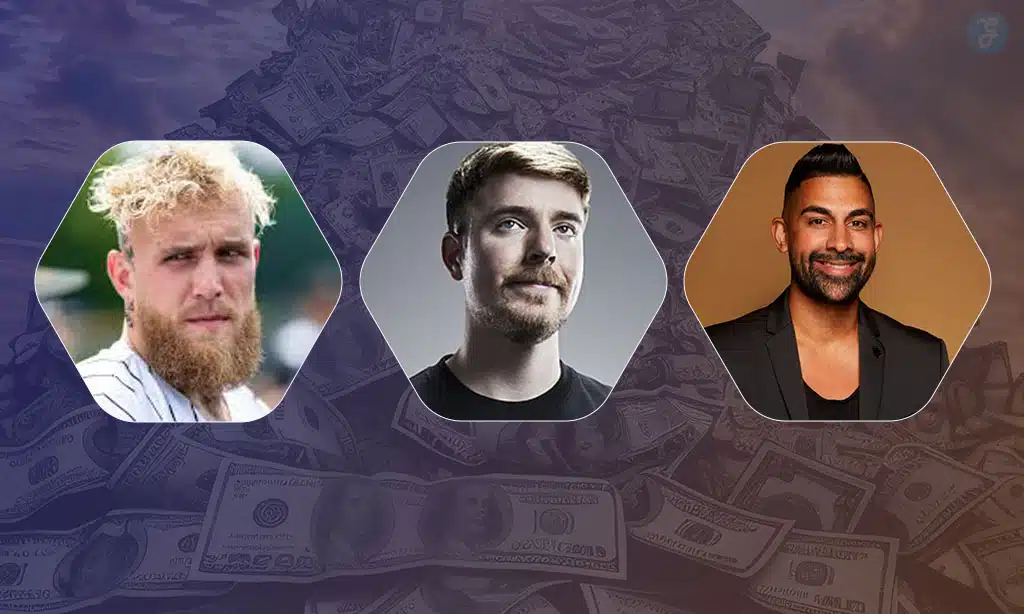
The rise of the richest influencers in the world also reflects a broader shift: audiences trust individuals more than corporations. This trust translates into real commercial power, allowing creators to launch products, secure multi-million-dollar deals, and build loyal global communities. Understanding who leads this landscape offers important insight into how digital media is evolving.
Methodology: How We Ranked the Richest Content Creators 2025
This list is based on annual earnings across 2024–2025 from digital platforms, brand deals, creator-owned businesses, live events, and media projects. “Richest” refers to yearly earnings, not lifetime net worth. Estimates come from publicly reported figures, business disclosures, and industry evaluations. Because creators often operate privately owned companies, earnings are approximate but represent the most credible available assessments.
These ten creators represent a wide mix of niches: extreme challenges, family-friendly moral stories, science education, comedy, podcasting, boxing, and short-form viral content. The diversity of genres shows how broad today’s digital influence has become.
Top 10 Richest Content Creators in the World in 2025
The digital landscape in 2025 is dominated by creators who have transformed their online presence into full-scale businesses. From YouTube giants and TikTok stars to podcasters, comedians, and educators, these individuals represent the new elite of the creator economy. Their earnings offer a clear picture of where digital attention is flowing—and how creator-driven media continues to reshape the global entertainment industry.
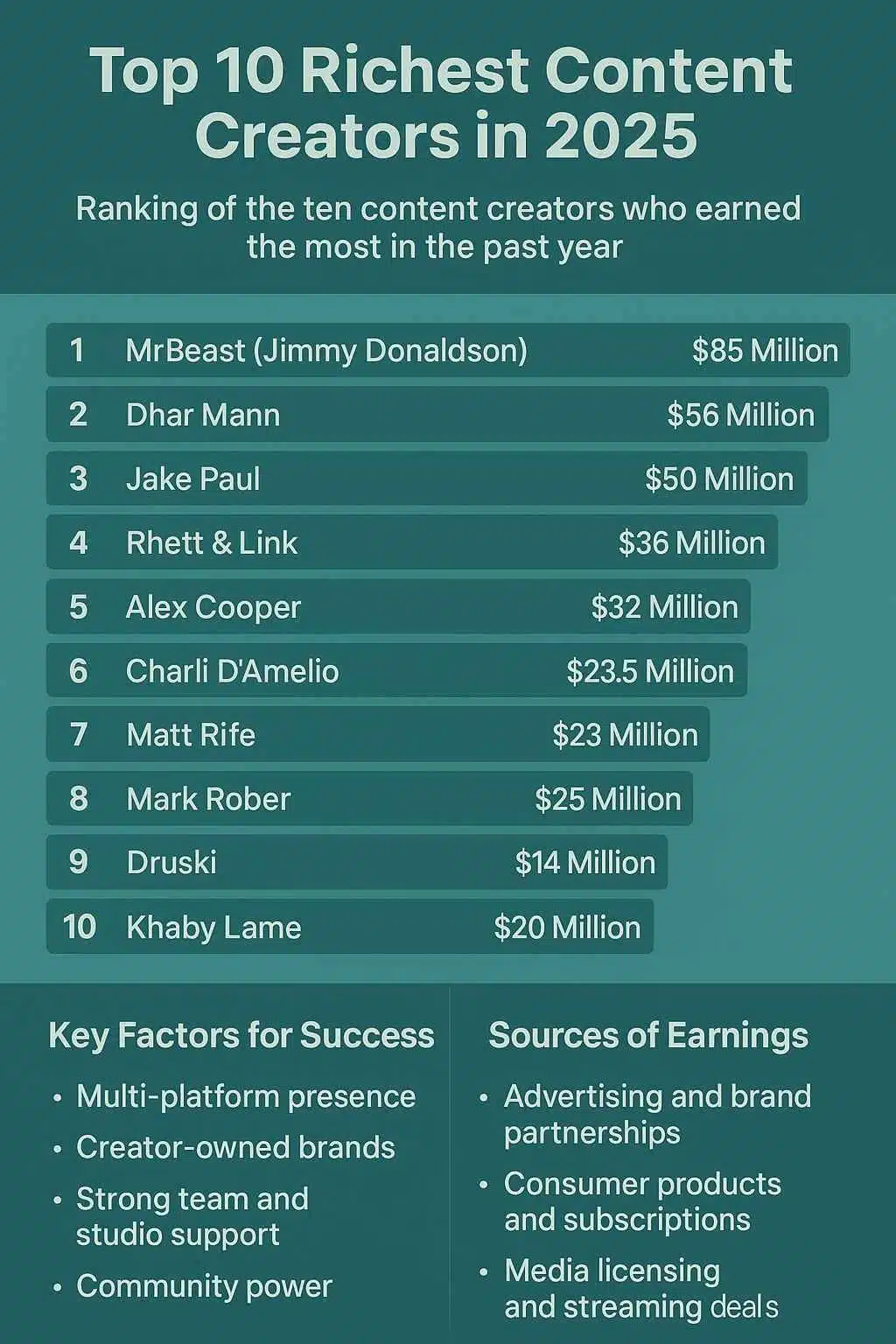
1. MrBeast (Jimmy Donaldson): $85 Million
MrBeast remains the undisputed leader among the richest content creators in 2025. His global following surpasses hundreds of millions, and his content strategy blends high-budget challenges, philanthropy-focused videos, and large-scale entertainment formats. His business empire expands far beyond YouTube, including consumer products, a major snack brand, production studios, and a high-profile streaming game show.
What sets MrBeast apart is his reinvestment philosophy. He pours earnings back into larger productions, which in turn bring larger audiences. His appeal transcends language, making him one of the few creators whose videos dominate globally. In 2025, he stands as the clearest example of a creator evolving into the mainstream entertainment industry.
2. Dhar Mann: $56 Million
Dhar Mann turned moral storytelling into a thriving studio operation. His short films—focused on life lessons, empathy, and social values—are professionally produced and widely shared across YouTube, Facebook, and Instagram. Today, he runs one of the biggest digital-first studios in the world.
His audience spans families, students, and educators, and his production model employs actors, writers, and crew members full-time. Earnings come from advertising, licensing, brand collaborations, and a growing merchandise line. His rise shows how consistent, values-driven content can build a powerful and trusted global brand.
3. Jake Paul: $50 Million
Jake Paul’s transformation from YouTube prankster to athlete and media star continues to pay off. Today he is one of the highest-paid entertainers in combat sports, combining boxing events with major streaming deals, sponsorships, and pay-per-view revenue.
His entertainment company, fight promotions, merchandise, and reality series contribute to his massive annual income. Whether admired or criticized, Jake Paul remains one of the most commercially successful digital creators in the world. His career demonstrates how creators can reinvent themselves and tap into entirely new industries.
4. Rhett & Link: $36 Million
Rhett & Link, hosts of the long-running “Good Mythical Morning,” have built one of the most recognizable creator-led media companies. Their daily show, spin-off content, scripted comedy, live tours, and branded products create a diverse and stable revenue portfolio.
Their strength lies in format ownership and audience loyalty. Over many years, they have developed a consistent identity and a deep community connection. Rhett & Link prove that longevity is achievable in the creator world when content evolves while maintaining a familiar voice and energy.
5. Alex Cooper: $32 Million
Alex Cooper stands out as one of the richest female creators in the world. Her breakout podcast “Call Her Daddy” has grown into a multimedia brand that includes a production company, podcast network, merchandise, and high-profile platform deals.
Her business model is built on IP ownership. Instead of depending on platforms alone, Alex creates and controls her content ecosystem. She is now a dominant figure in the podcasting landscape, often securing multimillion-dollar exclusive distribution agreements and brand partnerships.
6. Charli D’Amelio: $23.5 Million
Charli D’Amelio remains one of the most influential figures in short-form content. She translated her massive TikTok following into broader career opportunities, including fashion partnerships, reality shows, Broadway performances, and equity-based brand ventures.
Her success shows how creators can cross over into traditional entertainment while keeping a strong digital identity. Charli’s appeal to teens and young adults makes her a preferred partner for lifestyle brands, fashion houses, and global advertisers.
7. Matt Rife: $50 Million
Matt Rife’s rise is one of the most impressive stories in recent creator history. His viral comedy clips—especially crowd-work moments—turned him into a global touring sensation. Sold-out stadiums, Netflix specials, and international tours make him one of the richest entertainers online and offline.
What sets Matt apart is how well his digital strategy fuels his live events. Each clip posted on social media triggers new ticket sales, creating a flywheel effect. His combination of stand-up and digital-first marketing illustrates the changing face of modern comedy.
8. Mark Rober: $25 Million
Mark Rober has built a global fanbase around curiosity, engineering, and science education. His background as a former NASA engineer adds credibility, while his content style makes complex ideas fun and accessible.
In addition to massive YouTube success, Mark runs a popular STEM subscription company that offers educational kits for kids and young learners. His work sits at the intersection of entertainment and education, proving that learning-focused creators can reach the top of the earnings ladder.
9. Druski: $14 Million
Druski has become the breakout comedy star of the 2020s. His skits, characters, and playful satire of hip-hop culture earn some of the highest engagement rates in the creator industry. That engagement gives him strong leverage in brand deals, leading to major campaigns with top global companies.
His success shows that creators don’t always need the biggest follower count to earn big. Instead, high engagement and cultural relevance can deliver premium value to advertisers and entertainment partners.
10. Khaby Lame: $20 Million
Khaby Lame, the most-followed TikTok creator in the world, continues to command enormous global influence. His silent comedic reactions, which transcend language barriers, make him uniquely appealing to worldwide audiences.
Khaby has partnered with luxury fashion brands, tech firms, and global consumer products. His content simplicity is part of his power—proof that authenticity and relatability can outperform complex production.
What These Creators Have in Common
Across the list of the richest influencers in the world, several patterns stand out:
1. Multi-Platform Presence
None of the top creators relies on one platform. They diversify across YouTube, TikTok, Instagram, podcasts, live shows, streaming platforms, and traditional media.
2. Creator-Owned Brands
Many operate successful product lines or media entities—Feastables, CrunchLabs, podcast networks, fashion collabs, and merchandise-driven brands.
3. Strong Team and Studio Support
Behind every top creator is a professional production team. High-quality content and consistent scheduling require staff, writers, editors, producers, and managers.
4. Community Power
These creators build loyal communities, not just viral moments. That loyalty leads to stable long-term revenue.
Where the Money Comes From in 2025
Earnings in the creator economy now come from multiple sources:
Advertising and Brand Partnerships
Still core to creator income, especially for large followings.
Consumer Products and Subscriptions
Snacks, beverages, fashion lines, STEM kits, and membership platforms contribute recurring revenue.
Media Licensing and Streaming Deals
Exclusive platform partnerships, special appearances, and streaming shows raise earnings significantly.
Live Events and Touring
Comedy shows, live podcast tours, boxing matches, and fan events drive massive real-world revenue.
The Future of the Creator Economy
As AI tools improve content production and personalization, creators are producing more, faster, and with higher quality. But competition is rising too. Earnings may increasingly concentrate at the top, yet new niches continue to appear every year.
Brands are also evolving their approach. Instead of one-off sponsorships, companies are striking long-term partnerships, equity deals, and collaborative product launches with creators.
For the next generation of creators, the key lessons are clear: diversify revenue streams, own your IP, understand your audience deeply, and build a team that supports consistent output.
Final Thoughts
The list of the richest content creators 2025 reflects a digital landscape that is more dynamic and more competitive than ever. These creators are redefining celebrity, entrepreneurship, and entertainment. They show that powerful storytelling, consistent output, and strategic brand building can turn online influence into global business empires.
Their success also signals where the future of media is heading. In 2025, creators are no longer just part of the entertainment industry—they are leading it.