

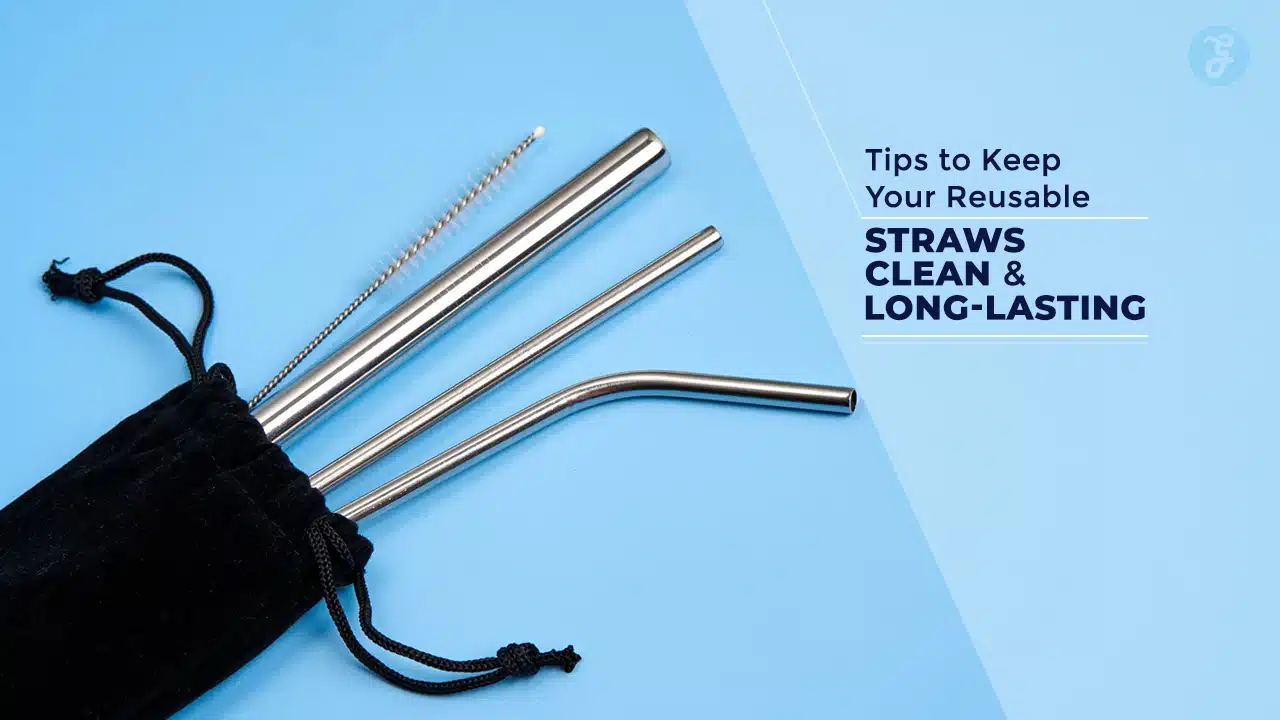
Reusable straws have become a popular choice for environmentally conscious individuals looking to reduce single-use plastic waste. Whether made of metal, silicone, glass, or bamboo, these straws are durable and eco-friendly, making them an excellent alternative to disposable options.
However, simply owning reusable straws isn’t enough to ensure they remain hygienic and effective. Without proper care, they can accumulate bacteria, develop unpleasant odors, or even deteriorate over time.
This guide provides essential reusable straw cleaning tips to help you keep your straws clean, safe, and long-lasting. From daily cleaning routines to weekly maintenance and proper storage, we’ll cover all the best practices you need to adopt for a sustainable and healthy lifestyle. With just a little effort, you can extend the lifespan of your reusable straws while continuing to support the environment.
Why Proper Care for Reusable Straws is Essential
Reusable straws require consistent cleaning and maintenance to remain hygienic and durable. Let’s explore why this is so important:
Hygiene Concerns
Straws can quickly accumulate residue from liquids, which can lead to bacteria and mold growth. Bacteria like E. coli and mold spores thrive in moist environments, making it crucial to clean reusable straws thoroughly after each use. Cleaning them ensures you’re drinking from a safe and clean straw every time.
Durability
Proper care prevents wear and tear, ensuring your straws last for years. Metal and glass straws are particularly durable, but they still need protection against corrosion or scratches. Neglecting care can cause damage, especially for more delicate materials like bamboo or silicone.
Environmental Impact
Reusable straws are eco-friendly because they reduce waste. By taking good care of them, you avoid frequent replacements, minimizing your environmental footprint even further. This contributes to the global effort of reducing plastic pollution.
5 Reusable Straw Cleaning Tips for Everyday Use
1. Clean After Every Use
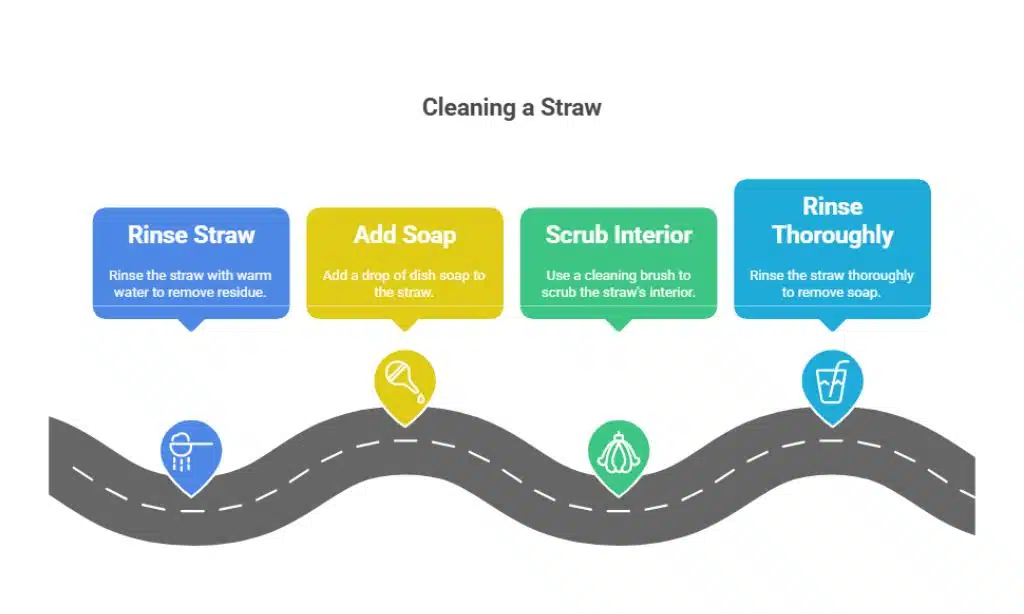
Cleaning your reusable straws immediately after use prevents residue from hardening inside. This habit reduces the risk of bacterial buildup and makes cleaning easier.
How to Clean:
- Rinse the straw with warm water as soon as possible. This removes fresh residue and prevents it from drying out.
- Add a small drop of dish soap and scrub the interior using a straw cleaning brush. Ensure the brush reaches all areas of the straw.
- Rinse thoroughly to remove all soap and residue, leaving the straw clean and ready for its next use.
Pro Tip:
Carry a portable cleaning kit for on-the-go cleaning if you use your straws outside. These kits often include a small brush and a collapsible container for water.
Benefits:
- Prevents buildup of harmful bacteria.
- Keeps your straw ready for the next use without additional cleaning effort.
2. Use a Straw Cleaning Brush

A straw cleaning brush is an essential tool for maintaining reusable straws. It’s designed to reach the inner surfaces, ensuring a thorough clean.
How to Use a Straw Brush:
- Wet the brush and apply a small amount of dish soap.
- Insert the brush into the straw and scrub gently back and forth. This motion helps dislodge any residue stuck inside.
- Rinse the straw under running water to remove soap and loosened debris.
Pro Tip:
Choose a brush with soft bristles to avoid scratching the inside of your straw, especially for glass or metal varieties. Brushes with sturdy handles and durable bristles last longer and make cleaning easier.
| Material | Brush Type | Reason |
| Metal | Soft bristle brush | Prevents scratches and corrosion. |
| Glass | Soft silicone brush | Reduces risk of breakage. |
| Silicone | Regular brush | Flexible and easy to clean. |
| Bamboo | Natural fiber brush | Gentle on organic material. |
3. Avoid Harsh Cleaning Agents
Harsh chemicals can damage certain materials like silicone or bamboo and may leave harmful residues behind. Instead, use gentle cleaning solutions.
Recommended Cleaning Agents:
- Mild dish soap: Safe for all materials and effective against grease and residue.
- Natural cleaners: White vinegar, baking soda, or lemon juice provide gentle but thorough cleaning without harsh chemicals.
Steps for Gentle Cleaning:
- Mix warm water with a few drops of mild soap.
- Scrub with a cleaning brush, ensuring the soap reaches all areas.
- For stubborn odors or stains, soak the straw in a solution of water and white vinegar for 15 minutes.
Pro Tip:
Avoid bleach, strong chemical detergents, or abrasive powders. These can degrade the material over time and may leave residues that affect taste.
| Cleaning Agent | Use Case | Caution |
| Dish Soap | Everyday cleaning | Avoid overuse of bamboo materials. |
| Vinegar + Water | Removing odors and bacteria | Do not over-soak bamboo. |
| Baking Soda + Water | Removing stubborn stains | Rinse thoroughly to avoid residue. |
4. Deep Clean Weekly
In addition to daily cleaning, a weekly deep clean ensures any hidden residue or bacteria is removed. This step is especially important if you use your straw for thick liquids like smoothies or milkshakes.
Methods for Deep Cleaning:
- Hot Water and Vinegar Soak: Combine equal parts hot water and white vinegar. Submerge the straw for 15-20 minutes to loosen debris and kill bacteria.
- Dishwasher (If Applicable): Place the straw securely in the dishwasher if it’s labeled as dishwasher-safe. Use a high-temperature setting for the best results.
Pro Tip:
Add a few drops of lemon juice during the soak for a fresh scent and natural antibacterial effect. This also helps eliminate lingering odors from drinks like coffee or tea.
| Straw Type | Deep Cleaning Method | Notes |
| Metal | Hot water soak or dishwasher safe | Rust-resistant varieties recommended. |
| Silicone | Vinegar soak or mild detergent wash | Avoid prolonged exposure to heat. |
| Glass | Hand wash with gentle scrubbing | Handle with care to avoid breakage. |
| Bamboo | Soak briefly in mild soapy water | Ensure thorough drying to prevent mold. |
5. Store Properly
Storing your reusable straws correctly is as important as cleaning them. Improper storage can lead to mold growth, warping, or other damage.
Best Practices for Storing Straws:
- Dry Thoroughly: Ensure straws are completely dry before storing to prevent mold and mildew. Use a drying rack if needed.
- Use a Ventilated Container: Store straws in a breathable pouch or open container to allow air circulation.
- Avoid Humidity: Keep your straws away from humid environments like bathrooms. Excess moisture can damage bamboo and encourage bacterial growth.
Pro Tip:
Designate a dedicated storage pouch or container for your straws to keep them organized and easy to access. Look for eco-friendly storage solutions to match your sustainability efforts.
Types of Reusable Straws and Their Care Requirements
| Straw Type | Cleaning Tips | Durability Tips |
| Metal | Use a brush; avoid harsh scrubbing | Store dry to prevent corrosion. |
| Silicone | Rinse after use; deep clean weekly | Keep away from direct sunlight. |
| Glass | Use a soft brush to avoid scratches | Handle with care to avoid breaking. |
| Bamboo | Handwash only; avoid soaking too long | Dry thoroughly after cleaning. |
Common Mistakes to Avoid When Following Reusable Straw Cleaning Tips
- Using Boiling Water on Non-Heat-Resistant Materials: This can warp silicone or damage bamboo.
- Forgetting to Clean Immediately After Use: Residue hardens, making it harder to remove.
- Neglecting Weekly Deep Cleaning: Hidden residue can lead to odors or bacterial buildup.
- Using Abrasive Tools: These can scratch or weaken the material.
Benefits of Properly Maintaining Reusable Straws
- Improved Hygiene: Ensures safe, bacteria-free use.
- Cost Savings: Proper care extends the life of your straws, reducing the need for replacements.
- Environmental Impact: Long-lasting straws mean less waste, supporting sustainability goals.
Takeaways
Maintaining reusable straws doesn’t have to be challenging, but it does require consistency and the right methods. By implementing these reusable straw cleaning tips, you can ensure your straws remain hygienic, durable, and eco-friendly for years to come. Regular cleaning after use, weekly deep cleaning, and proper storage practices all play a significant role in keeping your straws in peak condition.
Caring for reusable straws is more than just a practical habit—it’s a step toward promoting a healthier planet and a sustainable lifestyle.
By sharing these tips with others, you encourage a broader commitment to reducing waste and adopting environmentally responsible choices. Together, we can make small changes that lead to a significant impact on our world.





















