

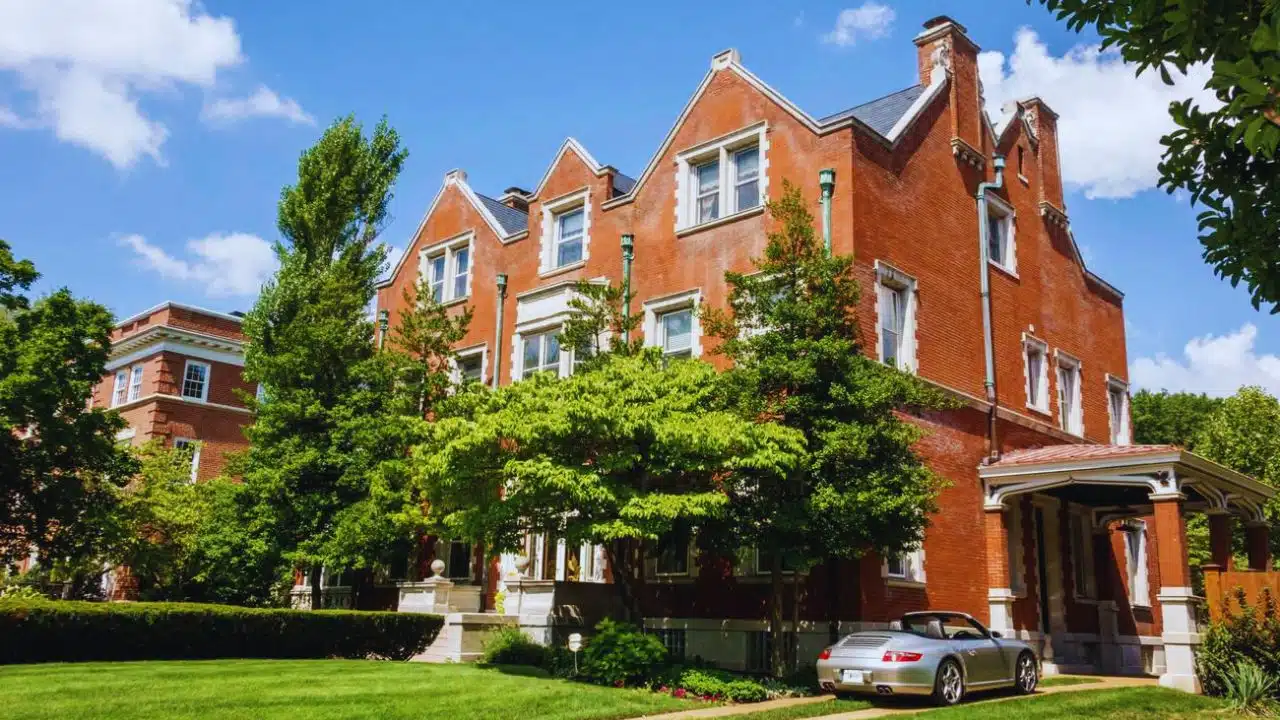
Whether you’re looking to design your home, plan renovations, or simply enhance your architectural knowledge, understanding key residential architecture terms is essential. These terms help you articulate your vision and communicate effectively with architects, builders, and designers.
Here are 15 fundamental architectural terms that every homeowner should know and their significance in residential architecture.
1. Cupola
A small, dome-shaped dome sits atop a building, adding functionality and aesthetic appeal. Historically, cupolas served as lookouts and provided ventilation, allowing fresh air to circulate within the structure below.
Often seen on barns and traditional homes, they can vary in design from simple to elaborate, incorporating windows or louvers. The architectural element traces its origins to Renaissance architecture, where it was prominently used to crown buildings, lending them a distinctive and classic silhouette.
In modern architecture, cupolas continue to be a popular choice for adding a charming and historical touch to roofs, enhancing the overall visual interest of the building.
2. Veranda
A veranda is an open-air porch or gallery with a roof, usually wrapping around the front or sides of a house. Unlike a standard porch, a veranda typically extends along the length of a building, offering ample outdoor living and entertaining space.
Verandas are standard in warm climates and add charm and functionality to residential exteriors. They provide a seamless transition between indoor and outdoor living spaces, allowing homeowners to enjoy fresh air and scenic views while being sheltered from the elements.
Adding a veranda can significantly enhance a home’s curb appeal, making it an inviting and versatile feature for any architectural style.
3. Eave
The eave is the edge of the roof that projects beyond the house’s walls, playing a crucial role in protecting the structure from weather damage. Eaves help direct rainwater away from the walls and foundation, reducing the risk of water infiltration and subsequent damage.
Properly designed eaves can also provide window shading, helping keep the interior cool during hot weather. In addition to their functional benefits, eaves add a finished look to the roofline, contributing to the home’s overall aesthetic.
They are integral to various roof designs, including gable, hip, and mansard roofs, each providing unique benefits and visual appeal.
4. Bay Window
A bay window extends outward from the main walls of a house, creating a cozy nook inside and adding architectural interest to the exterior. Typically consisting of a large central window flanked by two smaller windows angled toward the wall, bay windows allow more natural light to enter a room.
They provide panoramic views and can be used to create charming reading or seating areas. Bay windows also enhance the sense of space within a room, making it feel larger and more open.
Adding a bay window can significantly improve a home’s functionality and aesthetics, making it a popular feature in many architectural styles.
5. Gable
A roof is the triangular portion of a wall between the edges of a sloping roof. Gable roofs have two sloping sides that meet at a ridge, forming end walls with gables. This design is famous for its simplicity, adequate water drainage, and additional attic space.
Gables also contribute to the overall aesthetic of traditional and contemporary homes. They allow for better ventilation in the attic and can accommodate loft spaces or additional rooms. The clean lines and classic appeal of gable roofs make them a timeless choice in residential architecture.
6. Board and Batten
Board and batten is a siding and paneling style featuring vertically wide boards with narrow battens covering the seams. This technique adds texture and visual interest to exterior and interior walls, creating a rustic yet refined look.
It is commonly used in farmhouses and cottage-style homes. Board and batten can also add vertical lines to a structure, making it appear taller and more stately.
This versatile siding style can be painted or stained to suit various architectural styles, enhancing a home’s overall character and charm.
7. Turret
A turret is a small tower that projects from the wall of a building, typically extending vertically from the ground to the roof. Inspired by medieval architecture, turrets add a whimsical and historical element to homes, often seen in Victorian and Gothic Revival styles.
They provide unique spaces for studies, reading rooms, or cozy nooks. Turrets enhance the overall aesthetic of a house, giving it a fairy-tale-like appearance and creating an intriguing focal point.
Adding a turret can transform a standard home into a distinctive and enchanting residence, reflecting the homeowner’s appreciation for classic architectural features.
8. Portico
A portico is a small porch leading to the entrance of a building, often supported by columns. Porticos add a grand and welcoming entrance to homes, providing shelter from the elements for those entering or exiting.
They are a hallmark of classical architecture, lending an air of elegance and tradition. Porticos can vary in size and style, from simple and understated to elaborate and decorative, depending on the home’s architectural style.
Adding a portico can enhance a residence’s curb appeal and overall aesthetic, making it a prominent feature in many architectural designs.
9. Parapet
A parapet is a low wall or railing along the edge of a roof, balcony, or terrace. Parapets are extensions of the wall and project slightly above the roofline.
They are safety barriers and protect the roof from wind, water, and debris. In addition to their functional role, parapets can enhance the architectural detail and style of a building.
Modern and minimalist designs often use them to create clean lines and a sleek appearance. Including a parapet can add both safety and visual interest to a home’s design, making it a practical and attractive feature.
10. Facade
The facade is the front or face of a building, often the most decorative, and faces the street. It sets the tone for the architectural style and character of the home. A well-designed facade enhances curb appeal and provides the first impression to visitors and passersby.
Facades can include elements like windows, doors, and decorative details and are often designed to reflect the overall theme and style of the home. The facade is a crucial aspect of a building’s exterior, showcasing the architectural vision and craftsmanship of the designer.
11. Dormer
A dormer is a window that projects vertically from a sloping roof, creating additional headroom and space in the upper floors or attic.
Dormers add architectural interest and allow natural light and ventilation into otherwise dark and cramped spaces. They come in various styles, including roof, shed, and hipped dormers.
Dormers can transform an attic into a functional living space, such as a bedroom, office, or playroom. The addition of dormers can significantly enhance both the exterior appearance and interior functionality of a home.
12. Wainscoting
Wainscoting is a decorative wall treatment that covers the lower portion of a wall. It adds texture and visual interest, often seen in dining rooms, hallways, and bathrooms. Wainscoting can protect walls from scuffs and marks in high-traffic areas and is available in styles such as raised-panel, flat-panel, and beadboard.
It is a versatile design element that can be painted or stained to complement a room’s decor. Wainscoting can elevate a space’s aesthetic appeal, adding a touch of elegance and sophistication.
13. Colonnade
A colonnade is a row of evenly spaced columns supporting a structure, such as a covered walkway or porch. Colonnades add a classical and dramatic architectural element to both exteriors and interiors.
They create a sense of grandeur and can be used to define spaces or support extended roof structures. Colonnades are often utilized in grand entryways, gardens, and courtyards to create a formal and elegant atmosphere.
An arcade can transform a simple space into a visually stunning and architecturally significant area.
14. Cornice
A cornice is a horizontal decorative molding that crowns a building or interior room. Cornices can be found on eaves, where the roof meets the wall, or at the top of interior walls, where they meet the ceiling.
They add a finishing touch to the architectural design, creating a transition and adding detail to the structure. Cornices can be simple, modern, elaborate, or ornate, depending on the architectural style. Using cornices can enhance a home’s overall aesthetic, adding a touch of elegance and refinement.
15. Balustrade
A balustrade is a railing system comprising a row of balusters (small columns) topped by a rail. Balustrades are used on staircases, balconies, porches, and terraces. They serve both a functional role, providing safety and support, and an aesthetic one, adding elegance and architectural detail to the home.
Fences can be made from various materials, including wood, metal, and stone, and can be designed to match the style of the house. Including a fence can enhance the visual appeal and safety of a home’s design, making it a practical and attractive feature.
Final thoughts
Familiarizing yourself with these architectural terms can empower you to make informed decisions about your home’s design and renovation projects.
Understanding the language of architecture helps you communicate your vision clearly and effectively with professionals, ensuring that your home reflects your style and meets your functional needs.
Whether planning a new build, remodeling, or simply exploring architectural styles, these terms provide a solid foundation for your journey into residential architecture.






















