


Picking a home can feel like chasing a moving target. Property technology moves fast, with AI assistants, VR and AR tours, and IoT devices popping up everywhere. You may feel swamped by data analytics, app alerts, or new property management software.
Many investors just want clear steps.
Fractional ownership platforms now let buyers own a slice of a building for a few hundred dollars. This post lists seven PropTech trends, from predictive analytics to digital contracts and energy-efficient systems.
You will learn to use big data, cloud computing, and eSigning to make smart choices. Read on.
Key Takeaways
- Fractional investment platforms let investors buy stakes in buildings for a few hundred dollars. They use cloud computing, blockchain smart contracts, AI chat assistants, drone imagery, and predictive analytics. Investors trade shares on secondary markets.
- AI-powered assistants handle leads in real time and chatbots answer up to 80% of tenant queries. They forecast market shifts with predictive analytics and help agents price homes. Companies cut marketing costs by 30% and automate contract drafts with eSigning in minutes.
- Peer-to-peer platforms like PeerStreet and Fundrise processed 35,000 deals and moved over $2.3 billion in assets in 2022. They drove a 27% growth in user sign-ups. A New York teacher saw a 10% yield in six months on one investment.
- IoT sensors on HVAC, plumbing, and roofs cut emergency repair costs by up to 30% and shrink vacancy rates by 20%. They link to cloud software, trigger instant alerts, and feed data to digital twins. Managers spot wear and tear early with predictive analytics.
- Digital contracts and eSigning now power 68% of real estate firms. Smart contracts on blockchain trigger payments once tenants meet terms. Platforms link DocuSign, AWS, and QuickBooks for listings, contracts, and payments in one dashboard.
Emergence of Fractional Investment Platforms
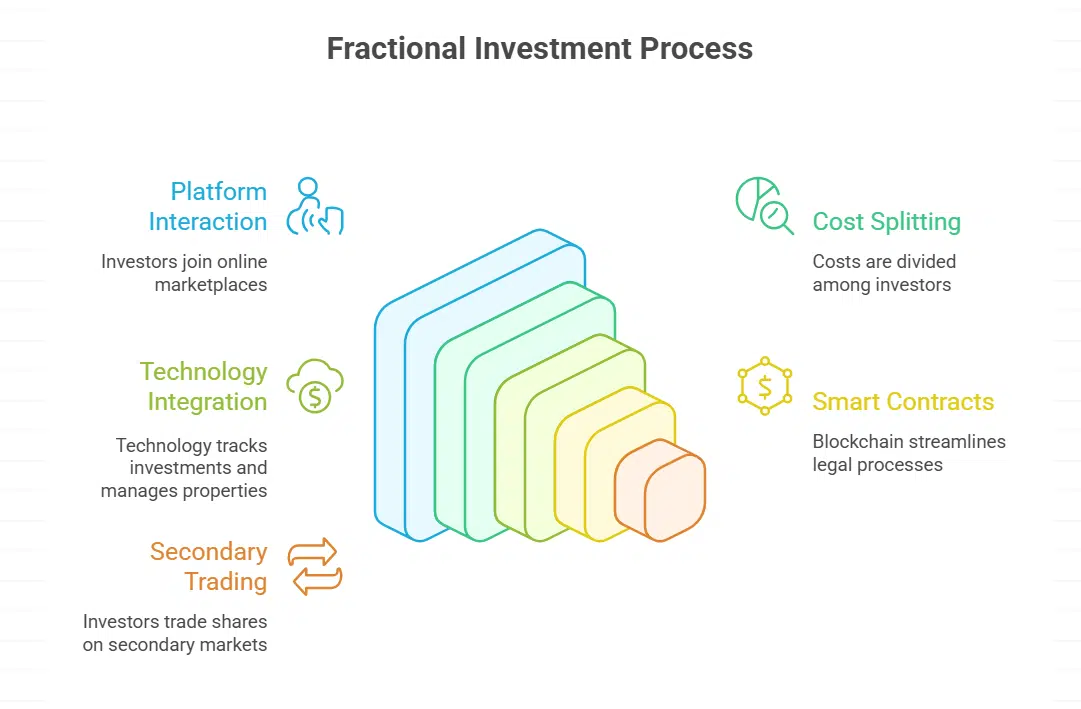
Investors tap fractional ownership platforms to buy small stakes in real estate without huge sums. They join online marketplaces and split costs on multi-family units, office blocks, or storage warehouses.
Property technology drives these sites, using cloud computing and property management software to track every dollar, send digital signatures, and run predictive analytics for valuation.
Smart contracts on blockchain cut legal work, speed up deals, and boost audit trails. Owners trade shares on secondary markets so they can sell a stake before a building sells. AI chat assistants answer user questions, drone images give aerial views, and smart thermostats feed energy data into analysis tools.
This mix gives investors a crisp, data-driven view of risks and potential rewards.
AI-Powered Real Estate Assistants
AI assistants use machine learning techniques to manage leads in real time, chatbots engage buyers around the clock. These digital helpers link with cloud based property management software, and push notifications through mobile apps.
Agents gain predictive analytics to forecast market shifts and price homes with precision. The systems tap into recommendation algorithms to personalize property searches. AI chatbots handle tenant queries up to 80 percent, freeing up time for human agents.
Enterprises see a jump in customer experience scores and faster digital transformation. Valuation modules adjust estimates based on big data analytics from public records and IoT usage patterns.
Smart assistants automate contract drafts, embed eSigning, and secure digital signatures within minutes. Mobile apps alert owners as soon as a maintenance request pops up, a chatbot coordinates the repair crew using IoT sensors.
These tools boost tenant satisfaction and slash vacancy time. Proptech platforms harvest aerial imagery from unmanned aerial vehicles, feed it into AI models for sharper listings. Firms that adopt these systems cut marketing costs by 30 percent and tailor ads to target audiences with surgical precision.
Cloud hosting platforms store all data, and developers update bots with new rules in seconds.
Virtual Tours Using VR and AR Technology
Agents create virtual property tours with VR headsets and Microsoft HoloLens. Tours stream through cloud platforms for smooth playback on phones or desktops. They layer augmented reality overlays on floors and walls, so viewers can swap furniture with a tap.
Drones collect high quality aerial images of rooftops and yards. Then agents stitch those shots into a digital model of the lot. Investors inspect solar panels and tile work without leaving home.
Virtual reality tours cut travel time for buyers, and they boost tenant satisfaction. Platforms use artificial intelligence and recommendation systems to suggest nearby coffee shops or green parks.
Apps run on mobile devices or wearables, they tap internet of things networks to sync energy data. Viewers can check real time energy consumption of solar panels on a dashboard. They let rental managers respond fast to viewing requests.
This trend marks one of the most talked about proptech innovations in 2024.
Growth of Peer-to-Peer Real Estate Platforms
Peer-to-peer real estate platforms connect buyers and sellers directly, cutting out middlemen. Investors can launch a deal on their phone, set up an e-wallet, and apply a digital signature in minutes.
Platforms like PeerStreet and Fundrise moved over $2.3 billion in assets in 2022, and processed 35,000 deals, according to RealtyMogul reports. These services use smart contracts on a cloud network to lock in terms, boosting transparency.
Mobile apps fuel on-the-go deals, while predictive analytics flag hot neighborhoods. A New York teacher, Lisa, saw a 10 percent yield in six months on one site. Some sites pair aerial robot video with virtual tours to show rooftops and backyards, in crisp 4K.
AI chatbots guide first-time landlords, and property management software tracks rent payments, maintenance requests, energy-efficient systems, and IoT sensors. This DIY style of real estate investment drove a 27 percent growth in user sign-ups last year.
Smart IoT Property Maintenance Solutions
IoT sensors link directly to property software on the cloud. They collect data on HVAC units, plumbing lines, and roofs. The software triggers instant alerts for leaks, temperature spikes, or power failures.
Maintenance teams see issues in minutes, not days. A 2023 survey shows smart sensors cut emergency repair costs by up to 30 percent. Managers tap predictive analytics to spot wear and tear early.
AI agents route work orders to on-call technicians, speeding fixes. Drones scan roofs and facades, feeding images to cloud servers for visual analysis. They feed data into property management software, so owners act fast.
Smart valves and climate sensors balance heating, cooling, and water flow. They sync with renewable energy sources like solar panels, boosting energy efficiency. Property owners track power use on dashboards, spotting spikes fast.
These tools feed data to digital twins for virtual building models. Teams cut waste, lower utility bills, and meet net-zero targets. They prove green building claims, pleasing investors and regulators.
IoT devices also tie into AI assistants for real-time guidance. Home automation apps handle voice control, remote access, and tenant alerts.
Big Data Analytics and Predictive Modeling
PropTech teams run Apache Hadoop jobs and machine learning scripts in Python and Pandas. They load tens of millions of entries on property management, sales, rental rates, and tenant feedback.
A Tableau dashboard then shows price spikes by neighborhood and seasonal swings. This approach taps cloud computing power and property management software insights. Drones add aerial images to charts, boosting model accuracy.
Heat maps predict value gains or drops six months ahead. Predictive analytics shrink vacancy rates by up to 20 percent. Investors spot deals likely to earn 15 percent gains within a year.
Zillow and Roofstock refine property valuation models using these forecasts. AI-powered real estate automation scripts manage maintenance requests and monitor energy use in smart homes.
All-in-One Real Estate Transaction Platforms
All-in-one platforms let brokers handle listings, contracts and payments in one software. They link DocuSign for digital signatures on desktop or mobile. They tap Amazon Web Services for cloud computing power and offer Android and iOS apps for on-the-go updates.
Agents track rental property management, tenant satisfaction and maintenance requests in the same dashboard.
AI chatbots like ChatGPT speed up client chats and run basic due diligence tasks. The software syncs with Intuit QuickBooks to automate accounting entries. It uses predictive analytics to forecast market shifts and to fine-tune property valuation models.
The Role of Sustainability in PropTech
Smart sensors track energy use in real time. AI-powered property management software flags inefficiencies before they raise bills. Predictive analytics forecast maintenance needs and extend equipment life, which cuts waste.
Cloud computing and mobile apps let managers check systems on phones, so they fix small leaks fast. Drones scan roofs for solar panel health, which makes upgrades cheaper. Fractional ownership platforms channel funds into green technologies, so investors share both cost and benefit.
VR and AR let buyers take virtual property tours, which cuts travel emissions and boosts tenant satisfaction. Real estate automation speeds document flow with eSigning, so people skip paper forms.
Maintenance requests go to mobile apps, which auto-route tasks to teams and track their progress. Smart grids link solar panels with building systems, so occupants enjoy lower bills and smaller carbon footprints.
Property valuation now factors in energy efficiency scores, which gives green homes higher prices. Proptech startups drive these trends, so investors tap both profit and purpose.
Enhanced Rental Property Automation

Automation within property management software guides tenants through digital maintenance requests, sending confirmations in seconds. IoT sensors detect water leaks and HVAC faults, then alert managers automatically via mobile apps.
AI chatbots answer tenant queries, freeing staff for tougher issues. Cloud dashboards compile energy data and run predictive maintenance alerts for AC systems before failures. Property technology ties these tools into one dashboard, so managers use real estate automation for maintenance team tracking and digital signatures on the go.
This integrated setup cuts emergency fixes, reduces energy consumption, and boosts tenant satisfaction.
Adoption of eSigning and Digital Contracts
Landlords and agents sign leases in minutes with digital signatures on cloud platforms and mobile apps. Smart contracts on blockchain trigger payments once tenants meet all terms. Teams cut paper costs and speed up closings in rental property management.
Buyers tap into property management software to review and sign offers fast.
Property management software links eSigning across listings, inspections, and renewals. A 2023 survey found 68% of real estate firms use digital signatures for contract work. Agents track signed agreements online and share copies in seconds.
Lenders and title companies accept eDocs in commercial real estate deals.
Future Outlook for PropTech in Real Estate
Fractional ownership platforms let investors buy slices of commercial real estate. AI assistants guide buyers through personalized property tours. Headsets and AR interfaces will power virtual and augmented reality showings.
Drones will record aerial images for sharper marketing visuals. AI-driven property management software will sync IoT sensors and maintenance team tracking. Cloud computing and mobile apps speed up data access for on-the-go managers.
Digital signatures and smart contracts will seal deals in seconds.
Property technology for rental management will slash response times on maintenance requests. Proprietary advertising tools will target buyers with focused campaigns. Predictive analytics will forecast market shifts, guide diversification, and improve property valuation.
Personalization engines will match tenants to smart homes that save energy. Environmental, social, and governance filters will shape sustainable living options. Proptech startups will blend cloud computing, AI, and apps into one dashboard.
Wearable tech and IoT devices will boost tenant satisfaction and operational efficiency.
Takeaways
As the real estate sector continues to embrace technology, staying informed about the latest PropTech trends is no longer optional—it’s essential for making smarter, future-proof investments. From AI-driven property valuations and blockchain-powered transactions to immersive virtual tours and sustainable smart buildings, these innovations are reshaping how investors identify opportunities, evaluate risks, and maximize returns.
By understanding and leveraging these emerging PropTech solutions, you can position yourself ahead of the competition and make data-driven decisions that align with market demands. Whether you’re a seasoned investor or taking your first step into real estate, keeping a close watch on these trends will help you navigate the industry with confidence and precision.
FAQs on PropTech Trends To Watch Before Property Investment
1. What are the top proptech trends to watch before you invest in your next property?
Predictive analytics gives you sharp data forecasts, thanks to llms that are busy analyzing data. Virtual property tours offer true immersion, like a magic carpet ride through a home. Augmented reality (ar) apps overlay designs on real walls. Smart building gear ties devices via the internet of things (iot) for live visualizations. Property management software, user-friendly and robust, automates chores and cuts costs.
2. How does predictive analytics improve property valuation?
It works like a crystal ball, sifting past sales and market shifts to nail down price ranges. The tool runs analyzing data with llms and smart models. It spots patterns you might miss. It cuts guesswork. You get a clearer property valuation in minutes.
3. Can artificial intelligence (ai) and real estate automation boost tenant satisfaction?
Yes, ai chatbots answer tenant inquiries around the clock, no sleeping on the job. Real estate automation handles maintenance requests fast, and it speeds up maintenance team tracking. No more waiting days for a fix. Your renters stay happy. That raises tenant satisfaction and keeps your building in top shape.
4. How do smart homes and iot devices help reduce energy consumption?
Smart homes, using smart home technology, let you control lights, heat, and cooling with one tap. The internet of things (iot) links sensors and appliances, so they talk to each other. Energy-efficient systems, like smart thermostats, learn your routine and deliver solid energy savings. This boosts energy efficiency across the property. You cut waste, protect the planet, and trim bills.
5. How do digital signatures and smart contracts streamline commercial real estate deals?
Digital signatures let you sign papers on a phone, no printer needed. Smart contracts, coded agreements, automate clauses and trigger payments on close. Many proptech startups build these real estate automation tools. They are user-friendly. You slash days off your commercial real estate deal and clear red tape.
6. What does fractional ownership mean for rental property management?
Fractional ownership lets investors share a property, each holding a slice. You pool cash to buy a top rental together. Property management software, with in-house support, handles tenant find, rent collection, maintenance, and inventory management. You split costs and share profits. It feels like co-ownership but with pros doing the daily work.
























