

Spring is the season of renewal, and your garden is no exception. After a long winter, your outdoor space will need some extra attention to ensure it’s ready for a flourishing and vibrant growing season.
Whether you’re an experienced gardener or a beginner, preparing your garden for spring is essential to setting the stage for a healthy and productive year.
In this comprehensive guide, we provide 20 expert tips to help you prepare your garden, ensuring that your plants and soil are in optimal condition for the coming months.
1. Clear Debris from the Garden Beds
The first step to preparing your garden in spring is a thorough cleanup.
Winter often leaves behind fallen leaves, twigs, and other debris that can hinder plant growth and provide shelter for pests.
A clean garden bed allows your plants to receive adequate sunlight, water, and air circulation.
How to implement:
Begin by removing dead leaves, old plant matter, and any debris that has accumulated over winter.
Use a rake or garden fork to gently loosen and clear the surface.
If any perennials were left standing through winter, cut them back to make room for fresh growth.
Discard diseased plant material, but compost healthy organic matter to recycle nutrients back into your garden.
Why it’s important:
Debris can harbor diseases and pests that may harm new plant growth.
Clearing the garden bed ensures a fresh and healthy environment for your spring plants to thrive.
2. Test and Amend Your Soil
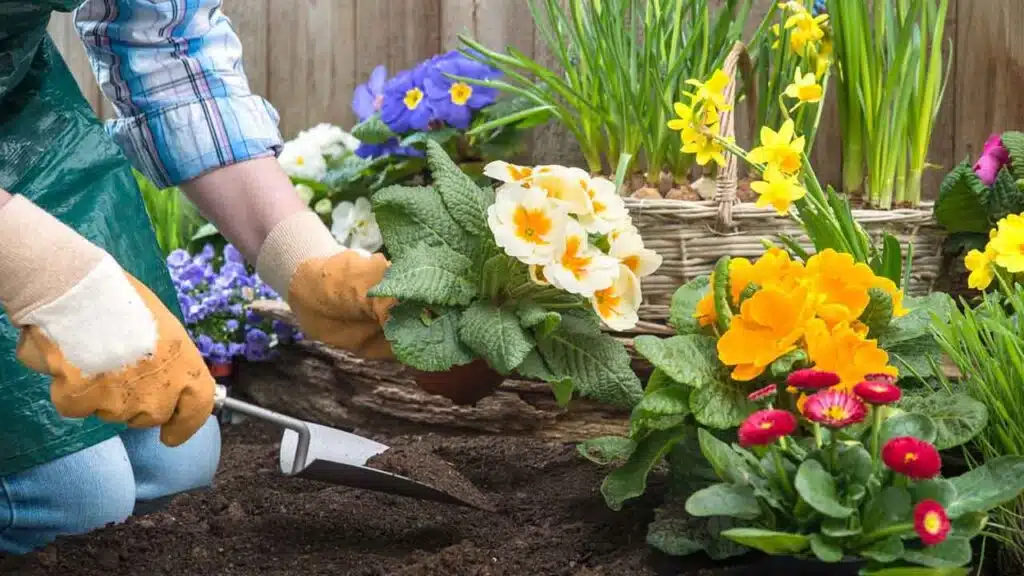
Healthy soil is the foundation of a thriving garden.
Over winter, the soil may lose essential nutrients, become compacted, or experience pH imbalances.
Testing your soil allows you to determine its composition and make necessary amendments before the growing season begins.
How to implement:
Purchase a soil testing kit from your local garden center or send a sample to a lab for detailed analysis.
The results will provide information on the soil’s pH levels and nutrient content.
Depending on the results, you can amend the soil with compost, organic matter, lime (to raise pH), or sulfur (to lower pH) to create the ideal growing conditions for your plants.
Why it’s important:
Soil that is too acidic, too alkaline, or lacking in nutrients can stunt plant growth and reduce yields.
By testing and amending the soil, you ensure that your plants have the right environment to grow strong and healthy.
3. Add Compost to Enrich the Soil
Compost is one of the best ways to enrich your garden soil.
It adds essential nutrients, improves soil structure, and helps retain moisture—key factors in supporting healthy plant growth.
How to implement:
Spread a 2-3 inch layer of compost over your garden beds and work it into the top 6-8 inches of soil using a garden fork or tiller.
If you have your own compost pile, now is the time to use it.
If not, bagged compost from a garden center will do the trick.
Be sure to spread compost evenly to avoid nutrient imbalances in different areas of your garden.
Why it’s important:
Compost replenishes nutrients that have been depleted over winter, improving soil fertility and promoting strong root development.
It also improves soil texture, making it easier for roots to access water and oxygen.
4. Prune Trees and Shrubs
Pruning is an important task to tackle in early spring.
It helps remove dead or damaged branches, shapes plants, and encourages new growth.
Pruning also improves air circulation, which can prevent diseases from developing.
How to implement:
Using clean, sharp pruning shears, remove dead, diseased, or damaged branches from trees and shrubs.
Be sure to make cuts at an angle, just above a healthy bud, to promote proper healing.
For flowering shrubs, such as roses, wait until after they bloom to avoid removing potential buds. Don’t overprune, as this can stress the plant.
Why it’s important:
Pruning stimulates healthy growth and helps maintain the plant’s shape.
Removing dead or damaged branches ensures that energy is directed toward producing new leaves and flowers.
5. Plan Your Garden Layout
A well-thought-out garden layout is crucial for maximizing space, ensuring plants receive adequate sunlight, and promoting healthy growth.
Companion planting, in which certain plants benefit from being planted together, can also improve yields and reduce pest problems.
How to implement:
Before planting, sketch out a garden plan.
Consider the sunlight needs of each plant, ensuring sun-loving plants are placed in areas that receive at least 6 hours of sunlight per day, while shade-tolerant plants are positioned in more shaded spots.
Group plants with similar water and care requirements together to make maintenance easier.
Incorporate companion planting techniques, such as planting marigolds near tomatoes to repel pests.
Why it’s important:
A carefully planned garden ensures that plants have the space, light, and nutrients they need to thrive.
Companion planting can enhance plant health and deter pests, leading to a more productive garden.
6. Start Seeds Indoors
Starting seeds indoors allows you to extend the growing season, especially for plants that require a long growing period, such as tomatoes, peppers, and certain flowers.
By the time the last frost has passed, your seedlings will be strong enough to transplant outdoors.
How to implement:
Choose seed trays or small pots and fill them with a seed-starting mix. Sow seeds according to the depth instructions on the seed packets.
Place the trays in a sunny location or under grow lights and keep the soil moist but not waterlogged.
As the seedlings grow, rotate the trays to ensure even light distribution.
When the seedlings have developed a few sets of leaves, begin hardening them off by gradually exposing them to outdoor conditions.
Why it’s important:
Starting seeds indoors gives plants a head start, allowing them to establish strong roots before being transplanted outdoors. This can lead to earlier harvests and healthier plants.
7. Divide and Transplant Perennials
Many perennials benefit from being divided every few years.
This process helps prevent overcrowding, improves plant health, and gives you extra plants to fill other areas of your garden.
How to implement:
Carefully dig up established perennials, such as hostas, daylilies, or iris.
Use a sharp spade or garden knife to divide the root clump into smaller sections, ensuring each section has healthy roots and shoots.
Replant the divisions in freshly prepared soil, spacing them according to their mature size. Water them well after transplanting.
Why it’s important:
Dividing perennials prevents overcrowding, which can lead to disease and poor flowering.
It also allows you to propagate new plants, saving money and giving your garden more vibrant growth.
8. Mulch to Protect and Nourish
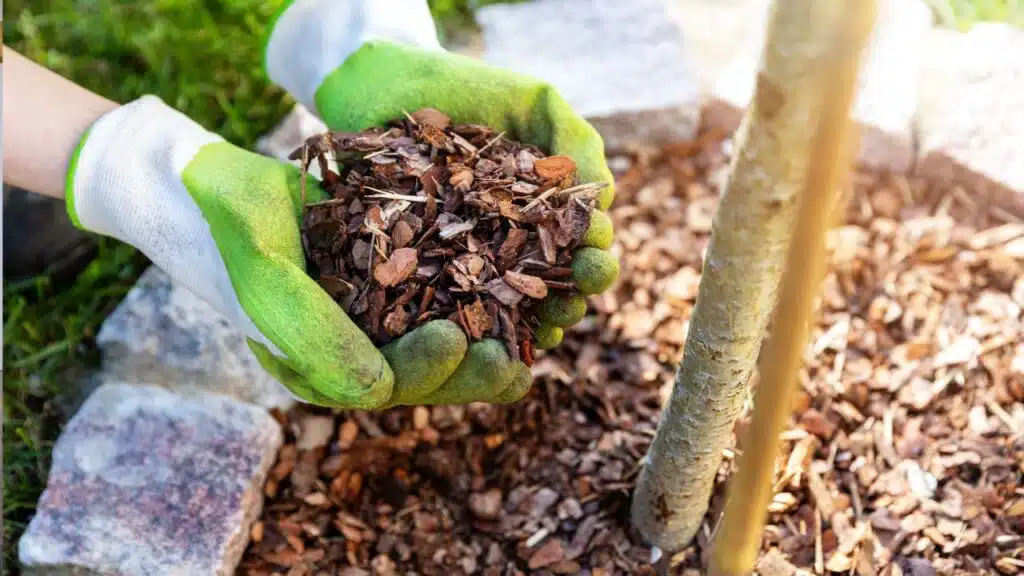
Mulching is one of the most effective ways to protect your garden beds, retain soil moisture, and suppress weeds.
Organic mulch, such as bark, straw, or compost, also breaks down over time, adding nutrients back into the soil.
How to implement:
Spread a 2-3 inch layer of mulch around your plants, leaving a small gap around the base of each plant to prevent rot.
Choose organic mulch materials like wood chips, straw, or leaves for a natural look and added soil health benefits.
If you have vegetable beds, mulching with straw or grass clippings can help retain moisture and regulate soil temperature.
Why it’s important:
Mulch helps conserve water by reducing evaporation, controls weed growth, and adds organic matter to the soil as it breaks down.
It also protects the soil from temperature fluctuations, providing a stable environment for plant roots.
9. Check and Repair Garden Tools
Before you dive into the busy gardening season, it’s essential to ensure that your tools are in good working condition.
Sharp, well-maintained tools make gardening tasks easier and reduce the risk of damaging plants.
How to implement:
Inspect your tools for any signs of rust, wear, or damage.
Sharpen blades on pruners, shears, and spades to make clean cuts that promote plant health.
Clean off dirt and debris from tools and oil moving parts to keep them operating smoothly.
Replace any broken handles or worn-out parts to avoid injuries or inefficiency in the garden.
Why it’s important:
Maintaining your garden tools extends their lifespan and makes your gardening tasks more efficient.
Sharp tools reduce the risk of tearing or damaging plants, which can leave them vulnerable to disease.
10. Install or Repair Fencing
A good fence is essential for keeping out unwanted wildlife that can damage your plants.
Spring is the perfect time to inspect your garden fencing and make necessary repairs or installations to protect your crops from animals like rabbits, deer, and squirrels.
How to implement:
Inspect your garden fence for any holes, gaps, or weak points and repair them as needed.
If installing new fencing, choose a material suited to your needs—such as wire mesh for small animals or taller fencing for deer.
Consider installing gates or barriers to make accessing your garden easier while keeping out unwanted visitors.
Why it’s important:
Fencing protects your plants from animals that can eat or trample them.
A well-maintained fence ensures that your garden remains safe throughout the growing season, reducing the need for replanting damaged crops.
11. Install a Rain Barrel
Spring rains provide an excellent opportunity to collect water for your garden using a rain barrel.
This eco-friendly method allows you to conserve water, reduce your water bills, and keep your plants hydrated during dry spells.
How to implement:
Position a rain barrel under a downspout from your roof to collect runoff during rainstorms.
Make sure the barrel is equipped with a spigot for easy access to the water.
You can use this stored water for irrigating your garden during dry periods, reducing the need for municipal water.
Why it’s important:
Using a rain barrel helps conserve water, lowers your water bills, and provides your plants with chemical-free water.
It’s an eco-friendly solution for sustainable gardening.
12. Plant Spring Bulbs for Early Blooms
Spring bulbs such as daffodils, tulips, and crocuses bring early color to your garden.
Planting bulbs early in the season ensures that your garden is full of blooms as soon as the warmer weather arrives.
How to implement:
In early spring, plant bulbs in well-drained soil, following the depth and spacing recommendations on the bulb packaging.
Choose a sunny spot for best results.
For a natural look, scatter bulbs across the bed and plant them where they fall.
Be sure to water the bulbs after planting to help them establish roots.
Why it’s important:
Spring bulbs provide some of the earliest blooms in your garden, creating a colorful display after the dullness of winter.
They also attract pollinators, which help support the health of your garden’s ecosystem.
13. Prepare Garden Beds for Vegetables
Spring is the ideal time to prepare your vegetable garden for planting.
Proper bed preparation ensures that your plants have the nutrients and space they need to produce a bountiful harvest throughout the growing season.
How to implement:
Clear the vegetable beds of any debris or leftover plant matter from the previous season.
Loosen the soil with a garden fork or tiller, and add compost or organic matter to improve soil fertility.
Create planting rows or mounds based on the vegetables you plan to grow. Check local frost dates to time your planting correctly.
Why it’s important:
Proper bed preparation sets the stage for healthy vegetable growth. Well-drained, nutrient-rich soil leads to higher yields and reduces the risk of disease.
14. Attract Beneficial Insects to Your Garden
Beneficial insects such as bees, ladybugs, and butterflies play a vital role in maintaining a healthy garden ecosystem.
Attracting these insects can help improve pollination and reduce the need for chemical pesticides.
How to implement:
Plant a variety of nectar-rich flowers such as lavender, sunflowers, and daisies to attract pollinators and beneficial insects.
You can also install insect hotels or leave small patches of your garden wild to provide shelter.
Avoid using chemical pesticides that could harm these helpful creatures.
Why it’s important:
Beneficial insects improve pollination, helping flowers and vegetables produce better yields.
They also help control harmful pests, reducing the need for chemical intervention in your garden.
15. Install Drip Irrigation or Soaker Hoses
Watering is a critical part of maintaining a healthy garden, and drip irrigation or soaker hoses make it easy to water your plants efficiently.
These systems deliver water directly to the roots, minimizing evaporation and ensuring that each plant receives the hydration it needs.
How to implement:
Lay out drip irrigation lines or soaker hoses across your garden beds, ensuring they cover all areas that need watering.
Attach the system to a timer for automatic watering, which helps save time and conserves water.
Ensure that the system provides adequate coverage for all plants.
Why it’s important:
Efficient watering reduces water waste and ensures that your plants receive consistent moisture.
It also prevents the overwatering of foliage, which can lead to fungal diseases.
16. Fertilize Your Garden Early
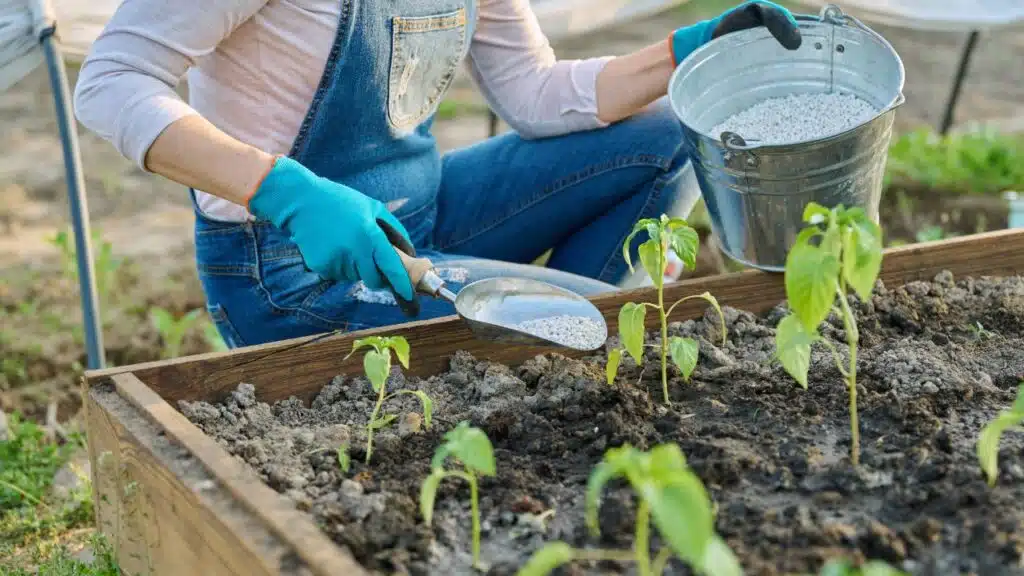
Fertilizing your garden in early spring provides your plants with the nutrients they need to grow strong and healthy.
Both organic and synthetic fertilizers can be used, depending on your gardening preferences.
How to implement:
Apply a balanced fertilizer to your garden beds, following the recommended application rate on the packaging.
Water the fertilizer into the soil to help it absorb.
Use slow-release fertilizers for perennials, shrubs, and trees to provide a steady supply of nutrients throughout the season.
Why it’s important:
Early fertilization gives plants a nutrient boost, supporting strong growth and enhancing flowering and fruit production.
It also helps replenish any nutrients that may have been depleted over the winter months.
17. Aerate the Soil for Better Drainage
Aerating your soil allows air, water, and nutrients to penetrate deep into the soil, improving root health and preventing compaction.
It is especially important if your soil is heavy or clay-based.
How to implement:
Use a garden fork or aerator tool to poke holes in the soil about 6 inches deep.
Space the holes a few inches apart throughout your garden beds.
For larger lawns or compact areas, you may want to rent a mechanical aerator.
Why it’s important:
Aerating the soil prevents compaction, allowing plant roots to grow deeper and access vital nutrients and water.
This leads to healthier, more resilient plants.
18. Build Raised Beds for Better Drainage
Raised beds are an excellent solution for gardens with poor soil or drainage issues.
They allow you to control the quality of the soil and improve drainage, making them ideal for growing vegetables, flowers, and herbs.
How to implement:
Build raised beds using wood, stone, or bricks, and fill them with a mix of topsoil, compost, and organic matter.
Ensure the beds are at least 6-12 inches deep to provide ample room for root growth.
Raised beds can also help prevent weeds and make gardening easier by reducing the need to bend or kneel.
Why it’s important:
Raised beds improve drainage, prevent soil compaction, and allow for better control over soil quality.
They’re also great for maximizing space and creating a more organized, manageable garden.
19. Monitor for Early Pests
As the weather warms up, garden pests become more active.
Monitoring your garden early in the season can help you catch and address pest problems before they become too severe.
How to implement:
Inspect your plants regularly, especially the undersides of leaves, for signs of pests such as aphids, slugs, or caterpillars.
Use natural pest control methods like neem oil, insecticidal soap, or beneficial insects such as ladybugs to manage infestations.
Remove any affected leaves or plants to prevent pests from spreading.
Why it’s important:
Monitoring for pests early in the season allows you to catch problems before they spread, protecting your plants from damage and reducing the need for chemical interventions.
20. Plan for Continuous Blooms
A well-planned garden can provide color and interest throughout the growing season.
By selecting plants that bloom at different times, you can enjoy a continuous display of flowers from spring through fall.
How to implement:
Choose a mix of early, mid, and late-blooming flowers to ensure your garden stays colorful all season.
For early spring color, plant daffodils and tulips, then roses and lavender for summer blooms, and asters and chrysanthemums for fall.
Consider planting perennials alongside annuals to create a dynamic and ever-changing garden.
Why it’s important:
Planning for continuous blooms ensures that your garden remains vibrant and visually appealing throughout the growing season.
It also attracts pollinators, which benefit the overall health of your garden.
Final Thoughts
By following these 20 expert tips to prepare your garden for spring, you’ll be setting the stage for a thriving and beautiful garden throughout the growing season.
From soil preparation and pruning to planting and pest control, each of these steps plays a crucial role in ensuring the success of your garden.
With careful planning and attention to detail, you can enjoy a vibrant and flourishing outdoor space that brings joy and satisfaction all season long.
























