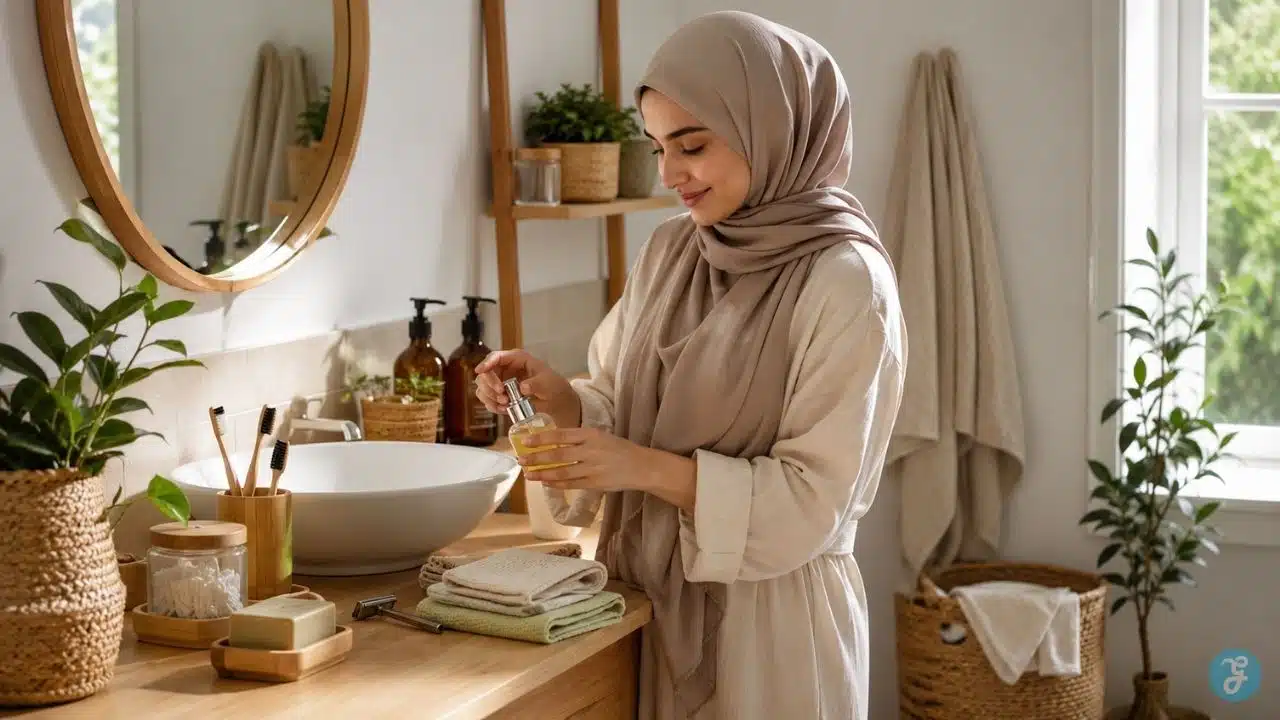
My bathroom did not look wasteful until I actually counted the products in it. Shampoo bottle, conditioner bottle, body wash, toothpaste tube, plastic toothbrush, disposable razor, deodorant stick, face wash tube, lotion pump, cleaning spray, all small things, but together they made my daily routine look like a plastic collection point. That is why I decided to build an Eco-Friendly Bathroom in 30 days.
I did not want a perfect zero-waste makeover. I also did not want to throw away usable products just to make my shelves look more sustainable. My goal was simple: finish what I already had, replace products one by one, and keep only the swaps that made sense in real life.
After 30 days, I learned that an eco-friendly bathroom is not about buying every bamboo product online. It is about reducing waste, choosing refillable or low-plastic options, and building a routine that does not feel annoying after the first week.
Why I Chose A 30-Day Eco-Friendly Bathroom Plan
I chose a 30-day plan because changing everything in one day felt expensive and wasteful. If I threw away half-used products just to replace them with greener versions, that would defeat the purpose.
So I followed one simple rule: use first, replace later.
This helped me avoid unnecessary spending and gave me time to understand which products were actually worth changing. Some swaps were easy, like bar soap and reusable cotton rounds. Others needed more thought, especially toothpaste, shampoo bars, deodorant, and shaving products.
A 30-day plan also made the process feel realistic. I could focus on one area each week instead of trying to fix the whole bathroom at once.
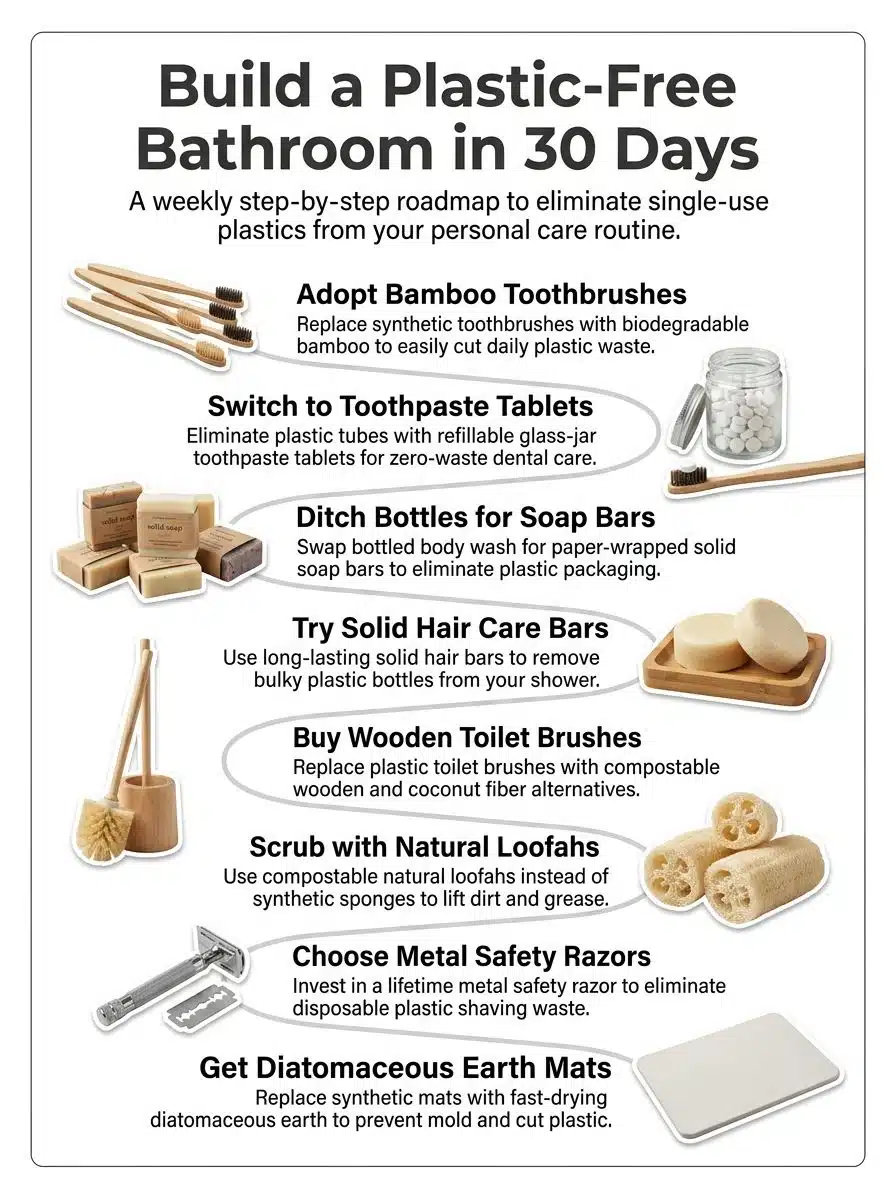
My Eco-Friendly Bathroom Product Checklist
Before starting, I made a simple checklist of products I wanted to test or replace.
| Bathroom Item | Better Product Swap |
| Body wash | Bar soap |
| Shampoo bottle | Shampoo bar or refill shampoo |
| Conditioner bottle | Conditioner bar or refill conditioner |
| Plastic toothbrush | Bamboo toothbrush |
| Toothpaste tube | Fluoride toothpaste tablets or a recyclable tube |
| Disposable razor | Safety razor |
| Shaving foam can | Shaving soap |
| Cotton pads | Reusable cotton rounds |
| Plastic deodorant | Refillable or cardboard deodorant |
| Cleaning spray | Refillable cleaner or cleaning tablets |
| Disposable wipes | Washable cloths |
| Plastic storage | Glass jars or metal tins |
This checklist helped me stay focused. I did not need to buy everything. I only needed to replace the products that created the most repeat waste.
Days 1–7: I Used What I Had And Cleared The Bathroom
The first week was not about shopping. It was about noticing. I checked every drawer, basket, and shelf. I found duplicate products, almost-empty bottles, and items I had bought but barely used. That was the first lesson: sometimes an eco-friendly bathroom starts by buying less, not buying better.
During this week, I finished what I could and organized the rest. I also added a small recycling basket in the bathroom. This simple change helped because many bathroom empties get thrown away only because the recycling bin is usually in the kitchen.
Products I Added In Week One
| Product | Why It Helped |
| Reusable cotton rounds | Replaced disposable cotton pads |
| Bar soap | Reduced body wash use |
| Soap dish with drainage | Kept soap dry and longer-lasting |
| Bathroom recycling basket | Made recycling easier |
| Washable cleaning cloths | Replaced disposable wipes |
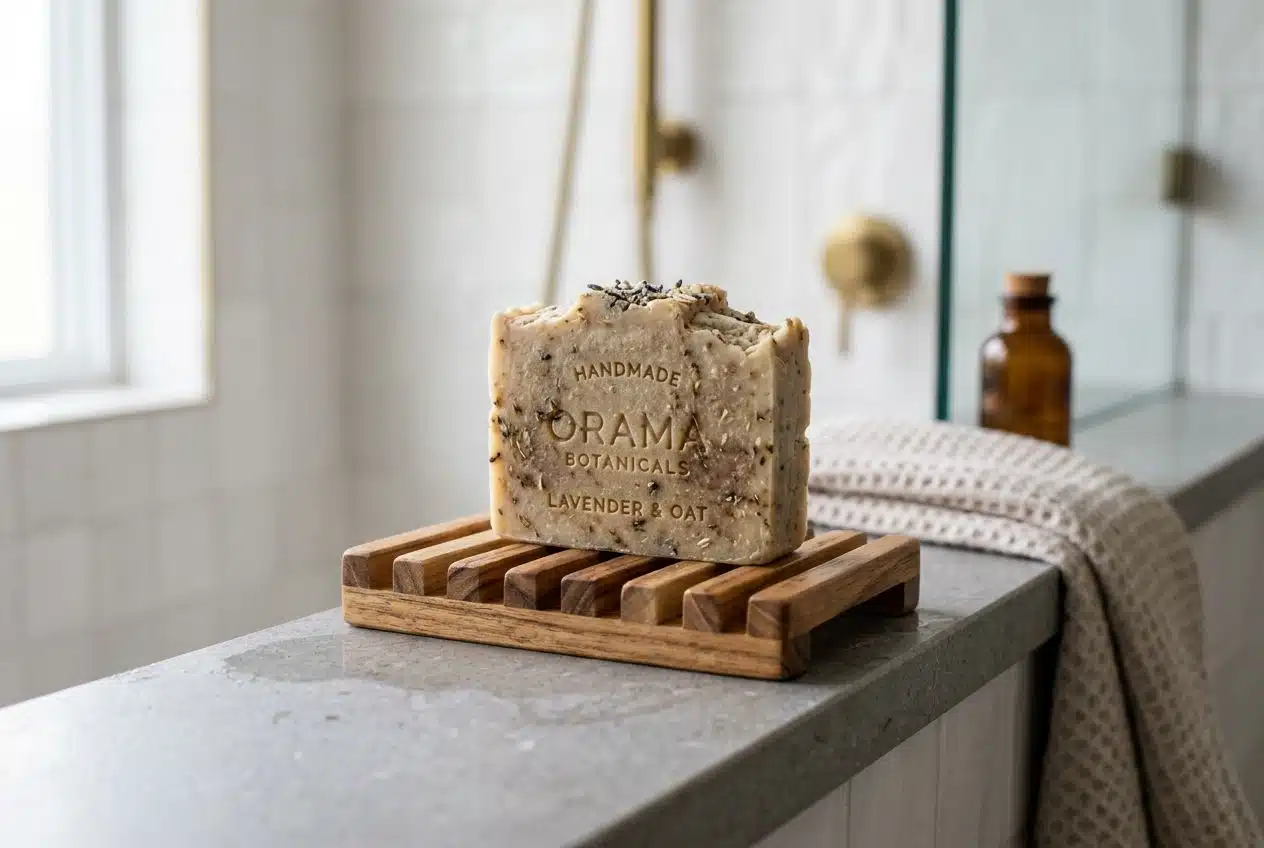
The soap dish was more important than I expected. Without proper drainage, bar soap becomes soft and messy. With the right storage, it becomes one of the easiest eco-friendly bathroom swaps.
Days 8–14: I Changed My Shower Products
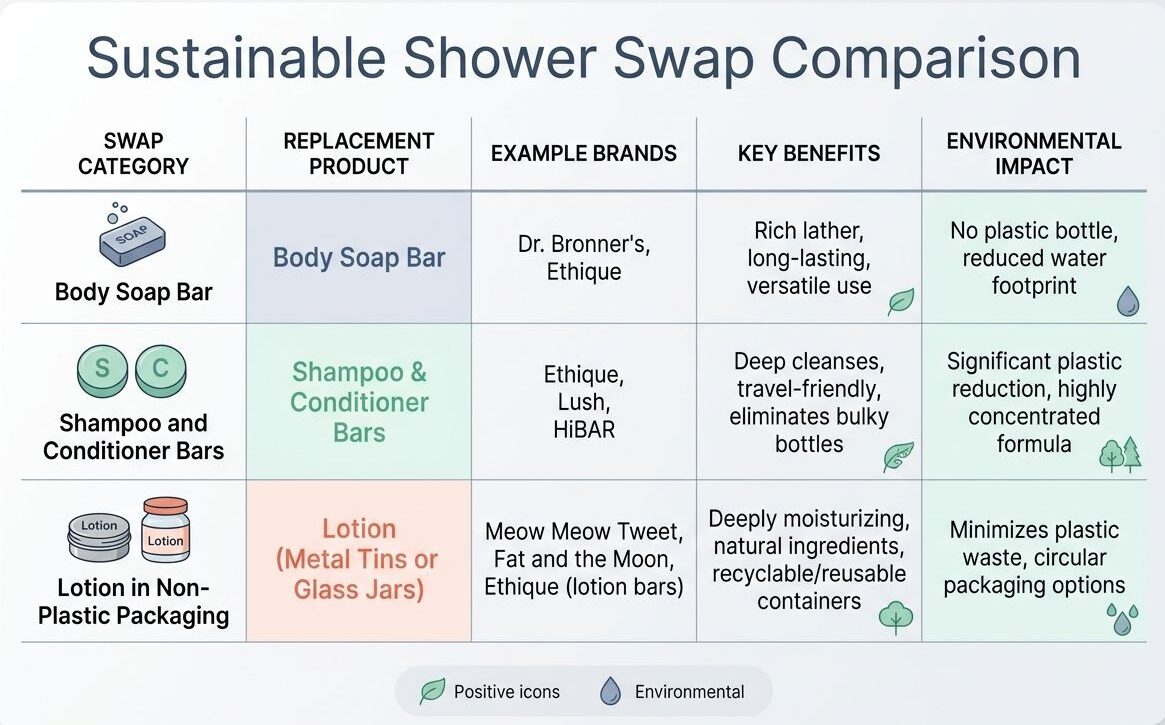
The shower had the most obvious plastic waste. Shampoo, conditioner, body wash, scrub, and shaving products all came in bottles or tubes. I started with bar soap because it was the easiest swap. It worked immediately and made liquid body wash feel unnecessary.
Then I tested a shampoo bar and a conditioner bar. These needed more patience. At first, I used too much shampoo bar and stored it badly. Once I kept it away from standing water, it lasted longer and worked better.
My Shower Swaps
| Old Product | New Product | My Experience |
| Body wash | Bar soap | Easy and practical |
| Plastic loofah | Natural sisal cloth | Better than expected |
| Shampoo bottle | Shampoo bar | Good, but storage matters |
| Conditioner bottle | Conditioner bar | Needs a little practice |
| Face scrub tube | Gentle bar cleanser | Simpler and cleaner |
My honest opinion is that shampoo bars are not perfect for everyone. Hair type, water quality, and formula matter. If a shampoo bar does not work for you, a refillable shampoo is still a good eco-friendly option.
The goal is not to force one perfect product. The goal is to reduce waste in a way you can continue.
Days 15–21: I Handled Dental Care, Shaving, And Deodorant
This was the week when I became more careful. Not every bathroom swap should be made blindly.
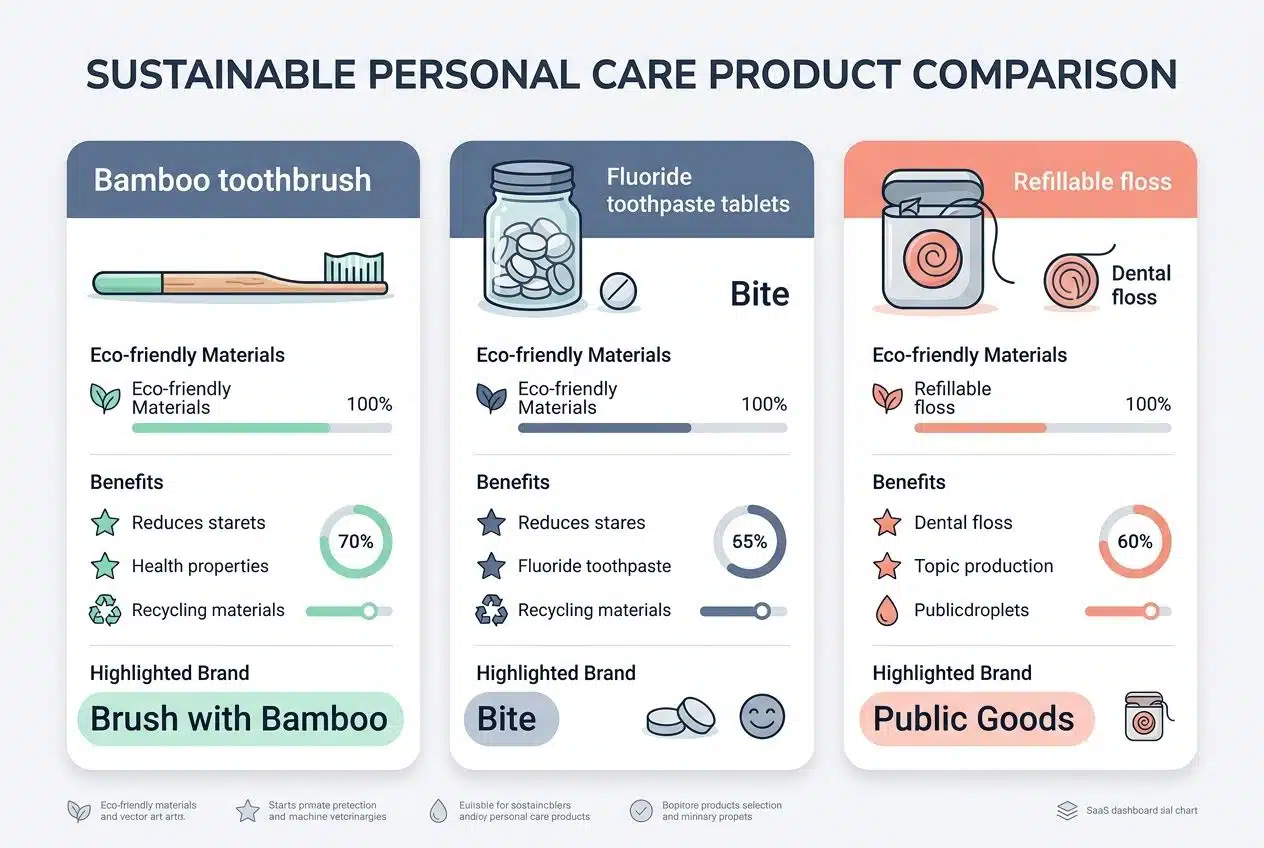
Dental care was the biggest example. I wanted to reduce plastic, but I did not want to choose a toothpaste tablet just because it looked eco-friendly. For me, fluoride still mattered. So I looked for toothpaste tablets with fluoride or toothpaste brands with recyclable packaging.
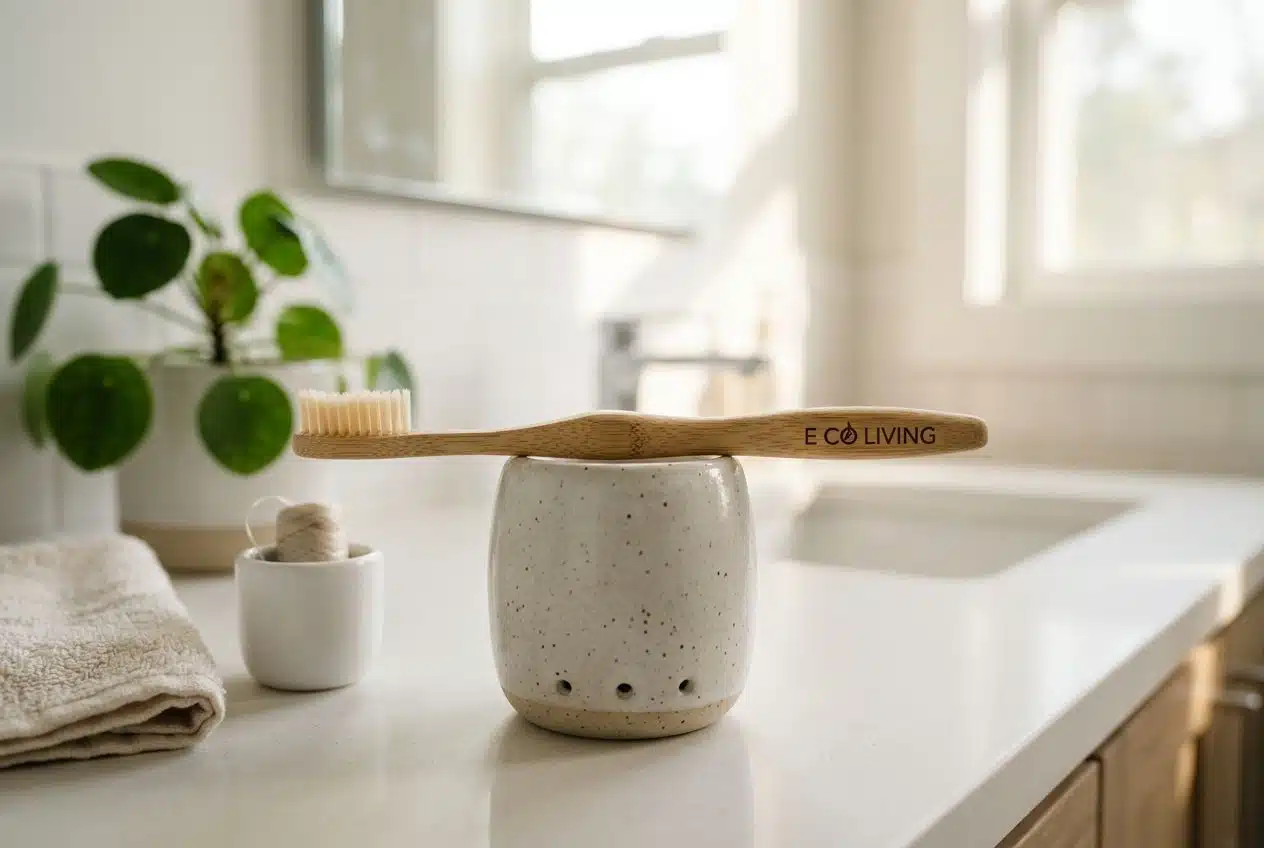
My Dental Swaps
| Old Product | New Product |
| Plastic toothbrush | Bamboo toothbrush |
| Toothpaste tube | Fluoride toothpaste tablets or a recyclable tube |
| Plastic floss picks | Refillable floss container |
| Plastic mouthwash bottle | Mouthwash tablets or skip if unnecessary |
My rule was simple: an eco-friendly bathroom should not come at the cost of basic health.
Shaving was a better long-term swap. I switched from a disposable razor to a safety razor. It took a few tries because I had to use lighter pressure and shave more slowly. But once I got used to it, it felt like one of the most valuable changes.
For deodorant, I tested plastic-free and refillable options. This was more personal. Some formulas worked better than others. My advice is to test one product first before buying multiple backups.
Days 22–27: I Improved Skincare, Cleaning, And Storage
By week four, my bathroom already had fewer plastic bottles. But skincare and cleaning products still needed attention.
I did not replace my full skincare routine at once. That would have been risky and expensive. Instead, I waited until a product was finished and then looked for a better-packaged version.
Better Skincare Options I Considered
| Product Type | Better Option |
| Face cleanser | Bar cleanser or refillable cleanser |
| Moisturizer | Glass jar or refillable container |
| Lip balm | Paper tube or metal tin |
| Body lotion | Aluminum tube or refill system |
| Makeup remover | Cleansing balm in a glass or metal tin |
This week taught me an important lesson: glass is not automatically better if I do not reuse it. Refillable packaging only makes sense when it becomes part of my routine.
Cleaning products were easier. I used a refillable spray bottle with cleaning tablets. Instead of buying a new plastic spray every time, I could reuse the same bottle.
Cleaning Swaps That Worked
| Old Product | Better Swap |
| Plastic cleaning spray | Refillable bottle with cleaning tablet |
| Disposable wipes | Washable cloths |
| Plastic sponge | Compostable sponge or brush |
| Multiple cleaners | One multi-surface refill cleaner |
This made the bathroom cabinet cleaner and reduced repeat plastic waste.
Days 28–30: I Built A System That I Could Maintain
The final three days were about making the changes last. I realized that an eco-friendly bathroom can fail if the system is too complicated. If products are hard to store, refills are hard to find, or swaps feel annoying, old habits come back quickly.
So I created a simple setup.
| System | Purpose |
| Soap dish with drainage | Keeps bars dry |
| Small recycling basket | Collects empty packaging |
| Refill reminder list | Prevents last-minute plastic purchases |
| Glass jars | Stores reusable cotton rounds and small items |
| Blade bank | Stores safety razor blades safely |
| Washable cloth basket | Keeps cleaning cloths organized |
This final setup made my bathroom feel calmer and more intentional. It was not perfect, but it was easier to maintain.
Best Products To Buy First For An Eco-Friendly Bathroom
If I had to start again, I would not buy everything at once. I would start with the products that are simple, affordable, and easy to keep using. For example, I will replace synthetic mats with diatomaceous earth or cotton rugs.
| Product | Why I Recommend It |
| Bar soap | Easy replacement for body wash |
| Soap dish with drainage | Makes bar products last longer |
| Reusable cotton rounds | Reduces daily waste |
| Bamboo toothbrush | Simple beginner swap |
| Safety razor | Strong long-term replacement |
| Refillable cleaner | Reduces repeat plastic bottles |
| Washable cloths | Better than disposable wipes |
These products gave me the best balance between cost, usefulness, and long-term impact.
Eco-Friendly Bathroom Swaps I Would Not Rush
Some swaps are useful, but I would not recommend them on day one. I would not buy a full glass storage set immediately. It looks beautiful, but it is not necessary at the beginning.
I would not change my full skincare routine at once either. Skin can react badly to sudden product changes, so it is better to replace skincare slowly. I would also be careful with fluoride-free toothpaste tablets. Dental care should not be treated like a trend. Choose products that support your health first.
The biggest mistake is thinking an eco-friendly bathroom means buying more things. In reality, it often means buying fewer but better products.
My Final Eco-Friendly Bathroom Routine
After 30 days, my bathroom routine looked much simpler.
| Routine Area | Product I Used |
| Body wash | Bar soap |
| Hair wash | Shampoo bar or refill shampoo |
| Conditioning | Conditioner bar or refill conditioner |
| Dental care | Bamboo toothbrush and fluoride toothpaste option |
| Shaving | Safety razor and shaving soap |
| Deodorant | Refillable or plastic-free deodorant |
| Cleaning | Refillable cleaner and washable cloth |
| Storage | Simple jars, tins, and baskets |
The bathroom did not become 100% plastic-free. But it became less wasteful, less cluttered, and easier to manage. That was the real win.
What I Learned After 30 Days
After this 30-day conversion, I do not think an Eco-Friendly Bathroom has to be perfect. In fact, chasing perfection can make the process harder than it needs to be. The better approach is simple.
Use what you already have. Replace products only when they run out. Start with easy swaps. Be careful with health-related products. Avoid buying things only because they look sustainable.
An eco-friendly bathroom is not built in one shopping cart. It is built through small, repeated choices, one finished bottle, one better product, and one smarter habit at a time.
Frequently Asked Questions About Eco-Friendly Bathroom Products
1. What Is The Easiest Eco-Friendly Bathroom Swap?
Bar soap is usually the easiest swap. It replaces body wash or liquid soap, often comes in paper packaging, and needs very little adjustment. Just use a soap dish with drainage so it lasts longer.
2. Are Shampoo Bars Good For Every Hair Type?
Not always. Shampoo bars work well for many people, but hair type, water hardness, and formula matter. If they do not work for you, refillable shampoo is still a good, eco-friendly option.
3. Is A Safety Razor Worth It?
Yes, if you are willing to learn how to use it properly. It costs more upfront, but the handle lasts for years, and replacement blades create less waste than plastic cartridges.
4. Should I Throw Away My Existing Plastic Products?
No. Use them first. Throwing away usable products creates waste faster. The better method is to finish what you own, then replace items with better options.
5. Can A Bathroom Be 100% Eco-Friendly?
For most people, not completely. Some products may still come in plastic because of hygiene, health, cost, or availability. The goal is not perfection. The goal is to reduce unnecessary waste and build better daily habits.
6. How do I follow the 30-day conversion plan?
Take one swap at a time, or one group each week; do not try to sprint. Week one, remove single-use plastics and note what you need; by week four, set up refill points, tweak habits, and enjoy the new setup.