

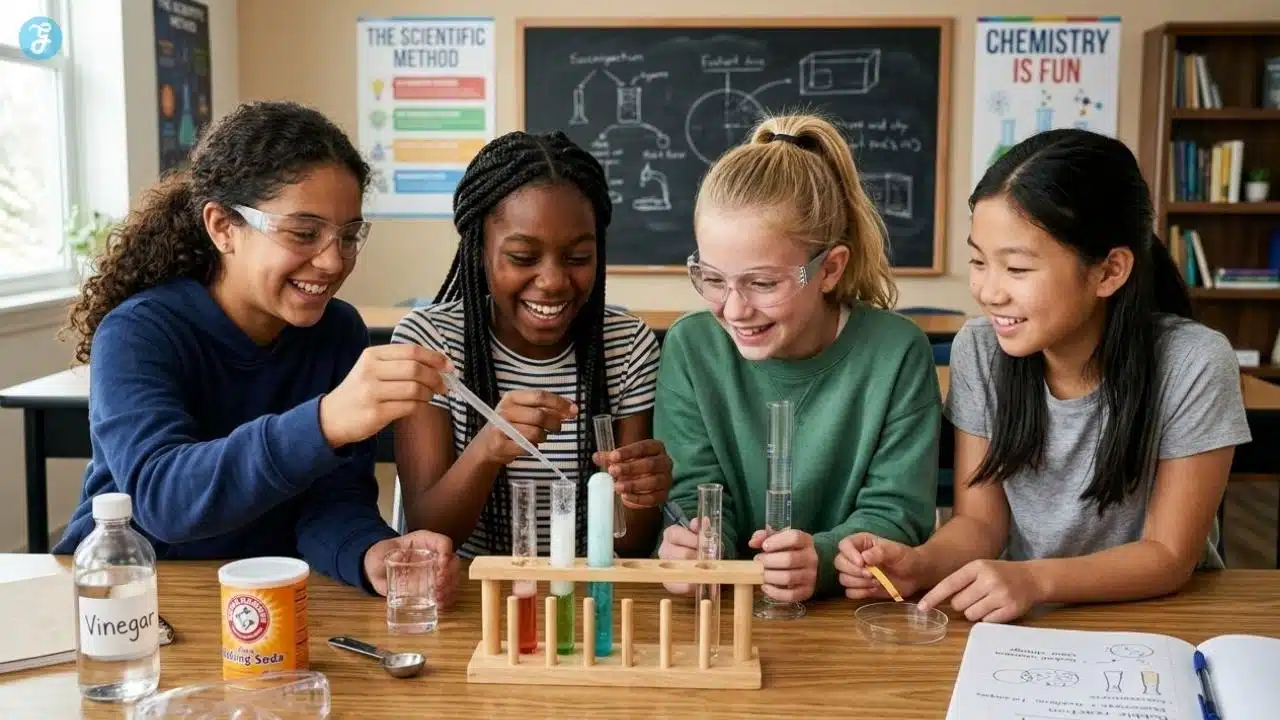
Encouraging girls in STEM strategies should not feel like another motivational poster on a classroom wall. Girls do not need empty slogans telling them they “can do anything” while the actual learning space still feels designed for someone else. They need proof, practice, support, and real chances to build, test, lead, fail, and try again.
From my experience working around kids’ learning, e-learning, digital content, and STEM-focused educational ideas, I have seen one thing clearly: girls stay more engaged when STEM feels personal, creative, useful, and welcoming. A girl who sees herself in a project is far more likely to come back to it.
The gender STEM gap is still real. The U.S. Bureau of Labor Statistics projects STEM occupations to grow 8.1% from 2024 to 2034, with a 2024 median annual wage of $103,580. At the same time, AAUW notes that women earn only 20% of engineering degrees and 19% of computer and information science bachelor’s degrees.
That means early STEM girls encouragement still matters, not because girls lack ability, but because they often lack consistent exposure, confidence, mentorship, and belonging.
Why Girls Need More Than “You Can Do It”
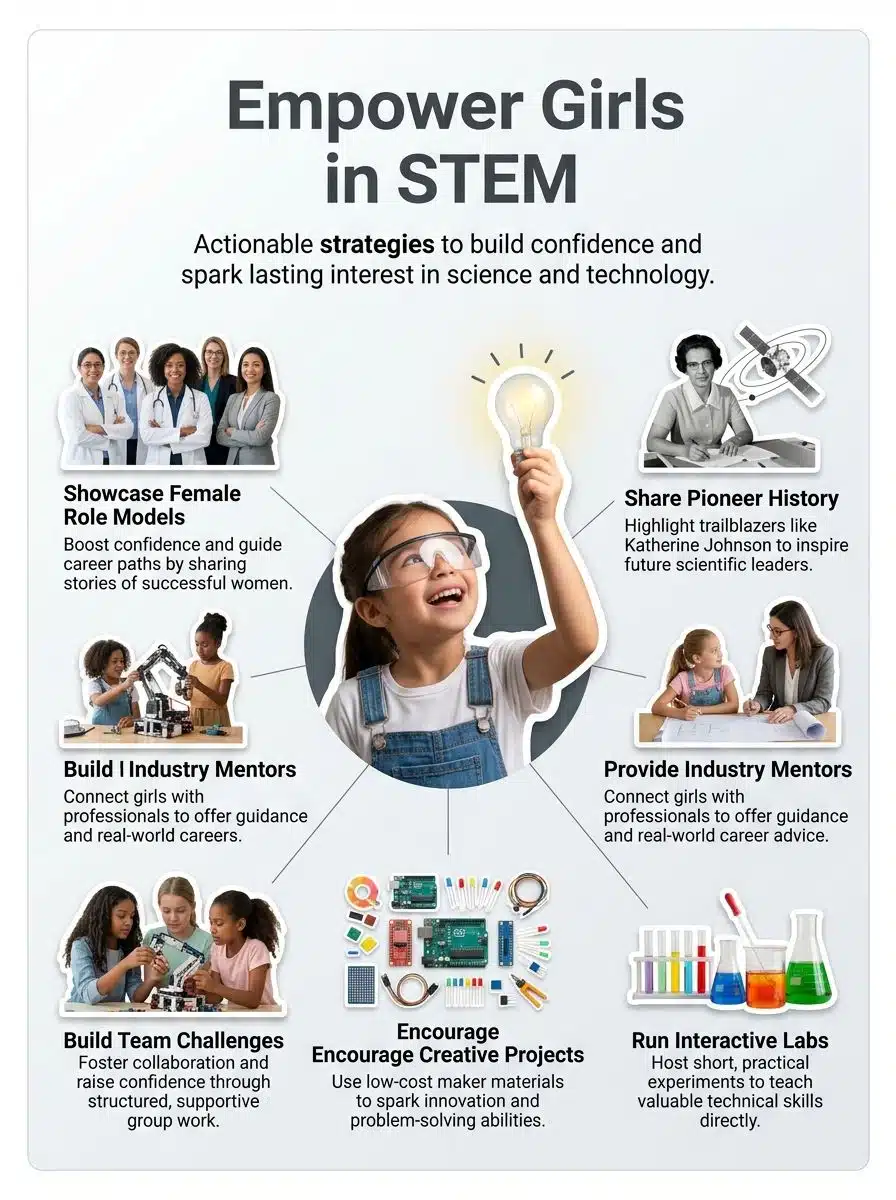
Encouragement is useful, but only when it is backed by action. A girl may hear “STEM is for everyone,” but if every example is male, every robotics club is dominated by boys, every technical task goes to the same confident students, and every mistake is treated like failure, the message does not feel true. Real STEM encouragement means changing the environment around the learner.
That includes:
- Showing women in STEM as normal, not rare;
- Giving girls hands-on roles, not only note-taking roles;
- Allowing mistakes without embarrassment;
- Connecting STEM to real interests;
- Using projects that feel creative and meaningful;
- Offering mentors and peer support.
This is also why I see girls in STEM strategies as part of a larger STEM learning for kids roadmap. If we want girls to stay interested through middle school and high school, we need to make the early years feel safe, practical, and exciting.
Start With Role Models Girls Can Actually Relate To
Girls often stay with STEM longer when it stops feeling abstract. A role model makes the path visible. The best role models are not just famous names from history. They can be teachers, older students, local engineers, doctors, designers, coders, researchers, entrepreneurs, or creators. The point is simple: girls need to see that women already belong in these spaces.
The IF/THEN Collection features 125 female STEM innovators selected as AAAS IF/THEN Ambassadors, created to serve as visible role models for girls. That kind of visibility matters because it shows STEM as wide, modern, and human.
| Role Model | What to Highlight | Why It Works |
| Katherine Johnson | Her NASA mathematics helped early U.S. spaceflight, including John Glenn’s orbital mission. | Girls see that math can support historic, real-world work. |
| Grace Hopper | She earned advanced mathematics degrees from Yale and became a pioneer in computer programming. | Girls see coding as logic, language, creativity, and problem-solving. |
| Local women in STEM | A doctor, engineer, data analyst, designer, or science teacher from the community. | Girls see STEM as reachable, not distant. |
NASA credits Katherine Johnson’s mathematical work with major contributions to early space missions, while Yale describes Grace Hopper as a pioneer in programming and software development. These stories work best when we connect them to activities, not just biographies.
For example, after talking about Katherine Johnson, ask students to test paper rockets, measure distance, or plot a simple route. After introducing Grace Hopper, let them create a simple coding sequence or logic puzzle. That turns inspiration into action.
Use Mentoring That Girls Can Actually Continue
Mentoring does not have to be complicated. It just needs to be consistent. A mentor gives girls a place to ask the questions they may not ask in a crowded classroom. Questions like:
- Am I good enough for this club?
- Which class should I take next?
- Is coding only for people who already know everything?
- What if I make a mistake in front of everyone?
- What careers can this lead to?
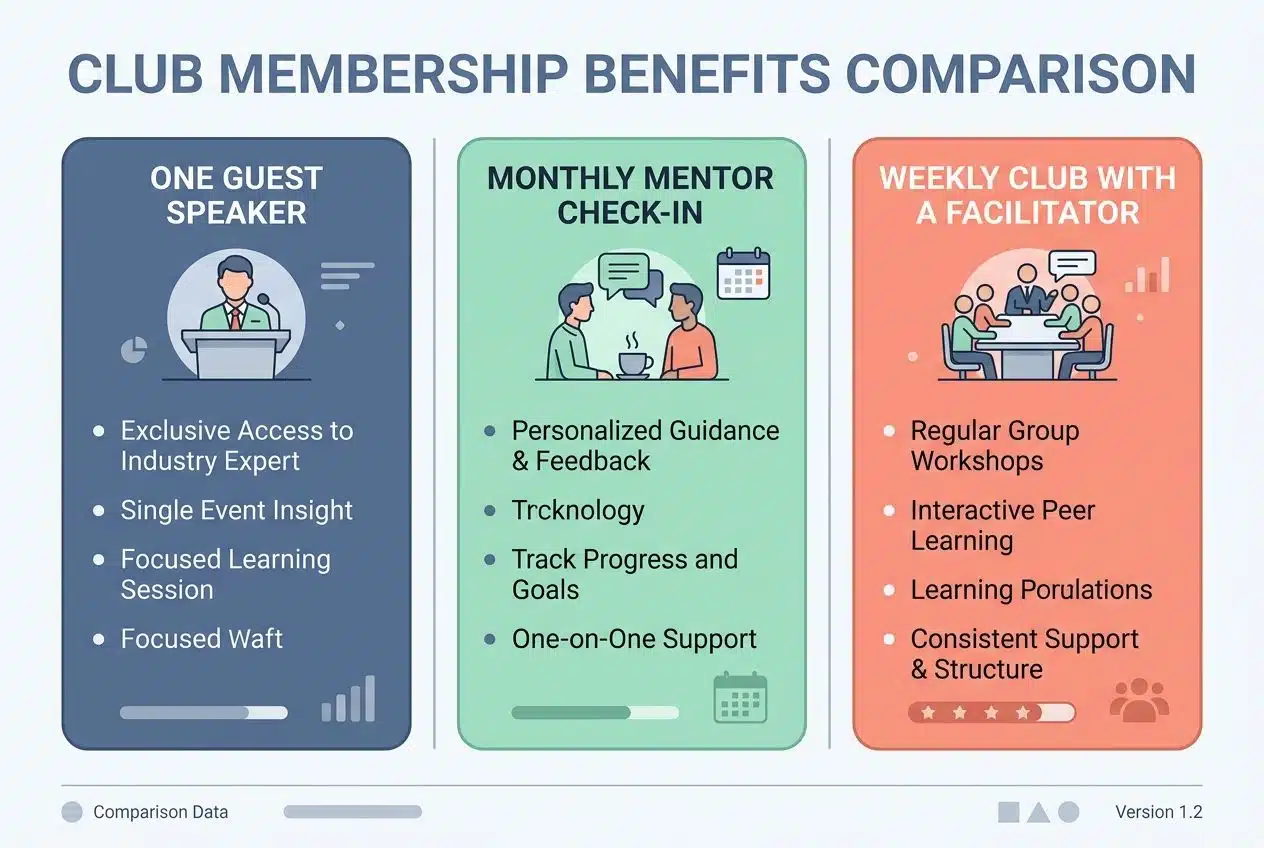
The strongest mentoring setup is usually simple and repeatable.
| Mentoring Format | Best Use | What Girls Gain |
| One guest speaker | Early exposure | A quick view of real STEM careers |
| Monthly check-in | Confidence and direction | Guidance without pressure |
| Weekly club | Skill building | Practice, teamwork, and routine |
| Near-peer mentor | Middle school or high school support | Someone relatable to learn from |
Girls Who Code says anyone can start a free club, and no coding experience is needed. Their support pages also state that a club application can be completed by any adult 18+, and for grades 3–5, internet and devices are optional. That matters because schools, libraries, and community groups can start small instead of waiting for a perfect setup.
My practical rule is this: mentoring should end with one next step.
That next step can be joining a club, finishing a small project, asking one career question, trying a coding activity, or presenting a project idea. Small next steps help girls build momentum.
Make STEM Feel Creative, Not Cold
Fun is not a bonus in STEM learning. For many girls, it is the entry point. The SciGirls Strategies recommend connecting STEM experiences to girls’ lives, supporting girls as they investigate real questions, helping them work through struggle, challenging stereotypes, emphasizing collaboration, and giving access to diverse role models.
That is a strong checklist for parents, teachers, and learning platforms. In practice, this means we should stop treating STEM like a narrow technical lane.
STEM can connect with:
- Art and design;
- Gaming;
- Music;
- Animals;
- Climate;
- Health;
- Fashion technology;
- Architecture;
- Storytelling;
- Social causes;
- Digital creativity.
A girl who loves art may enjoy design technology or biomedical illustration. A girl who loves games may enjoy coding, animation, or UX design. A girl who cares about the environment may connect with climate science, renewable energy, or sustainable engineering.
This is where learning platforms and creative tools can help. For example, students can use interactive kids’ learning games to practice logic and problem-solving in a playful way. They can also use an AI image creation tool to visualize a future city, science poster, invention idea, or STEM career profile. The key is not the tool itself. The key is what the child does with it.
Ask:
- What problem does your design solve?
- What did you change and why?
- What part is realistic?
- What would you test next?
That is how creativity becomes STEM thinking.
Choose Hands-On Projects With Visible Results
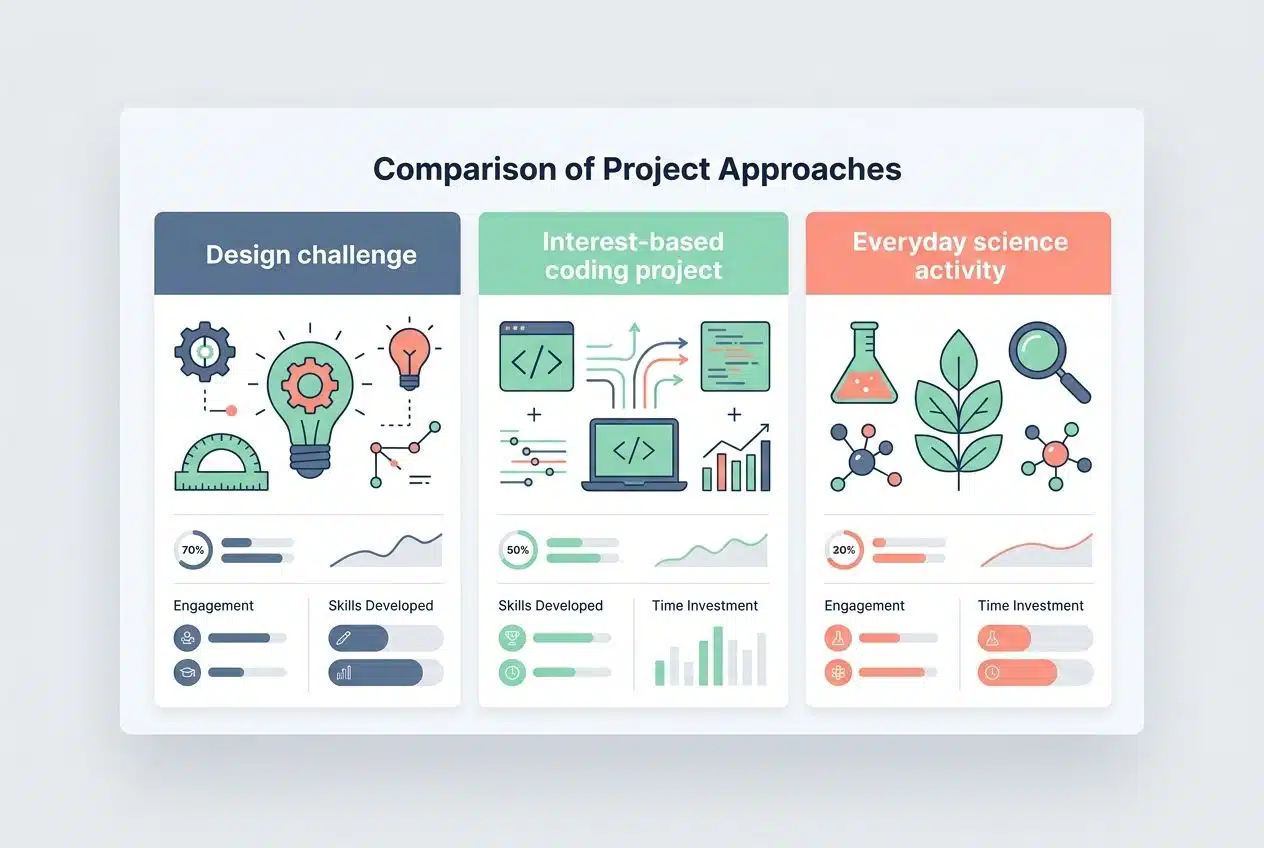
Girls often stay more engaged when they can see the result of their work. A worksheet may check memory, but a project builds ownership. A water filter, app mockup, balloon rocket, simple bridge, kitchen chemistry test, or wearable design gives girls something to test, improve, and explain.
A 2024 Journal of Chemical Education study found that kitchen chemistry activities increased STEM identity and STEM career interest, with a stronger positive effect on STEM identity for girls than for boys. This supports what many educators already notice: everyday science can make STEM feel closer and more believable.
| Project Type | Why It Works | Skill Built |
| Kitchen chemistry | Uses familiar materials | Curiosity and observation |
| Design challenge | Shows quick results | Engineering thinking |
| Coding story/game | Connects logic with creativity | Sequencing and persistence |
| Water filter build | Solves a real-world problem | Testing and improvement |
| STEM career poster | Links learning to future paths | Research and communication |
The best project structure is simple:
- Pick a real question.
- Let girls predict what will happen.
- Build or test something.
- Compare results.
- Improve the design.
- Let them explain the process.
That final explanation matters. It helps girls see themselves as problem-solvers, not just students completing a task.
Change the Classroom Habits That Quietly Push Girls Away
Sometimes the problem is not the curriculum. It is the classroom culture. Girls may lose interest when boys dominate tools, teachers call on louder students first, mistakes become embarrassing, or technical tasks are assigned based on confidence instead of fairness. Small changes help.
Rotate roles in every project:
- Builder;
- Coder;
- Recorder;
- Presenter;
- Tester;
- Team leads.
Do not let the same student always handle the device, tool, or final explanation. Also, praise the right things. Instead of only saying “You’re smart,”
Say:
- “Your testing improved the design.”
- “You noticed the pattern.”
- “You kept trying after the first idea failed.”
- “You explained your thinking clearly.”
- “You asked a useful question.”
That kind of feedback builds confidence because it focuses on actions girls can repeat.
Let Girls’ Interests Shape the First Invitation
Entry points matter. If the first STEM invitation feels too narrow, many girls never get far enough to discover what they enjoy. This is especially true in coding and engineering. A better approach is to connect STEM to interests first, then build skills through that interest.
| Interest | STEM Connection |
| Art | Digital design, animation, architecture |
| Gaming | Coding, UX, storytelling, game testing |
| Animals | Biology, ecology, and veterinary science |
| Health | Medicine, biomedical engineering, nutrition science |
| Environment | Climate science, clean energy, sustainability |
| Social causes | Data, app design, civic technology |
College Board has reported that students who take AP Computer Science Principles are more than three times as likely to declare a computer science major at the start of college. It also reported that women made up 34% of AP Computer Science Principles participants in 2024, compared with 26% in AP Computer Science A.
That shows broader, more accessible entry points can matter. Girls do not need STEM watered down. They need the door opened in more than one way.
Final Thoughts: Belonging Comes Before Breakthroughs
Girls in STEM strategies work best when they move beyond slogans. Girls need role models they can recognize, mentors they can talk to, projects they can touch, tools they can use, and classrooms where they are allowed to lead. They also need adults who understand that confidence is built through repeated experience, not one inspirational speech.
The gender STEM gap will not close because we tell girls STEM is important. It will close when girls repeatedly experience STEM as useful, creative, welcoming, and worth staying with. Start small. Invite one speaker. Run one project. Rotate one classroom role. Help one girl explain her design. Start a free club. Share one story of a woman in STEM kids can relate to. Then keep going.
That is how interest grows into confidence. And confidence is often the first real step toward a future in STEM.
Frequently Asked Questions About Girls in STEM Strategies
1. How Can I Encourage Girls in STEM at Home?
Start with simple, hands-on activities connected to her interests. If she likes art, try design-based STEM. If she likes animals, explore biology. If she likes games, introduce coding through simple game-building activities. The goal is to make STEM feel useful and personal, not forced.
2. What Classroom Practices Help Girls Stay Interested in STEM?
Use collaborative projects, rotate team roles fairly, highlight women in STEM, and praise effort, testing, revision, and problem-solving. Teachers should also avoid letting louder students dominate tools or technical tasks.
3. How Do We Reduce Bias and Build Girls’ Confidence in STEM?
Challenge stereotypes early and often. Use examples of women scientists, engineers, coders, doctors, and designers throughout the year, not just during special events. Give girls leadership roles and let them make mistakes without embarrassment.
4. Where Can Parents and Teachers Find STEM Mentors for Girls?
Start with local colleges, libraries, community groups, science teachers, women-led businesses, tech companies, and online STEM organizations. Former students can also make excellent near-peer mentors because they feel relatable.
5. Why Do Girls Lose Interest in STEM?
Many girls lose interest because they do not see themselves represented, do not get equal hands-on roles, or start believing STEM is only for naturally “technical” students. Interest also drops when STEM feels disconnected from real life. Creative, practical, and collaborative projects can help prevent that.
6. What Are the Best STEM Activities for Girls Who Are Beginners?
The best beginner activities are simple and visible. Try kitchen chemistry, paper bridges, water filter builds, coding a small story, designing a future city, growing plants, testing paper airplanes, or making a STEM career poster. These activities build confidence without overwhelming the learner.





















