

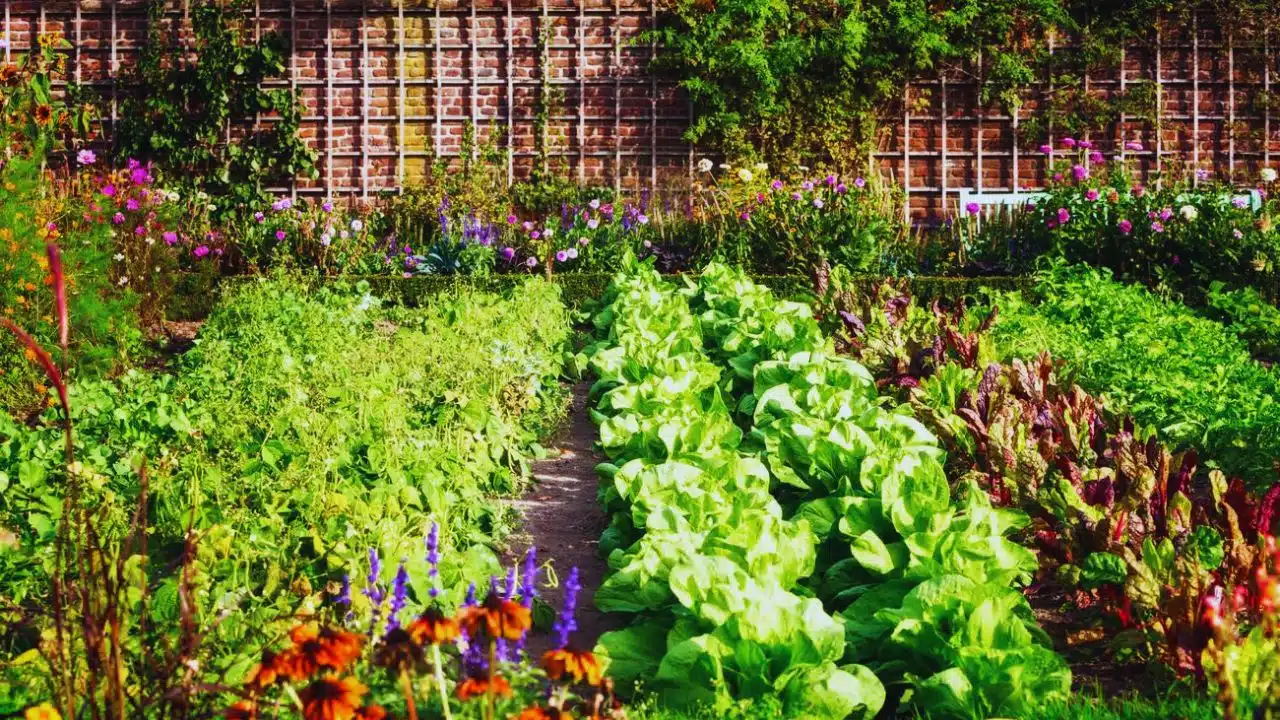
Starting a vegetable garden is an enjoyable and rewarding project that provides a wealth of benefits for you and your family. Growing fresh food enables you to eat healthier, spend time bonding with children, get some exercise, save money on the grocery bill, become self-reliant, and perhaps even make a little extra money selling excess produce.
If you want to start a vegetable garden but are unsure where to begin, here are some helpful vegetable gardening tips for beginners to get you off to a great start.
1. Select a Sunny Location
Vegetable plants thrive in sunshine. Your garden will need to be in a location that receives at least six hours of direct sunlight each day. An area that is in full sun and away from trees and shrubs is ideal.
This applies to plants growing both in the garden and in containers. Avoid areas near concrete because it holds and radiates heat, causing the soil to remain too hot and dry. Also, stay away from low-lying areas prone to flooding, hillsides that tend to be dry and windy, and full-shade locations.
Even if your garden area is not perfect, a little work can transform it into a spot that can grow food. Trim away low branches and remove shrubs that create shade. If your yard is shaded, focus on growing edible crops that can tolerate partial shade.
2. Begin with a Small Garden
If you are new to growing a vegetable garden, start with a small garden for the first year. This will help you keep up with the chores and learn the basics.
A small vegetable garden can provide plenty of fresh harvests. Start with a small growing area about 100 square feet. Six 4×4 foot raised beds with paths in between, or a 10×16 foot plot, will provide you with plenty of vegetables for fresh eating.
Expand the garden a little each year and experiment with growing different crops. This approach helps you quickly gain knowledge and learn how to care for your garden plants, which will reward you with great-tasting food.
3. Start with Good Quality Soil
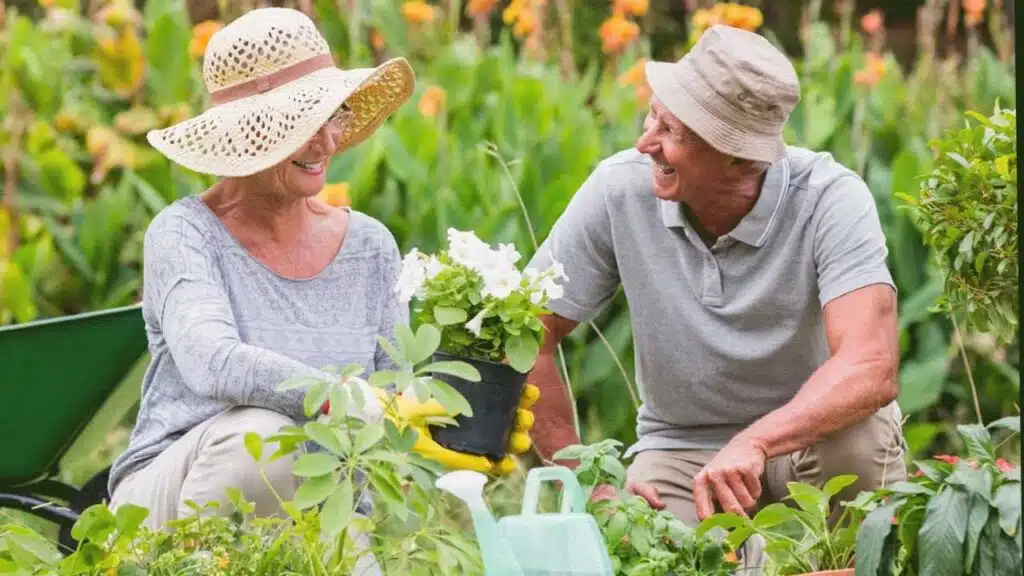
Soil is the foundation of a healthy vegetable garden. A successful garden depends on good, loamy soil filled with organic matter and nutrients. The soil feeds the plants, not the fertilizer, so the more nutrients the soil contains, the healthier and more productive the vegetable plants will be.
Add organic matter to the soil, like compost or well-rotted animal manure. After selecting the right location for your vegetable garden and preparing your garden beds, add two inches of finished compost on top of the soil and work it in.
Work it down to 4-6 inches deep so the nutrients will be readily available to the plant roots.
4. Gather Basic Gardening Tools
A shed filled with numerous gardening gadgets is not required to grow a vegetable garden. However, the right equipment will make gardening easier. Focus on basic gardening tools when you are just starting out.
Long-handled tools include a round-headed shovel for digging and moving bulk materials, a digging fork for loosening soil and harvesting root crops, a hoe for digging planting trenches and weeding, and a bow rake for raking out debris and leveling soil.
Hand tools include pruners for trimming and harvesting, a trowel for digging small holes, and a hand rake cultivator for working in compost and removing weeds.
Other helpful gardening equipment includes a watering can, garden hoses, spray nozzles, garden gloves, posts, tomato cages, trellis supports, harvest baskets, buckets, and a wheelbarrow.
5. Decide Which Vegetables to Grow
Think about what you want to accomplish with your vegetable garden. Are you aiming for fresh salads, trying to save money at the grocery store, increase your family’s food security, or avoid pesticides?
Narrowing down your objectives will help you choose vegetables that will maximize your growing space. Some vegetables grow better in your climate than others, so the right plant selection is essential for a good harvest.
For example, lettuce, early carrots, radishes, turnips, and beets will be ready to eat in 30-40 days after planting. However, sweet potatoes and winter squash will need 3-4 months to mature.
6. Grow the Right Crops at the Right Time
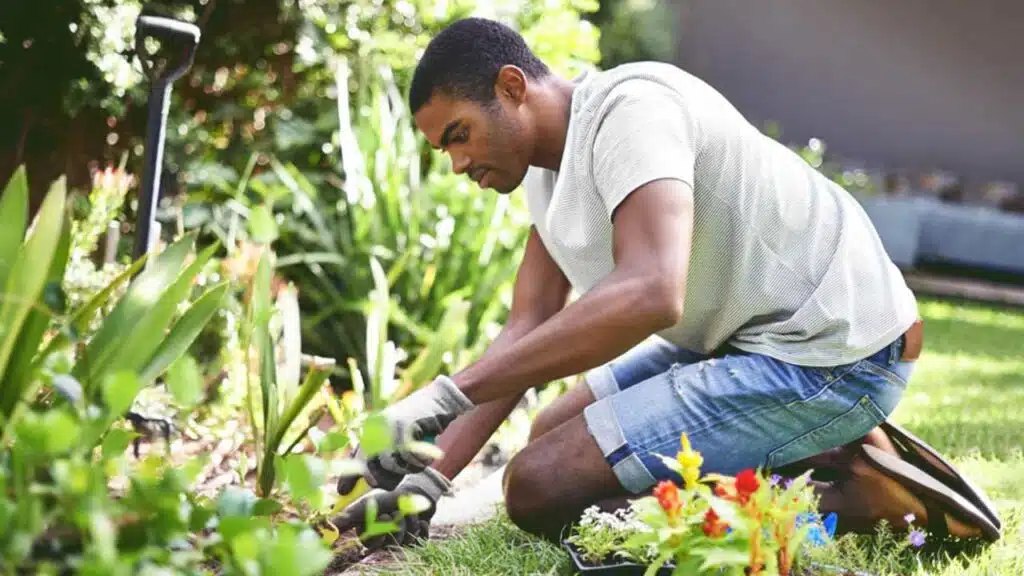
Understanding which crops to plant in spring and which need to wait for warmer temperatures is key to growing a vegetable garden that will produce from spring, summer, and well into fall.
Cool-season vegetables can handle light frosts and flourish in the cooler part of the growing season in early spring and fall. These include beets, carrots, kale, lettuce, radishes, spinach, chard, onions, peas, and potatoes.
Warm-season crops need both warm soil and high temperatures to grow and produce fruit. They are killed by frost and include beans, cucumbers, peppers, tomatoes, squash, and zucchini.
7. Avoid Crowding the Plants
Don’t be tempted to overcrowd your garden. Although it may seem like you have a lot of space when you are sowing seeds and transplanting seedlings, each plant needs space to grow.
Plants that are too close together will compete for nutrients, moisture, and airflow. Follow the recommended plant spacing specified on the seed packages. Note the mature size of each plant and allow enough space between them for development.
Also, allow 10-12 inches between the planted rows for foot traffic. A raised bed garden should be 3-4 feet wide and have at least one foot of space between each bed for walking.
8. Water Properly
Watering is one of the most crucial steps to growing a vegetable garden. Plants use water for all vital functions, from staying cool and hydrated to absorbing and transporting nutrients. Preferably, water will come naturally from rain.
However, you will need to provide supplemental water if the weather doesn’t cooperate. Use soaker hoses or a watering can to water the base of the plants at the soil level.
Water early in the morning when the air and ground are cooler to help minimize water loss due to evaporation and allow the foliage time to dry. Avoid wetting the foliage to prevent fungal diseases.
9. Keep up with the Weeds
Weeds crowd your vegetable garden plants and compete for nutrients, space, and moisture. A weedy garden can result in unhealthy plants that are undernourished, stressed from crowding, and vulnerable to fungal disease.
Mulching helps reduce the number of weed seeds that could sprout, but you will still need to put some effort into weeding. Hand weed the garden frequently. Any time you see a weed, pull it up by the roots and discard it away from the garden.
Covering the soil with a layer of organic mulch is the best way to prevent weeds.
10. Keep a Gardening Journal
The best gardening lessons come through hands-on experience. Keeping good notes will help you improve your vegetable garden from year to year. A gardening journal is a place to gather all your gardening notes, seed starting schedules, and sketched maps so you can refer to them each year.
It can be a day-to-day diary of what is going on in the garden or an informal log describing goals for the garden, how each crop did, how much was harvested, how each garden bed performed, succession planting, crop rotation, pest and disease issues, and the weather.
Conclusion
Gardening is always a work-in-progress, and the best way to learn is through trial and error. After a couple of gardening seasons, you will discover which plants grow well in your garden and which ones may require too much attention. Good planning is key to a successful vegetable garden.
Whether you are new to growing your own food or have been growing a vegetable garden for years, you will benefit from some planning each year.
By following these tips, you’ll be well on your way to enjoying the numerous benefits of homegrown vegetables and the satisfaction of cultivating your own food. Happy gardening!
























