Pets are cherished members of our families, and their health and happiness largely depend on their nutrition. However, despite the best intentions, many pet owners unknowingly make dietary mistakes that can impact their furry companions’ well-being.
Understanding these common errors and how to avoid them can lead to longer, healthier lives for your pets.
Let’s delve into the ten most common nutritional mistakes pet owners often make and how to fix them.
1. Overfeeding Your Pet
How It Happens
Many pet owners equate food with love, offering extra portions or frequent treats as a sign of affection. Overfeeding can lead to obesity, which in turn increases the risk of diabetes, arthritis, heart problems, and a shorter lifespan.
How to Avoid Overfeeding
- Follow portion guidelines: Read the packaging of pet food for recommended portions based on your pet’s size, breed, and age.
- Use a measuring cup: Instead of guessing, measure out exact amounts to prevent accidental overfeeding.
- Limit treats: Treats should account for no more than 10% of your pet’s daily caloric intake.
- Schedule meals: Feed your pet at regular intervals rather than free-feeding, which allows them to graze all day.
2. Feeding a Poor-Quality Diet
How It Happens
Opting for cheaper, low-quality pet food often means your pet isn’t receiving the necessary nutrients. Poor diets are often loaded with fillers like corn or soy, which offer little nutritional value.
How to Avoid Poor-Quality Food Choices
- Check the label: Look for high-quality protein sources as the first ingredient, such as chicken, lamb, or fish.
- Avoid fillers: Steer clear of products with excessive grains or by-products.
- Consult your vet: Get recommendations for trusted pet food brands suited to your pet’s specific needs.
- Research brands: Spend time understanding the nutritional value and sourcing of ingredients for your pet’s food.
3. Not Considering Your Pet’s Age, Breed, or Size
How It Happens
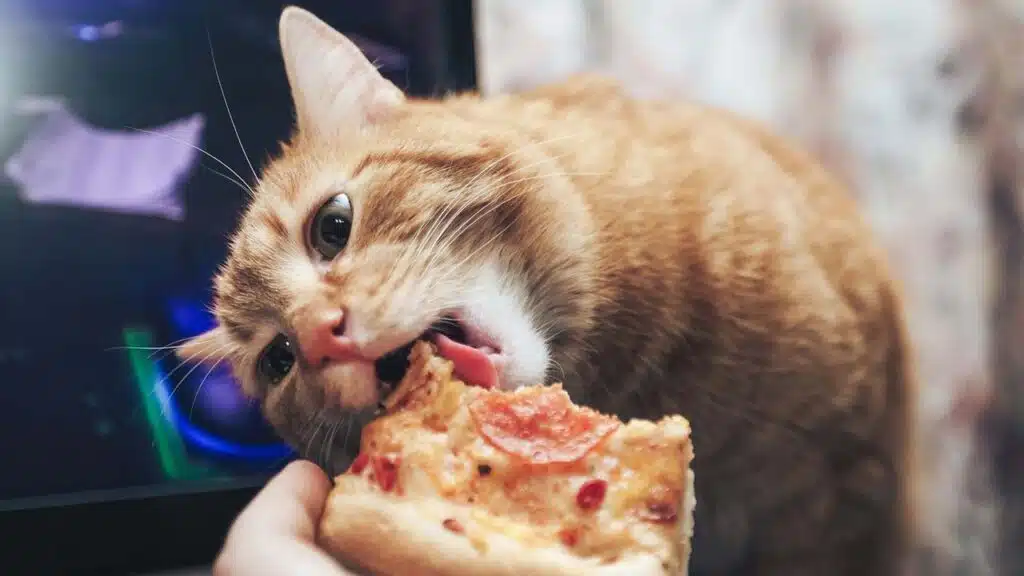
A “one-size-fits-all” approach to feeding doesn’t work. Puppies, senior dogs, and cats all have distinct nutritional requirements. Similarly, a small Chihuahua has vastly different dietary needs compared to a Great Dane.
How to Provide Tailored Nutrition
- Choose life-stage-specific foods: Ensure you’re feeding age-appropriate food—puppy, adult, or senior formulas.
- Account for breed-specific needs: Research if your pet’s breed has unique dietary requirements. For instance, large-breed dogs benefit from joint-supporting ingredients like glucosamine.
- Monitor activity levels: Adjust caloric intake based on whether your pet is highly active or relatively sedentary.
4. Overlooking Hydration
How It Happens
Pet owners often focus on food but forget the importance of clean, fresh water. Dehydration can lead to urinary tract issues, kidney problems, and overall poor health.
How to Keep Your Pet Hydrated
- Provide fresh water daily: Refill water bowls with clean water at least once a day.
- Use multiple bowls: Place water bowls in different areas of your home to encourage drinking.
- Monitor intake: If your pet isn’t drinking enough, consider wet food or adding low-sodium chicken broth to their water.
- Invest in a fountain: Many pets prefer running water, so a pet fountain can encourage hydration.
5. Feeding Table Scraps
How It Happens
Sharing table food may seem harmless, but many human foods are harmful or toxic to pets. Foods like onions, garlic, chocolate, and even grapes can be dangerous.
How to Avoid This Mistake
- Stick to pet food: Ensure your pet’s diet consists primarily of high-quality pet food.
- Educate your family: Make everyone in the household aware of which foods are off-limits for your pet.
- Offer pet-safe treats: If you want to give your pet a special treat, choose foods specifically formulated for them.
6. Ignoring Food Allergies or Sensitivities
How It Happens
Pets can develop food allergies or sensitivities that cause symptoms such as itching, gastrointestinal upset, or ear infections. Ignoring these signs can lead to chronic discomfort or health issues.
How to Identify and Manage Food Allergies
- Watch for symptoms: Look out for persistent itching, diarrhea, or vomiting.
- Try elimination diets: Work with your vet to remove potential allergens, such as chicken, beef, or dairy, from your pet’s diet.
- Opt for hypoallergenic diets: Consider foods with limited ingredients or novel proteins like venison or duck.
7. Improperly Storing Pet Food
How It Happens
Leaving pet food bags open or storing them in unsuitable environments can cause spoilage, mold growth, or pest infestations.
How to Store Pet Food Safely
- Use airtight containers: Keep food fresh by transferring it to airtight containers.
- Store in a cool, dry place: Avoid exposing food to heat or moisture, which can accelerate spoilage.
- Check expiration dates: Always use food before its expiration date.
8. Failing to Maintain a Balanced Diet
How It Happens
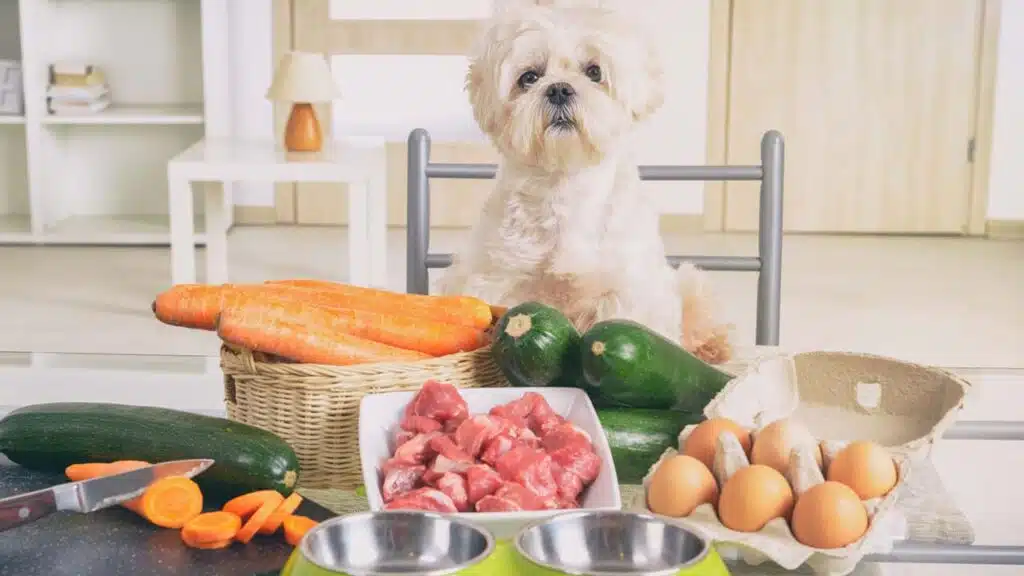
Feeding your pet only one type of food or neglecting variety can result in nutrient deficiencies or boredom.
How to Provide a Balanced Diet
- Include variety: Rotate between protein sources to provide a range of nutrients.
- Supplement carefully: If advised by a vet, add supplements like omega-3s or probiotics to their diet.
- Avoid fads: Steer clear of trendy diets unless approved by your veterinarian.
9. Skipping Regular Vet Checkups
How It Happens
Nutrition needs change over time, and failing to consult with a vet regularly can lead to undetected health or dietary issues.
How to Stay Updated on Your Pet’s Nutrition
- Schedule annual checkups: Visit your vet at least once a year to review your pet’s diet and health.
- Discuss specific concerns: If your pet shows signs of weight gain, lethargy, or digestive issues, consult your vet.
- Request blood work: Regular tests can reveal deficiencies or underlying issues requiring dietary adjustments.
10. Assuming Homemade Diets Are Always Better
How It Happens
Homemade diets are increasingly popular, but without proper planning, they can lack essential nutrients.
How to Ensure a Safe Homemade Diet
- Work with a veterinary nutritionist: Collaborate with an expert to formulate balanced recipes.
- Incorporate supplements: Add essential vitamins and minerals as needed.
- Avoid toxic ingredients: Steer clear of onions, garlic, and other harmful foods when preparing meals.
Conclusion
Feeding your pet involves more than just filling their bowl. By avoiding these ten common nutritional mistakes, you can help ensure your pet lives a happy, healthy life. Remember, every pet is unique, so always consult with your veterinarian when making significant changes to their diet.
With proper care and attention, you can provide your furry companion with the nutrition they deserve.