

Ants can be a real nuisance in your home. They show up uninvited and seem to multiply overnight. While chemical sprays might seem like a quick fix, they’re not always the best choice. Natural home remedies offer safe and effective ways to get rid of ants without harsh chemicals.
You don’t need to spend a lot of money or use toxic products to solve your ant problem. Many simple solutions can be found right in your kitchen or garden.
These natural methods are safe for pets and children, and they won’t harm the environment.
Let’s explore some easy ways to send those pesky ants packing using items you probably already have at home.
1. White Vinegar Spray
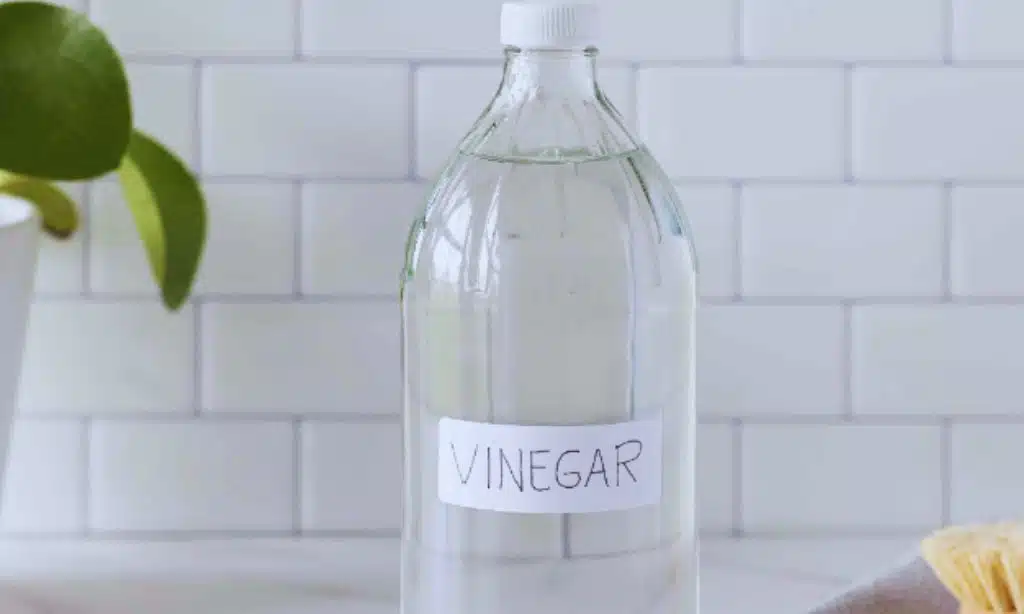
White vinegar is a powerful ant repellent. It’s cheap, easy to find, and safe to use around your home.
You can make a simple spray by mixing equal parts water and white vinegar. Pour this mixture into a spray bottle for easy application.
Spray the solution along ant trails and entry points. The strong smell of vinegar masks the scent trails ants use to navigate. This confuses them and keeps them away.
You can also use this spray on countertops, window sills, and other surfaces where you’ve seen ants. The vinegar smell will fade quickly for humans, but it remains effective against ants for a while.
Remember to reapply the spray every few days. This helps maintain its effectiveness. You might need to spray more often in areas with heavy ant traffic.
For best results, clean up food spills quickly and store food in airtight containers. This removes the ants’ food sources and makes the vinegar spray even more effective.
2. Diatomaceous Earth
Diatomaceous earth is a natural way to get rid of ants in your home. It’s made from tiny fossilized algae called diatoms. This powder looks harmless, but it’s actually quite effective against ants.
When ants walk through diatomaceous earth, it sticks to their bodies. The sharp edges of the powder cut into their exoskeletons. This causes the ants to dry out and die.
To use diatomaceous earth, sprinkle it where you’ve seen ants. Put it around entry points and along ant trails. You can also make a barrier around plants or food sources.
Make sure to use food-grade diatomaceous earth. This type is safe to use around people and pets. Avoid breathing in the dust when applying it.
Reapply the powder every few days or after it gets wet. Rain or moisture can make it less effective. You may need to use it for a week or two to see full results.
Remember, diatomaceous earth works best when it’s dry. It can take some time, but it’s a safe and natural option for ant control in your home.
3. Borax and Sugar
Borax and sugar make a powerful ant-killing combo. This mixture attracts ants with sweetness and eliminates them with borax.
To make this remedy, mix 1.5 tablespoons of borax with 1.5 cups each of warm water and sugar. Stir until everything dissolves.
Soak cotton balls in the solution. Place these near ant trails or entry points in your home. Ants will take the bait back to their colony.
The sugar lures the ants, while the borax poisons them. This method can wipe out entire ant colonies over time.
For best results, refresh the bait every few days. Keep it away from pets and children, as borax can be harmful if swallowed.
You can also try a dry version. Mix equal parts borax and powdered sugar. Sprinkle this along ant paths or problem areas.
Remember, patience is key. It may take a week or two to see results as the ants spread the mixture throughout their colony.
4. Lemon Juice and Water
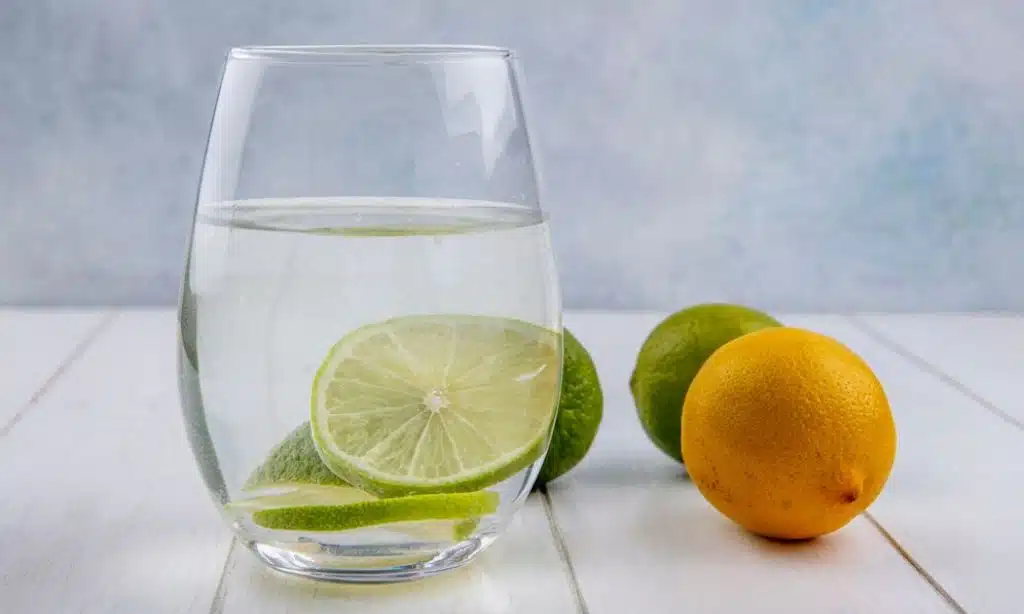
Lemon juice and water make a simple yet effective ant repellent. This natural solution is easy to make at home and safe to use around kids and pets.
To create this remedy, mix equal parts lemon juice and water in a spray bottle. You can use freshly squeezed lemons or bottled lemon juice.
Spray the mixture along ant trails, entry points, and areas where you often see ants. The strong citrus scent disrupts their pheromone trails, making it harder for them to navigate.
This solution works best when applied regularly. Spray daily until you no longer see ants. You may need to reapply after cleaning or if it rains outdoors.
For extra strength, add a few drops of lemon essential oil to your mixture. This boosts the citrus scent and makes the solution more potent.
Remember to test the spray on a small, hidden area first to ensure it doesn’t damage surfaces. Avoid spraying on wood or delicate fabrics.
While this method helps repel ants, it may not kill them. For best results, use it alongside other natural ant control methods.
5. Cucumber Peels
Cucumber peels can be a simple and effective way to get rid of ants in your home. These natural repellents contain compounds that ants dislike.
To use cucumber peels, start by washing a cucumber thoroughly. Peel the skin off and cut it into small pieces. Place these pieces near areas where you’ve seen ants, such as along baseboards or in cabinets.
The strong scent of cucumbers will deter ants from entering your space. You’ll need to replace the peels every few days to keep them fresh and effective.
For best results, try using Armenian or pickling cucumbers. These varieties have higher levels of cucurbitacins, which are the bitter compounds that repel ants.
Remember to store any unused peels in an airtight container in the fridge. This will keep them fresh until you need them again.
Cucumber peels are safe to use around kids and pets. They’re a non-toxic option for ant control that won’t harm your family or the environment.
6. Cinnamon Sticks
Cinnamon sticks can help keep ants away from your home. These fragrant spices are easy to use and smell great.
Place cinnamon sticks in areas where you’ve seen ants. Good spots include windowsills, near doors, and around food storage areas.
The strong scent of cinnamon disrupts ant trails. This makes it hard for them to find food sources in your home.
You can break cinnamon sticks into smaller pieces. Scatter these around ant entry points or problem areas.
Replace the sticks every few weeks. This keeps the scent strong and effective against ants.
Cinnamon sticks are safe to use around kids and pets. They’re a natural option that won’t harm your family.
Try putting cinnamon sticks in cabinets or pantries. This can protect your food from ant invasions.
You can also use cinnamon sticks outdoors. Place them near your home’s foundation to create a barrier.
The nice smell of cinnamon is an added bonus. Your home will have a pleasant aroma while deterring ants.
Remember, cinnamon sticks won’t kill ants. They just make your home less appealing to them.
7. Peppermint Oil
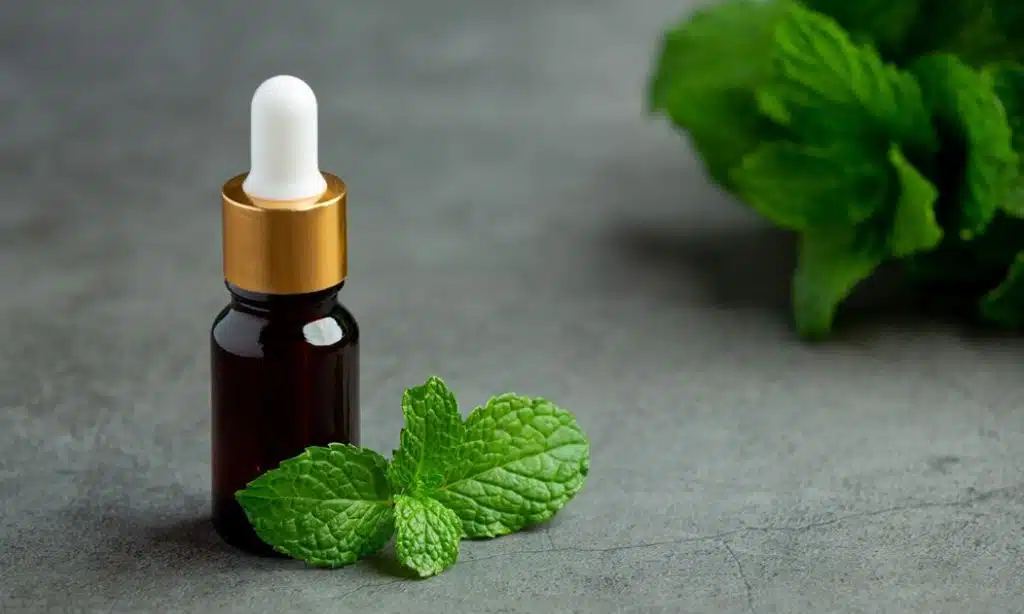
Peppermint oil is a powerful natural remedy for getting rid of ants. It has a strong scent that ants can’t stand. You can use it to keep these pesky insects away from your home.
To use peppermint oil, mix a few drops with water in a spray bottle. Spray this mixture around entry points, windowsills, and areas where you’ve seen ants. The smell will deter them from coming inside.
You can also put some peppermint oil on cotton balls. Place these in cabinets, pantries, and other spots ants like to visit. This method works well for small spaces.
For outdoor use, try sprinkling a few drops of peppermint oil around your home’s foundation. This creates a barrier that ants won’t want to cross.
Remember to reapply the peppermint oil every few days. Its smell fades over time, so you’ll need to refresh it to keep ants away.
Peppermint oil is safe for humans and pets when used correctly. But always dilute it before use and keep it away from eyes and mouths. It’s a great choice if you want to avoid harsh chemicals in your home.
8. Baking Soda and Powdered Sugar
Want to get rid of ants using items from your kitchen? Try mixing baking soda and powdered sugar. This combo can be an effective ant killer.
Mix equal parts baking soda and powdered sugar. You only need a small amount, like a tablespoon of each. Put the mixture in a shallow container or lid.
Place the container where you’ve seen ants. The sugar attracts them, but the baking soda is harmful when they eat it. Ants will take the mixture back to their nest.
This method is safe and non-toxic. It’s a good choice if you have kids or pets at home. You can sprinkle the mix directly on counters, floors, or windowsills too.
Keep an eye on the bait and replace it as needed. Ants might take a few days to a week to disappear. Be patient and consistent for the best results.
Remember to clean up any food spills and crumbs. This helps prevent more ants from coming inside. Seal entry points around your home to stop new ants from getting in.
9. Ground Coffee
Coffee grounds can help get rid of ants in your home. This natural remedy is easy to use and smells nice too.
You can sprinkle used coffee grounds around ant trails and entry points. The strong smell confuses ants and makes it hard for them to follow their scent trails.
Coffee grounds also work as a barrier. Ants don’t like to walk over them. You can create a line of grounds to keep ants out of certain areas.
Some people think the caffeine in coffee hurts ants. But there’s not much proof of this. The smell and texture are likely what makes coffee grounds work.
To use this method, save your used coffee grounds after brewing. Let them dry out completely. Then spread them where you see ants coming in.
You can also mix coffee grounds with other natural ant deterrents. Try adding some cinnamon or cayenne pepper for extra ant-fighting power.
Remember to reapply coffee grounds regularly. Rain or moisture can wash them away. You may need to put down fresh grounds every few days.
This method works best for small ant problems. For large infestations, you might need stronger solutions.
10. Talcum Powder
Talcum powder is a simple yet effective way to get rid of ants in your home. This common household item can stop ants in their tracks.
Ants use scent trails to find food and communicate with each other. Talcum powder disrupts these trails. When you sprinkle it where ants travel, they can’t follow their usual paths.
The fine powder also sticks to ants’ bodies. This makes it hard for them to move around. Some say it may even suffocate the ants, though this isn’t proven.
To use talcum powder, sprinkle it along baseboards, windowsills, and doorways. You can also create a barrier around ant hills in your yard.
Talcum powder is safe for pets and kids, unlike some harsher ant-killing methods. It’s a good choice if you want to avoid chemicals in your home.
Remember to reapply the powder after cleaning or if it gets wet. Moisture can make it less effective.
While talcum powder can help, it works best as part of a larger ant control plan. Combine it with other natural methods for the best results.
Understanding Ant Behavior
Ants enter homes looking for food, water, and shelter. They work as a team to find resources and build their colonies.
Why Ants Invade Homes
Ants come inside for several reasons:
- Food: They love sweets, proteins, and grease
- Water: Leaky pipes and damp areas attract them
- Shelter: Cracks and gaps provide safe spaces
Ants use scent trails to mark food sources. This helps other ants find the way. Once they find a good spot, they keep coming back.
Weather can also drive ants indoors. Heavy rain or extreme heat may force them to seek shelter in your home.
Common Species of Ants Found Indoors
You might see these types of ants in your house:
- Carpenter ants: Large, black ants that nest in wood
- Odorous house ants: Small, dark ants with a bad smell when crushed
- Pavement ants: Tiny, dark brown ants often found near concrete
- Argentine ants: Light to dark brown ants that form long trails
Each type has different habits. Carpenter ants can damage wood structures. Odorous house ants prefer sweets. Pavement ants eat almost anything. Argentine ants form huge colonies with many queens.
Knowing which ants you have helps you get rid of them. Look at their size, color, and behavior to figure out what kind they are.
Preventative Measures
Stopping ants before they become a problem is key. By taking a few simple steps, you can make your home less inviting to these tiny invaders.
Maintaining Cleanliness
Keep your kitchen spotless. Wipe down counters after each use. Clean up spills right away. Store food in airtight containers. Empty your trash often. Wash dishes promptly. Sweep and mop floors regularly.
Don’t leave pet food out overnight. Clean their bowls after meals. Rinse recyclables before putting them in the bin.
Take out compost daily. Keep fruit in the fridge. Fix leaky pipes that create damp areas ants love.
Regular cleaning makes your home less attractive to ants. It removes the food sources that draw them in.
Sealing Entry Points
Find and block ant entry points. Check around windows and doors for gaps. Seal cracks in your foundation. Look for holes where pipes enter your home.
Use caulk to fill small openings. For bigger gaps, try weatherstripping or foam sealant. Replace worn door sweeps and window screens.
Trim trees and bushes away from your house. Ants use these as bridges to get inside. Move firewood and mulch piles away from your foundation.
Check potted plants before bringing them indoors. Ants often nest in them. Inspect boxes and packages for hitchhikers before you bring them in.
Takeaway
Dealing with ant infestations doesn’t always require harsh chemicals or expensive treatments. These ten natural home remedies offer safe, effective ways to get rid of ants and prevent them from returning.
Each method targets ants in different ways, whether by disrupting their scent trails, creating barriers, or eliminating entire colonies.
These methods are not only safer but often more cost-effective than commercial pesticides.
Experiment with different remedies to find what works best for your situation, as the effectiveness may vary depending on the type of ants and the severity of the infestation.
























