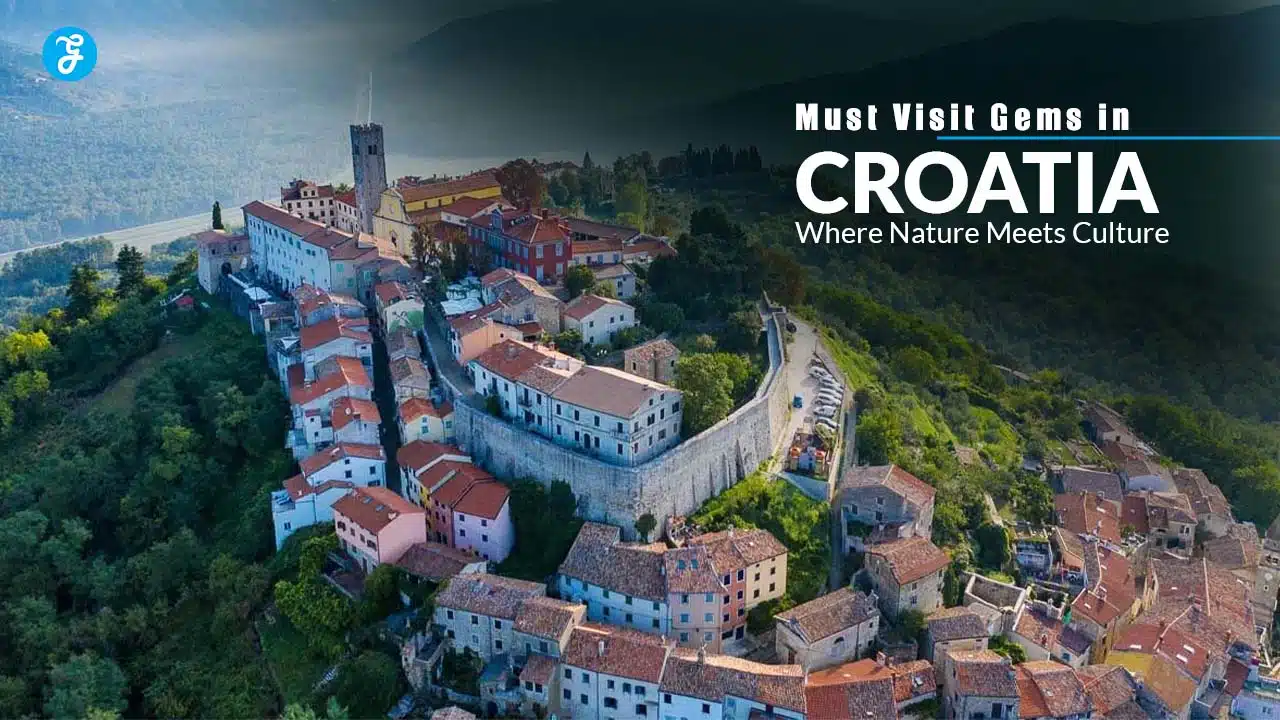
Croatia, a gem on the Adriatic coast, is a destination that promises a diverse experience, offering a perfect balance of natural beauty and rich cultural heritage. Despite its relatively small size, Croatia’s charm is boundless, with hundreds of islands, awe-inspiring national parks, and cities filled with history and character.
Whether you’re a nature enthusiast, a history buff, or simply looking for a beautiful place to relax, Croatia has something for you.
Below, we’ll explore 6 must visit gems in Croatia that capture the essence of this stunning country. Each offering its own unique blend of history, culture, and natural beauty.
1. Dubrovnik: The Pearl of the Adriatic
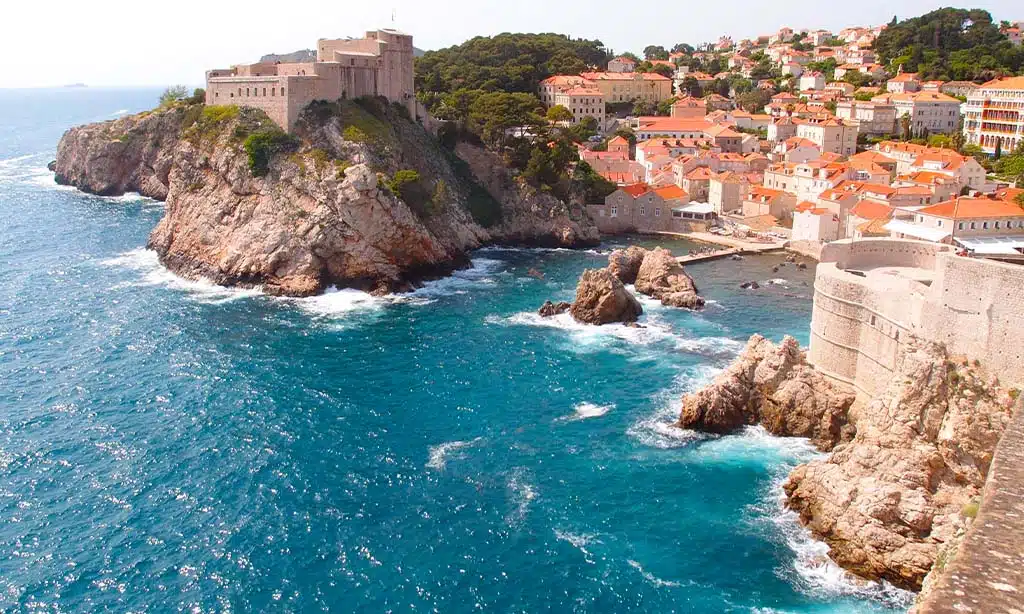
Dubrovnik, known as “The Pearl of the Adriatic,” is a stunning coastal city in Croatia. This UNESCO World Heritage Site boasts well-preserved medieval walls, historic architecture, and breathtaking sea views, making it a must-visit destination for history buffs and nature lovers alike.
Where to Visit in Dubrovnik
- Old Town Walls: Walk the 2 km of fortifications for panoramic views.
- Sponza Palace: 16th-century structure housing historical archives.
- Rector’s Palace: Former government seat, now a museum.
- Lokrum Island: Nature reserve with exotic plants and peacocks.
- Stradun: Main pedestrian street lined with shops and cafes.
- Fort Lovrijenac: Impressive fortress offering city views.
Best Time to Visit
The ideal time to visit Dubrovnik is during the shoulder seasons of May-June or September-October. These months offer pleasant weather and fewer crowds compared to the peak summer season.
Food Attractions
Dubrovnik’s culinary scene is a delightful mix of Mediterranean and Balkan influences.
- Fresh Seafood: Try local specialties like black risotto or grilled fish.
- Peka: Traditional dish of meat and vegetables cooked under a bell-shaped lid.
- Dubrovnik Rožata: A local custard pudding dessert.
- Wine Tasting: Sample Croatian wines at local bars or nearby vineyards.
- Oysters: Savor fresh oysters from nearby Ston, known for its oyster farms.
2. Split: A City Where Ancient Meets Modern
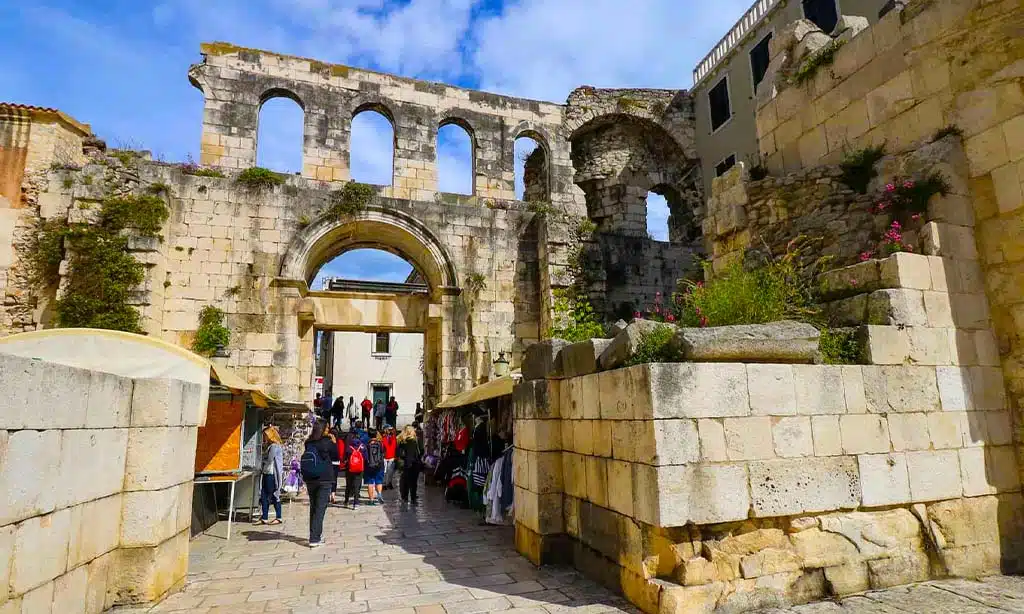
Split, Croatia’s second-largest city, is a captivating blend of ancient Roman architecture and modern Mediterranean lifestyle. Nestled along the stunning Dalmatian coast, Split offers visitors a unique experience where history comes alive within a bustling urban setting.
Where to Visit in Split
- Diocletian’s Palace: UNESCO World Heritage site and the heart of the old town.
- Saint Domnius Cathedral: One of the oldest Catholic cathedrals in use.
- Peristyle: Ancient Roman square within Diocletian’s Palace.
- Marjan Hill: Forested hill offering panoramic city views.
- Riva: Palm-lined waterfront promenade.
- Bacvice Beach: Popular city beach for swimming and relaxation.
Best Time to Visit
The ideal time to visit Split is from May to June or September to October. These months offer pleasant weather, fewer crowds, and lower prices compared to the peak summer season.
Food Attractions
Split’s culinary scene reflects its coastal location and rich history.
- Pašticada: Traditional Dalmatian beef stew.
- Fresh Seafood: Try grilled fish, octopus salad, or black risotto.
- Soparnik: Traditional savory pie filled with Swiss chard.
- Fritule: Sweet fried dough balls, a popular dessert.
- Local Wines: Sample wines from nearby regions like Pelješac or Hvar.
3. Plitvice Lakes National Park: A Natural Wonder
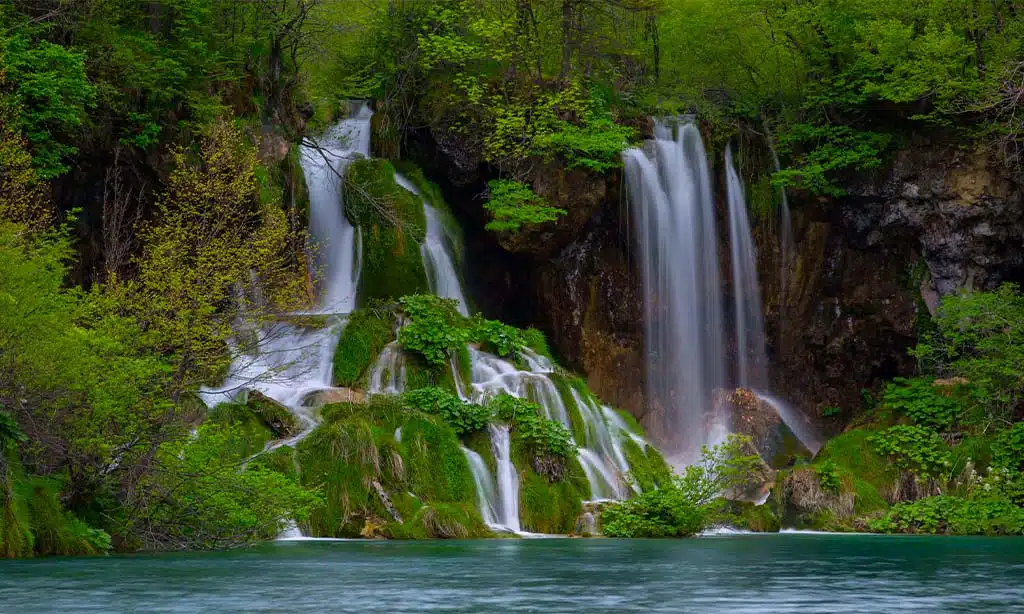
Plitvice Lakes National Park is a stunning natural wonder in Croatia, renowned for its cascading waterfalls and 16 interconnected lakes. This UNESCO World Heritage site offers visitors a magical escape into pristine nature, with its emerald-green and azure waters set against lush forests.
Where to Visit in Plitvice Lakes National Park
- 16 Interconnected Lakes: The park’s main attraction, varying in color.
- Veliki Slap: Croatia’s tallest waterfall at 78 meters.
- Wooden Footbridges: Scenic walkways over lakes and waterfalls.
- Upper Lakes: Less crowded area with beautiful waterfalls.
- Lower Lakes: More accessible area with larger waterfalls.
- Kozjak Lake: The largest lake in the park, offering boat rides.
Best Time to Visit
The ideal time to visit Plitvice Lakes is from June to September for warm weather and full waterfalls. However, spring (April-May) and fall (October) offer fewer crowds and beautiful foliage. Winter visits provide a unique, frozen landscape experience.
Food Attractions
While the park itself has limited dining options, the surrounding area offers traditional Croatian cuisine.
- Lička Kuća: Restaurant near the park entrance serving local specialties.
- Trout: Freshwater fish dishes are popular in the region.
- Štrukli: Traditional Croatian pastry filled with cottage cheese.
- Rakija: Local fruit brandy, a popular Croatian spirit.
- Picnic Areas: Bring your own food to enjoy in designated picnic spots.
4. Hvar and Korčula Islands: A Taste of Island Paradise
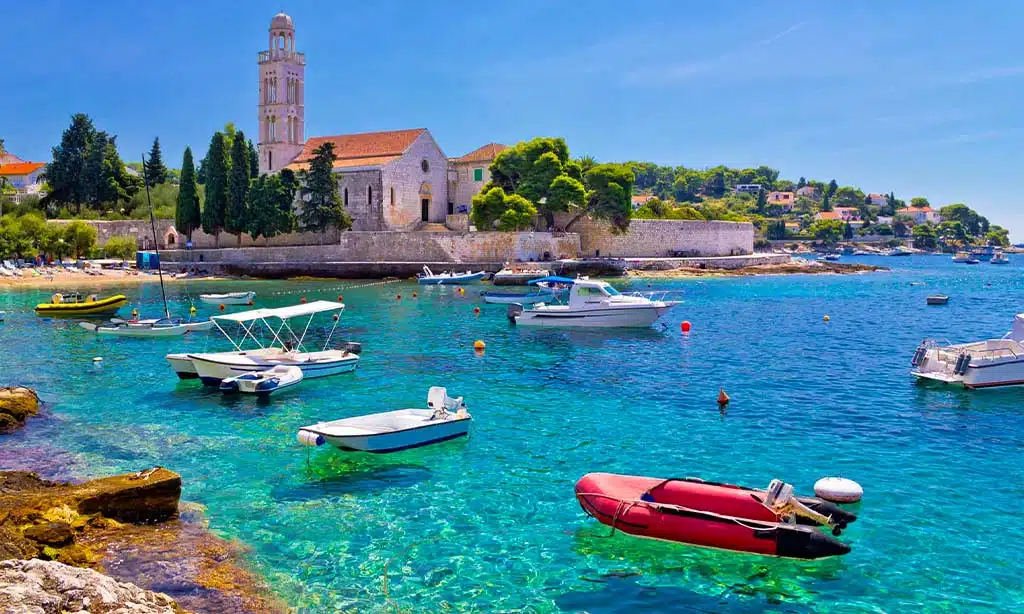
Hvar and Korčula are two of Croatia’s most popular islands, offering a perfect blend of history, culture, and natural beauty. These Adriatic gems provide visitors with stunning beaches, rich heritage, and vibrant local scenes.
Where to Visit on Hvar
- Fortica Fortress: Historic fortress with panoramic views.
- St. Stephen’s Square: Main town square with historic architecture.
- Lavender Fields: Beautiful purple fields in bloom during summer.
- Pakleni Islands: Nearby archipelago perfect for day trips.
Where to Visit on Korčula
- Old Town: Medieval walled city with narrow streets.
- Marco Polo’s House: Alleged birthplace of the famous explorer.
- St. Mark’s Cathedral: 15th-century cathedral in Korčula Town.
- Vela Luka: Charming coastal town on the western side of the island.
Best Time to Visit
The ideal time to visit both islands is from May to September. June and September offer pleasant weather and fewer crowds, while July and August are perfect for beach-goers and nightlife enthusiasts.
Food Attractions
- Gregada: Traditional fish stew.
- Paprenjak: Honey and black pepper cookies.
- Local Wines: Try Plavac Mali red wine.
- Pošip: Local white wine variety.
- Žrnovski Makaruni: Homemade pasta dish.
- Cukarin: Traditional sweet biscuits.
5. Zagreb: The Heart of Croatian Culture
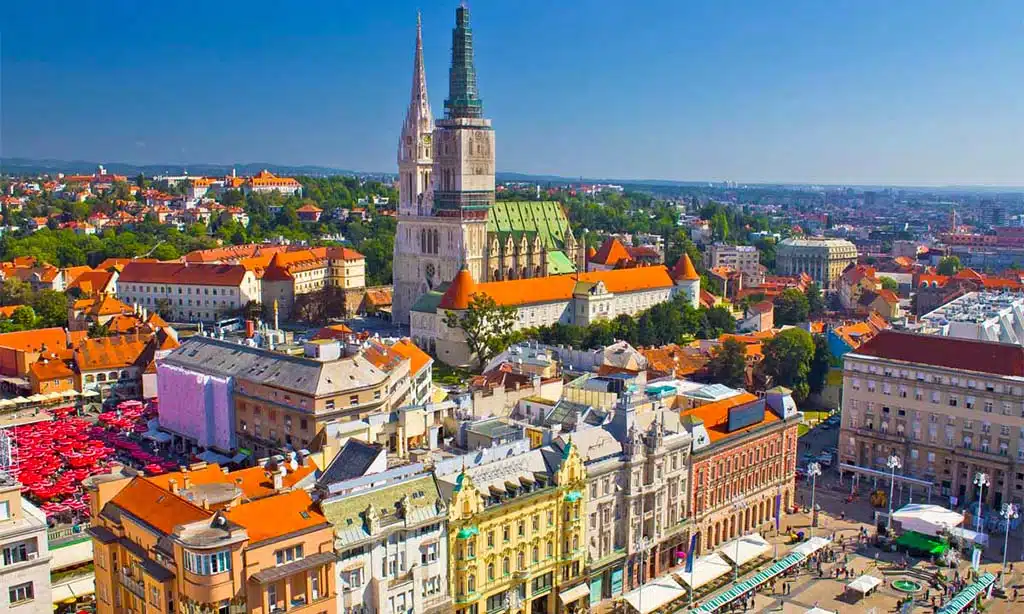
Zagreb, Croatia’s capital, is a vibrant metropolis that blends rich history with modern urban life. Split into the historic Upper Town and the more contemporary Lower Town, Zagreb offers visitors a unique cultural experience distinct from Croatia’s coastal destinations.
Where to Visit in Zagreb
- Zagreb Cathedral: Gothic masterpiece with towering spires.
- St. Mark’s Church: Iconic church with colorful tiled roof.
- Ban Jelačić Square: Main city square and meeting point.
- Dolac Market: Open-air market for fresh produce and local goods.
- Tkalčićeva Street: Lively pedestrian street with cafes and shops.
- Museum of Broken Relationships: Unique museum exploring failed relationships.
Best Time to Visit
The ideal time to visit Zagreb is from April to October. Spring (April-May) and fall (September-October) offer pleasant weather and fewer tourists. December is also popular for the city’s famous Christmas markets.
Food Attractions
Zagreb’s culinary scene reflects its continental location and cultural influences.
- Štrukli: Traditional pastry filled with cheese and cream.
- Zagrebački Odrezak: Zagreb-style schnitzel stuffed with ham and cheese.
- Kremšnite: Cream cake dessert.
- Craft Beer: Try local breweries like The Garden Brewery or Medvedgrad.
- Špica: Saturday morning coffee ritual in the city center.
- Dolac Market: Sample local cheeses, cured meats, and fresh produce.
6. Trogir: A Step Back in Time
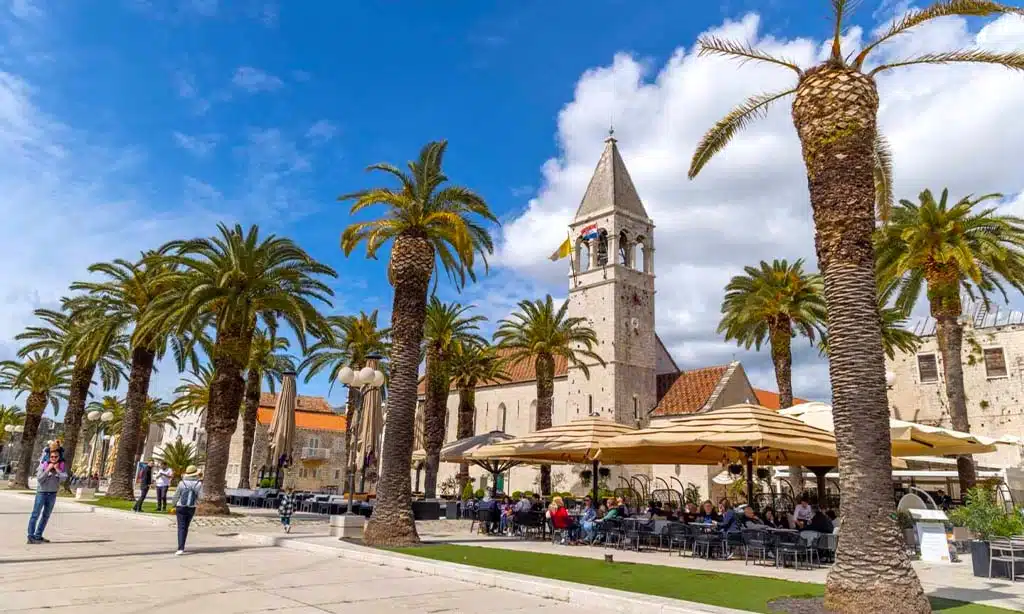
Trogir, a UNESCO World Heritage site, is a beautifully preserved medieval town located on a small island near Split. This charming destination offers visitors a glimpse into Croatia’s rich history, with its maze-like streets and impressive architecture.
Where to Visit in Trogir
- Cathedral of St. Lawrence: 13th-century Romanesque masterpiece.
- Kamerlengo Fortress: 15th-century fortress with panoramic views.
- Old Town: Maze of narrow cobblestone streets with historic buildings.
- Čipiko Palace: 15th-century palace with Gothic and Renaissance elements.
- Town Hall: 15th-century building in the main square.
- Waterfront Promenade: Perfect for leisurely walks and marina views.
Best Time to Visit
The ideal time to visit Trogir is from May to September. June and September offer pleasant weather and fewer crowds, while July and August are perfect for beach-goers but can be more crowded.
Food Attractions
Trogir’s culinary scene reflects its coastal location and rich history.
- Fresh Seafood: Try local specialties like grilled fish or octopus salad.
- Pašticada: Traditional Dalmatian beef stew.
- Trogirski Rafioli: Sweet pastry filled with almonds, a local specialty.
- Gelato: Enjoy Italian-style ice cream from local shops.
- Konoba Restaurants: Traditional taverns serving authentic Dalmatian cuisine.
- Local Wines: Sample wines from nearby regions like Kaštela or Šibenik.
Takeaways
From the ancient walls of Dubrovnik to the cascading waterfalls of Plitvice Lakes, Croatia offers a treasure trove of experiences for every traveler. Whether you’re exploring the vibrant streets of Split, basking in the sun on Hvar’s beaches, immersing yourself in Zagreb’s cultural scene, or stepping back in time in Trogir, this Adriatic gem never fails to enchant.
Croatia’s blend of stunning natural beauty, rich history, and warm hospitality makes it a must-visit destination. So pack your bags, bring your sense of adventure, and prepare to fall in love with must visit gems in Croatia of diverse landscapes, mouthwatering cuisine, and unforgettable charm. Your Croatian adventure awaits!