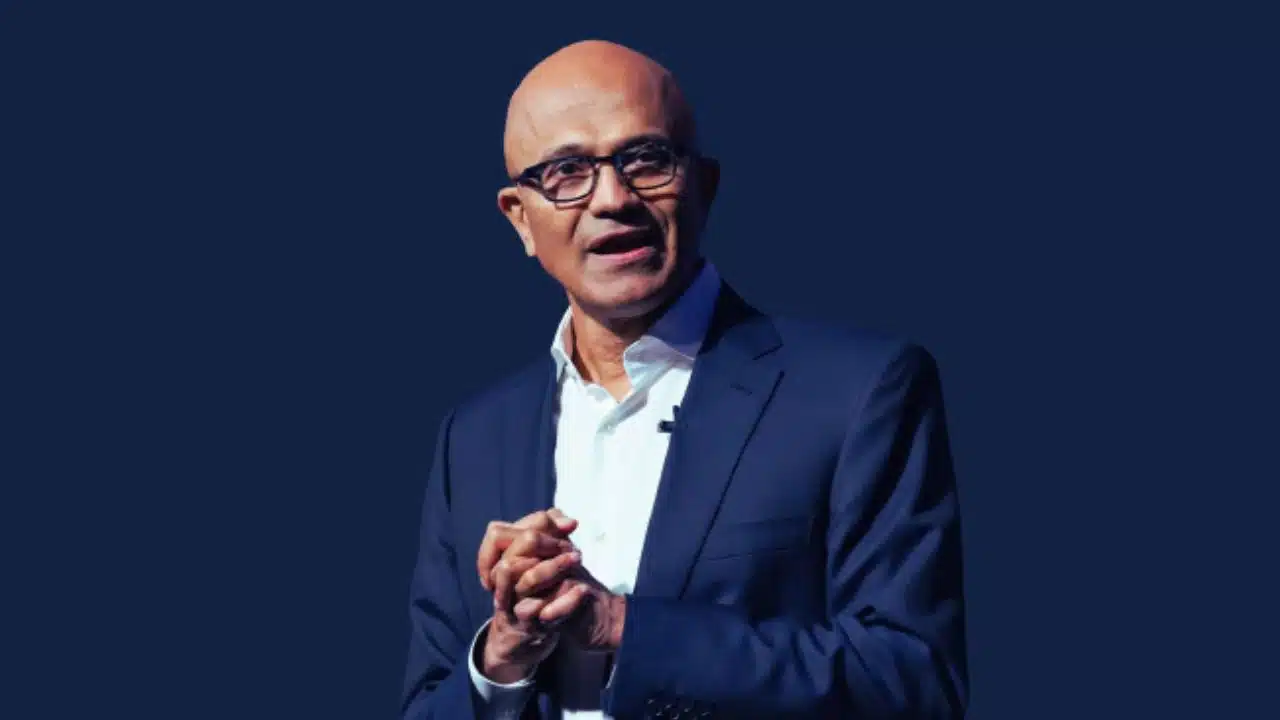
Microsoft CEO Satya Nadella announced a groundbreaking investment of $2.2 billion over the next four years to support Malaysia’s digital transformation during his three-nation tour of Southeast Asia, which includes visits to Indonesia, Thailand, and Malaysia. This marks the single largest investment by Microsoft in its 32-year history in the country, highlighting the tech giant’s commitment to fostering AI and cloud infrastructure development in the region.
Empowering Malaysia’s AI Transformation
The substantial investment aims to build a robust AI and cloud infrastructure in Malaysia, establish a state-of-the-art AI center of excellence and provide comprehensive AI training to as many as 200,000 Malaysians. Nadella emphasized Microsoft’s dedication to supporting Malaysia’s AI transformation and ensuring that all Malaysians benefit from the advancements in technology.
“We are committed to supporting Malaysia’s AI transformation and ensure it benefits all Malaysians,” Nadella said in a statement released during his keynote speech in Kuala Lumpur. “Our investments in digital infrastructure and skilling will help Malaysian businesses, communities, and developers apply the latest technology to drive inclusive economic growth and innovation across the country.”
World-Class Infrastructure for Innovation
During his keynote speech, Nadella expressed his enthusiasm for the investment, stating, “We really want to make sure that we have world-class infrastructure right here in the country so that every organisation, every software developer, and every start-up can use it to really not only build for this country but for the world and the region.”
The establishment of cutting-edge AI and cloud infrastructure in Malaysia will provide a solid foundation for businesses, developers, and startups to leverage advanced technologies and create innovative solutions that extend beyond the country’s borders, potentially impacting the entire Southeast Asian region and beyond.
Driving Inclusive Economic Growth
The investment in digital infrastructure and skilling is expected to have a profound impact on Malaysian businesses, communities, and developers. By providing access to the latest technologies and equipping individuals with the necessary skills, Microsoft aims to foster inclusive economic growth and innovation across the country.
Malaysian Trade Minister Zafrul Abdul Aziz commended Microsoft’s initiative, stating, “Microsoft’s development of essential cloud and AI infrastructure, together with AI skilling opportunities, will significantly enhance Malaysia’s digital capacity.” This endorsement underscores the Malaysian government’s recognition of the transformative potential of Microsoft’s investment in the country’s digital landscape.
AI’s Trillion-Dollar Potential in Southeast Asia
The significance of Microsoft’s investment in Malaysia is further highlighted by research conducted by global consulting firm Kearney, which indicates that AI is poised to contribute an astonishing $1 trillion to Southeast Asia’s gross domestic product by 2030. Malaysia is predicted to see more than a tenth of that contribution, emphasizing the immense potential of AI in driving economic growth and development in the region.
As one of the fastest-growing economies in Southeast Asia, Malaysia is well-positioned to capitalize on the transformative power of AI and cloud computing. Microsoft’s substantial investment will not only bolster Malaysia’s digital capabilities but also serve as a catalyst for attracting further investments and fostering a thriving ecosystem of innovation and entrepreneurship.
Microsoft’s Long-Standing Presence in Malaysia
Microsoft’s commitment to Malaysia’s digital transformation is rooted in its long-standing presence in the country. The company began its operations in Malaysia in 1992 and has since grown to employ more than 200 employees across its offices in Kuala Lumpur and the northern state of Penang.
Over the past three decades, Microsoft has actively collaborated with Malaysian businesses, government agencies, and educational institutions to promote digital literacy, foster innovation, and support the country’s economic growth. The $2.2 billion investment marks a significant milestone in Microsoft’s journey in Malaysia and reinforces its dedication to being a trusted partner in the country’s digital advancement.
Reaping the Rewards of AI Investment
Microsoft’s aggressive push into generative AI, starting with its $13 billion partnership with OpenAI, the creator of the groundbreaking ChatGPT, in 2023, has been handsomely rewarded by investors. The company’s embrace of AI has not only positioned it at the forefront of technological innovation but has also translated into impressive financial performance.
Satya Nadella reported that Microsoft’s sales in the January-March quarter of 2023 rose by an impressive 17 percent year-on-year, reaching $61.9 billion, while net profit surged by 20 percent to $21.9 billion. The integration of AI into Microsoft’s key cloud services, such as Azure, has been a significant driver of growth, becoming the core of its business under Nadella’s visionary leadership.
As Microsoft continues to invest heavily in AI and cloud computing, not only in Malaysia but also in other Southeast Asian countries like Indonesia and Thailand, it is poised to solidify its position as a global leader in these transformative technologies. The company’s commitment to empowering nations and businesses to harness the power of AI and cloud computing will undoubtedly shape the future of the region’s digital landscape and contribute to its long-term economic prosperity.
A Brighter Future for Malaysia
Microsoft’s $2.2 billion investment in Malaysia’s AI and cloud computing infrastructure is a testament to the country’s potential as a digital powerhouse in Southeast Asia. By providing the necessary tools, skills, and resources, Microsoft is empowering Malaysia to embrace the digital revolution and unlock new opportunities for growth and innovation.
As Malaysia continues to progress on its digital transformation journey, collaboration between the government, private sector, and educational institutions will be crucial in ensuring that the benefits of AI and cloud computing are harnessed effectively and inclusively. With Microsoft’s support and the collective efforts of all stakeholders, Malaysia is well on its way to becoming a leading hub for AI and cloud computing in the region, driving economic growth and improving the lives of its citizens in the process.
The Information is taken from Msn and Bloomberg.