Are you puzzled about whether maracuya and passion fruit are the same thing? You’re not alone. This confusion is common, mainly because these fruits share many similarities but also have unique differences that set them apart.
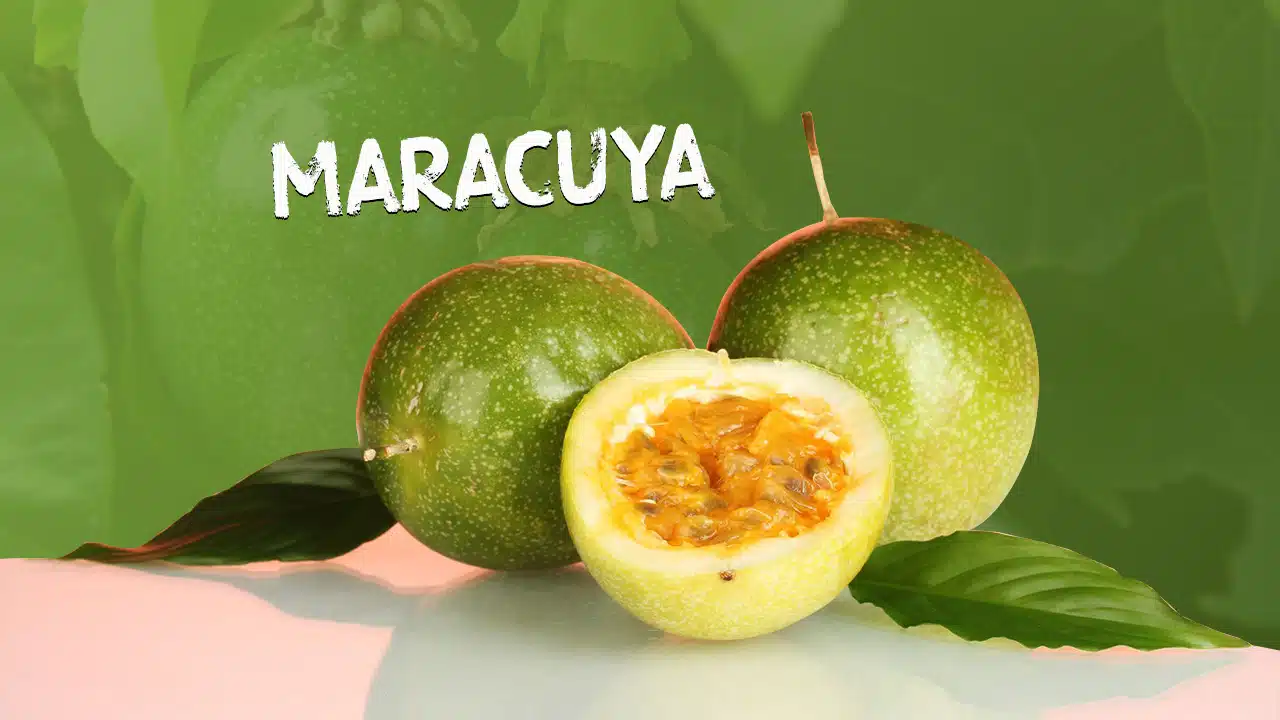
One interesting fact to note is that maracuya is a type of passion fruit known for its golden skin and slightly more intense taste compared to its purple cousin.
In this blog, we’ll look into the world of maracuya, confirming its identity as a member of the passion fruit family. We’ll explore its taste—highlighting the sweet yet tart flavors—and discuss how it’s used in different dishes around the world.
Plus, I’ll touch on some health perks this juicy fruit offers. Ready to learn all about maracuya? Keep reading!
Is Maracuya The Same As Passion Fruit?
Maracuya is indeed the same fruit as passion fruit, specifically known as golden passion fruit. This fact ties it closely to the Passiflora edulis family, which calls Central and South America its home.
Among its varieties, people often talk about granadillas and the vibrant purple and yellow ones. The yellow type is especially famous, widely recognized as passiflora edulis forma flavicarpa or simply yellow passionfruit.
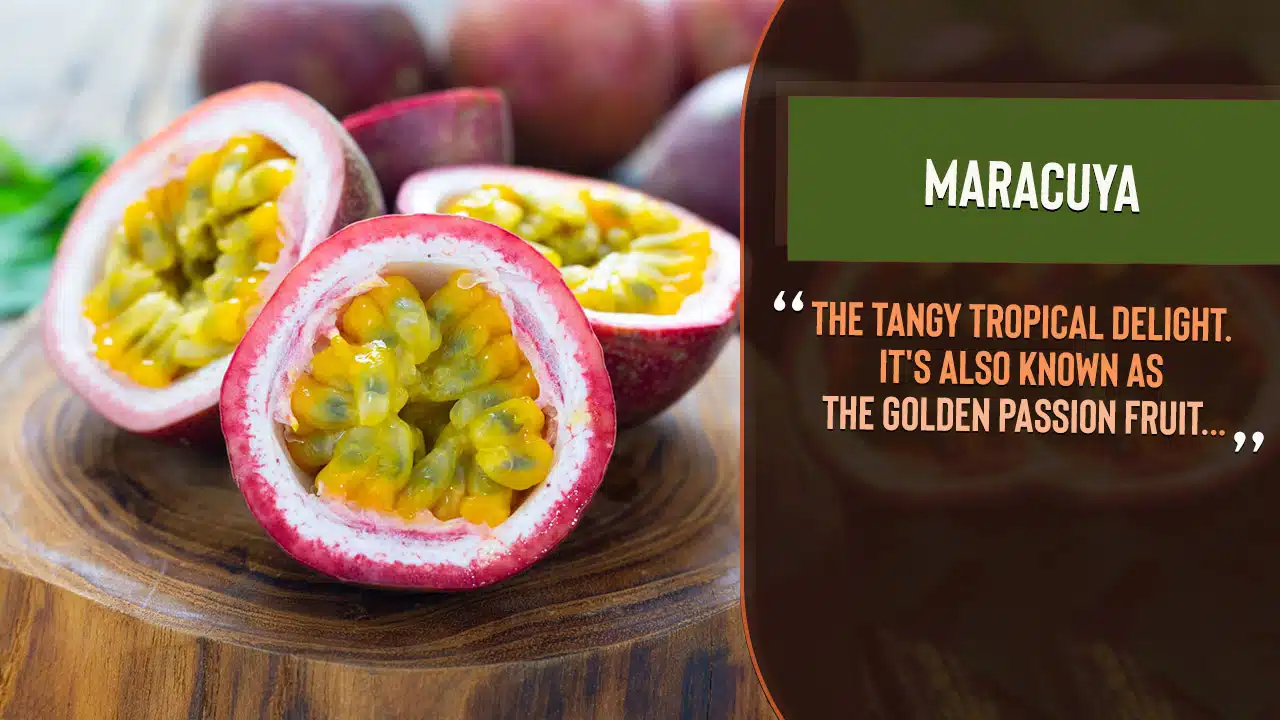
I had a chance to taste maracuya during a trip to South America. Its skin was tough, but inside lay a world of juicy seeds surrounded by aromatic pulp. It’s fascinating how this single berry can carry so much flavor—both sweet and tart at once.
From my experience, it’s clear why maracuya holds such an esteemed place in American cuisines; its versatility in dishes from smoothies to desserts is unmatched.
What Does Maracuya Taste Like?
Maracuya tastes both sweet and sour, making your mouth water. Its smell is strong and nice, just like ripe oranges or mangoes, adding to the joy of eating it.
Sweet and tart flavors
Maracuya tastes both sweet and sour. It has a powerful, tangy kick that wakes up your taste buds. Imagine mixing the best parts of oranges, mangoes, and pineapples into one fruit. That’s how maracuya feels on your tongue.
Its sweetness is like sugar with a touch of floral notes — it’s not just simple sugar sweetness; there’s depth to it because of the aromatic profile.
Then comes the tartness, sharper than what you find in purple passionfruit but still delightful. When I first tried maracuya in a traditional Peruvian ceviche dish, its sour punch was perfect with the fresh seafood.
The juice wrapped around each fish piece added an exotic twist that I hadn’t experienced before. Drinking maracuya juice or adding it to yogurt brings out its sweet-tart nature even more vividly, making for a refreshing snack or addition to lunchboxes.
Aromatic and juicy texture
The texture of maracuyá feels like a party in your mouth. Imagine taking a bite into something that’s both wet and full of life. This is what happens when you taste maracuyá. Its pulp is not just juicy; it’s also filled with tiny, edible seeds that give an enjoyable crunch.
The moisture from the fruit mixes perfectly with its strong scent, making each bite a refreshing experience.
This fruit isn’t shy about showing off its flavors, either. With a mix of sweet and sour notes, it stands out among other tropical fruits like guayaba or avocados. When you eat maracuyá, the citrusy aroma fills your nose, enhancing the taste even more.
It’s this combination of zesty smell and bittersweet flavor that makes maracayú not only fun to eat but also memorable.
Versatile Uses of Maracuya in Cuisine
Maracuya, also known as passion fruit, adds a unique taste to many dishes. Its sweet and tart flavors make it a favorite among chefs and home cooks alike. Here’s how maracuya can be used in the kitchen:
- Maracuya juice serves as a base for refreshing cocktails and non-alcoholic drinks, often mixed with other fruits like lemons to enhance its flavor.
- This fruit’s pulp is perfect for making tropical jams and jellies that bring a bright vibe to breakfast tables.
- Passion fruit curd, made from maracuya, offers a creamy texture and rich taste, making it ideal for filling pastries or topping desserts.
- It can be reduced into glazes or sauces to drizzle over cooked meats, blending beautifully with savory dishes.
- Maracuya pairs exceptionally well with chocolate, creating decadent desserts that combine sweet, tart, and bitter tastes.
- In New Zealand, pavlova topped with maracuya is a highly celebrated dessert for its light yet luxurious flavor profile.
- Hawaiian liliko’i desserts use this fruit to capture the essence of tropical sweetness in various treats like cakes and ice creams.
- Incorporating maracuya into ciders and IPAs introduces an exotic twist to these beverages, appealing to adventurous palates.
My personal experience trying maracuya mousse in Brazil showed me just how versatile this fruit can be. It was both airy and flavorful—a combination I hadn’t thought possible before tasting it!
[Video credit @AmigoFoods]
Health Benefits of Maracuya
Maracuya, also known as sweet granadilla, is packed with vitamins and minerals that are good for you. It has a lot of vitamin C, vitamin A, niacin, and riboflavin. These nutrients help keep your skin glowing and your hair shiny.
They also make your eyesight better and boost your immune system. Additionally, maracuya is a rich source of antioxidants, which shield the body from harmful particles.
This fruit is low in calories but rich in soluble fiber, making it perfect for people who want to stay fit or deal with constipation issues. Maracuya’s potassium content helps control blood pressure levels too.
For those feeling stressed or unable to sleep well at night, the flowers of this plant act as a natural remedy for anxiety and insomnia.
Takeaways
Maracuya is indeed the same fruit as passion fruit, but with a twist—it packs a more intense sweet and sour punch. This tropical delight, rich in health goodies like vitamins and antioxidants, fits snugly into both sweet treats and savory dishes.
Its bold taste spruces up everything from smoothies to sauces, making it a star in kitchens worldwide. With its roots deep in South America’s Amazon rainforest, maracuya brings not just flavor but also a piece of history to our plates.
Next time you sip on a maracuya cocktail or spoon through that jelly-like center, remember—you’re tasting a world-traveled fruit loved for both its zing and zest!