Farming is no longer just about plows and seeds. In the face of growing global food demand, climate change, and resource scarcity, agriculture is undergoing a revolutionary transformation. The United States, with its vast farmlands and technological edge, has become a hub for agritech innovation. Agritech companies are integrating advanced technologies such as artificial intelligence (AI), robotics, biotechnology, and data analytics to address modern farming challenges.
This article delves into 12 pioneering agritech companies driving this transformation. These companies are redefining how food is grown, harvested, and delivered, ensuring sustainability and efficiency in agriculture.
1. Indigo Ag
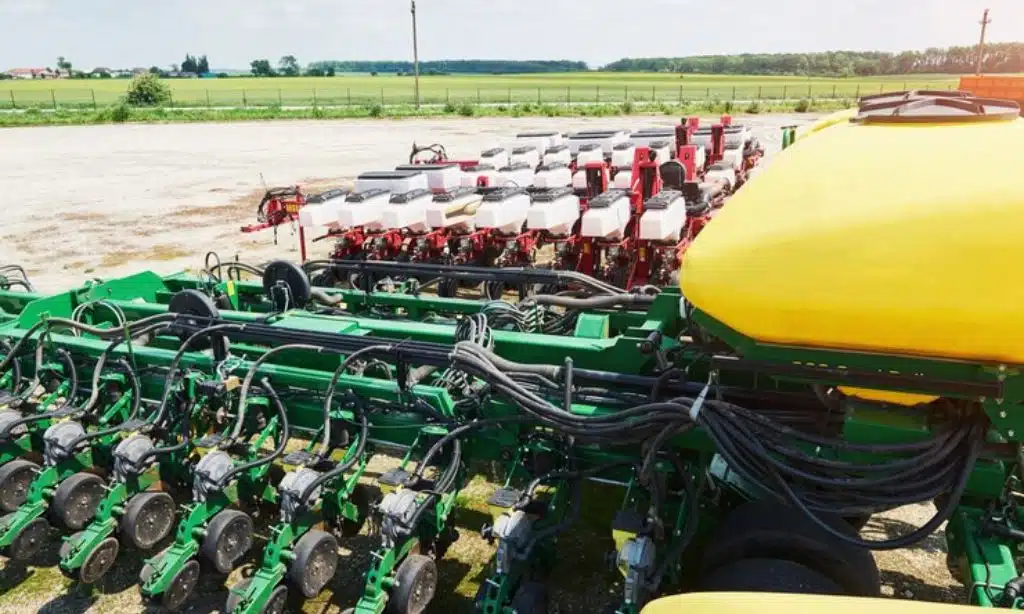
Indigo Ag combines cutting-edge microbiology and data analytics to enhance agricultural sustainability and profitability.
Key Innovations
- Microbial Seed Treatments: Using naturally occurring microbes, Indigo Ag enhances crop resilience to drought and pests while improving yields.
- Carbon Credits for Farmers: Through its carbon sequestration initiative, Indigo Ag incentivizes regenerative farming practices by allowing farmers to earn carbon credits.
- Indigo Marketplace: A digital platform that enables farmers to sell their crops directly to buyers at fair prices.
Impact
Indigo Ag’s solutions have improved soil health and water retention across millions of acres. Its carbon program is not only profitable for farmers but also helps combat climate change.
2. John Deere Precision Ag
John Deere, a leader in agricultural machinery, is revolutionizing farming with its Precision Ag Division.
Key Innovations
- AutoTrac™: A GPS-based system that enables self-driving tractors, reducing labor costs and increasing precision.
- Operations Center: A cloud-based platform that consolidates farm data, helping farmers monitor crop performance and make informed decisions.
- Smart Spraying Technology: With AI, this system targets weeds precisely, reducing chemical usage by up to 90%.
Impact
Farmers using John Deere Precision Ag tools report enhanced crop yields and significant cost savings. The technology also contributes to environmental sustainability by minimizing resource wastage.
3. AppHarvest
AppHarvest is a leader in indoor farming, leveraging technology to grow food sustainably and closer to consumers.
Key Innovations
- Smart Greenhouses: AppHarvest’s controlled environment agriculture (CEA) systems optimize water use and growing conditions.
- 90% Water Savings: Its high-tech greenhouses use rainwater recycling systems, drastically reducing water use compared to traditional farming.
- AI-Powered Robotics: Robotic systems streamline planting, monitoring, and harvesting.
Impact
AppHarvest supplies fresh produce year-round with reduced environmental impact. By growing crops locally, it cuts down on transportation costs and carbon emissions.
4. Farmers Business Network (FBN)
FBN empowers small and medium-sized farmers by democratizing access to data, resources, and markets.
Key Innovations
- Direct-to-Farmer Model: FBN enables farmers to purchase seeds, fertilizers, and chemicals at reduced prices by bypassing intermediaries.
- Data Analytics: Farmers gain access to insights about crop performance, soil health, and market trends.
- Crop Marketing Tools: FBN’s tools help farmers identify the best buyers and negotiate better prices.
Impact
FBN has reduced input costs for farmers by millions of dollars while improving profitability. Its transparent network fosters collaboration and knowledge-sharing among farmers.
5. AeroFarms
AeroFarms specializes in vertical farming, growing crops indoors without soil or sunlight.
Key Innovations
- Aeroponics Technology: Nutrients are delivered directly to plant roots through a mist, ensuring faster growth and higher yields.
- LED Lighting Systems: Tailored light spectrums optimize photosynthesis, reducing energy consumption.
- Real-Time Monitoring: Advanced sensors track plant health, allowing for immediate adjustments to optimize growth.
Impact
AeroFarms produces up to 390 times more food per square foot compared to traditional farming while using 95% less water. This makes it a model for sustainable agriculture.
6. Pivot Bio
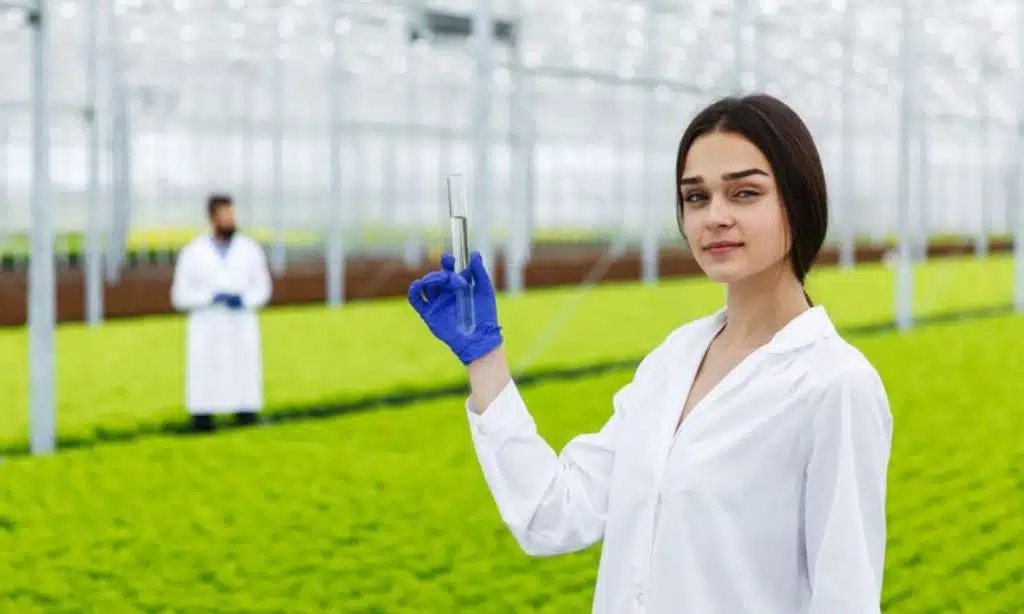
Pivot Bio is a biotechnology company offering sustainable nitrogen solutions for crops.
Key Innovations
- Nitrogen-Producing Microbes: Unlike synthetic fertilizers, Pivot Bio’s microbes naturally deliver nitrogen to plants, reducing environmental impact.
- Custom Solutions: Products are tailored for specific crops such as corn, wheat, and soybeans.
- Reduced Emissions: By minimizing fertilizer use, Pivot Bio helps reduce nitrous oxide emissions—a potent greenhouse gas.
Impact
Farmers adopting Pivot Bio’s solutions report lower input costs and better yields, all while contributing to environmental sustainability.
7. Granular
Granular provides digital farm management tools that enhance efficiency and profitability.
Key Innovations
- Comprehensive Management Software: Tracks financial performance, crop yields, and operational efficiency in one platform.
- Field-Specific Insights: Helps farmers optimize planting, fertilization, and irrigation schedules.
- Collaboration Features: Farm managers can communicate with their teams and share real-time data seamlessly.
Impact
Granular users report improved decision-making and up to a 20% increase in profitability due to streamlined operations.
8. Bowery Farming
Bowery Farming focuses on urban agriculture, bringing vertical farming technology to cities.
Key Innovations
- Vertical Farming Systems: Grow crops in stacked layers, maximizing space efficiency.
- AI-Powered Monitoring: Ensures optimal conditions for plant growth.
- Pesticide-Free Farming: Bowery uses no pesticides, ensuring safer, healthier produce.
Impact
Bowery Farming reduces food waste and transportation costs by growing food closer to urban consumers. Its sustainable practices align with the growing demand for eco-friendly produce.
9. Ceres Imaging
Ceres Imaging uses aerial imagery and analytics to monitor and manage crop health.
Key Innovations
- High-Resolution Imagery: Captures detailed views of fields to identify stress, pests, or water issues.
- AI-Based Recommendations: Analyzes imagery to provide actionable insights for farmers.
- Customized Solutions: Tailored analytics for specific crops like grapes, almonds, and citrus.
Impact
Ceres Imaging has helped farmers optimize water usage, reduce input waste, and improve yields, particularly in water-scarce regions.
10. Plenty
Plenty uses robotics and AI to take vertical farming to the next level, offering sustainable solutions for urban agriculture.
Key Innovations
- Fully Automated Systems: Robots handle everything from planting to packaging.
- Efficient Resource Use: Uses 99% less land and 95% less water compared to traditional farming.
- Proximity to Markets: Farms are built near urban centers to minimize transportation and ensure fresher produce.
Impact
Plenty’s methods reduce environmental impact while providing fresh, local food to urban populations.
11. AgBiome
AgBiome develops biological solutions to protect crops and reduce dependence on chemical pesticides.
Key Innovations
- Biological Pesticides: Leveraging microbes to naturally protect crops from pests and diseases.
- Genomics-Based Research: Uses advanced genomics to create targeted and eco-friendly crop protection products.
- Sustainable Farming: Reduces chemical runoff and preserves soil health.
Impact
AgBiome’s products help farmers reduce costs and adopt more environmentally friendly farming practices.
12. Blue River Technology
Blue River Technology, a subsidiary of John Deere, uses AI and machine learning to enhance farming efficiency.
Key Innovations
- See & Spray: AI-powered equipment identifies and targets weeds precisely, minimizing herbicide use.
- Real-Time Analytics: Provides farmers with data on crop health and field conditions.
- Automation: Enhances productivity by reducing manual labor requirements.
Impact
Blue River Technology has significantly reduced herbicide use while increasing crop yield, making farming more cost-effective and sustainable.
Agritech Companies and Their Innovations
| Company | Key Innovation | Environmental Impact | Economic Benefit |
|---|---|---|---|
| Indigo Ag | Microbial seed treatments | Improves soil health | Increases yield, carbon credits |
| John Deere Precision Ag | Autonomous farming tools | Reduces resource waste | Lowers labor costs |
| AppHarvest | Smart greenhouses | Conserves water, cuts emissions | Supplies fresher produce locally |
| FBN | Data-sharing and purchasing platform | Improves market transparency | Reduces input costs |
| AeroFarms | Aeroponics | Uses 95% less water | Maximizes food production per sq. ft |
| Pivot Bio | Nitrogen-fixing microbes | Cuts fertilizer emissions | Lowers input costs |
| Granular | Farm management software | Optimizes resource use | Boosts profitability |
| Bowery Farming | Urban vertical farming | No pesticides, less food miles | Fresher produce at reduced costs |
| Ceres Imaging | Aerial crop monitoring | Saves water | Improves yields |
| Plenty | Robotic vertical farming | Low resource use | Local, fresh produce supply |
| AgBiome | Biological pesticides | Eco-friendly pest control | Reduces chemical dependency |
| Blue River Technology | AI weed targeting | Reduces chemical waste | Saves costs, improves sustainability |
Takeaway
Agritech companies are transforming the agricultural landscape in the US. By leveraging advanced technologies like AI, robotics, and biotechnology, they’re addressing critical issues such as sustainability, efficiency, and food security. These companies not only improve farming profitability but also reduce environmental impact, making agriculture more resilient to future challenges.
As demand for innovative solutions grows, the companies highlighted here are leading the charge in revolutionizing US farming. Their contributions ensure a more sustainable and efficient food supply system, securing a better future for farmers and consumers alike.