

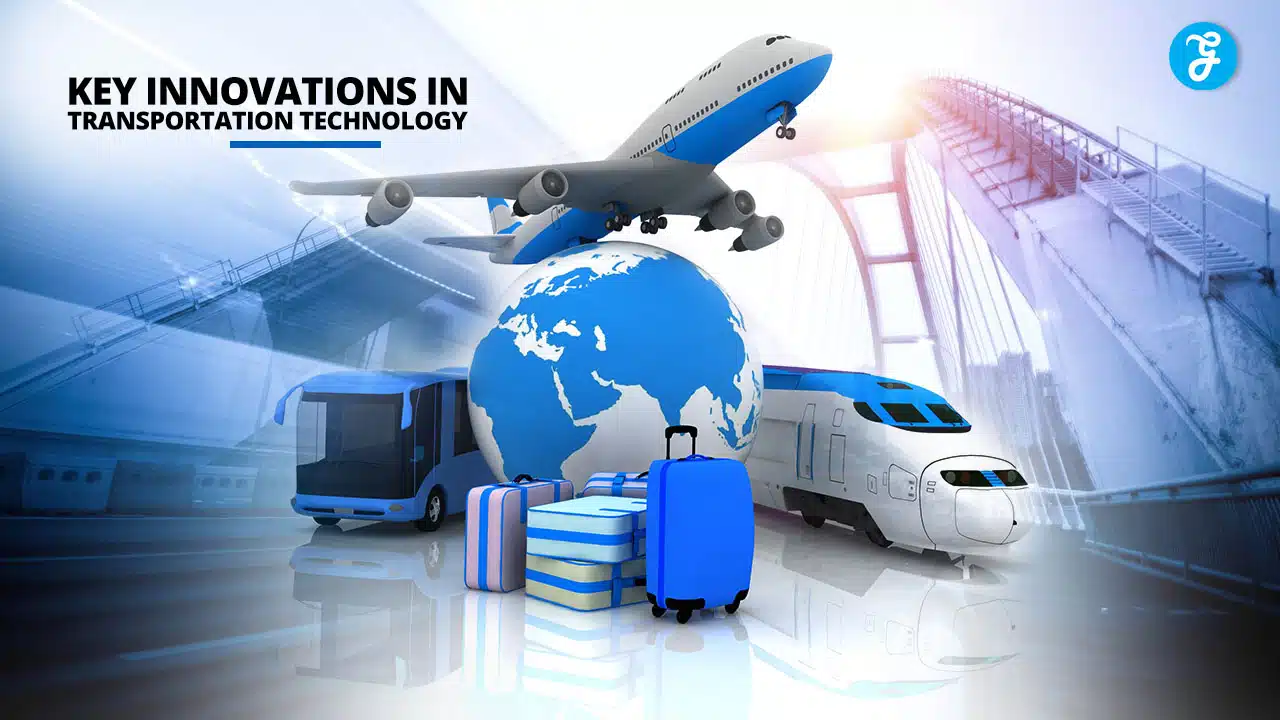
Imagine a world where your car drives itself, your daily commute happens in the sky, and you can travel from New York to Los Angeles in just 45 minutes. It sounds like science fiction. Well, buckle up, because the future of transportation is closer than you think!
We live in an exciting era where transportation technology is evolving quickly. From electric vehicles silently cruising our streets to hyperloop pods zooming through vacuum tubes, the way we move is dramatically transforming.
These innovations aren’t just cool gadgets from a sci-fi movie; they’re technologies that reshape our cities, environment, and daily lives.
In this article, we will take you on a thrilling journey through 10 critical innovations in transportation technology. We’ll explore how these groundbreaking advancements make our travels faster, safer, cleaner, and fun. Whether you’re a tech enthusiast, an eco-warrior, or just someone curious about the future, something here will blow your mind.
1. Electric Vehicles (EVs)
Remember when electric cars were slow, tedious, and barely reached the grocery store? Those days are long gone! Today’s EVs are sleek, fast, and can drive hundreds of miles on a single charge.
Key Features:
- Zero direct emissions – great for our planet!
- Instant torque for zippy acceleration
- Lower maintenance costs (goodbye, oil changes!)
- Whisper-quiet operation
Did you know? The Tesla Model S Plaid can go from 0 to 60 mph in just 1.99 seconds. That’s faster than most supercars!
Real-World Impact:
In Norway, EVs made up 54% of all new car sales in 2020. The country aims to sell only zero-emission vehicles by 2025.
Future Prospects:
By 2030, it’s estimated that EVs will account for 58% of new passenger vehicle sales globally. Get ready for a much quieter rush hour!
2. Autonomous Vehicles
Imagine reading a book, catching up on emails, or even taking a nap while your car drives you to work. That’s the promise of autonomous vehicles!
Key Features:
- Advanced sensors and AI for safe navigation
- Potential to reduce accidents caused by human error
- Increased mobility for non-drivers (elderly, disabled)
- More productive use of travel time
Fun Fact: Google’s self-driving car project, now known as Waymo, has driven over 20 billion miles in simulation and 20 million miles on public roads. That’s like driving to the moon and back 40 times!
Challenges Ahead:
While the technology progresses rapidly, issues like regulatory approval, cybersecurity, and public trust still need to be addressed.
3. Hyperloop
Imagine traveling from Los Angeles to San Francisco in just 30 minutes. That’s the promise of Hyperloop technology!
How it Works:
- Pods travel through low-pressure tubes
- Magnetic levitation reduces friction
- Speeds up to 760 mph (1,220 km/h) – faster than a jet plane!
Progress So Far:
Virgin Hyperloop conducted its first passenger test in November 2020, reaching speeds of 107 mph (172 km/h). It’s a start!
Fun Fact: Elon Musk introduced the Hyperloop concept in a 2013 white paper, calling it a “cross between a Concorde, a railgun, and an air hockey table.
4. Flying Cars and Air Taxis
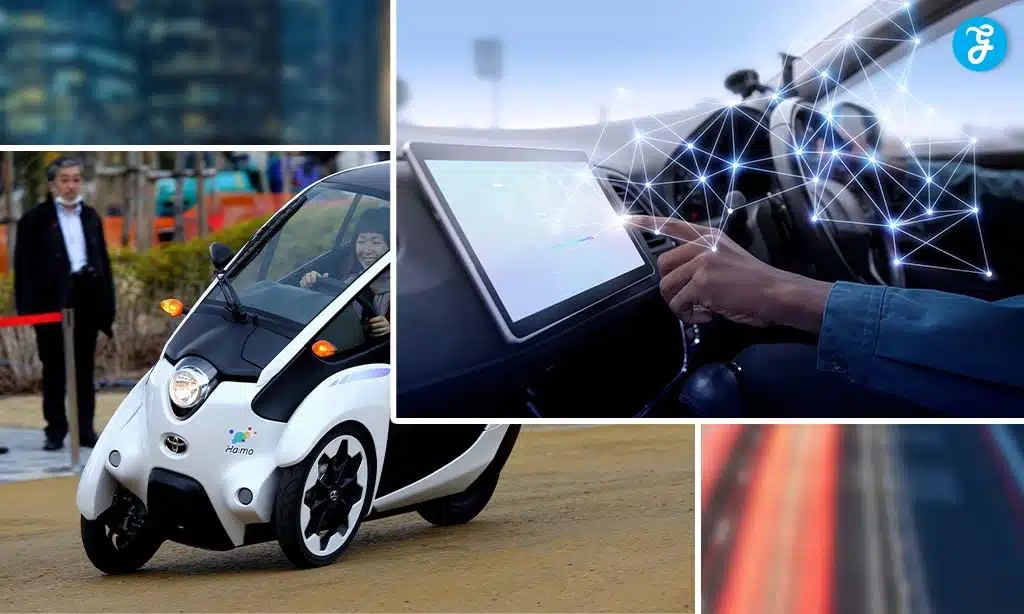
Traffic jams? Where we’re going, we don’t need roads! Flying cars and air taxis are set to take urban transportation to new heights (literally).
Key Features:
- Vertical take-off and landing (VTOL) capability
- Electric or hybrid-electric propulsion for eco-friendliness
- Potential to reduce urban congestion
Industry Progress:
Companies like Joby Aviation, Lilium, and Volocopter are leading the charge. Joby’s air taxi has completed over 1,000 test flights!
Market Projections:
The urban air mobility market is expected to reach $15.2 billion by 2030. Time to invest in rooftop parking?
5. Maglev Trains
Imagine a train that floats above the tracks, gliding smoothly at incredible speeds. That’s a Maglev train for you!
How it Works:
- Powerful magnets levitate the train above the track
- No friction means super-high speeds and a smooth ride
- Speeds up to 374 mph (602 km/h)—Tokyo to Osaka in just 67 minutes!
Real-World Example:
The Shanghai Maglev has been operational since 2004, hitting speeds of 268 mph (431 km/h).
Fun Fact: Japan is developing a Maglev line between Tokyo and Nagoya that will travel at 310 mph (500 km/h). It’s set to open in 2027. Race you there!
6. Smart Roads
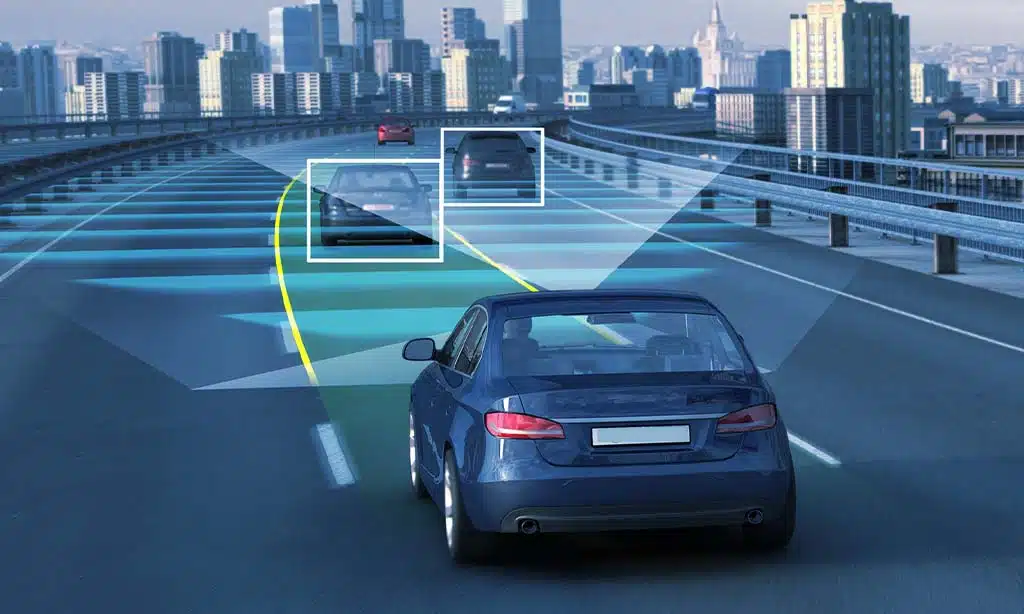
Roads that light up change lane configurations and even charge your electric car as you drive? Welcome to the world of intelligent roads!
Cool Features:
- Glow-in-the-dark lane markings (no more squinting at night!)
- Weather-responsive technology (bye-bye, black ice!)
- Solar panels for energy generation
- Wireless charging for electric vehicles
Real-World Examples:
- The Netherlands has glow-in-the-dark road markings that charge during the day and illuminate at night.
- China has a solar highway that can generate electricity.
Potential Impact:
Intelligent roads could reduce traffic accidents by up to 80% and cut travel times by 25%. Plus, they look super cool!
7. Hydrogen Fuel Cell Vehicles
Imagine a car that runs on the most abundant element in the universe and emits only water vapor. That’s a hydrogen fuel cell vehicle for you!
How it Works:
- Hydrogen reacts with oxygen in the fuel cell to produce electricity
- The only byproduct is water vapor – talk about clean energy!
- Faster refueling times compared to EV charging
Real-World Progress:
Toyota’s Mirai and Hyundai’s Nexo are already on the roads. California has over 40 hydrogen fueling stations.
Fun Fact: A hydrogen fuel cell vehicle can refuel in about 5 minutes and travel up to 380 miles on a single tank. Road trip, anyone?
8. Last-Mile Delivery Robots
Picture a cute little robot rolling down the sidewalk, bringing you your online shopping order. That’s the future of last-mile delivery!
Key Features:
- Autonomous navigation through city streets
- Reduced delivery costs and traffic congestion
- Contactless delivery option (perfect for pandemic times!)
Real-World Applications:
Starship Technologies’ robots have completed over 1 million autonomous deliveries as of 2021.
Fun Fact: Some delivery robots can cross streets, climb curbs, and even ride elevators to reach your door. Now that’s service!
9. Drone Delivery
Forget waiting for the delivery guy to navigate traffic. How about your packages dropping from the sky instead?
Key Benefits:
- Faster delivery times (minutes instead of hours)
- Access to remote areas
- Reduced road congestion and emissions
Progress So Far:
- Amazon Prime Air completed its first drone delivery in 13 minutes, from order to delivery.
- Wing (a subsidiary of Alphabet) is already operating commercial drone delivery services in parts of the U.S., Australia, and Finland.
Fun Fact: The current record for the most extended drone delivery is 97 miles, set by Johns Hopkins University for transporting medical samples.
10. High-Speed Rail
High-speed rail isn’t just fast; it’s a game-changer for medium-distance travel. Say goodbye to short-haul flights!
Key Features:
- Speeds typically between 125-250 mph (200-400 km/h)
- City center-to-city center connections
- Significantly reduced carbon emissions compared to air travel
Global Leader:
China has the world’s largest high-speed rail network, over 23,550 miles (37,900 km) as of 2020. That’s enough to circle the Earth almost once!
Environmental Impact:
A journey from London to Paris on the Eurostar high-speed train emits 90% less carbon per passenger than the equivalent short-haul flight.
Fun Fact: In tests, Japan’s L0 Series Maglev train has reached a mind-boggling speed of 374 mph (602 km/h). That’s faster than many small airplanes!
Summary
These ten innovations we’ve explored are not just cool gadgets or far-off dreams. These technologies are already changing how we move, live, and interact with our world. They promise to make our journeys faster, cleaner, safer, and more exciting.
Imagine a typical day in this not-so-distant future: You wake up, and your autonomous car drives you to work while you catch up on emails. For lunch, a drone delivers your favorite sushi. After work, you hop on a hyperloop for a quick trip to another city for dinner. On the way back, your flying taxi gives you a breathtaking view of the city lights. Sounds like science fiction? Well, it’s closer to reality than you might think!
But it’s not just about the cool factor. These innovations have the potential to solve some of our biggest challenges. They could help us fight climate change by reducing emissions. They could save countless lives by making transportation safer. They could return our time by making journeys faster and more efficient. And they could connect people and places in ways we’ve never seen before.
Of course, there are challenges to overcome. We must ensure these technologies are safe, accessible to everyone, and implemented in ways that benefit society. We’ll need new laws, infrastructure, and ways of thinking about transportation.





















