

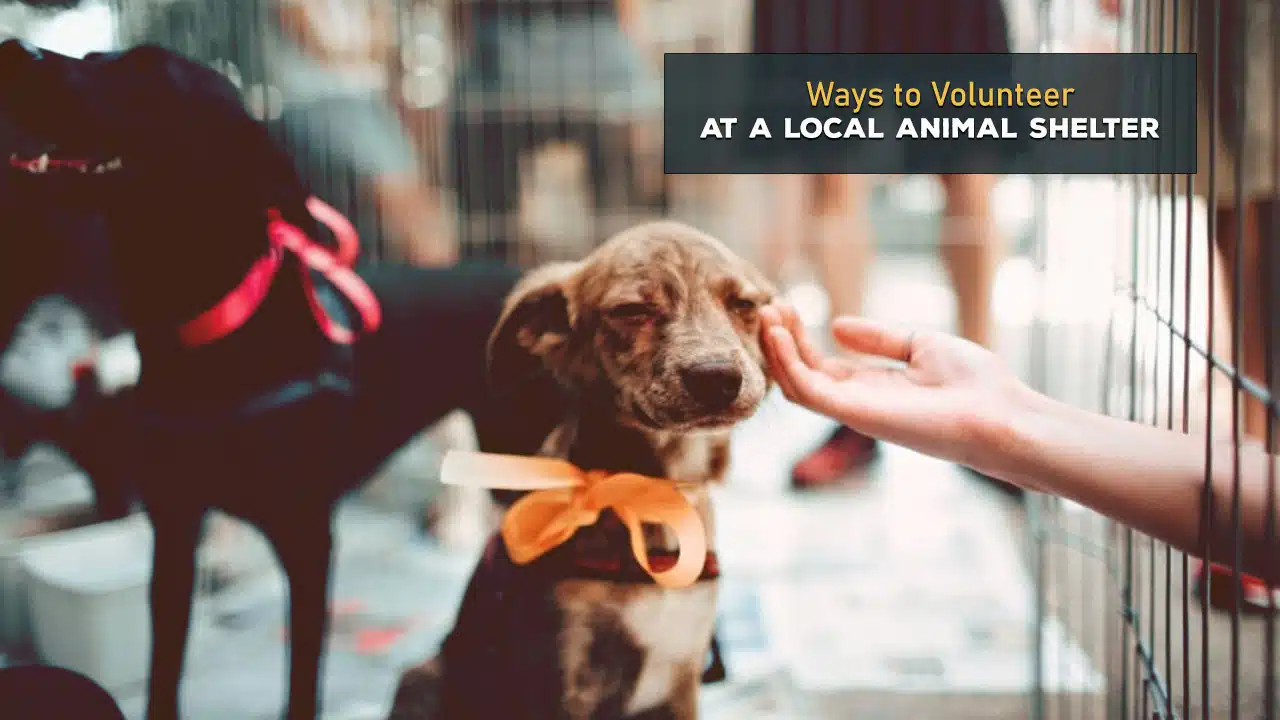
Animal shelters play a crucial role in our communities. They provide care and shelter for abandoned, lost, or surrendered animals and work tirelessly to find them loving homes. However, many shelters operate on limited budgets and rely heavily on volunteers to function effectively. Volunteering at an animal shelter is a rewarding experience and a vital service that helps these organizations continue their important work.
In this comprehensive guide, we’ll explore ten meaningful ways you can volunteer at a local animal shelter.
Whether you’re an animal lover looking to make a difference, a student seeking volunteer experience, or someone with a particular skill to offer, there’s a volunteering opportunity that’s right for you. We’ll delve into each option, discussing what it entails, why it’s essential, and how you can get started.
By the end of this article, you’ll clearly understand how you can contribute to your local animal shelter, the impact of your volunteer work, and how to take the first steps toward becoming a shelter volunteer. So, let’s dive in and discover how you can make a difference in the lives of needy animals.
1. Animal Care and Socialization
Hands-on care and socialization are among the most direct ways to help animals in shelters. Volunteering involves interacting with the animals, providing companionship, and helping with daily care routines.
What It Involves?
As an animal care and socialization volunteer, you might be asked to:
- Walk dogs
- Play with cats
- Groom animals
- Assist with feeding
- Clean cages or kennels
- Provide companionship to animals
Why It’s Important?
Socialization is crucial for shelter animals. According to a study published in the Journal of Veterinary Behavior, dogs that receive regular human interaction and enrichment in shelters show lower stress levels and are more likely to be adopted. Socialization can help cats reduce fear and aggression, making them more adaptable.
Regular interaction with humans helps animals maintain their social skills and stay mentally stimulated. This is especially important for animals in the shelter for extended periods of time. Well-socialized animals are typically happier, healthier, and more likely to find forever homes.
How to Get Started?
To become an animal care and socialization volunteer:
- Contact your local shelter and inquire about their volunteer program.
- Attend a volunteer orientation session.
- Complete any required training. This often includes learning about animal body language and safety protocols.
- Start with supervised shifts before working independently.
Remember, patience is vital. Some animals may be fearful or anxious due to their past experiences. Your consistent, gentle presence can make a difference to these animals.
2. Administrative and Clerical Support
While not as glamorous as working directly with animals, administrative and clerical support is vital to the smooth operation of an animal shelter. These behind-the-scenes roles help keep the shelter organized and efficient.
What It Involves?
As an administrative volunteer, you might:
- Answer phones and respond to emails
- File paperwork.
- Enter data into computer systems
- Assist with mailings
- Help organize fundraising events.
- Manage volunteer schedules.
Why It’s Important?
Efficient administration allows shelter staff to focus more time on animal care. According to the ASPCA, administrative volunteers can save shelters thousands of dollars annually in labor costs. This money can then be redirected to animal care, medical treatment, and adoption programs.
Record-keeping is crucial for tracking animals’ histories, medical needs, and adoption statuses. Accurate data helps shelters make informed decisions about animal care and placement.
How to Get Started?
To volunteer in an administrative role:
- Contact your local shelter about administrative volunteer opportunities.
- Highlight any relevant skills you have, such as computer proficiency or experience with data entry.
- Be prepared to commit to regular shifts; consistency is vital in administrative roles.
- Attend any necessary training on shelter software or procedures.
Remember, while you may not be working directly with animals, your work makes a significant difference in their lives by helping the shelter run smoothly.
3. Foster Care
Fostering involves temporarily caring for shelter animals in your home. This can be particularly beneficial for animals too young for adoption, recovering from illness or surgery, or needing extra socialization.
What It Involves?
As a foster volunteer, you might:
- Provide a temporary home for animals.
- Administer medication if needed.
- Socialize young or shy animals.
- Help animals recover from illness or surgery.
- Provide basic
- Transport animals to vet appointments.
Why It’s Important?
Fostering is crucial for many reasons:
- It frees up shelter space, allowing them to take in more animals.
- It provides a less stressful environment for animals to recover or grow.
- It gives animals one-on-one attention and care.
- It helps shelters learn more about an animal’s personality, which aids in finding the right forever home.
According to a study published in Animals, fostered dogs showed lower stress levels and improved behavior than those kept in shelters. This can significantly increase their chances of adoption.
How to Get Started?
To become a foster volunteer:
- Contact your local shelter about their foster program.
- Attend a foster orientation session.
- Complete any required home checks or paperwork.
- Start with short-term fostering before committing to more extended periods.
- Ensure you have a suitable space in your home for fostering.
Remember, while fostering can be incredibly rewarding, it also requires commitment and can be emotionally challenging when it’s time for the animal to be adopted.
4. Fundraising and Event Planning
Animal shelters often operate on tight budgets and rely heavily on donations. Volunteers who can help with fundraising and event planning are crucial in ensuring shelters have the resources to care for animals.
What It Involves?
As a fundraising volunteer, you might:
- Organize fundraising events
- Manage online fundraising campaigns
- Write grant proposals
- Coordinate with local businesses for sponsorships
- Plan and execute adoption events
- Manage social media fundraising efforts
Why It’s Important?
Fundraising is vital for animal shelters. According to the Humane Society of the United States, it costs an average of $150-$200 per animal for shelters to provide primary care. This doesn’t include additional costs for medical treatment, behavior training, or long-term care for animals waiting to be adopted.
Successful fundraising allows shelters to:
- Provide better care for animals
- Upgrade facilities
- Hire more staff
- Expand programs like spay/neuter clinics or community education
How to Get Started?
To volunteer in fundraising:
- Contact your local shelter about fundraising opportunities.
- Share relevant skills or experience in event planning, marketing, or fundraising.
- Be prepared to commit time to planning and executing events.
- Familiarize yourself with the shelter’s mission and needs to communicate with potential donors effectively.
Remember, creativity can go a long way in fundraising. Don’t be afraid to suggest new ideas for events or campaigns.
5. Photography and Social Media
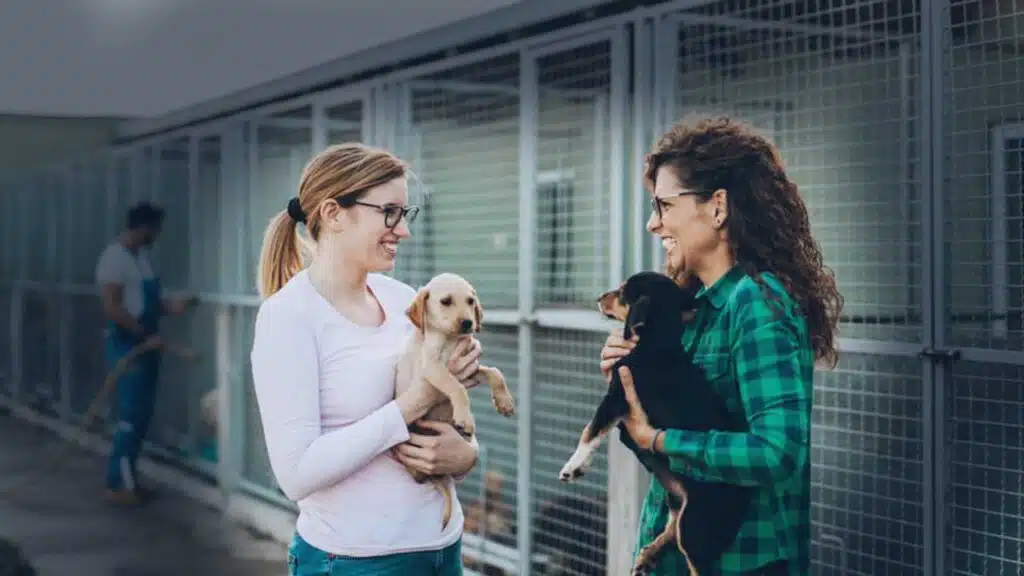
In today’s digital age, good photography and a solid social media presence can significantly impact an animal’s chances of adoption. Volunteers with skills in these areas can make a huge difference.
What It Involves?
As a photography or social media volunteer, you might:
- Take high-quality photos of animals for adoption listings.
- Create engaging social media posts
- Manage shelter social media accounts
- Write compelling bios for animals.
- Create video content about animals..
- Respond to inquiries on social media platforms..
Why It’s Important?
Good photography and social media presence are crucial for several reasons:
- They help animals get noticed by potential adopters.
- They allow the shelter to reach a wider audience.
- They can help correct misconceptions about shelter animals.
- They provide a platform for sharing success stories and urgent needs.
A study published in the Journal of Applied Animal Welfare Science found that dogs with high-quality photographs in their online profiles were adopted more quickly than those without.
How to Get Started?
To volunteer in photography or social media:
- Contact your local shelter about these specific volunteer opportunities.
- Share your photography or social media work samples if you have them.
- Familiarize yourself with the shelter’s brand voice and social media guidelines.
- Be prepared to commit regularly to keeping social media accounts active and updated.
Remember, consistency is critical in social media. Regular, engaging posts can significantly boost a shelter’s visibility and adoption rates.
6. Transport
Transport volunteers are crucial in getting animals where they need to go, whether to vet appointments, adoption events, or even to other shelters or rescue organizations.
What It Involves?
As a transport volunteer, you might:
- Drive animals to and from vet appointments
- Transport animals to adoption events
- Participate in rescue transport relays
- Pick up donated supplies
- Transfer animals between shelters
Why It’s Important?
Transport volunteers are essential for several reasons:
- They ensure animals receive necessary medical care.
- They help animals attend events where they might find forever homes.
- They facilitate the movement of animals from overcrowded shelters to those with more space.
- They allow shelters to accept donations of supplies they might not otherwise be able to collect.
According to the ASPCA, transport programs have helped save millions of animals by moving them from oversupply to areas where adoptable animals are in demand.
How to Get Started?
To become a transport volunteer:
- Contact your local shelter about transport volunteer opportunities.
- Ensure you have a reliable vehicle and a clean driving record.
- Complete any required training on animal handling and transport safety.
- Be prepared to commit to scheduled transport times.
Remember, reliability is crucial in this role. Animals and staff will count on you to show up on time and safely complete transports.
7. Behavior Training
Behavior volunteers work with animals to improve their manners and teach them basic commands, making them more adaptable.
What It Involves?
As a behavior training volunteer, you might:
- Work on basic obedience with dogs
- Help socialize shy or fearful animals
- Assist with behavior assessments
- Provide mental stimulation and enrichment activities
- Document animals’ progress for staff and potential adopters
Why It’s Important?
Behavior training is crucial for several reasons:
- It increases an animal’s chances of adoption.
- It helps animals adjust to life in a home environment.
- It reduces return rates by preparing animals for life with a family.
- It provides mental stimulation, reducing stress in the shelter environment.
A study published in the Journal of Veterinary Behavior found that dogs who received training in shelters were more likely to be adopted and less likely to be returned.
How to Get Started?
To volunteer in behavior training:
- Contact your local shelter about behavior training opportunities.
- Share any relevant experience you have with animal training.
- Be prepared to complete extensive training on animal behavior and training techniques.
- Start with simple tasks and work up to more challenging cases.
Remember, patience is vital in behavior training. Progress may be slow, but even minor improvements can make a big difference in an animal’s life.
8. Maintenance and Repairs
Shelters require regular maintenance to keep them clean, safe, and functional for animals and humans. Volunteers with skills in maintenance and repairs can be invaluable.
What It Involves?
As a maintenance volunteer, you might:
- Help with general cleaning and sanitizing
- Assist with minor repairs.
- Paint or refurbish areas of the shelter
- Help with landscaping or yard work
- Assemble or repair animal enclosures
- Assist with pest control measures
Why It’s Important?
Maintenance volunteers are crucial for several reasons:
- They help create a clean, safe environment for animals and staff.
- They reduce the shelter’s operating costs by providing skilled labor.
- They improve the shelter’s appearance, making it more welcoming to potential adopters.
- They ensure the shelter meets health and safety standards.
According to the Association of Shelter Veterinarians, proper sanitation and maintenance are essential for preventing disease transmission in animal shelters.
How to Get Started?
To volunteer in maintenance:
- Contact your local shelter about maintenance volunteer opportunities.
- Share any relevant skills or experience you have (e.g., painting, carpentry, plumbing).
- Be prepared to commit to regular shifts or specific projects.
- Follow all safety guidelines provided by the shelter.
Remember, while maintenance work might not involve direct animal interaction, it’s crucial for creating a safe, healthy environment for shelter animals.
9. Community Outreach and Education
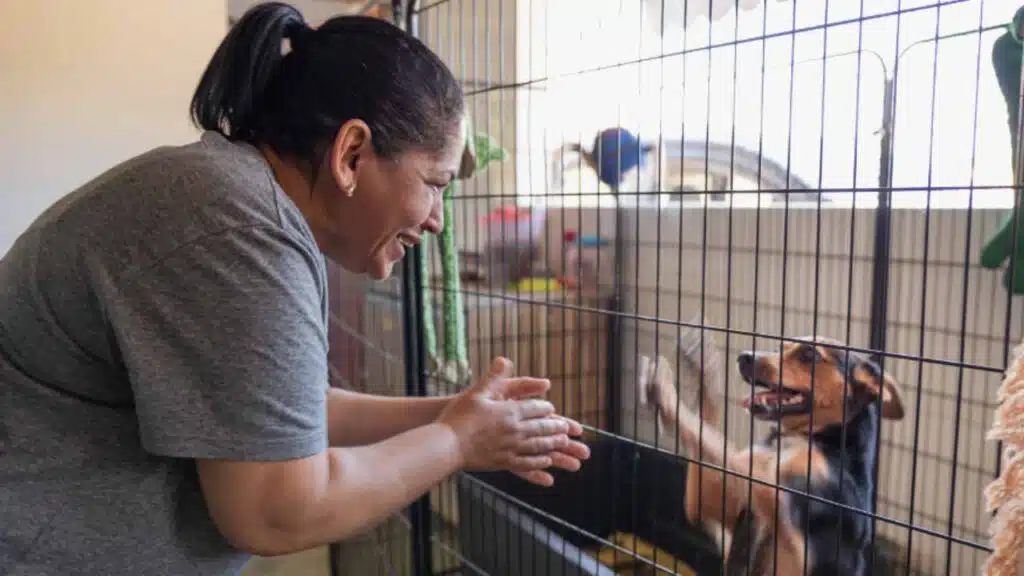
Community outreach volunteers help educate the public about animal welfare issues, responsible pet ownership, and the importance of adoption.
What It Involves?
As a community outreach volunteer, you might:
- Give presentations at schools or community events
- Staff information booths at local festivals
- Lead shelter tours
- Assist with humane education programs
- Help with adoption counseling
- Distribute informational materials in the community
Why It’s Important?
Community outreach is vital for several reasons:
- It helps prevent animal surrender by educating people about responsible pet ownership.
- It raises awareness about the importance of adoption and spaying/neutering.
- It can help recruit more volunteers and donors for the shelter.
- It builds positive relationships between the shelter and the community.
According to the Humane Society of the United States, community outreach and education programs are vital to reducing pet overpopulation and improving animal welfare in the long term.
How to Get Started?
To volunteer in community outreach:
- Contact your local shelter about outreach opportunities.
- Share any relevant experience you have in public speaking or education.
- Be prepared to learn about animal welfare issues and shelter policies.
- Start by assisting experienced volunteers before leading outreach efforts on your own.
Remember, as an outreach volunteer, you’re often the face of the shelter in the community. Patience, knowledge, and a positive attitude are essential.
10. Special Skills Volunteering
Many shelters can benefit from volunteers with specialized skills that might not typically be associated with animal care.
What It Involves?
As a special skills volunteer, you might offer expertise in areas such as:
- Legal services
- Graphic design
- Web development
- Human resources
- Accounting or bookkeeping
- Marketing or public relations
- Grant writing
- Veterinary services
Why It’s Important?
Special skills volunteering is valuable for several reasons:
- It provides shelters with professional services they might be unable to afford.
- It allows shelters to operate more efficiently and effectively.
- It can help shelters expand their programs and reach.
- It brings diverse perspectives and expertise to the organization.
A National Association of Charitable Gift Planners survey found that skilled volunteers can provide services valued at hundreds or even thousands of dollars per hour to nonprofits.
How to Get Started?
To volunteer your unique skills:
- Contact your local shelter and inquire if they could benefit from your specific expertise.
- Be clear about how much time you can commit and what services you can offer.
- Be prepared to work within the shelter’s existing systems and procedures.
- Consider joining the shelter’s board of directors if you have significant relevant experience.
Remember, even if your skills don’t directly involve animal care, they can still make a massive difference in the lives of shelter animals by improving the organization’s overall effectiveness.
Summary
Volunteering at a local animal shelter offers numerous ways to impact the lives of animals in need. Whether you prefer direct interaction through animal care and socialization, providing a temporary home as a foster caregiver, or contributing your unique administrative skills, fundraising, or specialized services, there are ample opportunities to get involved.
Each role, visible or behind the scenes, is crucial in ensuring that shelters can continue caring for and finding homes for abandoned and surrendered animals.
By committing your time and talents, you help improve the lives of the animals, support the shelter staff, and enhance the community’s overall animal welfare. The dedication and passion of volunteers are the lifeblood of animal shelters, making it possible for these organizations to operate effectively despite often limited resources.
Getting started is as simple as contacting your local shelter, attending an orientation, and finding a role that fits your skills and interests. Your efforts can bring about real change, providing animals with the care, companionship, and opportunities to thrive and find their forever homes.
Volunteering is a rewarding experience that enriches the lives of the animals and fosters a sense of community and purpose for those who give their time and energy.























