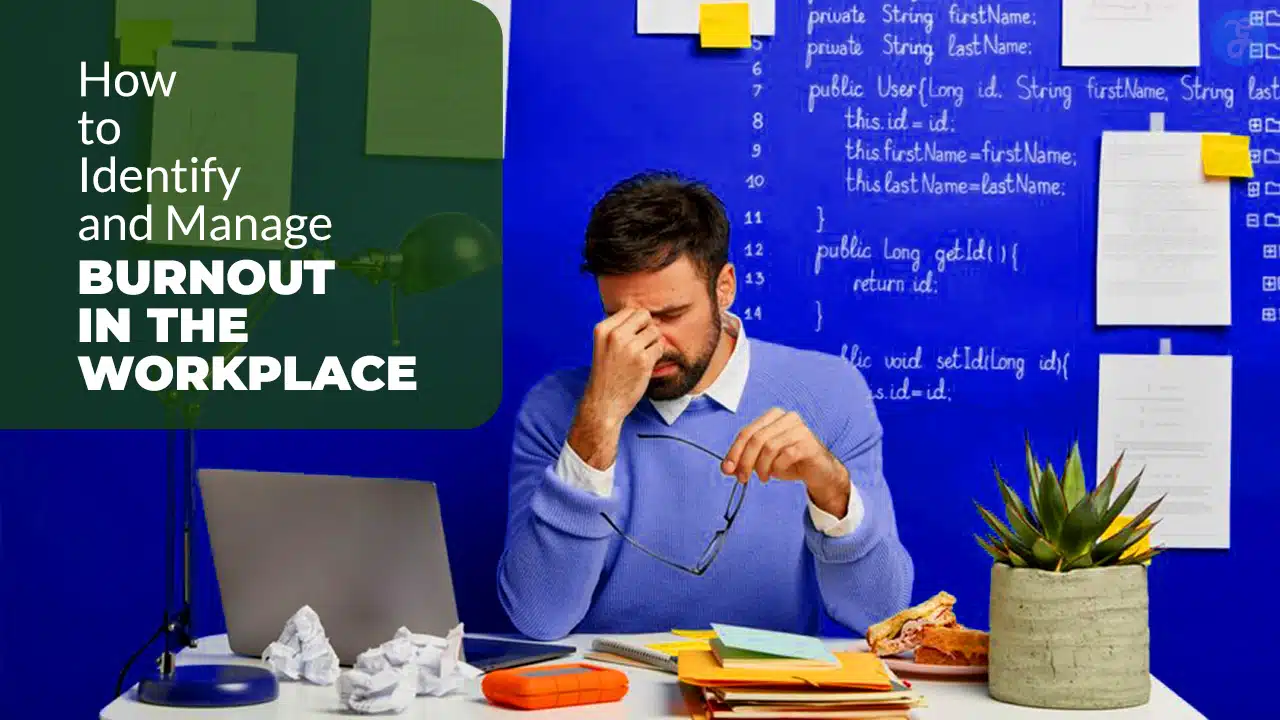
Feeling tired, stressed, or stuck at work? You’re not alone. Workplace burnout is a growing problem that affects many people. It can make you feel drained, unmotivated, and even sick.
Burnout happens when work stress doesn’t go away. Studies show it’s caused by things like heavy workloads, lack of control, or feeling undervalued. Ignoring these signs can hurt both your mental and physical health.
This blog will help you spot the symptoms of burnout and understand its causes. You’ll also learn simple tips to manage stress and feel better at work. Keep reading—you deserve a healthier workplace!
Common Symptoms of Burnout in the Workplace
Burnout can sneak up on employees, leaving them drained and overwhelmed. It often shows in how people feel, act, or even handle daily tasks at work.
Physical symptoms
Workplace burnout often shows in the body. These signs are warnings of chronic stress and should not be ignored.
- Constant fatigue makes it hard to focus or stay alert. It may feel like no amount of rest is enough.
- Frequent headaches can occur due to tension or prolonged workplace stress.
- Stomach problems, like nausea or cramps, might increase under pressure from job stress.
- Muscle pain in areas like the neck, shoulders, or back can result from sitting too long or anxiety.
- Sleep issues often arise, with employees struggling to fall asleep or waking up tired.
- Lowered immunity leads to frequent colds or infections because the body cannot fully recover from stressors.
- Weight changes happen due to unhealthy eating habits caused by emotional exhaustion.
- Heart palpitations may appear during periods of high work-related stress, increasing concerns about heart health.
- Shortness of breath often comes with feelings of being overwhelmed at work.
- Sweating more than usual might occur as the body reacts to ongoing mental fatigue.
Emotional and mental signs
Feeling burned out can harm mental and emotional health. It may start small but grow worse if ignored.
- Low energy or motivation to work often appears first. People might feel drained or struggle to start tasks.
- Being easily irritated by coworkers, clients, or managers is common. Small issues may feel overwhelming.
- Frequent feelings of failure or self-doubt occur when stress builds up. Employees may think their work lacks meaning.
- Trouble concentrating impacts daily tasks. This can lead to mistakes or missed deadlines.
- Constant worry about work lingers even outside office hours. This steals focus from personal life and rest.
- Emotional exhaustion makes it hard to care about tasks or others’ needs. Compassion fatigue grows in high-stress jobs like healthcare and teaching.
- Negative thinking takes over, with employees doubting worth or purpose at work.
- Sudden mood swings show deeper problems with mental wellness tied to workplace stress.
- Feeling detached from the job creates apathy and job dissatisfaction over time. Remote workers might feel isolated due to lack of support.
- Struggles with sleep are a major sign, leaving one unable to recharge for the next day at work.
- Daydreaming while on the job may increase as employees lose interest in their roles due to burnout syndrome.
- Panic attacks linked to workplace stresses are also a warning that stress levels are too high.
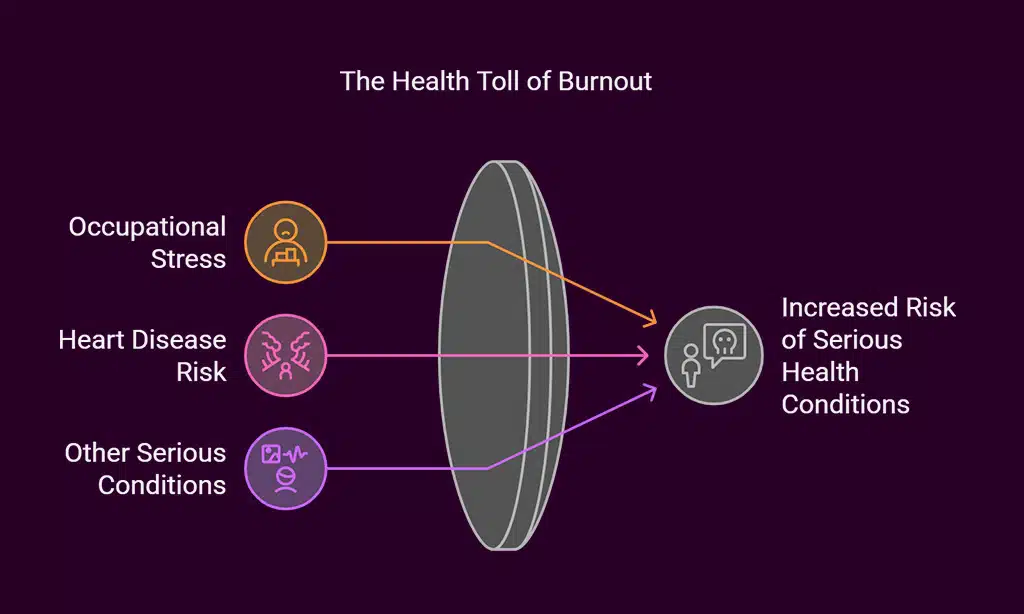
- Physical signs like stomach aches, headaches, or heart disease often link closely with this emotional exhaustion caused by chronic workplace stress.
Behavioral changes
Behavioral changes are clear signs of workplace burnout. These shifts often show how stress impacts a person’s actions and workplace habits.
- Taking longer to finish tasks shows loss of focus or motivation due to chronic workplace stress. This can lead to job dissatisfaction over time.
- Increased absences may signal workplace burnout or emotional exhaustion, with employees finding it hard to face work.
- Procrastinating reflects low energy and a lack of urgency, which are common indicators of burning out at work.
- Avoiding team activities hints at social withdrawal caused by mental health struggles like stress or resentment toward the organizational culture.
- Displaying irritability or impatience points to emotional illness tied to feelings of tiredness and frustration from unmanageable workloads.
- Reduced engagement during meetings is often linked to feeling undervalued at work, which affects employee mental health negatively.
- Forgetting deadlines suggests physical exhaustion and cognitive strain from ongoing occupational burnout.
- Sudden mood swings may result from an overwhelming workload or feeling unsupported in one’s working conditions.
- Ignoring feedback hints at low morale, signaling that the employee feels disconnected from their role or team goals.
- Increased conflicts with coworkers highlight poor coping skills influenced by high workplace stress levels.
Behavioral changes can harm teams if left unchecked, affecting both productivity and relationships within organizations.
Key Causes of Workplace Burnout
Heavy stress at work can harm both your mind and body. Poor job conditions often lead to feeling drained or unmotivated.
1. Unmanageable workloads
Too much work causes stress and tiredness. Overloaded employees often face emotional exhaustion and physical health issues like heart disease. Long hours and constant pressure make burnout worse, leaving people unable to sleep or focus.
Burnout happens when you give too much of yourself for too long. — Unknown
Chronic workplace stress lowers motivation and job satisfaction. Workers may feel their efforts are meaningless or unsupported by employers. This cycle harms mental health, leading to higher rates of workplace burnout.
2. Lack of control or autonomy
Feeling powerless at work can lead to burnout. Employees need control over their tasks and decisions. Without it, they may feel stuck or undervalued. A lack of autonomy can cause job dissatisfaction, emotional exhaustion, and chronic workplace stress.
Workers who can’t shape their workload often lose motivation. They might feel like their efforts don’t matter. This sense of futility increases the risk of burnout syndrome. Employers should give staff more flexibility to reduce workplace stress and improve employee engagement.
3. Insufficient recognition or rewards
Lack of recognition can make employees feel invisible. Without rewards or praise, workers may think their efforts are pointless. This often leads to emotional exhaustion and job dissatisfaction.
Over time, burnout becomes more likely.
Workers need to know their contributions matter. Simple gestures like saying “great job” or giving a bonus can boost motivation. A Harvard Business Review study found that feeling valued improves employee engagement and mental health in the workplace.
Types of Burnout
Burnout comes in different forms, each affecting employees uniquely—learn how these types impact work and well-being.
1. Overload burnout
Overload burnout happens when employees face unmanageable workloads or long hours. Pushing to meet endless deadlines can cause emotional exhaustion and physical health problems, like heart disease.
Many workers under constant pressure feel powerless or lack motivation. This type of chronic workplace stress often leads to job dissatisfaction and low employee engagement.
Workers experiencing overload burnout may lose focus or show signs of frustration. They might disconnect from colleagues due to mental fatigue. Employers should watch for these behaviors and support stress management efforts to protect both employee mental health and workplace productivity.
2. Under-challenged burnout
Feeling stuck in a job with no challenge can create under-challenged burnout. Employees might feel bored or unmotivated. This type of burnout often happens when people think their work lacks purpose or meaning.
They may lose interest and stop caring about tasks, leading to emotional exhaustion over time.
Low engagement can harm mental health and increase chronic workplace stress. Workers experiencing this burnout often report lack of motivation and job dissatisfaction. Promoting employee engagement, offering chances for growth, or showing recognition can help fight this issue.
A strong organizational culture that values everyone’s role is key to preventing under-challenged burnout.
3. Neglect burnout
Neglect burnout happens when workers feel unimportant or ignored. It often occurs in jobs without clear goals, support, or opportunities to grow. Employees may lose motivation and feel helpless.
Chronic workplace stress builds up when tasks seem pointless or undervalued.
Unpaid labor and lack of direction can increase the risk. Over time, emotional exhaustion sets in. Workers might avoid projects, make careless mistakes, or isolate themselves from colleagues.
This harms mental health and job performance if left unchecked.
Strategies for Managing Burnout

Taking steps to handle burnout can boost well-being and job satisfaction. Simple changes at work or home can make a big difference.
1. Prioritize work-life balance
Set clear boundaries between work and personal life. Avoid working late hours unless necessary. Studies show long hours increase workplace stress and risk of burnout syndrome. Use time off to recharge, preventing mental and physical exhaustion.
Take breaks during the day, like a lunch break away from your desk. This reduces chronic workplace stress. Focus on hobbies or spend time with loved ones after work. Healthy balance improves employee engagement and reduces job dissatisfaction over time.
2. Build strong workplace relationships
Strong connections at work reduce stress and boost employee mental health. Healthy bonds create trust, teamwork, and better communication. Workers feel valued when they share ideas openly with peers or leaders.
A Harvard Business Review study shows that a supportive workplace increases engagement and prevents burnout.
Colleagues who support each other can handle workplace stress better. Simple actions like showing empathy or listening help build trust. Managers should promote team activities to strengthen these ties.
Strong relationships improve job satisfaction and reduce emotional exhaustion caused by chronic workplace stress.
3. Encourage open communication
Create a safe space where employees feel heard. Allow them to share concerns about chronic workplace stress or emotional exhaustion without fear. Regular check-ins can help uncover burnout symptoms like job dissatisfaction or lack of motivation.
Encourage team discussions on workloads and priorities. Offer solutions if someone feels overwhelmed by unmanageable tasks. Open communication boosts employee mental health, fosters trust, and strengthens organizational culture.
4. Promote mindfulness and self-care
Take short breaks during work. Use this time to stretch, breathe deeply, or relax your mind. These small pauses can reduce chronic workplace stress and improve mental health.
Practice mindfulness daily. Focus on one task at a time instead of multitasking. This helps lower emotional exhaustion and improves focus. Self-care, like eating healthy meals or getting enough sleep, boosts both physical and mental health.
Takeaways
Burnout is a serious issue. It hurts employees and workplaces alike. Experts agree that recognizing burnout early is key.
Dr. Linda Harper, a clinical psychologist with 20 years of experience, believes addressing burnout starts with awareness. She has worked with organizations to improve mental health strategies and focuses on reducing workplace stress.
Harper explains that symptoms like physical exhaustion or lack of motivation can’t be ignored. These signs show how harmful chronic workplace stress can be. Research confirms this leads to emotional exhaustion and poor mental health if left unchecked.
She highlights ethical concerns for employers too—ignoring burnout risks both productivity and staff well-being. Transparent communication about workloads and fair recognition are vital steps to prevent job dissatisfaction.
For daily life, Dr. Harper suggests setting firm work-life boundaries, practicing mindfulness, and seeking help when needed from therapists or social workers trained in occupational health issues.
Burnout tools work but need balance, she says—they’re effective but require support systems at work. Other approaches may focus only on individuals without tackling toxic organizational culture fully.
Dr. Harper recommends prioritizing employee mental health now more than ever due to the added pressures of remote work post-pandemic shifts in routines globally impacting engagement levels deeply while suggesting all solutions should align practically toward improving wellness over goals long-term clearly proactive measures essential achieving trust between management teams workers healthy environments success stable futures together achieved responsibly adhering ADA regulations fostering inclusivity simultaneously robustly compassionate frameworks sustainably fostering better humanity equitable respect care initiatives!
FAQs on How to Identify and Manage Burnout in the Workplace
1. What is workplace burnout, and how can I identify it?
Workplace burnout happens when chronic stress leads to emotional exhaustion, physical fatigue, and lack of motivation. Signs include job dissatisfaction, trouble concentrating, and feeling drained even after rest.
2. How does work-life balance help prevent employee burnout?
A healthy work-life balance reduces workplace stress by giving employees time to recharge. This helps improve mental health, physical health, and overall engagement at work.
3. Can remote work increase the risk of burnout?
Yes, working from home can blur boundaries between personal life and work responsibilities. Without proper stress management or social support, this may lead to chronic workplace stress or feelings of isolation.
4. What role does organizational culture play in managing employee mental health?
An organization with supportive leadership promotes open communication about mental health issues like trauma or PTSD while encouraging access to therapists or clinical psychologists for care.
5. How does long-term burnout affect physical health?
Burnout syndrome increases risks for heart disease and other serious conditions caused by prolonged exposure to unmanaged occupational stress.