Plastic pollution is one of the most pressing environmental challenges of our time. Every year, millions of tons of plastic waste end up in oceans and landfills, causing significant harm to marine life and ecosystems.
Among the major contributors to this crisis are single-use plastic straws, which are widely used but rarely recycled. Fortunately, reusable straws have emerged as a sustainable alternative, helping to combat plastic pollution.
In this article, we will explore ten crucial facts about how reusable straws are making a difference in reducing plastic waste. Additionally, we will present tables and real-world data to illustrate the impact of reusable straws more effectively.
1. The Global Plastic Pollution Crisis
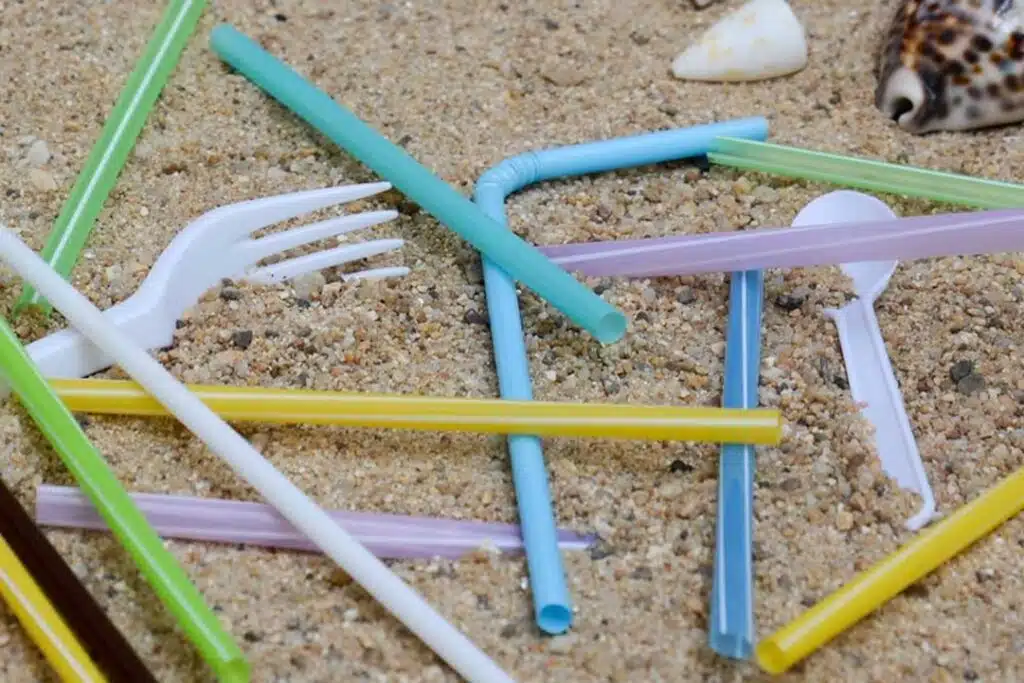
Plastic pollution is a growing concern, affecting the health of our planet and all living beings. Every year, billions of plastic items, including straws, are discarded, leading to environmental degradation. The rise of reusable straws offers a practical and impactful way to minimize waste and reduce plastic pollution. By switching to sustainable alternatives, individuals and businesses can take meaningful steps toward a cleaner and healthier environment.
How Plastic Waste Harms the Environment
Plastic waste is one of the most pressing environmental issues, with single-use plastics contributing significantly to pollution levels. Straws, though small, are a major contributor due to their widespread use and disposal challenges. The shift to reusable straws is an essential step toward mitigating this crisis, offering a practical and effective solution to minimize waste and reduce plastic pollution.
- Over 8 million tons of plastic enter the oceans every year, disrupting marine ecosystems and contaminating water bodies.
- Marine animals often ingest or become entangled in plastic waste, leading to injury or death.
- Microplastics from plastic degradation contaminate water, food sources, and even human bodies.
| Impact Area | Consequence |
| Marine Life | Ingestion of plastic, entanglement |
| Ecosystems | Disruption of natural habitats |
| Human Health | Microplastic ingestion via food and water |
Why Single-Use Plastic Straws Are a Major Problem
Single-use plastic straws are one of the most commonly discarded plastic items, contributing significantly to global waste. Due to their small size, they often evade recycling processes, ending up in landfills and oceans. Reusable straws provide an effective alternative, helping to reduce plastic pollution and encourage sustainable habits among individuals and businesses.
- Americans alone use around 500 million plastic straws daily, adding to the waste crisis.
- Plastic straws take 200+ years to decompose, remaining in landfills and oceans.
- Due to their small size and lightweight nature, they are often difficult to recycle and are carried by wind and water to pollute natural environments.
2. The Role of Reusable Straws in Reducing Plastic Waste
The increasing awareness of plastic pollution has led to a global movement advocating for sustainable alternatives. Among these, reusable straws play a significant role in cutting down single-use plastics. They offer an easy yet impactful way for individuals and businesses to contribute to a cleaner environment. By understanding their benefits, more people can make informed choices that help reduce plastic waste and support long-term sustainability.
How Reusable Straws Minimize Plastic Pollution
The switch to reusable straws plays a crucial role in mitigating plastic pollution. By opting for sustainable alternatives, individuals contribute to reducing plastic waste and protecting marine life. The production of reusable straws requires fewer raw materials and results in lower carbon emissions compared to single-use plastic straws.
- By replacing plastic straws, reusable straws prevent thousands of tons of waste annually.
- They significantly reduce the demand for plastic production, decreasing industrial pollution.
- Reusable straws are made from sustainable materials that can be reused hundreds or thousands of times, making them an eco-friendly choice.
Different Types of Reusable Straws
When considering sustainable alternatives, it is essential to understand the different types of reusable straws available in the market. Each type offers unique advantages in terms of durability, environmental impact, and usability. Choosing the right reusable straw depends on individual preferences, lifestyle needs, and sustainability goals.
| Type | Material | Durability | Eco-Friendliness |
| Stainless Steel | Metal | High | Recyclable |
| Bamboo | Natural | Medium | Biodegradable |
| Glass | Glass | Medium | Recyclable |
| Silicone | Silicone | High | Non-toxic, reusable |
3. Environmental Benefits of Reusable Straws
The adoption of reusable straws is one of the many steps towards reducing plastic pollution on a global scale. Plastic waste is overwhelming landfills and oceans, causing harm to marine life and ecosystems. By making a conscious switch to reusable alternatives, individuals can help minimize their environmental footprint and contribute to a cleaner planet.
Reduction in Ocean and Landfill Waste
Plastic pollution has reached alarming levels, with single-use plastics like straws being a major contributor to waste. These non-biodegradable materials accumulate in landfills and oceans, posing severe threats to wildlife and ecosystems. By switching to reusable straws, individuals and businesses can take a simple yet effective step towards minimizing plastic pollution and creating a cleaner environment.
- A single reusable straw can replace hundreds or even thousands of plastic straws over its lifetime.
- Helps reduce the impact of plastic pollution on marine biodiversity and ecosystems.
- Many sustainable brands are now producing reusable straws with compostable or recyclable packaging, further reducing waste.
Decreasing Carbon Footprint
Reducing carbon emissions is a crucial aspect of environmental sustainability, and reusable straws contribute significantly in this regard. By opting for reusable alternatives, individuals and businesses can help lower greenhouse gas emissions associated with plastic production and waste disposal. The transition to sustainable materials plays a key role in minimizing energy consumption and reducing pollution.
- Reusable straws have lower production emissions compared to plastic straws.
- Bamboo and metal straws require fewer resources to manufacture and last longer than single-use plastics.
- Consumers making the switch to reusable products contribute to lowering global carbon emissions.
4. Economic and Social Impact of Reusable Straws
Beyond environmental benefits, reusable straws offer economic and social advantages. By reducing dependence on single-use plastics, individuals and businesses can lower costs while contributing to a greener planet. Governments and organizations worldwide are recognizing the importance of sustainability, encouraging the adoption of eco-friendly products like reusable straws.
Cost-Effectiveness of Reusable Straws
- Though reusable straws have a higher upfront cost, they last years, saving consumers money over time.
- Businesses save money by reducing disposable straw purchases, especially restaurants and cafes that use thousands of straws daily.
- Governments and organizations are offering incentives for eco-friendly product adoption.
Supporting Sustainable Businesses
- More brands are offering eco-friendly products as consumer preference for sustainable options is growing rapidly.
- Eco-conscious businesses that adopt reusable straws benefit from a positive public image and customer loyalty.
5. Reusable Straws and Government Regulations
Government regulations play a crucial role in reducing plastic pollution and encouraging sustainable alternatives. Many nations have recognized the environmental impact of plastic straws and have taken proactive measures to phase them out. By implementing bans and restrictions, policymakers are driving change and promoting the use of reusable straws as a viable solution.
Global Bans and Restrictions on Plastic Straws
- Many countries, including the UK, Canada, and parts of the US, have banned plastic straws.
- Regulations encourage businesses to switch to reusable alternatives, prompting innovation in sustainable materials.
How Businesses Are Adapting to Eco-Friendly Practices
- Restaurants and cafes are transitioning to sustainable solutions by offering reusable straws or biodegradable alternatives.
- Companies like Starbucks and McDonald’s have already phased out plastic straws in several regions.
6. The Health Benefits of Using Reusable Straws
Switching to reusable straws not only benefits the environment but also offers significant health advantages. Unlike plastic straws, which often contain harmful chemicals and toxins, reusable alternatives are crafted from safer materials. Making the switch can reduce exposure to contaminants while promoting a more sustainable lifestyle.
Safe and Non-Toxic Materials
When considering the switch to reusable straws, one of the key benefits is their safety compared to plastic alternatives. Many plastic straws contain harmful chemicals like BPA, which can leach into beverages and pose health risks over time. Reusable straws, made from materials like stainless steel, bamboo, silicone, or glass, provide a safer and non-toxic alternative for daily use. Choosing the right material ensures both personal health benefits and a positive impact on the environment.
- Unlike plastic, reusable straws do not contain harmful chemicals like BPA, reducing health risks.
- Materials like stainless steel, bamboo, and silicone are safe for both hot and cold beverages.
Hygiene and Cleaning Considerations
- Most reusable straws come with cleaning brushes for easy maintenance.
- Dishwasher-safe options provide a convenient and hygienic solution.
- Regular cleaning prevents bacterial buildup, ensuring long-term usability.
7. Consumer Adoption and Awareness
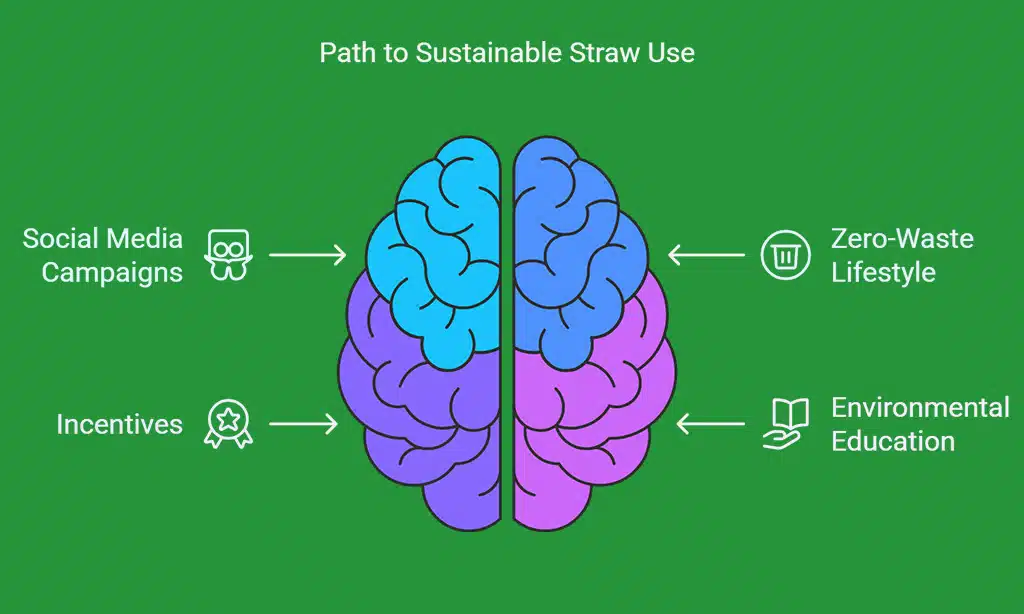
As environmental concerns continue to rise, more consumers are shifting toward sustainable alternatives. The use of reusable straws has gained traction as people recognize the need to minimize plastic waste. Governments, businesses, and individuals are working together to promote plastic-free lifestyles, and reusable straws play a crucial role in this movement.
Rising Awareness of Plastic-Free Lifestyles
- Social media and environmental campaigns promote reusable products.
- More people are adopting a zero-waste lifestyle, prioritizing sustainability in daily choices.
Encouraging More People to Make the Switch
- Providing incentives for reusable straw use, such as discounts at cafes.
- Educating consumers on the environmental impact of plastic straws through awareness campaigns.
8. Addressing Common Myths About Reusable Straws
Despite their growing popularity, several myths and misconceptions surround reusable straws. Some consumers hesitate to switch due to misinformation about their effectiveness, maintenance, and overall environmental impact. Debunking these myths is crucial to increasing adoption rates and ensuring people make informed choices.
Are Reusable Straws Really Better for the Environment?
- Reality: Some believe that reusable straws are just as harmful due to their production processes. However, studies show that reusable straws have a significantly lower environmental impact over time, as they replace thousands of plastic straws.
- Fact Check: Stainless steel straws, for example, need to be used approximately 150 times to offset the energy used in production. Given their durability, they last for years, making them a greener option than single-use plastic.
Do Reusable Straws Require Too Much Effort?
- Reality: A common misconception is that reusable straws are difficult to clean and inconvenient to carry.
- Fact Check: Many reusable straws come with cleaning brushes and are dishwasher-safe, making maintenance effortless. Some also come with carrying cases, making them convenient for on-the-go use.
9. How to Choose the Best Reusable Straw for Your Needs
With various types of reusable straws available, selecting the best one depends on personal preferences, lifestyle, and usage requirements. Understanding the differences helps in making a more informed and sustainable choice.
Comparing Different Types of Reusable Straws
| Type | Pros | Cons |
| Stainless Steel | Durable, reusable, and resistant to rust | Can be too hot/cold for beverages |
| Bamboo | Biodegradable, lightweight, and eco-friendly | Absorbs flavors over time and needs extra care |
| Glass | Stylish, easy to clean, and chemical-free | Fragile and can break if dropped |
| Silicone | Soft, flexible, and safe for children | Can retain odors and stains over time |
Factors to Consider When Buying a Reusable Straw
- Material: Choose one that aligns with your preferences—stainless steel for durability, bamboo for biodegradability, or silicone for flexibility.
- Ease of Cleaning: Opt for dishwasher-safe or self-cleaning straws for convenience.
- Portability: Look for collapsible or case-included straws if you need a travel-friendly option.
Would you like any additional refinements or deeper insights into specific aspects?
10. The Future of Sustainable Drinking Solutions
As sustainability efforts continue to grow, the future of reusable straws looks promising. More companies are investing in eco-friendly materials and innovative designs to make sustainable alternatives more accessible. The increasing consumer demand for sustainable products will likely drive further advancements, making reusable straws an essential part of a plastic-free future.
Innovations in Eco-Friendly Straws
- Edible straws made from rice and seaweed.
- Biodegradable options that break down naturally.
- Smart materials that enhance durability while maintaining sustainability.
How Individuals Can Make a Bigger Impact
- Encourage friends and family to switch to reusable straws.
- Support businesses that promote sustainability.
- Stay informed and advocate for eco-friendly policies.
Wrap Up
Reusable straws are a simple yet impactful solution to the plastic pollution crisis. By making the switch, individuals and businesses can significantly reduce plastic waste, protect marine life, and promote a more sustainable future. Every small change contributes to a cleaner planet—why not start with your straw?
Take action today: Choose reusable straws and make a difference!