Walk into any store today, and you’ll spot more “eco-friendly” labels than ever before. This isn’t random. It’s because young shoppers are changing how companies make products. Gen Z, born between 1997 and 2012, shops with the planet in mind.
They check if brands use clean energy, treat workers well, and cut waste. Their shopping habits are forcing big changes.
Studies show this shift clearly. First Insight found that Gen Z will pay more for green products than older groups. By 2035, these young buyers will make up 40% of all luxury purchases.
The global market for green goods is growing fast too – 24% each year for the next seven years! This blog will show how Gen Z is pushing brands to be better for the earth, what they look for when shopping, and why smart companies are listening.
The future of shopping is green.
Key Takeaways
- 73% of Gen Z will pay more for eco-friendly products that don’t harm the earth.
- By 2035, Gen Z buyers will make up 40% of all luxury purchases.
- The global market for green goods is growing at 24% each year for the next seven years.
- 77% of Gen Z job seekers want employers who care about the environment.
- The secondhand market grows three times faster than normal stores because Gen Z loves thrifting.
Why Sustainability Matters to Gen Z
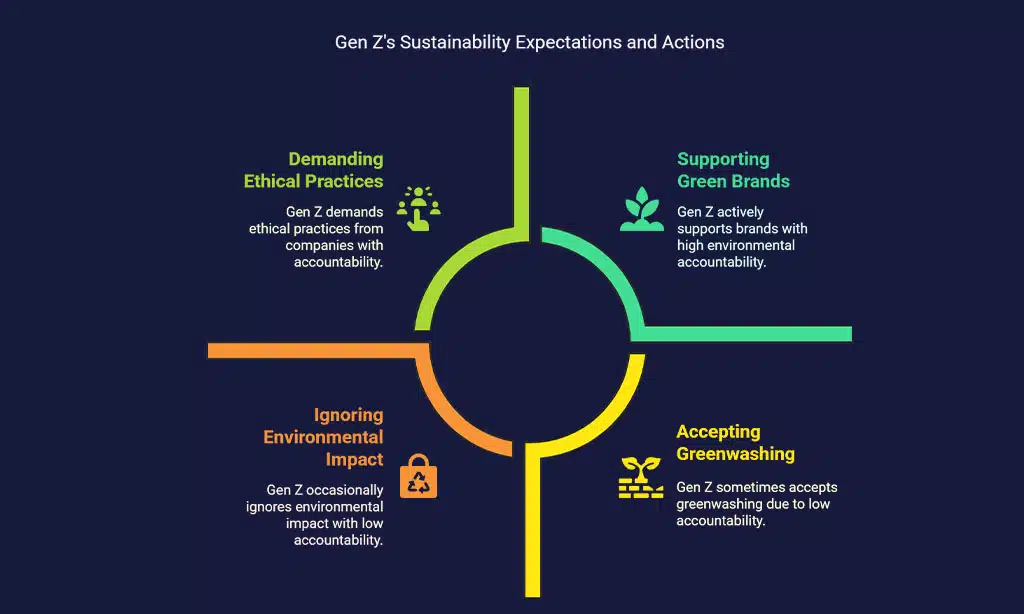
Gen Z cares deeply about our planet’s future. Born between 1997 and 2012, these young people shop with their values front and center. A huge 73% will pay extra for green products that don’t harm the earth.
For them, buying stuff isn’t just about getting things—it’s a form of speaking up. They use their money to support companies that match what they believe in. Climate issues top their worry list, pushing them to pick brands that cut waste and pollution.
This generation also looks beyond what they buy to where they work. About 77% of Gen Z job hunters want employers who care about the environment. They expect companies to be honest about their practices and to make real changes.
They won’t accept empty promises or greenwashing tricks. Brands must show actual progress in areas like plastic reduction, ethical supply chains, and renewable energy use. Gen Z watches closely and holds businesses accountable through social media and their wallets.
How Gen Z Influences Brand Choices
Gen Z shoppers vote with their wallets, backing brands that match their green values. They push companies to clean up supply chains and show real proof of eco-friendly claims.
Activism Through Spending
Young shoppers now vote with their wallets. Gen Z turns shopping into a form of protest against brands that harm our planet. They skip companies that pollute or treat workers badly.
Instead, they spend money on eco-friendly products and fair trade items. This shopping power has sparked big changes in how companies make things. The rise of hashtags like #BOYCOTTFASTFASHION shows how serious these young buyers are about their values.
They demand clear info about who makes their clothes and how they’re made.
The secondhand market proves this trend is real. It grows three times faster than normal stores because Gen Z loves thrifting. They pick used items for three main reasons: it helps the earth, costs less, and lets them stand out.
Brands must now show they care about more than just profits. Those who ignore this shift risk losing a whole group of loyal fans. Smart companies now track their impact on the world and share this info with shoppers.
This open approach builds trust with young buyers who want their money to make the world better.
Prioritizing Ethical Sourcing and Transparency
Gen Z shoppers demand to know where their products come from. They check if workers get fair pay and good work hours. They also want to know if making the product hurt the earth. Brands must now show proof of their claims through ESG Reports.
No more hiding bad practices! Nielsen found that 81% of people worldwide think companies should help fix the planet. This push has made many brands clean up their supply chains.
Truth matters most to these young buyers. They spot fake green claims fast and will drop brands that lie. Companies now track their suppliers and share this info online. Many use QR codes on packages so shoppers can see the whole journey of a product.
This open book approach builds trust. Brands that show real care for people and the planet win Gen Z’s money and loyalty.
Key Factors Driving Gen Z’s Purchasing Decisions
Gen Z shops with their values front and center. They check labels, research company practices, and vote with their dollars for a better world.
Environmental Awareness
Gen Z shows deep care for our planet’s health. They grew up learning about climate change in school and seeing its effects firsthand. This group checks if products harm the earth before buying them.
The facts back this up – 73% will pay more for green products. They look at how items are made, what’s in them, and how they’re packed.
Social media helps spread the word about plastic waste and carbon problems. Young people share tips on cutting trash and saving energy. They join clean-up events and climate marches too.
Companies must now prove they use recycled materials and reduce pollution. Brands that ignore these concerns lose young customers fast. The push for a cleaner world isn’t just a trend – it’s how this generation shops every day.
Health and Well-being Considerations
Gen Z shoppers care deeply about how products affect their bodies and minds. They read labels and avoid harmful chemicals in foods, beauty items, and household goods. Many young buyers pick brands that support mental health and offer clean ingredients.
This group grew up learning about toxins in products and wants better options. They choose sustainable brands because these companies often use safer materials.
Young consumers also link personal health to planet health. They know dirty air and water hurt everyone. Brands that cut waste and use less plastic win their dollars. Companies with four-day workweeks and fair labor practices attract Gen Z too.
These shoppers believe good working conditions create better products. Their spending habits push more businesses toward ethical sourcing and waste reduction each year.
Ethical Responsibility
Gen Z shoppers care deeply about how workers are treated. They back movements like #WHOMADEMYCLOTHES to push brands for fair working hours and proper pay. These young buyers check if companies respect workers’ rights before they spend money.
They want proof that no one was hurt making their stuff.
Brands must show real action, not just empty promises. Companies that fake their good deeds get called out fast on social media. This group won’t buy from places that exploit people or cut corners.
Studies show that by 2028, Gen Z will force most stores to adopt better people practices. They vote with their wallets for a world where everyone gets treated right.
Benefits for Brands Embracing Sustainability
Brands that go green win big with Gen Z shoppers, gaining more fans and standing out from rivals in a crowded market – want to learn how your company can cash in on this growing trend?
Enhanced Brand Loyalty
Brands that go green win hearts. Gen Z shoppers stick with companies that care about our planet. The numbers tell the story – 62% of Gen Z picks sustainable brands over others. They don’t just buy once; they come back again and again.
This loyal group tells friends about brands they love. They post on social media and spread the word fast. Trust grows when a company keeps its promises about being eco-friendly.
Smart brands know that real actions beat empty words. Gen Z can spot fake green claims from miles away. About 73% will pay extra for products that help the earth. They reward honest companies with their money and loyalty.
Brands must show proof of their good work through clear reports and facts. This builds a strong bond that lasts for years. In the end, true sustainability turns young buyers into lifelong fans.
Competitive Advantage
Brands that go green gain a real edge in today’s market. With the global sustainability market set to grow by 24% each year for the next seven years, companies that act now will lead the pack.
Gen Z shoppers look for brands that match their values, and they spend money on products that help, not harm, our planet. Smart companies like Allbirds and Adidas have teamed up to make shoes with a low carbon footprint.
Walmart joined forces with ThredUp to sell used clothes. These moves show how big brands are changing to meet what young buyers want.
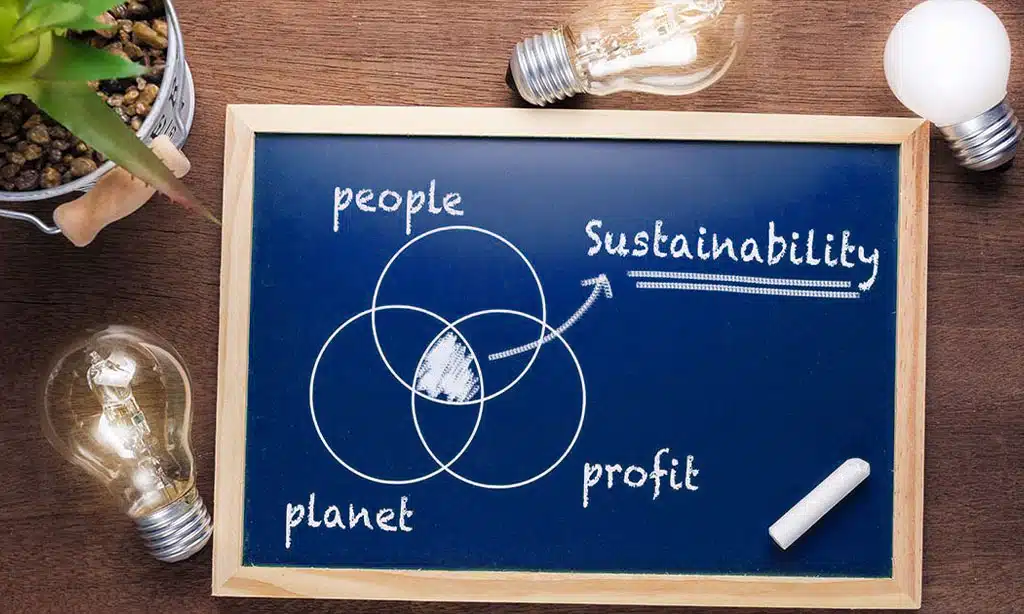
This shift to green business is not just good for Earth—it’s good for profits too. Companies that adopt long-term green plans stay fresh and keep Gen Z fans coming back. They cut waste, save cash on things like energy, and build a strong name as a caring brand.
In a world where Gen Z holds growing buying power, being known as a green company is not just nice—it’s needed to stay in the game. The brands that win will be those that make real changes now, before their rivals catch up.
Takeaways
Gen Z has changed the game for brands today. They vote with their dollars and push companies to go green or get left behind. This shift isn’t just a trend – it’s the new normal in retail.
Brands must now walk the talk on eco-friendly practices, fair labor, and honest business. The future belongs to companies that put planet over profit and truth over tricks. Smart businesses are already making changes to win Gen Z’s trust and cash for years to come.
FAQs on How Gen Z Is Shaping the Future of Sustainable Brands
1. Why does Gen Z care about sustainable brands?
Gen Z cares deeply about the climate crisis. They grew up seeing plastic pollution and rising carbon emissions. This generation wants to support brands that match their values on environmental conservation and workers’ rights.
2. How are sustainable brands changing their business models for Generation Z?
Brands now focus on sustainable packaging and ethical sourcing. They’re switching to renewable energy in their factories. Many are becoming Certified B Corps to show their commitment to good practices.
3. What sustainable practices matter most to Gen Z shoppers?
Circular economy concepts top the list. Gen Z loves products that can be reused or recycled. They also check for fair labor standards and sustainable sourcing before buying.
4. Has Gen Z’s purchasing behavior actually changed the market?
Yes! Their buying choices have forced big companies to rethink corporate social responsibility. Consumer demand from this target market has pushed brands to cut plastic use and improve sustainability reporting.
5. Do sustainable products cost more?
Often they do cost extra because ethical purchasing requires fair wages and better materials. But Gen Z shows strong brand loyalty to sustainable businesses, making the higher prices worth it for companies.