Interior design can seamlessly blend aesthetics with sustainability, transforming homes and offices into eco-friendly sanctuaries.
By adopting materials, techniques, and practices that minimize environmental harm, designers can reduce energy consumption, promote recycling, and create healthier living environments. This approach not only benefits the planet but also enhances the well-being of the occupants.
Understanding Eco-Friendly Interior Design
Eco-friendly interior design incorporates sustainable materials, energy-efficient solutions, and thoughtful design strategies. This method focuses on reducing waste, conserving resources, and creating spaces that are both functional and environmentally conscious. With climate change and resource depletion becoming critical concerns, more homeowners and businesses are seeking sustainable design solutions.
The Key Principles of Sustainable Interior Design
1. Use of Sustainable Materials
Choosing materials with low environmental impact is fundamental. Opt for:
- Reclaimed Wood: Reduces deforestation and adds a rustic charm.
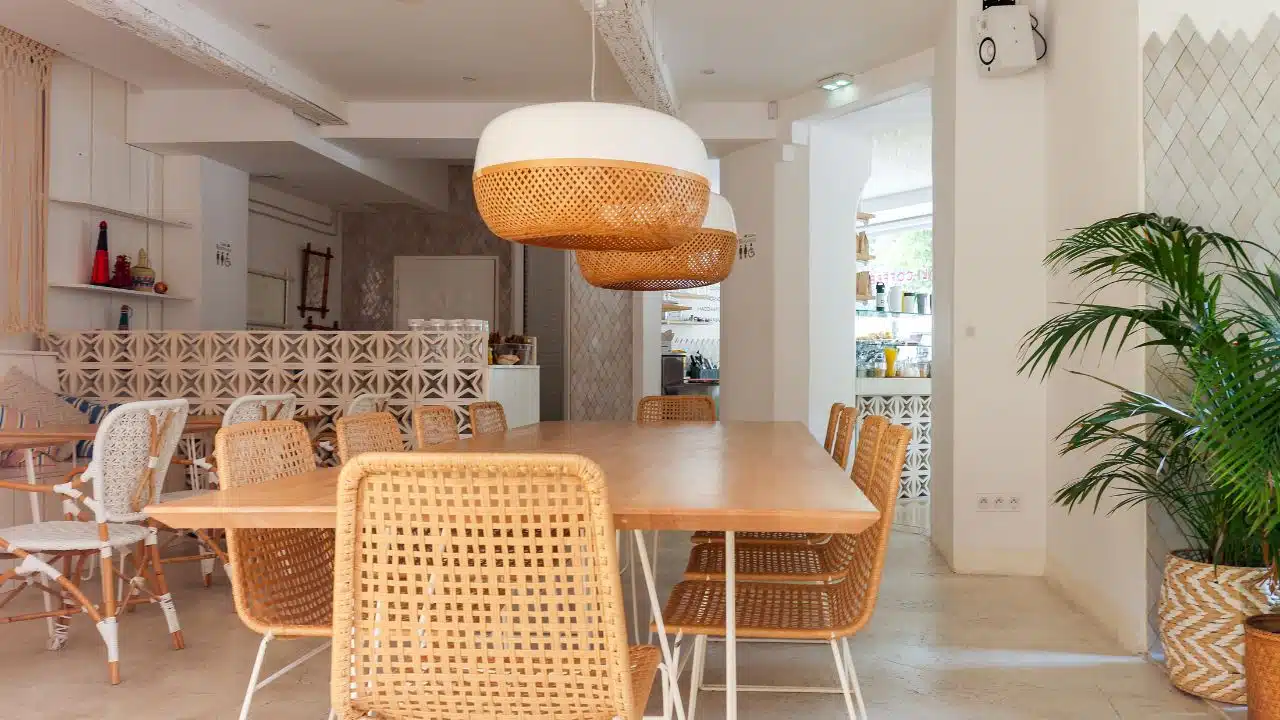
- Bamboo: A rapidly renewable resource that is durable and versatile.
- Recycled Metal and Glass: Minimizes resource extraction and manufacturing waste.
- Low-VOC Paints: Ensures better indoor air quality by reducing harmful emissions.
2. Energy Efficiency
Energy-efficient design lowers utility bills and reduces carbon footprints. Effective strategies include:
- Installing LED lighting, which uses up to 75% less energy than incandescent bulbs.
- Incorporating solar panels for renewable energy.
- Using energy-efficient appliances with high ENERGY STAR ratings.
3. Maximizing Natural Light
A well-lit space reduces the need for artificial lighting and creates a healthier ambiance. Key methods include:
- Designing larger windows and strategically placed skylights.
- Using light-reflecting surfaces and mirrors.
- Opting for sheer, eco-friendly curtains instead of heavy drapes.
4. Water Conservation
Efficient water use is an integral part of sustainable design. Consider:
- Installing low-flow faucets and toilets.
- Utilizing greywater systems for irrigation.
- Choosing drought-resistant indoor plants.
Benefits of Eco-Friendly Interior Design
Eco-friendly interiors offer numerous advantages:
| Benefit | Description |
| Improved Air Quality | Low-VOC paints and natural materials reduce toxins in the air. |
| Cost Savings | Energy-efficient systems and water-saving fixtures lower utility expenses. |
| Enhanced Well-being | Natural light and sustainable materials create a healthier living environment. |
| Environmental Protection | Reduced waste and energy usage help mitigate climate change. |
Challenges and Solutions in Eco-Friendly Design
While sustainable design is rewarding, it does come with challenges:
1. Higher Initial Costs
Sustainable materials and energy-efficient appliances may be pricier upfront. However, long-term savings on energy and water bills offset these costs. Additionally, tax incentives for green buildings can ease the financial burden.
2. Limited Availability
Eco-friendly products may not always be locally available. Designers can overcome this by sourcing from ethical suppliers or choosing locally-produced alternatives to minimize transportation emissions.
3. Knowledge Gaps
Some clients may be unaware of the benefits of sustainable design. Educating them with examples, statistics, and case studies can help.
Relevant Statistics Supporting Eco-Friendly Design
- Buildings account for 39% of global CO2 emissions: Adopting sustainable practices can significantly reduce this impact.
- Energy-efficient lighting can reduce lighting costs by 30%-40%.
- Recycling just one ton of wood can save 18,000 pounds of CO2 emissions.
How to Start Your Eco-Friendly Design Journey?
To create a sustainable interior, follow these steps:
- Assess Your Needs: Identify areas where energy and resource efficiency can be improved.
- Set a Budget: Allocate funds for sustainable materials and technologies.
- Consult an Expert: Work with interior designers experienced in eco-friendly practices.
- Prioritize Quality: Choose durable, timeless designs to reduce future waste.
Final Thoughts
Eco-friendly interior design is not just a trend; it is a responsible and rewarding choice for the future. By incorporating sustainable materials, energy-efficient systems, and thoughtful layouts, anyone can create spaces that are beautiful, functional, and kind to the planet. Start small, and gradually transition to a more sustainable lifestyle through conscious design choices.