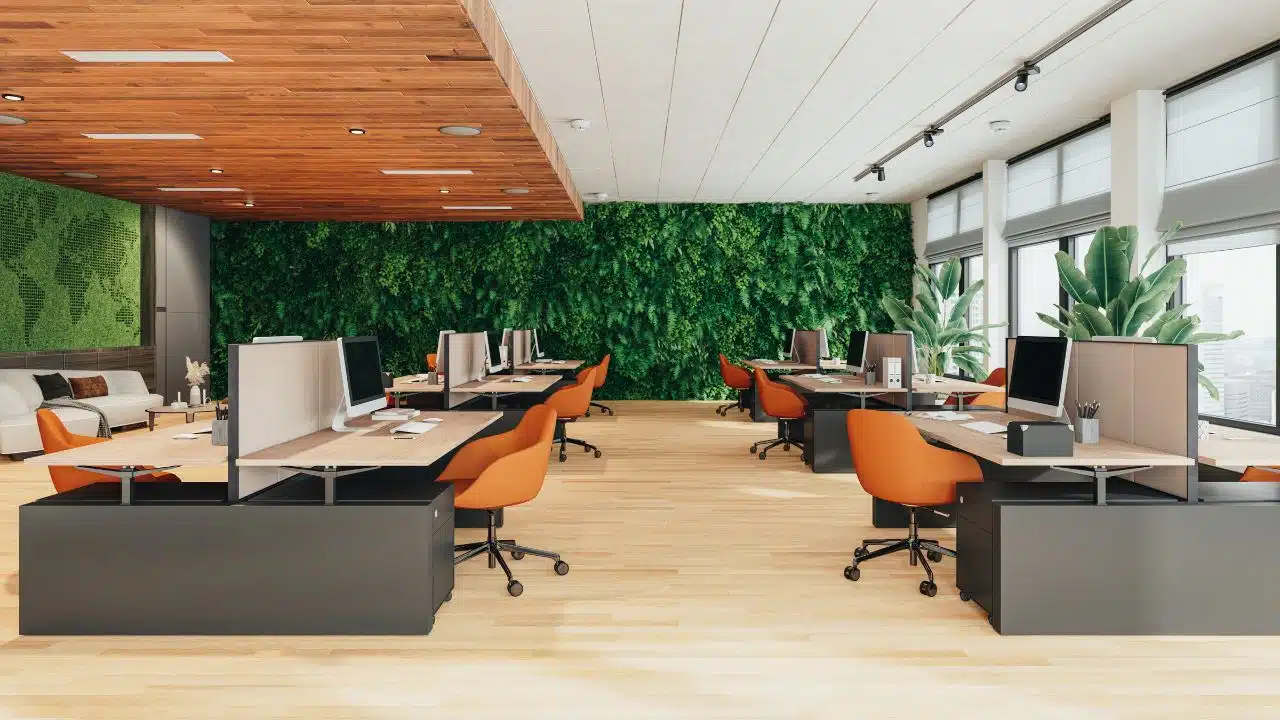
Sustainable design refers to creating products, buildings, or systems that meet present needs without compromising the ability of future generations to meet theirs.
This concept integrates environmentally friendly, socially responsible, and economically viable approaches, ensuring that resources are used efficiently while minimizing waste and environmental harm. A quintessential example of sustainable design is green building architecture, which incorporates renewable energy, energy-efficient systems, and eco-friendly materials to create structures that reduce carbon footprints.
A Comprehensive Example: Bosco Verticale in Milan
One of the most notable examples of sustainable design is the Bosco Verticale (Vertical Forest) in Milan, Italy. Designed by Stefano Boeri Architetti, this architectural marvel consists of two residential towers adorned with over 20,000 trees and plants. This green facade not only enhances the aesthetic appeal but also serves critical environmental functions, such as reducing urban heat, filtering air pollutants, and promoting biodiversity in the city.
Features of Bosco Verticale
- Green Facade: The vegetation absorbs approximately 30 tons of CO2 annually while producing around 19 tons of oxygen.
- Energy Efficiency: The building uses renewable energy sources, including solar panels, to minimize its reliance on traditional energy.
- Water Management: An advanced irrigation system reuses rainwater and graywater, reducing water consumption by up to 40%.
- Biodiversity: The variety of plant species provides habitat for birds and insects, creating a mini-ecosystem within the city.
The Importance of Sustainable Design
Why Sustainable Design Matters
- Environmental Impact: Sustainable design reduces the depletion of natural resources, minimizes waste, and combats climate change.
- Economic Benefits: By using energy-efficient systems and renewable materials, organizations save costs in the long run.
- Social Responsibility: Sustainable designs contribute to better living conditions and healthier communities.
Relevant Statistics
- Buildings account for approximately 40% of global energy consumption and 33% of greenhouse gas emissions.
- Adopting sustainable design practices can reduce energy use by 30%-80%.
- Green building materials, like recycled steel and bamboo, have a lifecycle cost 20%-30% lower than traditional materials.
Other Examples of Sustainable Design
Eco-Friendly Furniture
Brands like IKEA and West Elm have introduced furniture lines made from recycled or sustainably sourced materials. For instance, IKEA’s KUNGSBACKA kitchen fronts are crafted from recycled PET bottles and wood.
Energy-Efficient Appliances
Energy Star-certified appliances, such as refrigerators and washing machines, are prime examples of sustainable design. They use 20%-30% less energy than their non-certified counterparts, significantly reducing electricity bills and environmental impact.
Sustainable Fashion
Companies like Patagonia and Stella McCartney are pioneers in sustainable fashion, using organic fabrics, recycled materials, and ethical production processes. Patagonia’s Worn Wear initiative encourages consumers to repair or recycle old clothing instead of discarding it.
How to Promote Sustainable Design?
Education and Awareness
Governments, organizations, and individuals must emphasize the importance of sustainable practices. Integrating sustainability into school curriculums, for example, can foster eco-conscious behavior from a young age.
Incentives for Adoption
Offering tax breaks and grants for green building projects or renewable energy installations can encourage widespread adoption.
Collaboration Across Industries
Cross-industry partnerships can drive innovation in sustainable design. For example, tech companies can work with architects to create smart buildings that optimize energy use.
Final Thoughts
Sustainable design is more than a trend; it’s a necessity for the future of our planet. From green buildings like Bosco Verticale to everyday items such as eco-friendly furniture and energy-efficient appliances, these initiatives showcase how innovation can align with environmental responsibility.
By embracing sustainable design principles, individuals and industries can contribute to a healthier, more sustainable world. The journey may require effort, but the rewards—for the environment, society, and economy—are undeniably worth it.