All of us are living in a world that is filled with sounds. You cannot escape sound, even if you lock yourself up in a room. The sources of sound are natural and man-made. In the first category, there are sounds created by animals, howling wind, flowing water, volcanoes, and so on. In the second category, there are sounds created by man-made activities, such as mining, construction, sporting events, honking of cars, music, and so on.
Did you know that it is also considered ‘noise’ when a crowd of people are talking or shouting? Crazy, right? And if you work in a noisy workplace, you might be among the 22 million workers exposed to potentially damaging levels of noise.
Given that noise is an inescapable truth of life, protecting your sense of hearing must be your topmost priority. This article delves into the importance of protecting your ears and the risks associated with long-term noise exposure. It also deals with various strategies and tools you can use to protect yourself.
Noise Exposure and The Associated Risks
Noise is measured in decibels. Although every conversation falls around 60 decibels, exposure to sounds above 85 decibels for eight or more hours can lead to noise-induced hearing loss. This is an irreversible condition.
The degree of damage depends on the following factors:
- The level of noise you are exposed to regularly. The higher the level of noise, the greater the risk.
- The longer you are exposed to high noise levels, the higher the risk of losing your sense of hearing.
- The frequency of exposure also plays an important role in accelerating loss of hearing.
What are The Early Signs of Noise-Induced Hearing Loss?
The signs and symptoms of noise-induced hearing loss are:
- Difficulty hearing conversations or hearing muffled sounds, especially in noisy environments.
- A constant buzzing, ringing, or whistling sound in your ear.
- Difficulty understanding speech.
- Increased sensitivity to loud noises.
If you notice these signs, you must immediately visit an audiologist and have a comprehensive evaluation.
Can you Protect your Hearing?
Yes, you can. You can take steps to block out excessive noise from entering your ears. If possible, you must move away from the source of noise. If you work in a noisy environment, you can speak to your supervisor or employer to take steps to reduce the noise levels. This can be done through engineer controls, such as installing machinery that makes minimum noise or ensuring the machines are routinely maintained so they don’t make more noise than they should. You can also convince your company’s management to invest in training and awareness programs so that all the workers are aware of the dangers of noise-induced hearing loss.
Alternatively, you should take matters into your own hands. This can be done by using hearing protection devices. These devices are specifically created to block out noises and ensure your ears are protected. Whether you are at work or attending a music concert, you must always remember to use hearing protectors. Since comfort and fit are usually the biggest factors, you can opt for custom hearing protection devices. Such devices are tailored according to the specific shape and size of your ears. Continue reading to learn more about hearing protection devices.
What are The Different Types of Hearing Protection Devices?
The two main types of hearing protection devices are:
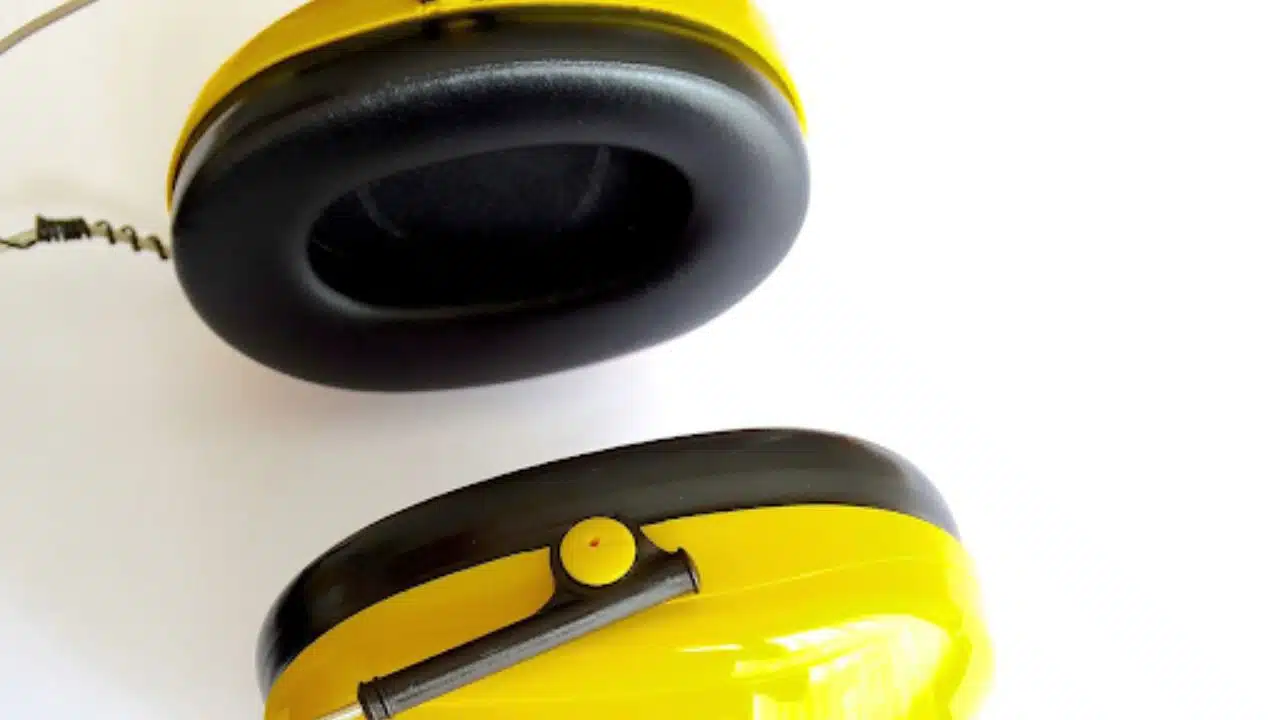
- Earmuffs – Earmuffs cover the entire ear and are perfect for high noise levels. They come in various materials and styles, offering different levels of comfort and NRR.
- Earplugs – Earplugs are inserted into the ear canal and they are more portable and smaller than earmuffs. They come in various materials and shapes, offering different levels of noise blocking capabilities and NRR.
How do you Select The Right Hearing Protection Device?
Personal protective equipment becomes essential when engineering controls are inefficient, and you need to protect your hearing. Choosing the right hearing protection device depends on the following factors:
- Fit and comfort – The hearing protector must be comfortable so you can wear it for extended hours. Also, it must fit securely.
- Noise level – The NRR or noise reduction rating of the hearing protection device must be sufficient to bring the noise level below safe exposure limits.
- Work environment – Consider the work environment to make an informed decision.
What is The Management’s Role in Hearing Protection?
- The management must measure the noise levels at the work site. They must determine the kind of hearing protection device required by the workers.
- Ensure there is adequate hearing protection for the workers.
- Make sure the tools and machinery are routinely maintained so they don’t make more noise than intended. They also consider installing noise barriers.
What is The Importance of Hearing Protection?
Although the world is a symphony of sounds, constant exposure to loud noises can pose a serious threat to your hearing health. You are at risk of noise-induced hearing loss, which is a permanent condition. Once you lose your sense of hearing, it will impact the overall quality of your life.
In most cases, people with impaired hearing become social recluses and sink into depression.
Fortunately, noise-induced hearing loss is preventable if you take proper steps to understand the risks associated with noise exposure and take proactive measures to protect your ears.
Good Habits to Adopt to Protect Hearing Health
- Schedule regular hearing tests with a professional audiologist to monitor your hearing health.
- Be mindful of all the potential noise hazards, including outside of your work site.
- Make healthy life choices, such as eating a balanced diet and managing stress.
The Bottom Line
Hearing protection is not simply about avoiding discomfort. It is about safeguarding your ability to hear for years to come. By protecting your hearing health, you will be improving your overall well-being.
When it comes to protecting your hearing health, it must be a multi-faceted approach. From using hearing protection devices and scheduling regular hearing tests to asking your company’s management to exercise engineering controls, all of these steps will ensure your sense of hearing remains undamaged for years.