

Is your personal information showing up on FastBackgroundCheck without your consent? This site collects data from public records and displays it online for anyone to see. Don’t worry, though—there’s a way to remove it.
Keep reading to learn how to protect your privacy step by step.
What Is FastBackgroundCheck?
FastBackgroundCheck is a website that shares public information about people. It claims to offer easy access to personal details from various sources.
Overview of services provided
The platform focuses on people search, reverse phone lookup, and address lookup. Users can find personal details like name, age, email, phone number, and address. Search functions allow tracking unknown callers or identifying residents at a specific location.
It also offers investigative services by scanning public records for information. These tools make it easier to verify identities or collect contact details.
Types of information available
FastBackgroundCheck collects various personal details. It includes current and past phone numbers, both mobile and landline. Addresses from your history show up too—where you’ve lived and even old locations.
Other data covers your age, birth year, and email addresses used before or now. Family connections like relatives or associates get listed as well. These records mean strangers could trace a lot about you in seconds.
How Does FastBackgroundCheck Gather Data?
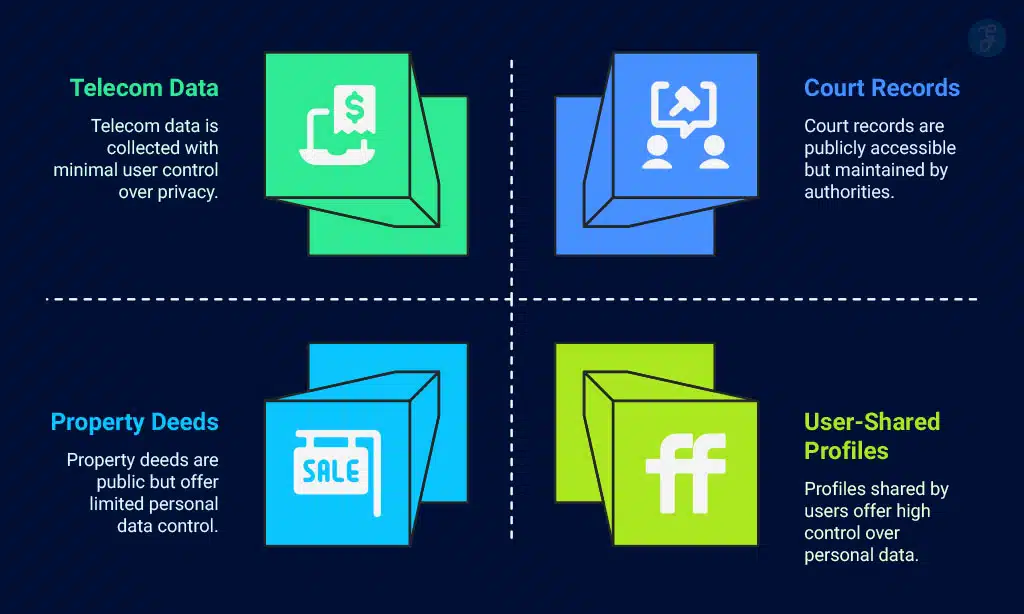
FastBackgroundCheck collects details from many public sources. It pulls information like a detective gathering clues from various places online.
Public records and online databases
Public records hold details like court records, voter registrations, and property deeds. These are government-maintained files used for transparency but can be accessed by companies to compile personal profiles.
Online databases also pull data from credit bureaus and business reports. They group information such as phone numbers, addresses, or emails that users search on platforms. This makes tracking personal data easier than you might think.
Social media and other sources
FastBackgroundCheck collects personal information from various places. Social media platforms are a goldmine for this data. User profiles, photos, likes, and connections offer valuable insights.
Many willingly share addresses, phone numbers, and email details on these platforms. This makes it easier for third-party sources to compile such information.
Telecom companies also serve as major contributors. They store customer data like names, contact details, and billing addresses. These records often become accessible through shared networks or databases.
Reducing what you post online can greatly protect your privacy in the long run.
Is FastBackgroundCheck Legal and Legitimate?
FastBackgroundCheck operates within legal boundaries by collecting public data. Its legitimacy depends on its sources and how it handles user concerns.
Legal considerations
Services like FastBackgroundCheck operate within legal boundaries but come with limitations. They follow GDPR and CCPA regulations, allowing users to request data removal under California Privacy Laws.
Yet, their reports cannot legally be used for employment, credit, or tenant screening since they are not FCRA compliant.
Using this service for restricted purposes can lead to legal trouble. Identity verification during the opt-out process requires a government-issued ID and proof of address. This step ensures compliance with privacy laws while protecting sensitive data from misuse.
Trustworthiness and user reviews
FastBackgroundCheck has a “B” rating on BBB. Over three years, it faced 162 complaints, with 92 resolved in the last year. Most issues involve sales/advertising (61) and service/repair problems (36).
Customers often raise concerns about privacy and product reliability.
Reviews from users show mixed opinions. Some worry about inaccurate data or delayed removals. Others find the site helpful for accessing basic public records quickly. Privacy concerns remain a frequent topic in reviews, reflecting dissatisfaction among many users.
Step-by-Step Guide to Opting Out of FastBackgroundCheck
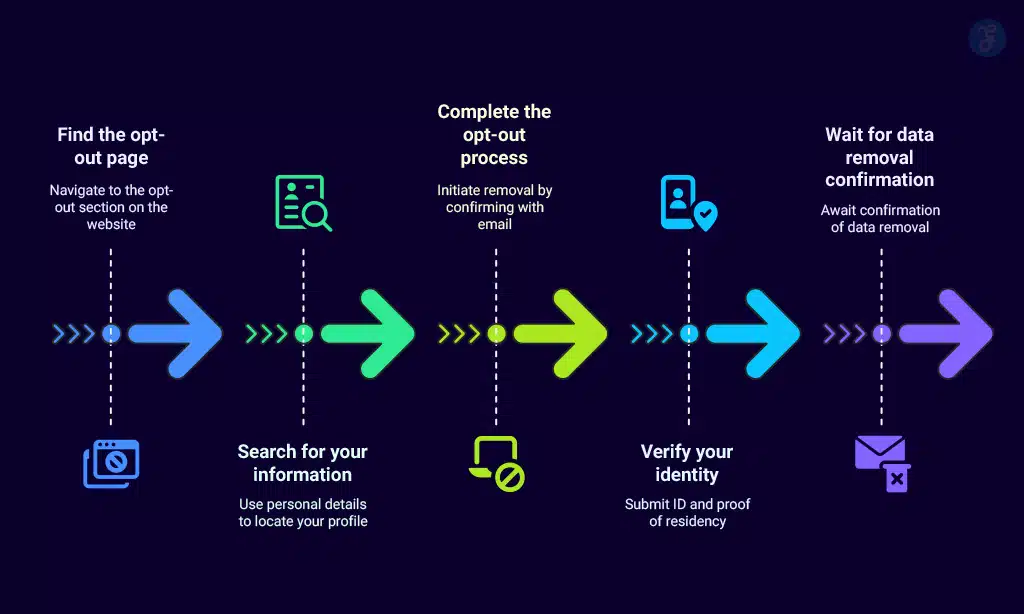
Taking control of your personal data is easier than it seems. Follow these simple steps to protect your privacy and remove unwanted information.
Find the opt-out page
Go to www.fastbackgroundcheck.com. Scroll down to the bottom of the homepage. Look for the link that says “Do Not Sell My Personal Information” and click it.
This page is key for starting your data removal process. It directs you to the opt-out section, where steps are explained clearly. Make sure you have a stable internet connection before proceeding further.
Search for your information
Use your name, phone number, or address to locate your profile. Type this information into the search box on FastBackgroundCheck’s website. Select “FREE PUBLIC RECORDS” to access matching results.
Carefully review the profiles listed. Check for personal details like age or city of residence to confirm if it’s yours. Ensure you’re looking at the correct record before proceeding with removal steps.
Complete the opt-out process
Click “REMOVE MY RECORD” on the profile page to start. Provide your email address so they can send you a confirmation link.
Open the email and click the link to confirm your request. The process is free but might need repeat actions if their database updates later.
Verify your identity
Submit a government-issued ID to confirm your identity. This could be a driver’s license, passport, or state ID. Make sure the document is clear and not blurry in the photo you upload.
Add proof of residency to validate your identity further. Use utility bills, bank statements, or rental agreements for this step. Double-check all details before sending them so your request isn’t delayed due to errors.
Wait for data removal confirmation
Data removal typically takes up to 72 hours. Keep an eye on your email for any updates or confirmation messages about the process. If you do not get a response, check your spam folder just in case.
After receiving confirmation, clear your browser cache. Cached data can show outdated results even if the information is already removed. Search the FastBackgroundCheck database again to ensure all personal details are gone.
Personal details might reappear due to database updates, so stay alert and re-opt-out if needed.
Alternative Methods to Remove Your Data
You can explore other ways to remove your personal data if the standard opt-out process doesn’t work. These options might take a bit more effort but can offer extra peace of mind.
Contacting customer support
Reach out to FastBackgroundCheck directly at (888) 747-4094 for help with data removal. Their customer service team can assist you with any questions or concerns.
For written communication, try their online contact form on the website. You may also send a letter through mail if phone or digital options are unavailable. Always include your full name and details to speed up the process.
File a complaint with the BBB if FastBackgroundCheck fails to address your concerns. The Better Business Bureau handles complaints quickly and may help resolve data publication issues.
Include details like privacy rights infringement or unauthorized data handling in your submission.
Submit a DMCA takedown request for any unauthorized use of personal details. This process is helpful against privacy violations involving publicly shared information without consent.
Attach proof of ownership and describe how the data was misused when filing the request.
Reasons to Remove Your Data from FastBackgroundCheck
Your personal information online can become a ticking time bomb. Protecting your privacy is vital to avoid unwanted risks and misuse.
Privacy concerns
Exposing personal data online can be risky. FastBackgroundCheck collects information from public records, making it easy for strangers to access sensitive details. This raises fears about stalking and safety issues, especially for vulnerable individuals.
California Privacy Laws require companies to honor opt-out requests, but some users report repeated data re-collection. Unauthorized access to this information may also lead to misuse or identity theft.
Protecting your personal information should remain a top priority in today’s digital world.
Preventing misuse of personal information
Reducing online personal data helps stop identity theft. Scammers use leaked details for phishing and fraud. Removing your information from FastBackgroundCheck lowers this risk. It blocks access to private records, adding an extra safety layer.
Privacy safeguards protect against cybercriminals targeting weak points. Stolen data can lead to financial loss or ruined credit scores. Opting out strengthens privacy, keeping sensitive details away from harmful hands.
Top Alternatives to FastBackgroundCheck
Not all background check sites are created equal, so exploring other options is key. Some may offer better privacy or fewer data-sharing risks.
TruePeopleSearch
TruePeopleSearch is a popular people finder platform. It attracts about 28.02 million monthly visits, showing its massive user base. The site holds a global rank of 2,477, making it one of the top competitors in public records searches.
Users can quickly locate personal details like phone numbers, addresses, or criminal records.
The platform offers free access to data that many other services charge for. This makes it appealing for those needing background checks or identity verification without spending money.
Its simplicity and broad database have made it stand out as an alternative to FastBackgroundCheck and similar services like FamilyTreeNow or SearchPeopleFree.
FamilyTreeNow
FamilyTreeNow is a popular genealogy platform. It attracts about 2.71 million visitors every month, offering tools for family history research and ancestry building. Its authority score of 52 surpasses FastBackgroundCheck’s score of 44, making it a trusted alternative for finding relatives or building an online family tree.
This site provides access to vast information like ancestor records, possible relatives, and even current addresses. But privacy concerns arise as it lists personal data without consent.
Luckily, FamilyTreeNow offers an opt-out option with a simple five-step process to remove sensitive details quickly. Use this feature if protecting your data matters most!
SearchPeopleFree
SearchPeopleFree offers quick people search services. It helps users find contact details, addresses, and more. This site is a key competitor of FastBackgroundCheck due to its similar services.
People use it for public records searches or reverse phone lookups without much effort.
It simplifies data access by pulling records from various databases. Users often seek out SearchPeopleFree to check criminal history or verify identities. Though easy to use, privacy concerns still apply with such platforms.
Takeaways
Removing your data from FastBackgroundCheck is a smart step to protect your privacy. Their service collects sensitive information, which can be risky if mishandled. Follow the opt-out steps provided to regain control of your personal details.
Stay proactive about online security and safeguard what’s yours. Your peace of mind is worth it!
FAQs
1. What is FastBackgroundCheck, and how does it work?
FastBackgroundCheck is a website that collects and displays public records. It pulls data from various sources to provide information about individuals, like addresses or phone numbers.
2. How can I opt out of FastBackgroundCheck?
To remove your data, visit their opt-out page. Submit the required form with your details. Follow the instructions carefully to complete the process.
3. Is FastBackgroundCheck legitimate?
Yes, it’s a real site using publicly available information. However, always double-check before sharing personal info during removal requests.
4. Why should I care about removing my data from sites like this?
Your privacy matters! Removing your data reduces risks like identity theft or unwanted contact from strangers online.






















