Farm-to-table is more than just a food movement; it’s a way of life that emphasizes fresh, locally sourced produce while supporting sustainable agricultural practices. However, many Australians shy away from this lifestyle, thinking it might be expensive.
The good news? You can embrace farm-to-table dining on a budget without sacrificing quality or taste.
In this guide, we’ll explore 10 affordable ways to eat fresh in Australia through the farm-to-table concept. From visiting local farmers’ markets to growing your own herbs, you’ll discover practical and cost-effective strategies to enjoy wholesome meals without breaking the bank.
1. Visit Local Farmers’ Markets
Local farmers’ markets are an excellent starting point for embracing the farm-to-table lifestyle on a budget. These vibrant marketplaces bring together local farmers, artisans, and food producers, offering fresh, seasonal produce at prices often more affordable than supermarkets.
Beyond fruits and vegetables, you can find dairy, baked goods, and even meat and eggs—all sourced locally. By cutting out the middleman, farmers’ markets provide cost savings for buyers while ensuring a fair income for producers.
Additionally, shopping at these markets fosters a sense of community, connects you to the people behind your food, and supports sustainable agricultural practices. Whether you’re buying in bulk or simply enjoying a day out, farmers’ markets are a cost-effective and enriching way to incorporate fresh, local food into your diet.
How to Save at Farmers’ Markets?
- Shop at the end of the day: Vendors often lower prices to clear stock.
- Buy in bulk: Many stalls offer discounts for larger quantities.
- Ask for seconds: Slightly imperfect produce is cheaper and just as tasty.
| Benefit | Details |
| Cost | Affordable, especially for bulk purchases |
| Quality | Fresh, seasonal, and often organic |
| Support | Directly helps local farmers |
Farmers’ markets make farm-to-table accessible, allowing you to eat fresh while sticking to your budget.
2. Join a Community Supported Agriculture (CSA) Program
Community Supported Agriculture (CSA) programs offer a convenient way to bring farm-fresh produce directly to your doorstep. When you join a CSA, you essentially subscribe to a farm, receiving regular deliveries of seasonal fruits, vegetables, and sometimes even dairy or meat.
These programs are designed to benefit both farmers and consumers—farmers receive upfront financial support, while subscribers enjoy a consistent supply of fresh, locally sourced food. For budget-conscious individuals, sharing a CSA subscription with friends or family can significantly reduce costs.
Moreover, CSAs encourage creativity in the kitchen, as the produce variety often changes with the seasons, inspiring new recipes and healthier eating habits.
How to Make the Most of a CSA Program?
- Share a subscription with a friend to reduce costs.
- Use all parts of the produce, including stems and leaves, to minimize waste.
- Plan meals around what’s in your weekly delivery.
| Feature | Details |
| Cost | Subscription-based; often lower than retail |
| Frequency | Weekly or bi-weekly deliveries |
| Sustainability | Reduces food miles and supports local farms |
Joining a CSA program is an excellent way to embrace the farm-to-table lifestyle while saving money.
3. Buy in Bulk and Preserve Seasonal Produce
Buying in bulk and preserving seasonal produce is a smart way to save money and reduce waste while enjoying fresh flavors year-round. Seasonal fruits and vegetables are often available at significantly lower prices during their peak harvest time.
By purchasing large quantities and preserving them through methods like freezing, canning, or pickling, you can extend their shelf life and avoid the high costs of out-of-season produce. For example, freezing berries or canning tomatoes during their peak season ensures you’ll have access to high-quality ingredients even in the off-season.
Additionally, preserving food at home allows you to control the ingredients, ensuring healthier and more cost-effective options.
Preservation Tips
- Freezing: Ideal for berries, herbs, and leafy greens.
- Canning: Great for tomatoes, peaches, and beans.
- Pickling: Perfect for cucumbers, onions, and carrots.
| Produce | Preservation Method |
| Berries | Freezing |
| Tomatoes | Canning |
| Cucumbers | Pickling |
Preserving seasonal produce ensures you enjoy fresh flavors even during off-seasons, all while keeping costs low.
4. Grow Your Own Herbs and Vegetables
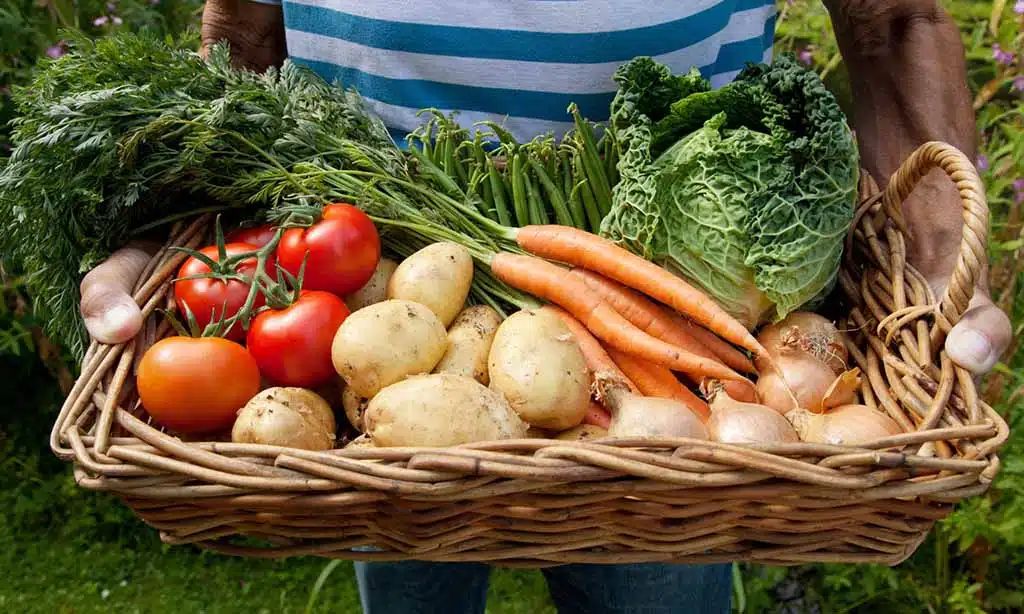
Starting a home garden is one of the most fulfilling and budget-friendly ways to adopt the farm-to-table lifestyle. Growing your own herbs like basil, mint, and cilantro, or vegetables such as tomatoes, spinach, and carrots, ensures a steady supply of fresh ingredients right at your doorstep.
Gardening doesn’t require a large backyard—balconies and small spaces can be transformed into lush green havens using pots and vertical planters. Not only does this practice save money on groceries, but it also reduces your carbon footprint.
With a little initial investment in seeds, soil, and tools, you can reap the benefits of fresh, homegrown produce for months.
Gardening on a Budget
- Use recycled containers or pots for planting.
- Start with seeds rather than plants—they’re cheaper.
- Compost kitchen scraps to create nutrient-rich soil.
| Herbs/Veggies | Ease of Growing |
| Basil | Easy |
| Mint | Very Easy |
| Tomatoes | Moderate |
A small investment in gardening tools can yield a steady supply of fresh ingredients, helping you reduce costs while eating fresh.
5. Prioritize Seasonal Eating

Seasonal eating is a cornerstone of the farm-to-table movement and a cost-effective way to enjoy the freshest produce. By consuming fruits and vegetables that are in season, you can reduce your grocery bill, as seasonal items are locally grown and don’t incur the costs associated with long-distance transportation or storage.
For example, strawberries are far cheaper and taste better in spring, while pumpkins are plentiful in autumn. Eating seasonally also encourages variety in your diet, introducing you to new ingredients and flavors throughout the year.
Moreover, seasonal produce is often more nutritious, as it’s harvested at peak ripeness and hasn’t lost vital nutrients during transit.
How to Identify Seasonal Produce?
- Spring: Strawberries, asparagus, and spinach.
- Summer: Mangoes, tomatoes, and zucchini.
- Autumn: Pumpkins, apples, and sweet potatoes.
- Winter: Oranges, broccoli, and kale.
| Season | Produce Examples |
| Spring | Asparagus, spinach |
| Summer | Mangoes, zucchini |
| Winter | Broccoli, oranges |
By focusing on seasonal eating, you ensure better taste and nutritional value while keeping costs manageable.
6. Explore Farm-to-Table Restaurants with Affordable Menus
Farm-to-table restaurants are not just for high-end dining; many establishments now offer affordable options for budget-conscious food enthusiasts. These restaurants partner with local farms to source fresh, sustainable ingredients, ensuring that each dish is not only delicious but also eco-friendly.
Many offer lunch specials, weekday discounts, or set menus, making it easier to experience farm-to-table dining without overspending. Supporting these businesses also fosters a sense of community and contributes to the growth of local agriculture.
Whether you’re looking for a casual bite or a special dining experience, exploring farm-to-table restaurants is a great way to indulge in fresh, wholesome food on a budget.
Tips for Dining on a Budget
- Look for lunch specials or weekday discounts.
- Check if the restaurant partners with local farms.
- Share larger dishes to reduce costs.
| Feature | Details |
| Price | Often affordable with specials |
| Ingredient Quality | Locally sourced |
| Experience | Supports the farm-to-table movement |
Eating out doesn’t have to break the bank if you choose your farm-to-table restaurants wisely.
7. Swap Processed Snacks for Fresh Alternatives
Processed snacks are often filled with preservatives and unhealthy additives, and they can quickly add up in terms of cost. By swapping them for fresh, locally sourced alternatives, you can improve your diet and save money.
Fresh snacks like sliced apples, homemade trail mix, and roasted nuts are not only healthier but also more affordable in the long run. Additionally, purchasing seasonal fruits and preparing snacks at home ensures better control over portion sizes and nutritional content.
These simple changes can significantly reduce your reliance on packaged foods, helping you align with the principles of the farm-to-table movement.
Affordable Snack Ideas
- Sliced apples with peanut butter.
- Homemade trail mix with nuts and dried fruits.
- Seasonal fruit salads.
| Snack | Cost |
| Apples | Low |
| Trail Mix | Moderate |
| Fruit Salad | Low to Moderate |
Switching to fresh snacks is a simple way to reduce your food costs while embracing farm-to-table principles.
8. Utilize Co-Op Stores and Food Collectives
Food cooperatives (co-ops) and collectives offer an excellent way to access high-quality produce, dairy, and other essentials at reduced prices. These community-driven initiatives focus on sourcing directly from local farms, ensuring fresh and affordable food options.
By becoming a member, you gain access to discounts, bulk purchasing options, and a say in how the co-op operates. Many co-ops also host educational events and workshops, teaching members about sustainable living and food preservation techniques.
For those looking to save money while supporting local agriculture, co-ops provide a unique and rewarding way to embrace the farm-to-table lifestyle.
How Co-Ops Work?
- Membership fees provide access to lower-priced goods.
- Members can participate in decision-making and events.
- Many co-ops offer bulk purchasing options for even greater savings.
| Benefit | Details |
| Membership Fee | Low annual cost |
| Product Range | Fresh produce, dairy, and grains |
Co-ops and food collectives make farm-to-table accessible to families on a budget.
9. Cook from Scratch Using Local Ingredients
Cooking from scratch is a fundamental practice for anyone embracing farm-to-table dining on a budget. Preparing meals at home using locally sourced ingredients allows you to create healthy, delicious dishes while cutting down on costs associated with pre-packaged or processed foods.
Simple recipes like vegetable soups, stir-fries, and fresh salads highlight the natural flavors of seasonal produce.
Additionally, cooking from scratch reduces food waste, as you can repurpose leftovers into new meals. By investing a little time in meal preparation, you can enjoy the dual benefits of fresh, nutritious food and significant savings.
Affordable Meal Ideas
- Hearty vegetable soups.
- Stir-fries with seasonal vegetables.
- Homemade bread and pizza.
| Dish | Cost Estimate |
| Vegetable Soup | $5–$8 per pot |
| Stir-Fry | $6–$10 per serving |
Cooking from scratch can significantly reduce your reliance on processed foods, helping you fully embrace the farm-to-table lifestyle.
10. Learn to Barter with Local Farmers
Bartering with local farmers is a cost-effective way to access fresh produce while building meaningful community relationships. This age-old practice involves trading goods or services for fresh fruits, vegetables, or dairy products.
For example, you could offer skills like graphic design or carpentry in exchange for farm-fresh eggs or seasonal crops. Many farmers are open to bartering, especially in smaller, close-knit communities where relationships matter.
Bartering not only reduces your grocery bill but also strengthens your connection to the local food ecosystem, making it a win-win for both parties.
Tips for Successful Bartering
- Offer skills like carpentry or marketing in exchange for produce.
- Form relationships with farmers to negotiate better deals.
- Trade excess produce from your own garden.
| Bartering Item | Potential Trade |
| Labor | Fresh produce |
| Skills | Dairy or grains |
Bartering not only saves money but also strengthens your connection to the local food ecosystem.
Takeaways
Embracing farm-to-table on a budget is not only achievable but also rewarding. By incorporating strategies like visiting farmers’ markets, joining CSA programs, and cooking from scratch, you can enjoy fresh, nutritious meals while supporting local farmers.
The farm-to-table movement is about more than just food—it’s about creating a sustainable and community-oriented lifestyle. Start today and see how these practical tips can transform the way you eat, live, and save.