


Farm-to-table dining has become more than just a culinary trend; it’s a movement that bridges the gap between consumers and the agricultural community.
In Australia, a country rich in agricultural diversity, farm-to-table dining supports Australian farmers by promoting sustainability, boosting their income, and fostering stronger connections between farmers and consumers.
This dining approach also delivers fresh, high-quality food to our plates while reducing the environmental footprint of long supply chains.
But how exactly does this dining concept benefit Australian farmers? This article explores ten impactful ways farm-to-table dining supports Australian farmers and strengthens Australian agriculture.
What is Farm-to-Table Dining?
Farm-to-table dining refers to a culinary approach that prioritizes sourcing ingredients directly from local farmers and producers.
It focuses on fresh, seasonal, and sustainably grown food, minimizing the distance food travels from farm to fork.
This reduces environmental impact while ensuring peak freshness and flavor. Importantly, farm-to-table dining supports Australian farmers by creating a steady demand for local produce.
History of Farm-to-Table Movement in Australia
The farm-to-table movement gained traction in Australia as consumers began demanding transparency in their food sources.
Restaurants across the country adopted the concept to showcase the wealth of produce from local farmers.
This shift has reinforced how farm-to-table dining supports Australian farmers by driving awareness about the importance of local agriculture and its role in sustainability.
The Connection Between Farm-to-Table and Australian Farmers
Farm-to-table dining creates a direct link between farmers and consumers, reducing the reliance on intermediaries.
This connection ensures that more of the profit goes to farmers, fostering a sustainable supply chain that benefits local communities.
By prioritizing locally sourced ingredients, farm-to-table dining supports Australian farmers and reduces transportation-related emissions, contributing to environmental sustainability.
10 Ways Farm-to-Table Dining Benefits Australian Farmers
1. Boosts Farmer Income
By eliminating middlemen, farmers can sell directly to restaurants or consumers at fair prices.
This ensures they retain a larger share of the revenue, contributing to their financial stability and growth.
Farmers can reinvest these earnings into improving their equipment, expanding their operations, or adopting advanced agricultural techniques.
Farm-to-table dining supports Australian farmers by creating opportunities for more direct sales.
Actionable Tip: Consumers can support this initiative by subscribing to local Community-Supported Agriculture (CSA) programs, which allow them to buy fresh produce directly from nearby farms.
Benefits of Direct Sales
| Benefit | Impact on Farmers |
| Higher Revenue | Farmers earn more without intermediaries |
| Stable Income Streams | Partnerships with local restaurants |
| Reduced Costs | Savings on distribution and logistics |
2. Encourages Sustainable Farming Practices
Farm-to-table dining demands high-quality, eco-friendly produce. This encourages farmers to adopt sustainable practices like organic farming, crop rotation, and integrated pest management.
These practices not only enhance soil health but also protect biodiversity. Farm-to-table dining supports Australian farmers by incentivizing eco-conscious agricultural methods.
Case Study: A farmer in Victoria shifted to no-till farming methods to supply a local farm-to-table restaurant.
Within three years, the farm’s soil health improved significantly, leading to better crop yields and reduced dependency on chemical fertilizers.
Key Sustainable Practices
| Practice | Benefits |
| Crop Rotation | Reduces soil depletion |
| Integrated Pest Management | Minimizes chemical pesticide use |
| Organic Farming | Promotes ecosystem health |
3. Promotes Seasonal Produce
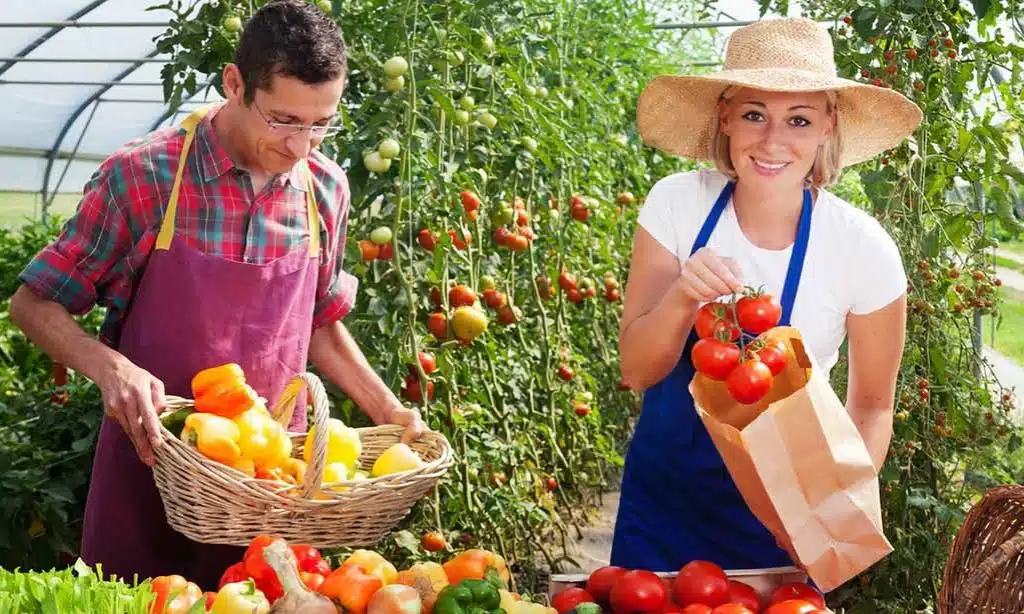
Seasonal produce is a cornerstone of farm-to-table dining. Restaurants align their menus with local harvests, creating consistent demand for crops grown in harmony with nature’s cycles.
This practice supports crop diversity and reduces the environmental cost of off-season farming. Farm-to-table dining supports Australian farmers by celebrating the bounty of each season.
Actionable Tip: Consumers can use seasonal produce calendars to plan their meals and ensure they are buying the freshest, most sustainable ingredients available.
Seasonal Produce Examples in Australia
| Season | Common Crops | Specialty Crops |
| Summer | Mangoes, Avocados | Dragon Fruit |
| Winter | Kale, Sweet Potatoes | Finger Limes |
| Spring | Strawberries, Asparagus | Warrigal Greens |
| Autumn | Pumpkins, Apples | Quandongs |
4. Builds Stronger Farmer-Chef Relationships
Collaboration between chefs and farmers creates a feedback loop that benefits both parties.
Farmers can grow crops tailored to chefs’ preferences, while chefs gain access to unique, high-quality ingredients that elevate their dishes.
Farm-to-table dining supports Australian farmers by fostering long-term, mutually beneficial partnerships.
Actionable Tip: Restaurants can host farmer appreciation nights, inviting local growers to interact with diners and share their stories.
Farmer-Chef Partnership Benefits
| Benefit | Example |
| Tailored Crop Production | Unique microgreens for a Sydney chef |
| Consistent Demand | Regular orders for specialized produce |
| Product Feedback | Improved crop quality over time |
5. Reduces Food Waste
Restaurants practicing farm-to-table dining often incorporate “imperfect” produce that doesn’t meet cosmetic standards but is perfectly edible.
This reduces food waste at the farm level, benefiting farmers who would otherwise face financial losses. Farm-to-table dining supports Australian farmers by valuing the full harvest.
Practical Insight: Consumers can adopt similar practices by buying imperfect produce from local markets or retailers offering “ugly” vegetables.
Addressing Food Waste
| Source of Waste | Farm-to-Table Solution |
| Imperfect Produce | Used in soups and stews |
| Surplus Crops | Pickled or preserved for later use |
| Seasonal Overproduction | Featured in limited-time dishes |
6. Fosters Community Engagement
Farm-to-table initiatives often include farmers’ markets and food festivals, bringing communities together.
These events allow farmers to interact directly with consumers, educating them about the importance of supporting local agriculture.
Farm-to-table dining supports Australian farmers by strengthening community ties.
Actionable Tip: Local councils can support these initiatives by organizing more farm-to-table events and providing marketing support for farmers’ markets.
Community Engagement Activities
| Activity | Outcome |
| Farmers’ Markets | Direct consumer interaction |
| Food Festivals | Increased awareness of local produce |
| Educational Workshops | Promotion of sustainable practices |
7. Supports Regional Economies
By sourcing locally, farm-to-table dining injects money into regional economies. Small farming communities across Australia, from the Barossa Valley to Tasmania, have thrived due to increased demand for their produce.
Farm-to-table dining supports Australian farmers by revitalizing rural areas.
Case Study: In South Australia, a farm-to-table initiative partnered with wineries to create a thriving agri-tourism industry, boosting local businesses and attracting international tourists.
Economic Impact of Local Sourcing
| Metric | Impact |
| Local Spending | Multiplier effect on local economy |
| Job Creation | Opportunities in agriculture and logistics |
| Community Growth | Stronger rural infrastructure |
8. Increases Demand for Unique Crops
Chefs often seek out specialty and heirloom varieties to create distinctive dishes. This encourages farmers to diversify their offerings, growing crops like finger limes or Warrigal greens, which are native to Australia and increasingly popular in gourmet cuisine.
Farm-to-table dining supports Australian farmers by driving demand for these unique offerings.
Actionable Tip: Home gardeners can contribute by growing native Australian crops, further supporting biodiversity and cultural appreciation.
Examples of Unique Crops
| Crop | Notable Use |
| Finger Limes | Garnish in seafood dishes |
| Warrigal Greens | Ingredient in salads and sautés |
| Quandongs | Used in desserts and jams |
9. Enhances Farmer Resilience
Direct sales and diversified income streams make farmers less vulnerable to global market fluctuations.
Farm-to-table dining also encourages long-term partnerships, offering farmers financial predictability.
Farm-to-table dining supports Australian farmers by providing stability in uncertain markets.
Practical Insight: Farmers can explore online platforms like Open Food Network to expand their customer base and ensure consistent sales.
Building Resilience
| Resilience Factor | Benefit |
| Direct Sales | Stable income |
| Long-Term Partnerships | Predictable demand |
| Diverse Crops | Mitigation of market risks |
10. Celebrates Australian Agricultural Heritage
Farm-to-table dining highlights the rich heritage of Australian farming, including indigenous practices.
By incorporating native ingredients, this movement pays homage to traditional knowledge while promoting cultural appreciation.
Farm-to-table dining supports Australian farmers by preserving agricultural traditions.
Actionable Tip: Schools and local councils can collaborate with indigenous communities to organize workshops on bush tucker and traditional farming techniques.
Celebrating Heritage
| Ingredient | Cultural Significance |
| Kangaroo Grass Seeds | Used in traditional Aboriginal bread |
| Lemon Myrtle | Popular as a seasoning |
| Wattleseed | Featured in desserts |
Benefits for Consumers and Restaurants
Healthier Dining Experiences
Fresh, locally sourced ingredients are more nutritious and free from preservatives. Farm-to-table dining supports Australian farmers by ensuring healthier, fresher meals for consumers.
Example: A Brisbane-based farm-to-table restaurant offers gluten-free, organic meals, catering to health-conscious diners and attracting repeat customers.
Unique Flavors and Authenticity
Farm-to-table dining allows restaurants to craft menus inspired by local flavors. The connection between the story of the ingredient and the final dish enhances the dining experience, making it memorable for consumers.
Farm-to-table dining supports Australian farmers while delivering authenticity.
Takeaway
Farm-to-table dining is more than just a trend; it’s a movement that uplifts Australian farmers, promotes sustainable practices, and fosters a deeper connection between communities and their food.
By embracing this dining concept, we can contribute to a more resilient agricultural system while enjoying the freshest, most flavorful meals.
Next time you dine out, choose a farm-to-table restaurant and experience the benefits firsthand—for your plate, your health, and the farmers who make it all possible.
Farm-to-table dining supports Australian farmers in meaningful, impactful ways.
























