

In recent years, dining habits have evolved significantly. As more consumers embrace healthier, sustainable lifestyles, the farm-to-table movement has gained considerable traction worldwide.
In Australia, this approach is reshaping the food landscape, where chefs are moving away from traditional supply chains and focusing on ingredients grown locally by farmers.
The farm-to-table model promotes not only environmental sustainability but also supports local economies, elevates food quality, and encourages a deeper connection between people and their food sources.
Farm-to-table chefs in Australia are pivotal in driving this change. By using fresh, seasonal, and locally sourced ingredients, these culinary leaders are changing how we view food—from the journey it takes from farm to table to the taste it brings to our palates.
In this article, we will explore 10 Australian chefs at the forefront of this culinary revolution and discover how they are transforming the food scene.
Understanding the Farm-to-Table Movement in Australia
The farm-to-table movement focuses on sourcing food directly from local farms and producers, promoting seasonality and sustainability.
In Australia, this movement has grown significantly over the past decade, fueled by a demand for ethically sourced, locally grown ingredients and a more conscious approach to eating.
Chefs who follow the farm-to-table philosophy prioritize minimizing the environmental impact of their food sourcing.
This often means cutting down on food miles (the distance food travels before reaching the table), reducing packaging waste, and supporting practices that respect the land and animals.
Moreover, this movement promotes healthier eating because the ingredients are fresher and packed with more nutrients, compared to mass-produced food found in supermarkets.
Key Benefits of Farm-to-Table Dining
- Healthier Food: Eating fresh, locally sourced produce means you’re consuming food in its prime, with more nutrients and flavor.
- Sustainability: By sourcing ingredients locally, chefs reduce the carbon footprint of their meals and promote sustainable farming practices.
- Support for Local Farmers: By prioritizing local sourcing, farm-to-table chefs help support small farmers, reduce supply chain waste, and stimulate local economies.
| Benefit | Impact |
| Healthier Eating | Fresher ingredients, more nutrients, and fewer chemicals |
| Sustainability | Reduced food miles, less packaging waste, and eco-friendly farming |
| Supporting Local | Strengthening local economies and encouraging sustainable agriculture |
10 Farm-to-Table Chefs Making a Difference In 2025
Australia is home to some of the world’s most innovative chefs, and many of them have embraced the farm-to-table philosophy.
Below, we explore 10 chefs who are reshaping the culinary scene in Australia by prioritizing sustainability and championing locally sourced ingredients.
1. Peter Gilmore
Peter Gilmore is one of Australia’s most renowned chefs, known for his innovative approach to farm-to-table dining at Quay in Sydney.
Gilmore is an advocate for seasonal produce and native Australian ingredients, such as finger lime, bush tomato, and wattleseed, which he uses to create refined, yet distinctly Australian dishes.
His culinary style blends modernist techniques with the freshest local produce, often sourced from small Australian farms.
| Chef | Peter Gilmore |
| Restaurant | Quay (Sydney) |
| Signature Dish | Snow Egg |
| Key Ingredients | Finger lime, passion fruit, wattleseed |
| Sustainability Focus | Local, seasonal, native ingredients |
2. Ben Shewry
Ben Shewry is the mastermind behind Attica, Melbourne’s acclaimed fine-dining restaurant. Known for his creative use of native Australian ingredients, Shewry has become an advocate for sustainable dining.
His menus are deeply connected to Aboriginal food traditions, incorporating local produce like saltbush, finger lime, and bush tomatoes.
By collaborating with local farmers, Shewry brings the best of Australia’s terroir to his diners.
| Chef | Ben Shewry |
| Restaurant | Attica (Melbourne) |
| Signature Dish | Porridge of Brigalow Emu |
| Key Ingredients | Emu, bush tomato, native herbs |
| Sustainability Focus | Indigenous farming practices, local sourcing |
3. Jodie Williams
Jodie Williams is the chef-owner of Jodie Williams Dining in Melbourne, a restaurant celebrated for its sustainable, seasonal menus.
Williams is committed to sourcing ingredients from nearby farms, often collaborating with small-scale, family-owned farms.
Her approach to farm-to-table dining is rooted in simplicity, allowing the fresh, local ingredients to shine. She is known for creating dishes that respect the natural flavors of the produce.
| Chef | Jodie Williams |
| Restaurant | Jodie Williams Dining (Melbourne) |
| Signature Dish | Saltbush Lamb |
| Key Ingredients | Lamb, seasonal herbs, vegetables |
| Sustainability Focus | Local sourcing, farm partnerships |
4. Mark Best
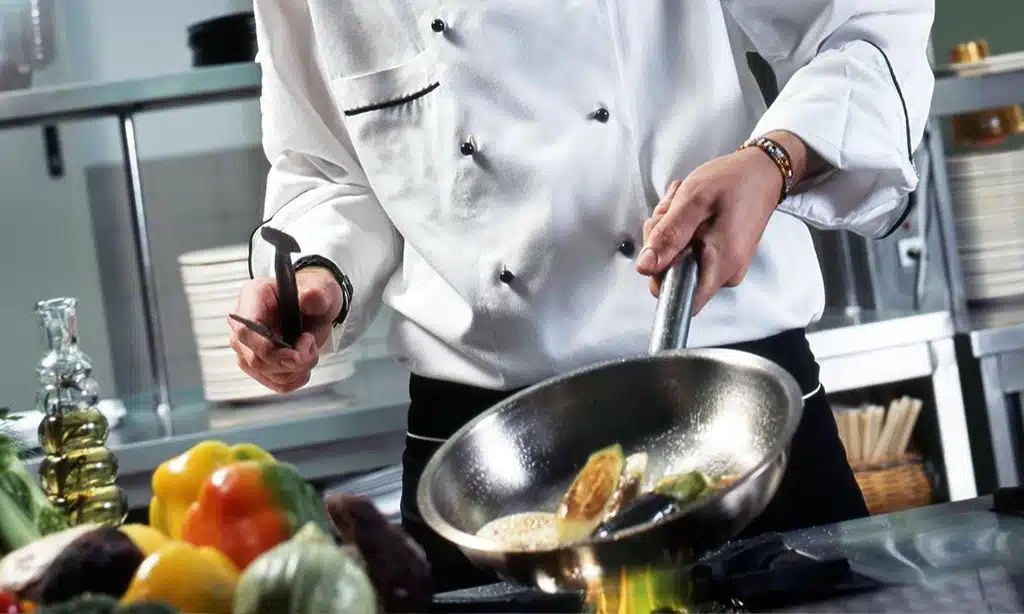
Chef Mark Best is the talent behind Marque in Sydney, a restaurant that exemplifies the farm-to-table philosophy. Known for his minimalist approach to cooking, Best’s focus is on quality over quantity.
He uses only the best local produce, which is sourced through his close relationships with farmers.
His dishes are built around fresh, seasonal ingredients that tell the story of Australia’s agriculture.
| Chef | Mark Best |
| Restaurant | Marque (Sydney) |
| Signature Dish | Eggplant, Sesame, and Smoked Vinegar |
| Key Ingredients | Eggplant, sesame, smoked vinegar |
| Sustainability Focus | Local, organic produce |
5. Anna Polyviou
Anna Polyviou, the talented pastry chef behind Vue de Monde in Melbourne, is celebrated for her innovative desserts made from native Australian ingredients.
Polyviou’s work is a testament to how the farm-to-table philosophy can extend to dessert menus.
She frequently incorporates wattleseed, finger lime, and bush tomatoes in her pastries, elevating traditional dessert flavors with unique, local ingredients.
| Chef | Anna Polyviou |
| Restaurant | Vue de Monde (Melbourne) |
| Signature Dish | Native Wattleseed Pavlova |
| Key Ingredients | Wattleseed, finger lime, meringue |
| Sustainability Focus | Seasonal ingredients, local sourcing |
6. Shannon Bennett
Chef Shannon Bennett, behind Vue de Monde, is a prominent figure in promoting sustainable dining across Australia.
Known for his dedication to locally sourced, seasonal produce, Bennett ensures that each ingredient in his menu is sourced ethically.
His cooking style emphasizes the use of native Australian meats like kangaroo and emu, highlighting the biodiversity of the land.
| Chef | Shannon Bennett |
| Restaurant | Vue de Monde (Melbourne) |
| Signature Dish | Crispy Kangaroo with Seasonal Vegetables |
| Key Ingredients | Kangaroo, seasonal vegetables |
| Sustainability Focus | Sourcing local meats, farm-to-table |
7. Neil Perry
Chef Neil Perry is the pioneer behind the Rockpool Group, known for its commitment to sustainable seafood.
Perry’s restaurants highlight the best of Australian seafood, much of it sourced from sustainable fisheries.
His philosophy extends to grass-fed beef and organic vegetables, ensuring that the ingredients are ethical, high-quality, and locally sourced.
| Chef | Neil Perry |
| Restaurant | Rockpool (Sydney) |
| Signature Dish | Grilled Ocean Trout with Local Herbs |
| Key Ingredients | Ocean trout, seasonal herbs |
| Sustainability Focus | Sustainable seafood, local sourcing |
8. Chris Craven
Chris Craven is the chef behind The Grounds of Alexandria, one of Sydney’s most beloved farm-to-table destinations.
Known for its beautiful garden setting and commitment to sustainability, The Grounds takes full advantage of its proximity to local farms and produce markets, ensuring that every dish is made with the freshest available ingredients.
| Chef | Chris Craven |
| Restaurant | The Grounds of Alexandria (Sydney) |
| Signature Dish | Smoked Fish and Pickled Vegetables |
| Key Ingredients | Local fish, seasonal vegetables |
| Sustainability Focus | Zero-waste, local farm partnerships |
9. David Thompson
Chef David Thompson, renowned for his work at Longrain, combines Thai culinary traditions with local Australian ingredients.
Thompson uses seasonal, local produce like Australian-grown vegetables and herbs in his Thai-inspired dishes, bringing a fresh, sustainable twist to traditional flavors.
| Chef | David Thompson |
| Restaurant | Longrain (Sydney) |
| Signature Dish | Green Curry with Australian Vegetables |
| Key Ingredients | Local vegetables, herbs |
| Sustainability Focus | Local sourcing, sustainable seafood |
10. Tetsuya Wakuda
Chef Tetsuya Wakuda is known for his ability to blend Japanese techniques with Australian ingredients.
At his acclaimed restaurant, Tetsuya’s, he uses fresh, locally sourced seafood and seasonal produce to create dishes that reflect the harmony of both cultures.
| Chef | Tetsuya Wakuda |
| Restaurant | Tetsuya’s (Sydney) |
| Signature Dish | Tasmanian Ocean Trout with Seaweed and Japanese Herbs |
| Key Ingredients | Ocean trout, Japanese herbs, seaweed |
| Sustainability Focus | Sustainable seafood, seasonal sourcing |
Takeaway
The farm-to-table movement is more than just a trend—it’s a necessary shift toward sustainability, healthier eating, and supporting local economies.
These 10 chefs in Australia are leading the charge by bringing local, seasonal, and sustainably sourced ingredients to the forefront of dining.
Through their culinary expertise and commitment to sustainability, they are not only changing how Australians eat but also setting an example for the global culinary community.
By supporting these chefs and their restaurants, diners contribute to the growing demand for ethical sourcing, sustainable agriculture, and responsible food production.
As consumers become more conscious of where their food comes from, farm-to-table dining will continue to shape the future of food.
So, the next time you’re looking for a dining experience that supports both the planet and local communities, consider choosing a restaurant that champions the farm-to-table philosophy.






















