

Travel can feel rushed these days. Many people, especially Millennials, want more than quick pictures and crowded tourist spots. They crave slower trips filled with meaning, local flavors, and real memories.
Italy’s farm-to-table agriturismo trips are the answer. These experiences let travelers connect to rural life, enjoy fresh food straight from farms, and learn about Italian culture in a hands-on way.
This blog will guide you through why this trend is booming and how it creates unforgettable adventures.
Want a trip full of good food and simple joys? Keep reading!
Key Takeaways
- Millennials prefer slower trips focused on fresh food, local traditions, and rural life over crowded tourist spots.
- Agriturismo supports sustainable travel by using organic farming and helping small farmers instead of big companies.
- Guests enjoy hands-on activities like cooking classes, olive oil pressing, grape harvesting, and wine tasting in scenic regions like Tuscany or Sicily.
- Farm stays offer unique chances to live Italian culture through meals made from local ingredients and exploring medieval villages.
- Timing matters for agriturismos—fall is perfect for olive oil pressing and grape harvests; spring blooms with fresh produce.
Why Millennials Are Drawn to Agriturismo
Millennials crave real connections and want to learn about rural life. They enjoy slower, greener travel that ties them to local customs.
Desire for Authentic Experiences
Travelers enjoy meeting local families on farm stays. Sharing meals and stories brings a sense of belonging. Cooking classes let visitors learn authentic Italian recipes passed down through generations.
These moments create deep connections to rural life.
Tasting olive oil made directly from nearby olive groves feels special. Walking through medieval villages adds charm to the adventure. Experiences like these are not part of mass tourism, making them unforgettable.
Interest in Sustainable Travel
More people care about how their trips impact the earth. Industrial farming harms land and uses harmful pesticides. Agriturismo in Italy offers an eco-friendly choice. Tourists stay on farms that use organic farming methods and sustainable agriculture.
These farms avoid chemicals and focus on protecting nature.
Staying at farm stays helps local farmers earn a living. It also stops money from going to large corporations. For example, places like the Foresta Modello de le Montagne Fiorentine work hard to keep tourism green.
Visitors can enjoy authentic Italian experiences while helping rural communities thrive through sustainable practices.
Connection to Local Food Movements
Millennials crave fresh, local flavors. Agriturismi make this easy by serving meals from their own farms. Many grow organic produce and press olive oil on-site. Guests see how food moves from fields to plates.
This connection excites those who care about sustainable practices.
Farm stays also highlight rural Italian customs. Visitors join activities like grape harvesting or bread baking using old methods. These moments tie travelers to the land and its traditions, making each meal more meaningful.
Chianti wines and regional dishes add an authentic touch to every dining experience.
Farm-to-Table Appeal
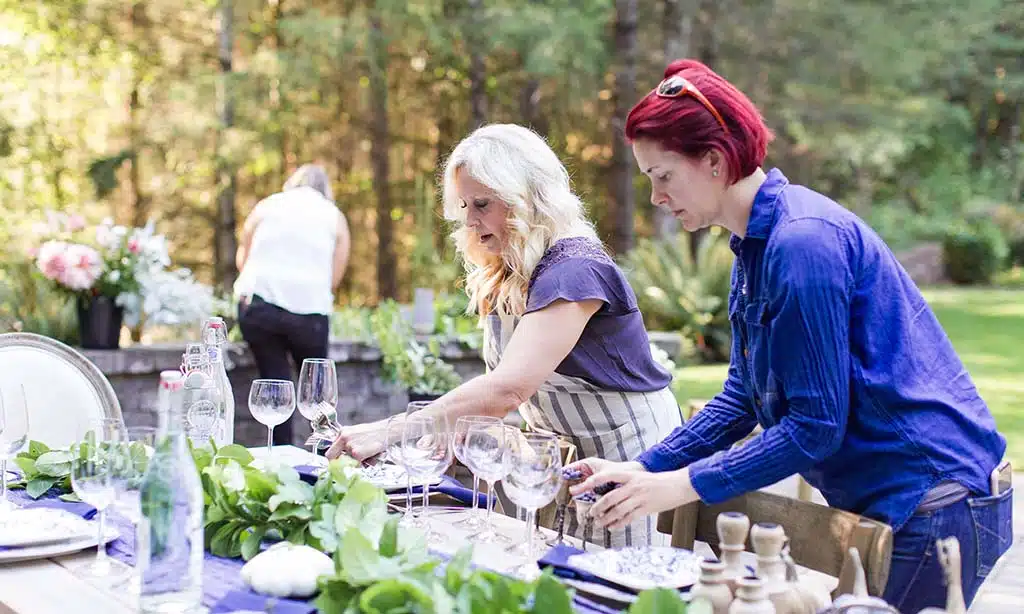
Fresh ingredients and hands-on food experiences make these trips irresistible. They offer a slice of Italian life, straight from the soil to your plate.
Fresh, Organic Ingredients
Meals burst with vibrant, local flavors. Farm stays in Italy highlight fresh produce like Tuscan kale and meats such as braised beef. Many dishes include olive oil from nearby olive groves or Chianti wine straight from the region.
These farm-to-table meals celebrate Italian cuisine at its finest.
Guests eat what is grown steps away. Organic farming practices ensure clean, healthy ingredients on every plate. This deep connection to rural life offers an authentic Italian experience that delights both foodies and travelers seeking sustainable travel options.
Learning About Food Origins
Farm stays in Italy let travelers explore rural life deeply. Guests can learn how olive oil pressing happens or see where Malvasia Toscana grapes grow. These agriturismos often focus on organic farming, giving visitors a clear view of sustainable practices.
Walking through olive groves or helping with crop harvesting connects people to the origins of their food.
Cooking classes teach the use of fresh, local ingredients straight from the farm. Visitors might pick vegetables themselves and later use them in traditional recipes. Many places show how ancient methods still shape Italian cuisine today.
This hands-on experience ties history, culture, and flavor into every dish made onsite.
Hands-On Culinary Experiences
Cooking classes with local chefs make trips unforgettable. Visitors learn to create dishes like rosemary focaccia bread, enough for 8 servings. Kneading dough by hand feels rewarding, and the smell of fresh bread fills the air.
Olive oil pressing turns simple olives into liquid gold. Guests work alongside farmers in olive groves, learning every step. Pairing fresh oils with warm Italian bread adds a tasty touch to the experience.
Activities Millennials Love at Agriturismos
Pick olives, taste wine, or learn to cook pasta—all while soaking up rural Italian life!
Cooking Classes with Local Chefs
Local chefs teach cooking classes using the freshest ingredients. At Podere San Giuliano in Bologna, visitors learn to make tortelloni from scratch. Dishes like braised beef or Tuscan kale connect travelers to traditional Italian recipes.
These classes happen on farms or near olive groves, adding to the charm. Guests can taste authentic flavors while mastering old techniques. It’s a hands-on way to enjoy rural life and explore Italian culture through food.
Wine Tasting and Vineyard Tours
Sip Chianti wine surrounded by rolling hills. Many farm stays offer vineyard tours, showing how grapes turn into fine wines. Podere I Lastri lets visitors hike through scenic trails, then enjoy wine tastings.
Italian culture shines in these vineyards, blending rural tourism with local customs.
Tuscany leads with its “super Tuscan” flavors and olive groves nearby. Wine pairings during meals highlight organic farming efforts. The aromas of aged barrels enrich the experience while learning about sustainable practices.
Vineyard tours connect travelers to Italy’s rich history and nature’s bounty.
Harvesting and Farming Activities
Pick olives straight from ancient olive groves or help with grape harvesting in lush vineyards. Some agriturismos let guests work with local farmers, gathering fresh crops like tomatoes or zucchini.
It’s a hands-on way to learn about rural life and organic farming.
In Provincia di Reggio Emilia, try a permaculture project that focuses on sustainable methods. Join activities like truffle hunting or olive oil pressing. These tasks connect visitors to the land and Italian traditions deeply rooted in agriculture.
Top Regions in Italy for Agriturismo
Italy’s countryside offers a feast for the senses. Each region has its charm, from rolling hills to ancient olive groves.
Tuscany: The Iconic Agriturismo Destination
Tuscany delights visitors with rolling hills, olive groves, and vineyards. Its medieval villages like Greve offer a peek into rural life. Podere I Lastri, an hour from Florence, lets travelers explore hiking trails and enjoy wine tours.
Farm stays here often include authentic Italian experiences with food made using organic farming practices.
Places like Villa la Palagina and Podere San Giuliano welcome guests to immerse in local customs. Visitors can press olive oil or join cooking classes highlighting Italian culture.
The region blends natural beauty with sustainable travel options that support family farms and traditional methods.
Sicily: Unique Flavors and Rich History
Sicily bursts with bright flavors and deep history. Its citrus groves produce oranges, lemons, and mandarins that fill the air with sweet scents. Almond orchards dot the land, while fresh seafood highlights every meal.
These treasures reflect Sicilian pride in rural life.
The island’s roots run ancient. Greek temples stand tall, like those in Agrigento’s Valley of Temples—dates back over 2,500 years! Many agriturismos here mix organic farming with cultural experiences.
Guests can try olive oil pressing or learn local customs through cooking classes featuring traditional dishes like arancini or caponata. Sicily blends rich food and culture at its finest!
Veneto: Scenic Countryside Beyond Venice
Rolling hills and olive groves fill Veneto’s countryside. Family farms here make Prosecco, Asiago cheese, and fresh produce. Many agriturismos let visitors join hands-on farming tasks like grape harvesting or olive oil pressing.
Medieval villages dot the region, offering glimpses into rural life and local customs. Between sipping sparkling wine or learning organic farming methods, travelers also explore lush vineyards and quiet trails.
It’s a slice of Italian culture beyond Venice’s busy streets.
Benefits of Choosing Agriturismo Trips
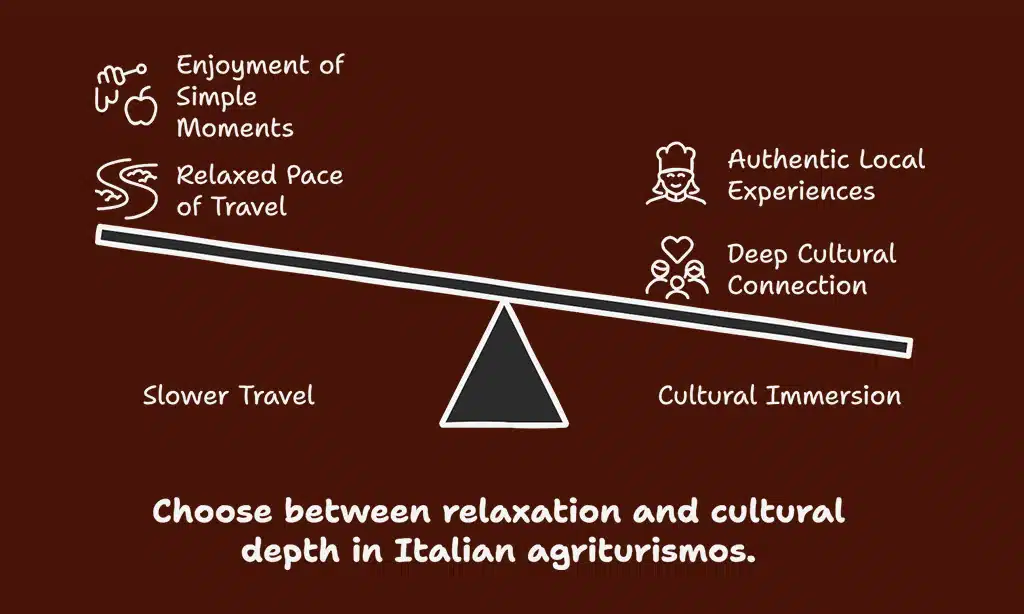
You get to slow down and soak in rural life. It’s a chance to truly experience Italian culture, hands-on.
Slower, More Relaxed Travel
Farm stays in Italy offer a calm escape from busy life. Guests enjoy the simple rhythm of rural tourism. Wandering through olive groves or staying in medieval villages slows everything down.
Travelers can savor each meal, made from organic farming and fresh ingredients.
This type of trip embraces sustainable travel while supporting local farmers. Visitors explore Italian culture at their own pace. Cooking classes, olive oil pressing, and discovering local customs add to the charm without any rush.
It’s about enjoying every moment fully.
Opportunities to Support Local Farmers
Staying at agriturismos helps farmers keep their land. Many need extra income to care for fields and orchards. For example, Agriturismo Poggio Ferrata supports organic farming while offering farm stays.
Buying fresh olive oil or wine directly from these farms boosts local economies. Guests can also join olive oil pressing or grape harvests. These hands-on activities give visitors a taste of rural life while aiding sustainable practices.
Immersion in Italian Culture
Visitors live like locals in rural villages. They share meals with Italian families and learn local customs. Many agriturismos host olive oil pressing events during harvest season.
Guests often explore medieval villages nearby, soaking in history and charm.
Cooking classes teach classic recipes passed through generations. Farmers explain sustainable practices while showing their crops. These experiences bring a deeper connection to authentic Italian culture and traditions.
Tips for Booking an Agriturismo Experience
Pick a spot that matches your vibe, pack light for the countryside, and keep an eye on seasonal perks—there’s more to know!
How to Choose the Right Location
Focus on regions tied to your interests. Tuscany offers cooking classes, vineyard tours, and olive groves. Sicily boasts bold flavors, ancient ruins, and rich local customs. Veneto has rolling hills near Venice and medieval villages perfect for exploring rural life.
Think about the season too. Fall is great for grape harvests in vineyards or olive oil pressing in Umbria. Spring blooms with fresh ingredients for authentic Italian experiences. Match activities to your travel dates for a true farm stay adventure!
Understanding Accommodation Options
Farm stays in Italy offer all kinds of choices. Some locations have simple, rustic rooms for those who enjoy rural life. Others, like Villa la Palagina in Tuscany, provide modern apartments with stunning views and more comfort.
Travelers can pick what fits their style and budget
Podere I Lastri is great for active guests. It offers hiking trails through olive groves and wine tours, giving a mix of relaxation and adventure. Many places focus on sustainable practices while blending old-world charm with modern needs.
Planning Around Seasonal Activities
Timing matters for agriturismos. Olive oil pressing happens in fall during the olive harvest. Truffle hunting shines from late September to December, especially in areas like Umbria.
Vineyards buzz with grape picking in September. Visit in spring for blooming fields or early summer to see crops grow.
Plan based on what you want to do most. Fall months offer plenty of hands-on work, like harvesting olives or grapes. Spring shows off nature’s beauty and is perfect for wandering through rural villages or olive groves while learning local customs tied to the seasons.
The Future of Agriturismo for Millennials
Millennials want trips that care for the planet and support small farmers. Farm stays in Italy are adding new, fresh ideas to meet these needs.
Increased Focus on Sustainability
Farm stays now champion sustainable practices. They support local farmers and use organic farming to protect the land. Many avoid harmful pesticides linked to industrial farming. This shift preserves olive groves, vineyards, and other rural treasures of Italy.
Groups like Foresta Modello de le Montagne Fiorentine lead the way in eco-friendly ideas. Travelers see how their choices help communities thrive. Supporting these farms means supporting a cleaner earth and preserving Italian culture for future trips.
Expanding Culinary Offerings
Agriturismos in Italy now feature more food options. Guests enjoy cooking classes led by skilled local chefs. These sessions highlight traditional dishes and pairing them with local wines.
Many farms focus on organic farming, offering fresh ingredients straight from the fields.
Some spots include olive oil pressing demonstrations or trips to nearby medieval villages. Seasonal menus also change, showcasing the best flavors of each harvest. This growing variety keeps farm stays exciting for travelers seeking authentic Italian experiences.
Integration of Wellness Experiences
Yoga retreats near Abruzzo National Park mix mindfulness and nature. Guests stretch in olive groves or walk peaceful trails, soaking up the calm of rural life. Such wellness options pair perfectly with organic farming stays.
More agriturismos may add yoga, meditation, or spa activities soon. Farm stays could balance local food traditions with relaxing experiences like herbal baths or guided nature tours.
This blend supports sustainable travel and deeper connections to Italian culture.
Takeaways
Millennials love Italy’s agriturismos for good reasons. They promise fresh food, local traditions, and peaceful farm stays. These trips connect people to rural life and sustainable travel.
Visitors leave with full hearts, happy stomachs, and unforgettable memories of true Italian culture. Why wait?
FAQs
1. What makes farm-to-table agriturismo trips in Italy popular with millennials?
Millennials love the mix of rural life, sustainable travel, and an authentic Italian experience. These trips often include organic farming, olive oil pressing, and learning local customs.
2. Why do cooking classes attract travelers to agriturismo stays?
Cooking classes let visitors dive into Italian culture by using fresh ingredients from nearby farms. They also offer hands-on lessons that connect people to traditional recipes.
3. How does agriturismo support sustainable practices?
Farm stays focus on eco-friendly methods like organic farming and preserving olive groves. Travelers can see how these practices protect the land and promote a healthy lifestyle.
4. Are medieval villages part of the appeal for these trips?
Yes! Many agriturismos are near charming medieval villages where visitors can explore history while enjoying rural tourism at its best.
5. What’s special about experiencing Umbrian or Arab influences during these tours?
In regions like Umbria, guests discover rich traditions tied to historic agriculture and food production. Some places even highlight unique Arab contributions to local customs in farming and cuisine!





















