Australian agriculture has long been a cornerstone of the nation’s economy and identity. However, with the rising challenges of climate change, soil degradation, and water scarcity, traditional Western farming methods often fall short of ensuring long-term sustainability.
Enter Indigenous knowledge—a wealth of ecological wisdom and land management techniques developed over tens of thousands of years by Australia’s First Nations people. Indigenous knowledge in Australian farming practices offers innovative, sustainable, and ecologically balanced approaches to managing the land.
In this article, we’ll explore how Indigenous knowledge contributes to modern farming practices, delve into its historical roots, and examine its potential to transform agriculture in Australia.
What is Indigenous Knowledge?
Indigenous knowledge refers to the complex systems of understanding developed by Indigenous peoples through centuries of interaction with their natural environment.
In Australia, this knowledge is deeply tied to the land, water, and biodiversity, encompassing spiritual, cultural, and ecological dimensions. It is not just a set of practices but a holistic approach to living in harmony with the Earth.
Key characteristics of Indigenous knowledge include:
- Sustainability: Practices are designed to maintain ecological balance over the long term.
- Adaptability: Indigenous knowledge evolves with changing environmental conditions.
- Holistic Perspective: It integrates ecological, social, and spiritual considerations.
In the context of Australian farming, Indigenous knowledge offers valuable insights into land management, soil health, and water conservation that can complement and enhance conventional agricultural methods.
Historical Context: Indigenous Land Management in Australia
For over 65,000 years, Indigenous Australians have managed the continent’s diverse landscapes using sustainable practices that align with natural cycles. These methods, often referred to as “caring for country,” include:
1. Fire Stick Farming Indigenous Australians used controlled burns to manage vegetation, encourage the growth of specific plant species, and reduce the risk of catastrophic wildfires. This practice not only enhanced biodiversity but also improved soil health and nutrient cycling. Fire stick farming also created mosaics of habitats that supported a diverse range of wildlife, showcasing its ecological benefits.
| Benefits of Fire Stick Farming | Details |
| Reduced Wildfire Risk | Prevents the buildup of flammable vegetation. |
| Encourages Biodiversity | Promotes the growth of native plants. |
| Improves Soil Fertility | Releases nutrients back into the soil. |
Actionable Tip: Collaborate with local Indigenous groups to learn about cultural burning techniques and integrate them into property management plans.
2. Water Resource Management Ingenious systems, such as fish traps and aquaculture setups like the Budj Bim system in Victoria, showcase sophisticated methods of managing water resources for food production while maintaining ecosystem health. These systems illustrate a sustainable approach to harnessing water for both human and ecological needs.
| Indigenous Water Management Practices | Details |
| Budj Bim Aquaculture | Stone channels and ponds for eel farming. |
| Water Catchments | Small-scale systems for sustainable irrigation. |
| Wetland Preservation | Maintains biodiversity and water storage. |
Actionable Tip: Explore natural water cycle models inspired by Indigenous practices to design sustainable irrigation systems.
3. Crop and Seed Management Indigenous peoples cultivated native plants such as yams and wattleseed, employing techniques that encouraged sustainable yields without exhausting the soil. These crops were chosen for their adaptability to Australia’s harsh climate, reducing the need for intensive inputs.
| Native Crops | Benefits |
| Yams | Drought-resistant and nutrient-rich. |
| Wattleseed | High in protein and easy to grow. |
| Kangaroo Grass | Restores soil health and prevents erosion. |
Actionable Tip: Incorporate native crops into crop rotations to reduce soil depletion and increase resilience to climate variability.
How Indigenous Knowledge Enhances Modern Farming?
The integration of Indigenous knowledge into modern agricultural practices offers numerous benefits. Let’s explore some key areas:
1. Soil Health and Regeneration
Indigenous methods emphasize the importance of maintaining soil health. Practices such as minimal soil disturbance and the use of organic matter help preserve microbial life and prevent erosion. Modern farmers can adopt these techniques to enhance soil fertility and reduce reliance on chemical fertilizers.
Example: Using native plants like saltbush as cover crops not only protects the soil but also provides fodder for livestock. Additionally, applying ash from controlled burns enriches soil with essential minerals.
| Soil Health Practices | Impact on Farming |
| Minimal Soil Disturbance | Preserves soil structure and fertility. |
| Organic Matter Usage | Boosts microbial activity and nutrient levels. |
| Controlled Burning | Recycles nutrients back into the soil. |
Actionable Tip: Test small plots of land with Indigenous soil practices to gauge improvements before scaling up.
2. Water Management
Water scarcity is a pressing issue for Australian farmers. Indigenous knowledge offers innovative solutions, such as:
- Building small-scale water catchments to optimize water use.
- Understanding natural water cycles to plan efficient irrigation.
- Preserving wetlands as natural reservoirs and biodiversity hubs.
These methods align with sustainable water use practices, ensuring long-term agricultural productivity.
| Water Management Techniques | Outcome |
| Water Catchments | Reduces dependency on external irrigation. |
| Natural Cycle Awareness | Prevents over-irrigation and waterlogging. |
| Wetland Protection | Supports ecosystem health and water storage. |
Actionable Tip: Leverage natural land contours to create water catchments for efficient irrigation.
3. Biodiversity and Pest Control
Indigenous knowledge prioritizes biodiversity, recognizing its role in maintaining ecological balance. By cultivating native plants and encouraging diverse habitats, farmers can:
- Attract pollinators.
- Support natural pest predators.
- Reduce dependency on chemical pesticides.
Case Study: The reintroduction of kangaroo grass on farms has boosted soil health and provided a habitat for beneficial insects. This dual-purpose strategy enhances both crop yields and pest control.
| Biodiversity Benefits | Details |
| Attracts Pollinators | Improves crop yields through better pollination. |
| Encourages Natural Pest Predators | Reduces reliance on chemical pest control. |
| Enhances Soil Quality | Supports sustainable farming systems. |
Actionable Tip: Partner with Indigenous ecologists to identify native plants that benefit your farm’s ecosystem.
4. Climate Adaptation
As climate change continues to impact Australian agriculture, Indigenous knowledge offers valuable strategies for resilience. Traditional practices, such as using fire to reduce fuel loads and managing native vegetation, help mitigate the effects of extreme weather events.
| Climate Adaptation Strategies | Effectiveness |
| Controlled Burns | Minimizes the impact of wildfires. |
| Native Vegetation Management | Supports ecosystem stability. |
| Sustainable Water Use | Reduces vulnerability to drought. |
Actionable Tip: Integrate climate-resilient native plants into farm designs to build long-term sustainability.
Examples of Indigenous Knowledge in Action
Several projects and initiatives across Australia highlight the successful integration of Indigenous knowledge into farming practices:Firestick Alliance This organization promotes the use of cultural burning techniques to manage landscapes and reduce wildfire risks. Farmers working with the Firestick Alliance have reported improved soil fertility and reduced invasive weed growth.
- Native Grains Initiative Programs like this aim to reintroduce native grains, such as kangaroo grass and wattleseed, into mainstream agriculture. These grains are not only nutritious but also well-suited to Australia’s arid conditions, requiring less water and fewer inputs than traditional crops.
- Bush Food Enterprises The growing bush food industry showcases how Indigenous knowledge can create new economic opportunities. Products like bush tomatoes, finger limes, and macadamia nuts are gaining popularity, offering farmers a sustainable and profitable alternative to conventional crops.
| Key Initiative | Outcome |
| Firestick Alliance | Improved fire management and soil health. |
| Native Grains Initiative | Increased resilience and profitability. |
| Bush Food Enterprises | Economic opportunities for Indigenous farmers. |
Challenges in Integrating Indigenous Knowledge
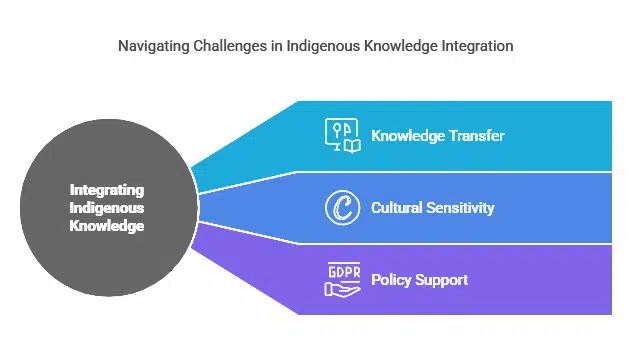
While the benefits of incorporating Indigenous knowledge in Australian farming practices are clear, there are challenges to overcome:
- Knowledge Transfer: Much of this knowledge is passed down orally, making it difficult to document and share widely.
- Cultural Sensitivity: Collaborating with Indigenous communities requires mutual respect and understanding, as well as recognition of their intellectual property rights.
- Policy Support: Greater government support and funding are needed to encourage the adoption of Indigenous practices on a broader scale.
Actionable Tip: Develop partnerships with Indigenous leaders to facilitate knowledge-sharing workshops and pilot projects.
The Future of Farming: Merging Indigenous and Modern Knowledge
The integration of Indigenous knowledge in Australian farming practices represents a significant opportunity to create a more sustainable and resilient agricultural sector. By blending traditional wisdom with modern technology, farmers can:
- Reduce environmental impacts.
- Enhance productivity.
- Build resilience against climate change.
Governments, agricultural organizations, and Indigenous leaders must work together to promote these practices, ensuring that the invaluable knowledge of Australia’s First Nations people is preserved and celebrated.
Actionable Tip: Advocate for policies that incentivize the integration of Indigenous methods in agricultural practices.
Wrap Up
Indigenous knowledge offers a transformative approach to farming in Australia, rooted in sustainability, biodiversity, and respect for the land. By embracing these age-old practices, modern agriculture can overcome some of its most pressing challenges, paving the way for a more harmonious relationship between humans and nature.
As we look to the future, the role of Indigenous knowledge in Australian farming practices will undoubtedly remain essential to achieving a sustainable and thriving agricultural industry.