

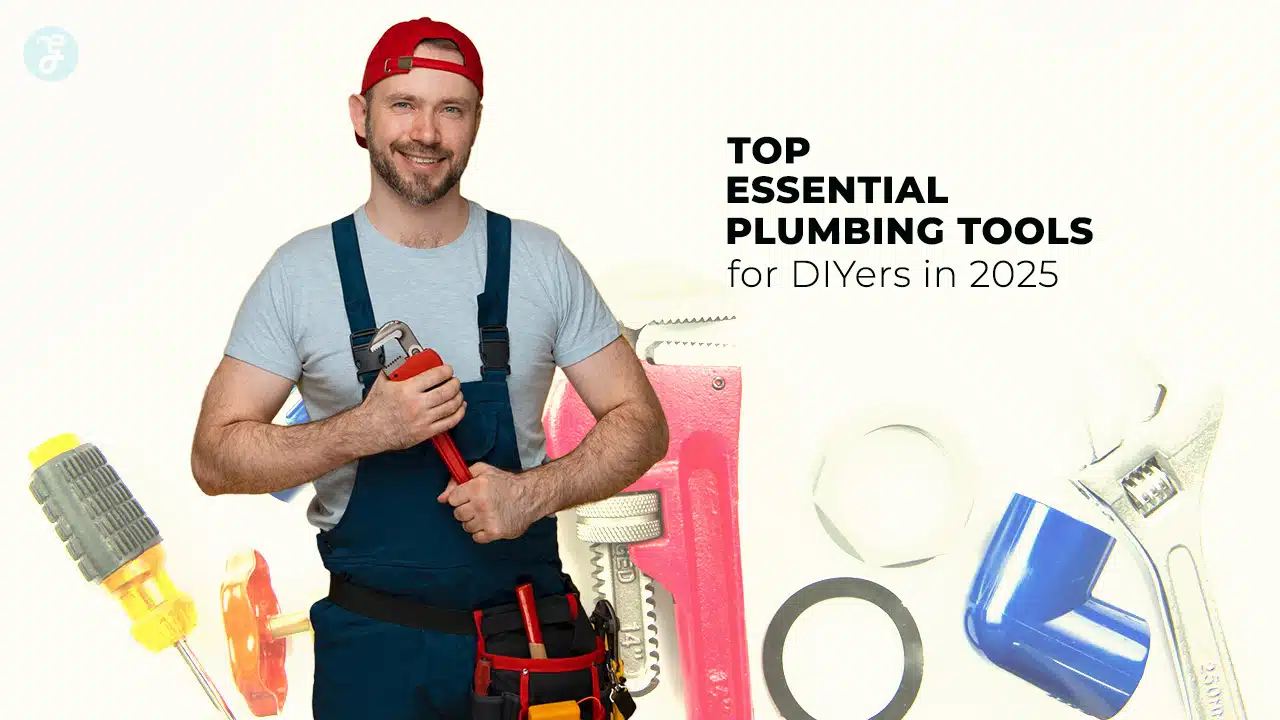
If you’ve ever dealt with a leaky faucet or a clogged drain, you know how frustrating plumbing issues can be. Tackling these problems on your own can save time and money—but only if you have the right tools.
In 2025, advances in technology have made plumbing tools more effective and user-friendly than ever. This article highlights the 10 best plumbing tools every DIY enthusiast needs in 2025, helping you build a toolkit that’s efficient, affordable, and easy to use.
For DIY enthusiasts, having access to essential plumbing tools for DIYers means not only solving problems faster but also ensuring professional-quality results.
Whether you’re a beginner or a seasoned DIYer, having these tools in your arsenal will empower you to take on various plumbing tasks with confidence.
Why Having the Right Plumbing Tools Matters
Using the right tools for plumbing tasks isn’t just about making the job easier—it’s about ensuring safety, efficiency, and long-term results. Here’s why:
- Efficiency: The right tools reduce the time and effort needed to complete a job.
- Cost Savings: Fixing minor issues yourself can save money on professional plumbers.
- Preventing Damage: Proper tools minimize the risk of causing further damage to pipes or fixtures.
- Safety: Many plumbing tasks involve water pressure, sharp tools, or heat. Specialized tools ensure safer operations.
Choosing Essential Plumbing Tools for DIYers
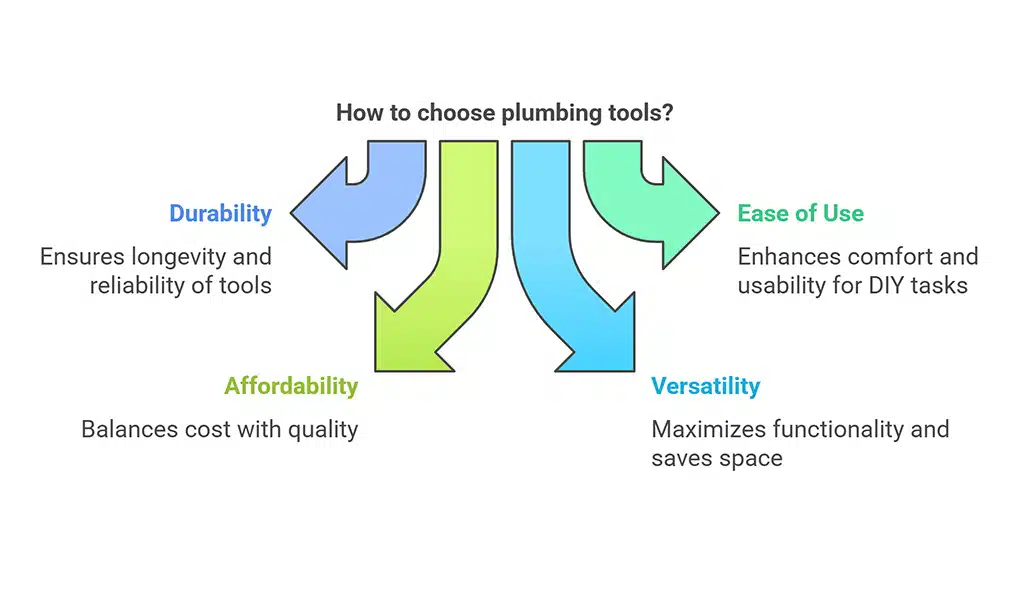
Before investing in plumbing tools, consider the following:
| Criteria | Details |
| Durability | Look for tools made from high-quality materials like stainless steel or alloy. |
| Ease of Use | Ergonomic designs and lightweight tools are ideal for DIYers. |
| Affordability | Choose tools within your budget but avoid compromising on quality. |
| Versatility | Tools with multiple uses can save space and money. |
| Trending Features | Innovations like smart water gauges or cordless drain augers are worth exploring. |
Pro Tip: Start with essential tools that cover basic plumbing tasks, then gradually expand your collection as you take on more advanced projects.
The Top 10 Plumbing Tools for DIY Enthusiasts in 2025
Here’s a detailed look at the must-have plumbing tools for any DIYer:
1. Adjustable Wrench
The adjustable wrench is a staple for any toolkit. It’s versatile and perfect for tightening or loosening nuts and bolts of various sizes.
| Features | Benefits |
| Adjustable jaw | Fits a range of nut and bolt sizes. |
| Durable materials | Often made of chrome or steel for longevity. |
| Non-slip grip | Provides better control during use. |
Pros:
- Versatile for multiple applications.
- Durable and long-lasting.
Cons:
- May not provide as tight a grip as a fixed-size wrench.
Pro Tip: Keep multiple sizes on hand for added convenience during complex projects.
2. Pipe Wrench
A pipe wrench is essential for gripping and turning pipes, especially when dealing with plumbing connections.
| Features | Benefits |
| Long handle | Offers leverage for tough jobs. |
| Serrated jaws | Provides a strong grip on smooth surfaces. |
| Various sizes available | Suitable for different pipe diameters. |
Pros:
- Strong grip for pipes.
- Excellent for tough and heavy-duty tasks.
Cons:
- Can damage soft metal pipes if not used carefully.
Pro Tip: Wrap the jaws with a cloth to prevent scratching delicate surfaces.
3. Plumber’s Tape (Teflon Tape)
This tape is a must-have for sealing pipe threads and preventing leaks.
| Features | Benefits |
| Water-resistant material | Ensures a tight seal in wet environments. |
| Easy to apply | Can be wrapped around threads with minimal effort. |
| Affordable | Budget-friendly and widely available. |
Pros:
- Inexpensive and effective.
- Simple to use for beginners.
Cons:
- Limited use for threaded connections only.
Pro Tip: Always wrap the tape clockwise around the threads to ensure a secure fit.
4. Basin Wrench
A basin wrench is specifically designed for working in tight spaces under sinks.
| Features | Benefits |
| Pivoting head | Reaches awkward angles with ease. |
| Long shaft | Allows access to hard-to-reach areas. |
| Spring-loaded design | Provides extra control for tightening and loosening. |
Pros:
- Perfect for tight, confined spaces.
- Makes under-sink repairs easier.
Cons:
- Limited to specific tasks.
Pro Tip: Practice using the pivoting head before tackling tight spaces to improve your efficiency.
5. Plunger
The classic plunger remains an indispensable tool for clearing clogs in sinks, toilets, and drains.
| Features | Benefits |
| Rubber cup | Creates a strong seal for effective suction. |
| Sturdy handle | Provides durability during use. |
| Compact design | Easy to store when not in use. |
Pros:
- Affordable and easy to use.
- Works for a variety of clogs.
Cons:
- Not effective for deep pipe blockages.
Pro Tip: Use a flange plunger for toilets, as it provides a better seal.
6. Plumbing Snake/Drain Auger
A drain auger is an excellent tool for clearing clogs deep within pipes.
| Features | Benefits |
| Flexible cable | Navigates bends and curves in pipes. |
| Hand-crank mechanism | Simple to operate without electricity. |
| Reusable design | Eco-friendly and cost-effective. |
Pros:
- Effective for stubborn clogs.
- Can reach deep into pipes.
Cons:
- Requires some skill to use effectively.
Pro Tip: Clean and dry the cable after each use to prevent rust.
7. Pipe Cutter
A pipe cutter allows for clean, precise cuts on metal or plastic pipes.
| Features | Benefits |
| Sharp cutting wheel | Ensures smooth, even cuts. |
| Compact size | Easy to use in confined spaces. |
| Adjustable blade | Works with pipes of varying diameters. |
Pros:
- Provides clean cuts without crushing pipes.
- Easy to use in tight spaces.
Cons:
- Not suitable for very large pipes.
Pro Tip: Always rotate the cutter slowly to avoid uneven cuts.
8. Handheld Torch
Ideal for soldering pipes and fittings, a handheld torch is essential for advanced DIY plumbing tasks.
| Features | Benefits |
| Adjustable flame | Provides precision for soldering. |
| Portable design | Easy to carry and use anywhere. |
| Safety lock | Reduces the risk of accidental ignition. |
Pros:
- Great for precise heating tasks.
- Compact and portable.
Cons:
- Requires caution to avoid burns or fire hazards.
Pro Tip: Use a heat shield to protect surrounding surfaces while soldering.
9. Caulking Gun
A caulking gun is perfect for applying sealants around fixtures and preventing water damage.
| Features | Benefits |
| Ergonomic handle | Reduces hand fatigue during prolonged use. |
| Adjustable flow | Provides better control over sealant application. |
| Lightweight design | Easy to maneuver in tight spaces. |
Pros:
- Provides precise control for sealing tasks.
- Lightweight and easy to handle.
Cons:
- May require practice for even application.
Pro Tip: Keep a damp cloth handy to clean up excess sealant quickly.
10. Water Pressure Gauge
This tool helps monitor and troubleshoot water pressure issues.
| Features | Benefits |
| Easy-to-read dial | Provides clear pressure readings. |
| Durable construction | Ensures reliability over time. |
| Compatible fittings | Works with most standard plumbing systems. |
Pros:
- Useful for diagnosing pressure issues.
- Simple to attach and use.
Cons:
- Limited to measuring pressure only.
Pro Tip: Test water pressure at different times of day to identify inconsistencies.
Budget-Friendly Tips for Assembling Your Plumbing Tool Kit
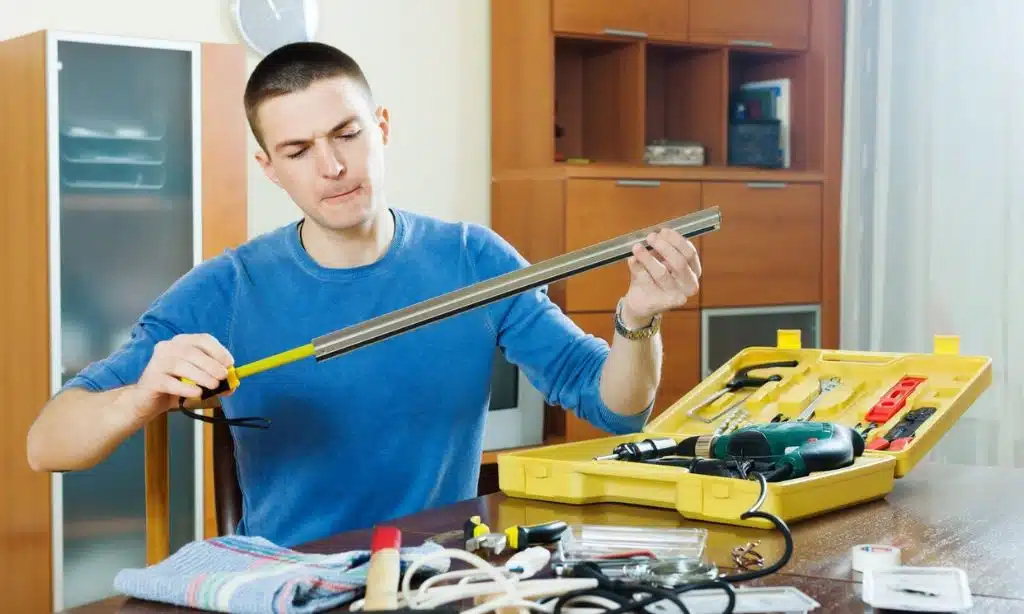
- Start Small: Prioritize essential tools like a plunger, adjustable wrench, and plumber’s tape.
- Buy Bundles: Look for toolkits that include multiple items at a discounted price.
- Shop Sales: Keep an eye out for discounts at local hardware stores or online retailers.
- Rent Specialized Tools: For occasional use, renting tools like a handheld torch can save money.
Maintenance Tips for Essential Plumbing Tools for DIYers
Proper maintenance ensures your tools last longer and perform better:
- Clean After Use: Wipe tools dry to prevent rust.
- Store Properly: Use a toolbox or pegboard to keep tools organized and protected.
- Inspect Regularly: Check for wear and tear to avoid accidents.
- Oil Moving Parts: Apply lubricant to tools with hinges or joints.
Pro Tip: Invest in a quality toolbox to keep your tools organized and safe from moisture.
Additional Tools for Advanced DIY Plumbing Projects
For those ready to tackle complex plumbing tasks, consider adding these tools:
| Tool | Use Case |
| Pipe Threader | Creates threads on pipes for secure fittings. |
| Faucet Reseating Tool | Repairs leaking faucets by smoothing valve seats. |
| Pipe Freeze Kit | Temporarily freezes water in pipes for repairs. |
Takeaways
Having the right plumbing tools can make all the difference in your DIY projects. With essential plumbing tools for DIYers, you’ll be ready to handle basic repairs and advanced tasks alike. These tools not only save time and money but also empower you to achieve professional-quality results at home. Start building your toolkit today to take control of your plumbing repairs and enjoy the confidence of doing it yourself.





















