
Lighting plays a pivotal role in our daily lives, brightening our homes and enhancing their ambiance. However, traditional lighting can consume significant amounts of energy, increasing utility bills and harming the environment.
By switching to energy-efficient lighting options, you can reduce your carbon footprint, lower electricity costs, and contribute to a more sustainable future.
This guide will help you discover energy efficient lighting for a sustainable home and make informed, eco-friendly choices.
Why Energy-Efficient Lighting Matters
Environmental Impact
Energy-efficient lighting significantly reduces electricity consumption, which lowers greenhouse gas emissions. As most energy production still relies on fossil fuels, every kilowatt-hour saved translates to less carbon dioxide released into the atmosphere.
Financial Savings
Switching to energy-efficient lighting can lead to noticeable savings on your electricity bills. While the upfront cost of these lights might be higher, their longevity and lower energy usage offset initial expenses over time.
Advancements in Technology
Modern lighting technologies have made energy efficiency more accessible than ever. Smart lighting systems, LEDs, and solar-powered lights offer innovative ways to illuminate your home sustainably.
| Benefits of Energy-Efficient Lighting | Details |
| Reduced carbon footprint | Less energy consumption |
| Lower utility bills | Uses fewer watts per hour |
| Long lifespan | Minimizes replacement costs |
| Enhanced lighting quality | Improved brightness and color |
Energy Efficient Lighting for a Sustainable Home
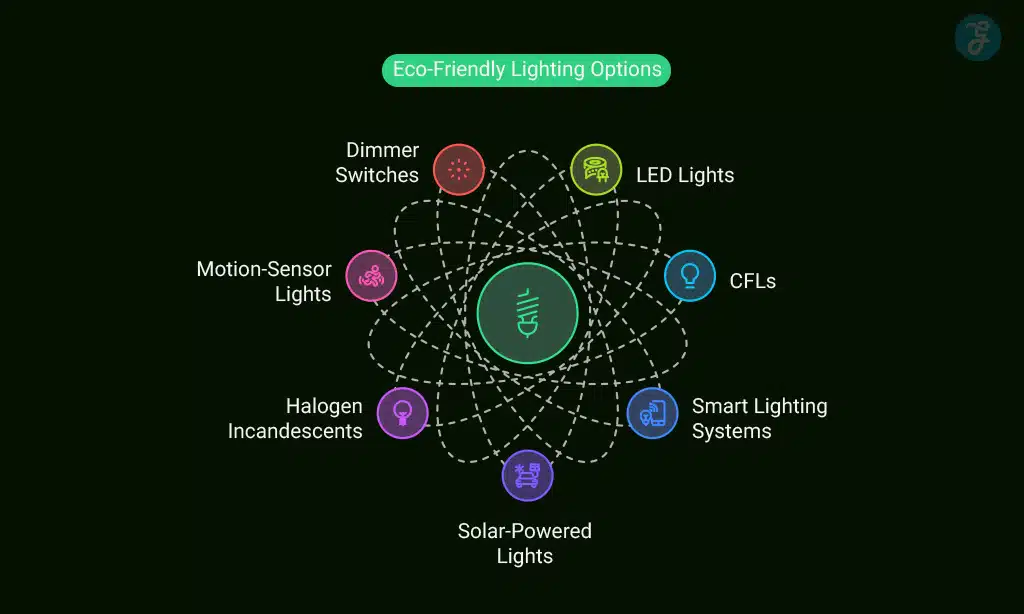
Exploring energy efficient lighting for a sustainable home is essential to reduce energy consumption and create an environmentally friendly living space. Below are the best lighting options for eco-conscious homeowners.
1. LED Lights
Light Emitting Diodes (LEDs) are the gold standard of energy-efficient lighting. These lights use up to 90% less energy than traditional incandescent bulbs and last up to 25 times longer. LEDs are versatile and come in various shapes, colors, and sizes, making them suitable for every room in your home.
| Feature | Details |
| Energy usage | 6-8 watts (compared to 60 watts) |
| Lifespan | 25,000+ hours |
| Applications | Indoor, outdoor, decorative lighting |
| Eco-friendliness | No toxic chemicals, recyclable |
2. Compact Fluorescent Lamps (CFLs)
CFLs are another popular choice for energy-efficient lighting. They use about 70% less energy than incandescent bulbs and have a lifespan of around 8,000 hours. While not as durable as LEDs, they are more affordable and suitable for less frequently used areas.
| Feature | Details |
| Energy usage | 13-15 watts (compared to 60 watts) |
| Lifespan | 8,000+ hours |
| Applications | Kitchens, bathrooms, offices |
| Eco-friendliness | Contains small amounts of mercury |
Note: Always dispose of CFLs properly to prevent mercury contamination.
3. Smart Lighting Systems
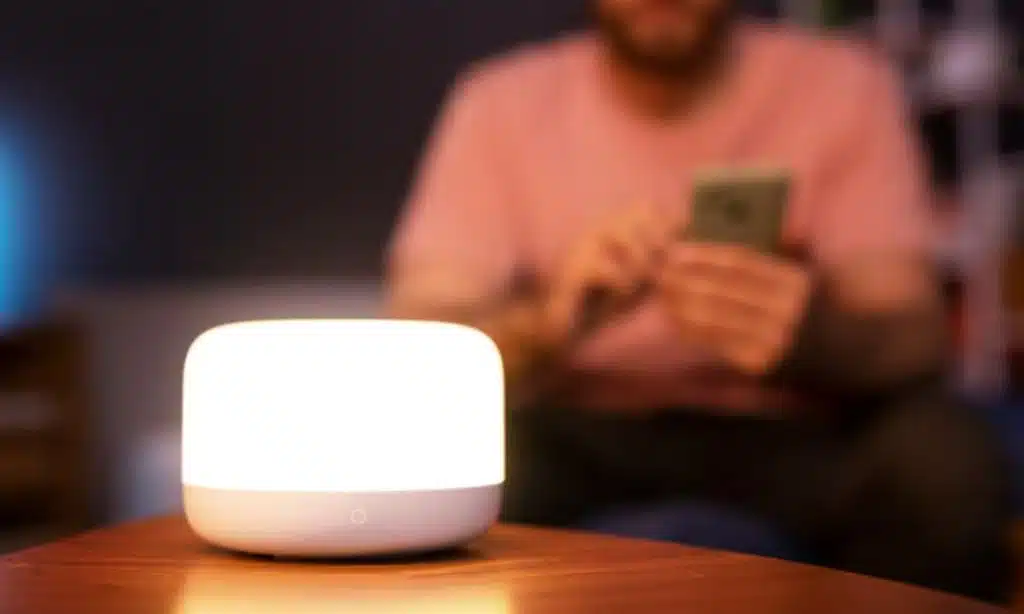
Smart lighting systems are a modern solution for energy efficiency and convenience. These systems allow you to control lighting remotely via a smartphone app or voice assistant. You can schedule lights to turn on and off, adjust brightness, and even change colors to create the perfect ambiance.
| Feature | Details |
| Energy usage | Adjustable brightness for efficiency |
| Lifespan | Depends on the bulb type (usually LEDs) |
| Applications | Whole-home integration, automation |
| Eco-friendliness | Optimized usage reduces waste |
4. Solar-Powered Lights
Harness the power of the sun with solar-powered lighting. These lights are perfect for outdoor spaces like gardens, patios, and pathways. Solar lights charge during the day and illuminate your space at night without using electricity.
| Feature | Details |
| Energy usage | No grid electricity required |
| Lifespan | Varies by model, generally 5-10 years |
| Applications | Outdoor, security, decorative |
| Eco-friendliness | 100% renewable energy source |
5. Halogen Incandescents
Halogen incandescent bulbs are an improved version of traditional incandescents. They use about 25% less energy and have a slightly longer lifespan. Halogen bulbs provide excellent color rendering and are dimmable, making them a good option for mood lighting.
| Feature | Details |
| Energy usage | 43 watts (compared to 60 watts) |
| Lifespan | 1,000-2,000 hours |
| Applications | Living rooms, bedrooms |
| Eco-friendliness | Free of mercury and toxic materials |
6. Motion-Sensor Lights
Motion-sensor lights help eliminate energy waste by turning on only when movement is detected. These lights are ideal for security and areas where lights are often left on accidentally, like garages or hallways.
| Feature | Details |
| Energy usage | Minimal when idle |
| Lifespan | Depends on the bulb type |
| Applications | Security, entryways, bathrooms |
| Eco-friendliness | Reduces unnecessary energy use |
7. Dimmer Switches
Dimmer switches allow you to adjust the brightness of your lights, reducing energy consumption and extending bulb life. They are compatible with various lighting types, including LEDs and halogen bulbs.
| Feature | Details |
| Energy usage | Adjustable, saves energy |
| Lifespan | Prolongs bulb life |
| Applications | Living rooms, dining areas |
| Eco-friendliness | Optimized energy consumption |
Tips for Choosing the Right Lighting Option
When selecting energy-efficient lighting, consider the following:
- Room Usage: Choose brighter options for task-oriented areas (e.g., kitchens) and softer lights for relaxation spaces (e.g., bedrooms).
- Energy Ratings: Look for ENERGY STAR-certified products to ensure high efficiency.
- Durability: Opt for long-lasting options like LEDs to minimize replacements.
- Cost-Effectiveness: Balance upfront costs with long-term savings.
- Compatibility: Ensure bulbs work with existing fixtures and dimmer switches if needed.
Takeaways
Switching to energy efficient lighting for a sustainable home is one of the simplest and most effective ways to create an eco-friendly living space. From advanced LEDs and smart systems to eco-friendly solar lights, these options cater to diverse needs and budgets.
By making these small yet impactful changes, you’ll enjoy long-term benefits for your wallet and the environment, ensuring a brighter and more sustainable future.