

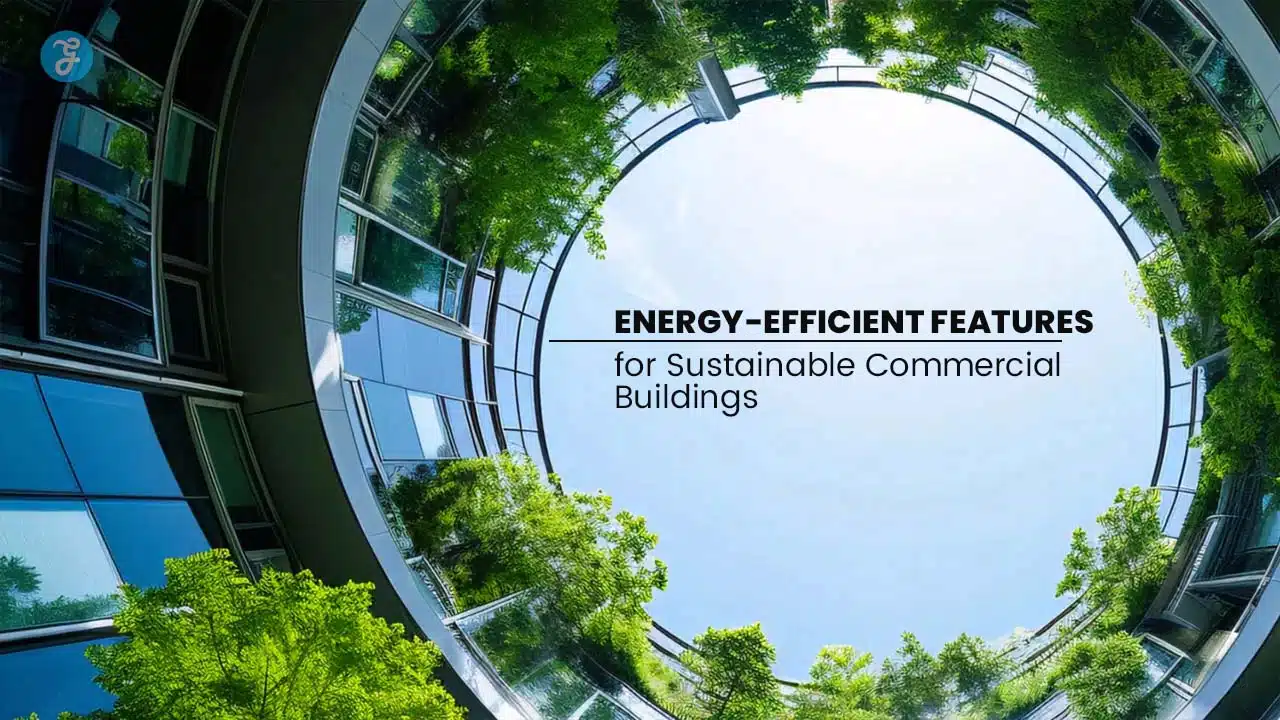
Creating sustainable commercial buildings is more than a trend; it is a necessity. With growing concerns about climate change and rising energy costs, businesses are under increasing pressure to incorporate energy-efficient features into their infrastructure.
Sustainable buildings not only reduce environmental impact but also lower operational costs, improve occupant health, and enhance long-term profitability.
In this guide, we will explore ten energy-efficient features that are transforming commercial spaces into sustainable powerhouses. These features are designed to optimize energy use, reduce waste, and contribute to a greener future.
Let’s dive into these cutting-edge technologies and design principles that are redefining the commercial building landscape.
1. High-Performance Insulation
High-performance insulation is crucial for maintaining consistent indoor temperatures in commercial buildings, reducing the need for energy-intensive heating and cooling systems.
By minimizing heat transfer through walls, roofs, and floors, insulation creates a more comfortable environment for occupants, regardless of the season. This feature directly impacts energy efficiency, as well-insulated buildings can reduce energy consumption by up to 30%.
Moreover, insulation contributes to long-term savings by lowering utility bills and reducing wear and tear on HVAC systems. High-performance insulation also supports sustainable practices by decreasing greenhouse gas emissions, aligning with environmental goals. In a commercial context, it improves employee productivity by providing a more consistent and comfortable indoor climate.
Whether retrofitting older buildings or designing new ones, high-performance insulation is a cost-effective way to ensure sustainability and financial efficiency.
Features
- Types of insulation: Spray foam, rigid board, and fiberglass batts.
- Energy savings: High-quality insulation can reduce heating and cooling costs by up to 30%.
- Durability: Long-lasting materials that maintain performance over decades.
| Material | R-Value (Thermal Resistance) | Durability |
Cost per Sq. Ft. |
| Fiberglass Batts | R-2.9 to R-3.8 | High | $0.40–$1.00 |
| Spray Foam | R-3.5 to R-6.5 | Very High | $1.00–$3.00 |
| Rigid Board | R-5 to R-6 | High | $1.25–$3.50 |
2. LED Lighting Systems
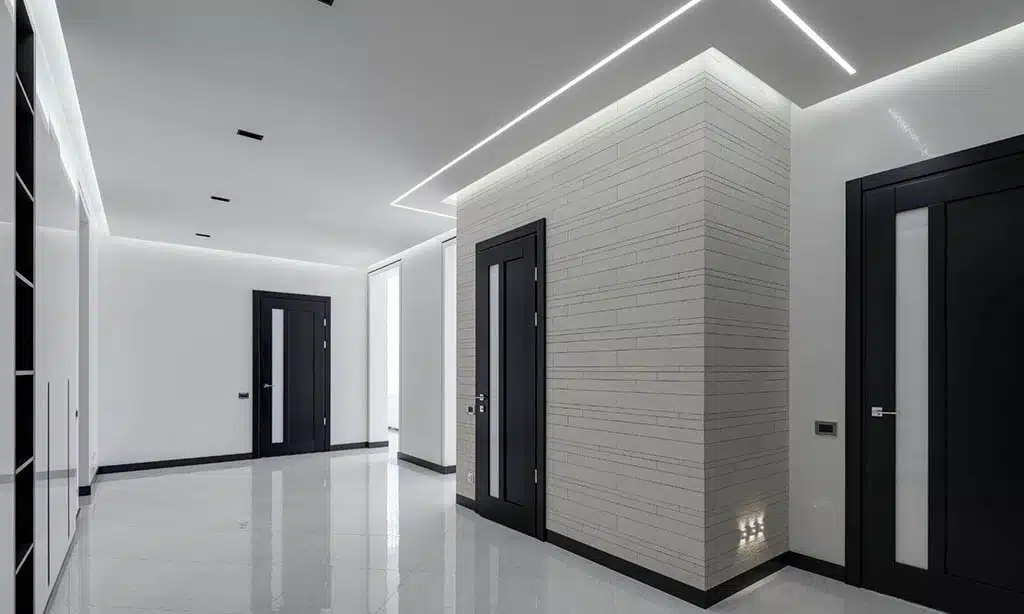
LED lighting systems are revolutionizing the way commercial buildings approach energy efficiency. LEDs consume up to 75% less energy than traditional incandescent bulbs and have an impressive lifespan of up to 50,000 hours.
This longevity reduces maintenance and replacement costs, making them an economical choice for businesses. Additionally, LED lights produce minimal heat, decreasing the cooling load on HVAC systems. Their versatility allows for customization, including dimming options and color adjustments, to suit different commercial needs.
By adopting LED lighting, businesses not only lower energy consumption but also enhance the visual appeal of their spaces. In an era of increasing energy costs, LED lighting offers a reliable solution to reduce operational expenses while promoting sustainability. For large-scale commercial operations, the cumulative benefits of switching to LEDs can be transformative.
Features
- Energy savings: LEDs use only 10-20% of the energy required by traditional bulbs.
- Lifespan: Up to 50,000 hours of use.
- Customization: Dimmable and color-adjustable options for different commercial needs.
| Lighting Type | Energy Usage (Watts) |
Lifespan (Hours) |
Annual Savings |
| Incandescent Bulbs | 60 | 1,000 | Low |
| CFLs | 15 | 8,000 | Medium |
| LEDs | 9 | 50,000 | High |
3. Solar Panels
Solar panels provide a sustainable and cost-effective solution for powering commercial buildings. By harnessing renewable energy from the sun, businesses can significantly reduce their reliance on non-renewable resources like fossil fuels.
Solar panels not only lower electricity bills but also generate additional income through net metering programs, where excess energy is sold back to the grid. Over their lifespan of 20–30 years, solar installations deliver consistent energy savings, offering an impressive return on investment.
Additionally, solar panels enhance a company’s environmental credibility, showcasing a commitment to sustainability. With government incentives and tax credits available, the upfront cost of installation can be offset, making solar energy accessible for businesses of all sizes. By integrating solar panels, commercial properties can achieve energy independence, reduce carbon footprints, and ensure long-term operational efficiency.
Features
- Energy production: Solar panels can generate up to 10 kWh per square meter daily.
- ROI: Payback periods range from 6–10 years with government incentives.
- Durability: 20–30 years of efficient energy generation.
| Solar Panel Type | Efficiency Rate (%) | Lifespan (Years) | Cost per Watt |
| Monocrystalline | 20–25 | 25–30 | $1.00–$1.50 |
| Polycrystalline | 15–20 | 20–25 | $0.90–$1.25 |
| Thin Film | 10–15 | 10–20 | $0.50–$1.00 |
4. Energy-Efficient HVAC Systems
Energy-efficient HVAC systems are essential for optimizing energy consumption in commercial buildings, where heating and cooling account for a significant portion of energy use.
These systems incorporate advanced technologies such as smart thermostats, variable speed drives, and zoning systems to deliver precise temperature control while minimizing energy waste. By upgrading to energy-efficient HVAC systems, businesses can lower operational costs, reduce carbon emissions, and enhance indoor air quality.
Smart thermostats, for instance, allow for remote monitoring and adjustments, ensuring optimal performance even when the building is unoccupied. Additionally, variable speed drives enable HVAC units to operate at partial capacity, conserving energy during periods of lower demand.
With the added benefits of improved comfort and reliability, energy-efficient HVAC systems are a worthwhile investment for sustainable commercial operations.
Features
- Smart thermostats: Optimize temperature settings based on real-time data.
- Variable speed drives: Reduce energy waste in motors and compressors.
- Zoning systems: Target specific areas for heating or cooling, reducing unnecessary energy use.
| HVAC Type | Energy Savings (%) | Upfront Cost | Maintenance Cost |
| Traditional HVAC | 0–10 | $5,000–$10,000 | High |
| Energy-Efficient HVAC | 20–40 | $8,000–$15,000 | Medium |
5. Smart Building Management Systems (BMS)
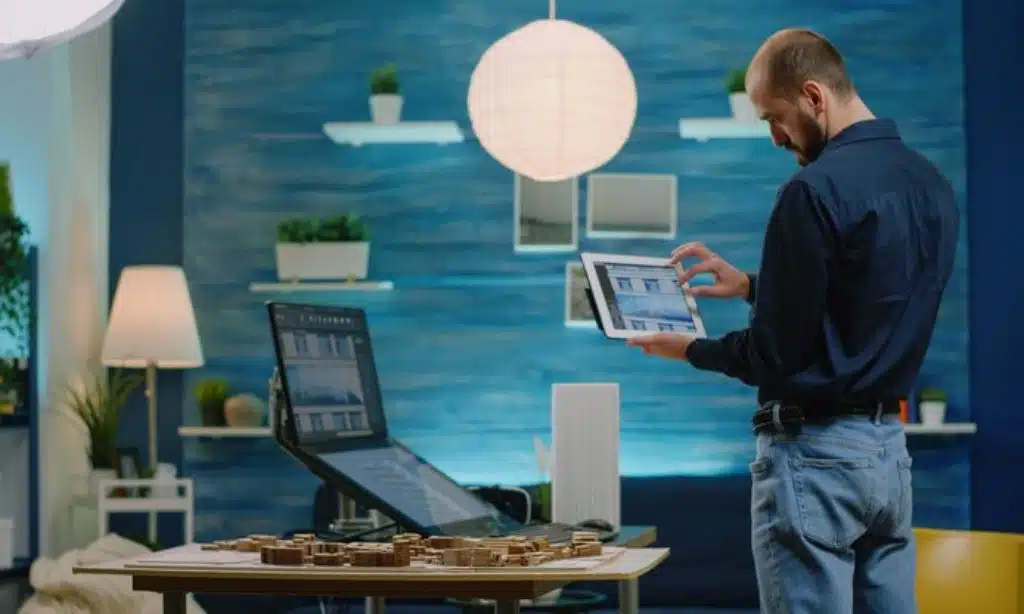
Smart Building Management Systems (BMS) revolutionize the way commercial properties operate by integrating automation and real-time monitoring. These systems centralize the control of lighting, HVAC, security, and energy usage, enabling precise adjustments to optimize efficiency.
BMS significantly reduces operational costs by identifying inefficiencies and providing actionable insights through data analytics. Automation features, such as motion-activated lighting and temperature zoning, ensure that energy is only used when necessary. This not only lowers utility bills but also reduces the building’s carbon footprint.
Moreover, BMS enhances occupant comfort by maintaining consistent indoor conditions tailored to specific zones. For businesses, adopting a smart BMS demonstrates a commitment to innovation and sustainability while ensuring long-term savings and improved operational efficiency.
Features
- Automation: Reduces energy consumption through automated controls.
- Integration: Links multiple systems for seamless operation.
- Cost savings: Reduces operational costs by up to 30%.
| BMS Feature | Function | Savings |
| Lighting Control | Automated dimming | 10–20% energy savings |
| HVAC Optimization | Load adjustments | 20–40% energy savings |
| Energy Monitoring | Real-time data | Better planning |
6. Green Roofs
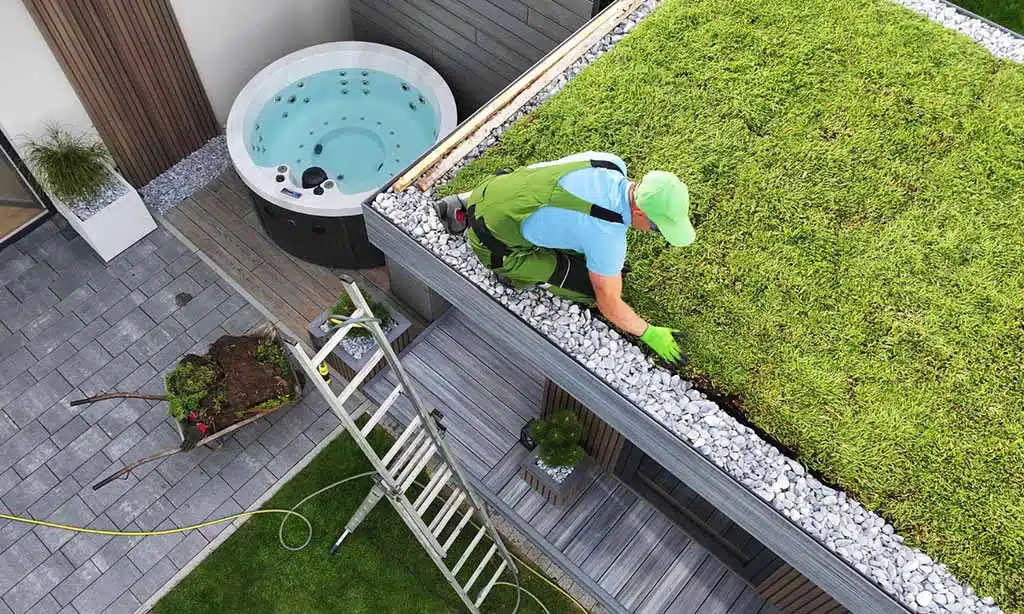
Green roofs offer a multi-faceted approach to sustainability by combining energy efficiency, environmental conservation, and aesthetic appeal. They act as natural insulators, reducing the need for heating in winter and cooling in summer.
By absorbing rainwater, green roofs minimize stormwater runoff, which helps prevent urban flooding. Additionally, they improve air quality by filtering pollutants and increasing oxygen production. Beyond their functional benefits, green roofs enhance the aesthetic value of commercial buildings, creating a pleasant environment for employees and visitors.
These features contribute to lower energy bills, extended roof lifespan, and a reduced urban heat island effect. For businesses in urban areas, green roofs represent a commitment to sustainability while delivering tangible financial and environmental benefits.
Features
- Temperature regulation: Reduces heating and cooling demands.
- Stormwater management: Absorbs rainfall, reducing runoff.
- Biodiversity: Creates habitats for plants and insects.
| Green Roof Type | Initial Cost per Sq. Ft. | Lifespan | Benefits |
| Extensive | $10–$20 | 30+ years | Lightweight, low cost |
| Intensive | $25–$50 | 50+ years | Supports larger plants |
7. Low-E Windows
Low-emissivity (Low-E) windows are a game-changer for energy efficiency in commercial buildings. These windows feature a microscopically thin coating that reflects heat while allowing natural light to pass through.
As a result, Low-E windows reduce the building’s cooling and heating demands, significantly lowering energy bills. They also protect interiors from harmful UV rays, preventing fading of furniture and flooring. By maintaining consistent indoor temperatures, Low-E windows enhance occupant comfort and reduce strain on HVAC systems.
In commercial settings, where large windows are common, upgrading to Low-E glass can lead to substantial energy savings and a more sustainable operation. With their long-term durability and energy-saving potential, Low-E windows are an indispensable feature for eco-friendly commercial buildings.
Features
- Coatings: Reflect heat while allowing visible light to pass through.
- Cost savings: Reduce cooling costs by up to 30%.
- Durability: Resistant to wear and tear.
| Window Type | Energy Efficiency Rating | Lifespan | Cost per Sq. Ft. |
| Standard Windows | Low | 10–20 years | $5–$10 |
| Low-E Windows | High | 20–30 years | $10–$20 |
8. Water Recycling Systems
Water recycling systems are essential for businesses aiming to conserve water and reduce utility costs. These systems treat and reuse wastewater for non-potable purposes such as irrigation, cooling, and sanitation.
By reducing the reliance on municipal water supplies, water recycling systems alleviate pressure on natural resources and lower water bills by up to 40%. They also enhance a building’s resilience against water shortages, which are becoming increasingly common due to climate change.
For commercial properties, incorporating water recycling systems demonstrates a commitment to sustainability and compliance with environmental regulations. These systems are a cost-effective way to achieve significant water savings while promoting eco-friendly practices.
Features
- Applications: Used for irrigation, cooling towers, and toilets.
- Savings: Can reduce water bills by up to 40%.
- Sustainability: Reduces demand on municipal water supplies.
| System Type | Capacity | Cost Range | Savings |
| Greywater Systems | Small to medium | $2,000–$10,000 | 30–40% water bills |
| Rainwater Harvesting | Small to large | $1,000–$15,000 | 20–30% water bills |
9. Motion-Sensor Lighting
Motion-sensor lighting optimizes energy use by ensuring that lights are only active when needed. This technology is particularly beneficial for commercial spaces like hallways, restrooms, and parking areas, where lights are often left on unnecessarily.
By reducing energy waste, motion-sensor lighting can lower electricity bills by up to 35%. Additionally, it extends the lifespan of lightbulbs, minimizing maintenance and replacement costs. With adjustable settings for sensitivity and duration, motion-sensor lighting offers flexibility to suit various commercial needs.
Beyond energy savings, this feature enhances safety and security by providing instant illumination in dark spaces. For businesses, motion-sensor lighting is an affordable and effective way to improve energy efficiency and operational sustainability.
Features
- Energy efficiency: Can reduce lighting costs by up to 35%.
- Longevity: Extends bulb lifespan by minimizing usage.
- Custom settings: Adjustable sensitivity and duration.
| Feature | Application | Savings |
| Infrared Sensors | Indoor use | 20–30% energy |
| Ultrasonic Sensors | Outdoor use | 25–35% energy |
10. Advanced Building Materials
Advanced building materials, such as insulated panels and cross-laminated timber, are transforming the construction of sustainable commercial buildings. These materials offer superior thermal performance, reducing the energy required for heating and cooling.
Additionally, they are often made from renewable or recycled resources, supporting eco-friendly construction practices. Advanced materials also contribute to faster construction times and lower long-term maintenance costs.
For commercial properties, the use of these materials enhances structural durability, energy efficiency, and environmental sustainability. By incorporating advanced building materials, businesses can achieve greener operations while benefiting from reduced operational expenses and a lower carbon footprint.
Features
- Sustainability: Lower embodied energy compared to traditional materials.
- Durability: Long-lasting and low-maintenance.
- Cost savings: Reduced construction and operational costs.
| Material | Benefits | Cost per Unit |
| Cross-Laminated Timber | Lightweight, sustainable | $25–$40/sq. ft. |
| Insulated Panels | Enhanced thermal efficiency | $10–$20/sq. ft. |
Takeaways
Incorporating energy-efficient features in commercial buildings is no longer optional—it’s a necessity for sustainability and cost-effectiveness. From solar panels to green roofs and advanced building materials, these features not only reduce energy consumption but also improve the overall performance and marketability of commercial spaces.
By adopting these strategies, businesses can lower operational costs, reduce their environmental footprint, and create healthier workspaces for their occupants.
Take the first step toward a greener future by integrating these energy-efficient features into your next commercial building project!
























