

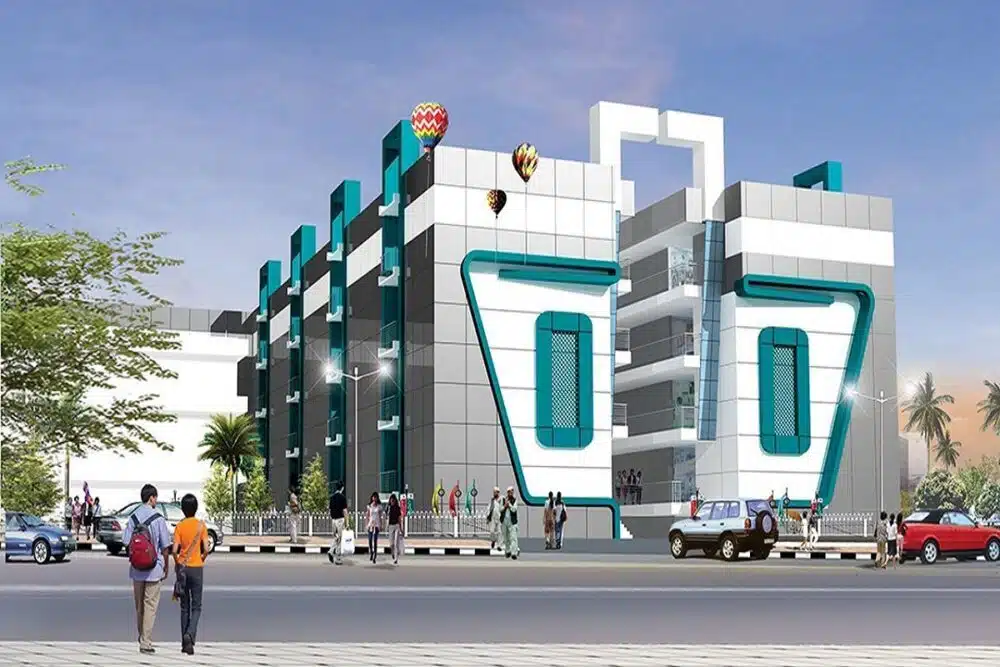
Planning various components that will work in harmony inside the commercial building is no easy task. From functionality to aesthetics and security, you need to keep several things in mind when designing the layout as an architect. One mistake and the entire internal design may falter, leading to expensive repairs and renovations. Here are 8 mistakes to avoid when designing a commercial building’s layout to minimize losses.
Ignoring the Building Codes
Building codes are put in place to ensure the safety of the occupants and the passers-by. Failing to adhere to these codes can result in poor layout. Worse, you may land yourself in legal trouble for not adhering to the state’s specified codes. For example, the International Building Code (IBC) in America states the minimum ceiling height for corridors, which is 7 feet. The IBC also regulates other aspects like stairway width, handrail height, and more.
Not Incorporating Future Changes
While you may have a good idea of how you want the commercial building to look initially, you also need to consider any potential changes that may take place in the future. Such changes could be in the form of new technologies, change in business model, or anything else. For instance, if you’re planning to design the space for an e-commerce business, you need to plan the layout so that it can accommodate a warehouse if the need arises.
Not Having an Energy-Efficient Design
Many businesses are switching to eco-friendly spaces and looking for ways to save on energy costs. Ensure that the commercial building’s layout is designed to keep energy efficiency in mind. Use natural light as much as possible, incorporate solar panels, and use energy-efficient appliances. This will not only help you save money but will also be good for the environment.
Not Incorporating the Right Technology
Technology is changing rapidly, and what was considered state-of-the-art a few years ago may now be outdated. When planning the layout of the commercial building, make sure to incorporate the latest technology to ensure that the space is future-proof. For example, suppose the building owner plans to open a coworking space. In that case, you need to make sure that the design can accommodate things like fast Wi-Fi, ample outlets, and more. Additionally, ensure the space is equipped for the future of security by including areas for door supervisors to manage access and enhance safety. This will not only keep the building up-to-date with technological advancements but also help ensure it meets the security needs of businesses and users.
Not Factoring in the Security and Patrolling
Security is a top concern for businesses, especially in commercial buildings. You need to make sure that the layout of the building incorporates security features like CCTV cameras, motion sensors, and more. Moreover, you also need to factor in the patrolling routes of the security personnel so that they can effectively do their job. You can suggest incorporating a security guard scheduling software to help the building’s security better manage the security guards.
Failing to Consider the Aesthetics
The way your building looks from the outside will directly impact the footfall and the business. When planning the building’s layout, make sure to factor in things like landscaping, exterior design, and signage.
Not Planning the Electrical System Properly
An improper electrical system can lead to fire hazards or short circuits. Make sure to factor in the electrical wires routes and plan it accordingly. Work with a qualified electrician to ensure that the wiring is done properly and that there are enough outlets to accommodate all the appliances.
Not Incorporating the Right Safety Features
Make sure to incorporate features like fire extinguishers, emergency exits, and more. You can also suggest incorporating a building management system (BMS) that can help monitor the building’s temperature, lighting, and security.
Final Word
Skipping on the above-mentioned mistakes can open the door to financial and legal hassle when it comes to commercial building architecture. Steer clear of such problems by avoiding these mistakes.

























