

The world is changing fast. New technologies pop up every day. These new tools and ideas will change how we live and work. This article looks at 15 new technologies that will shape our future. From AI to space travel, these innovations will impact every part of our lives. Let’s explore how they might change our world in the years to come.
So, whether you’re a tech enthusiast, a curious student, or just someone who wants to know what the future might look like, you’re in for a treat. Let’s dive in and explore the cutting-edge technologies that are building the world of tomorrow, today!
1. Artificial Intelligence (AI): The Brain of the Future
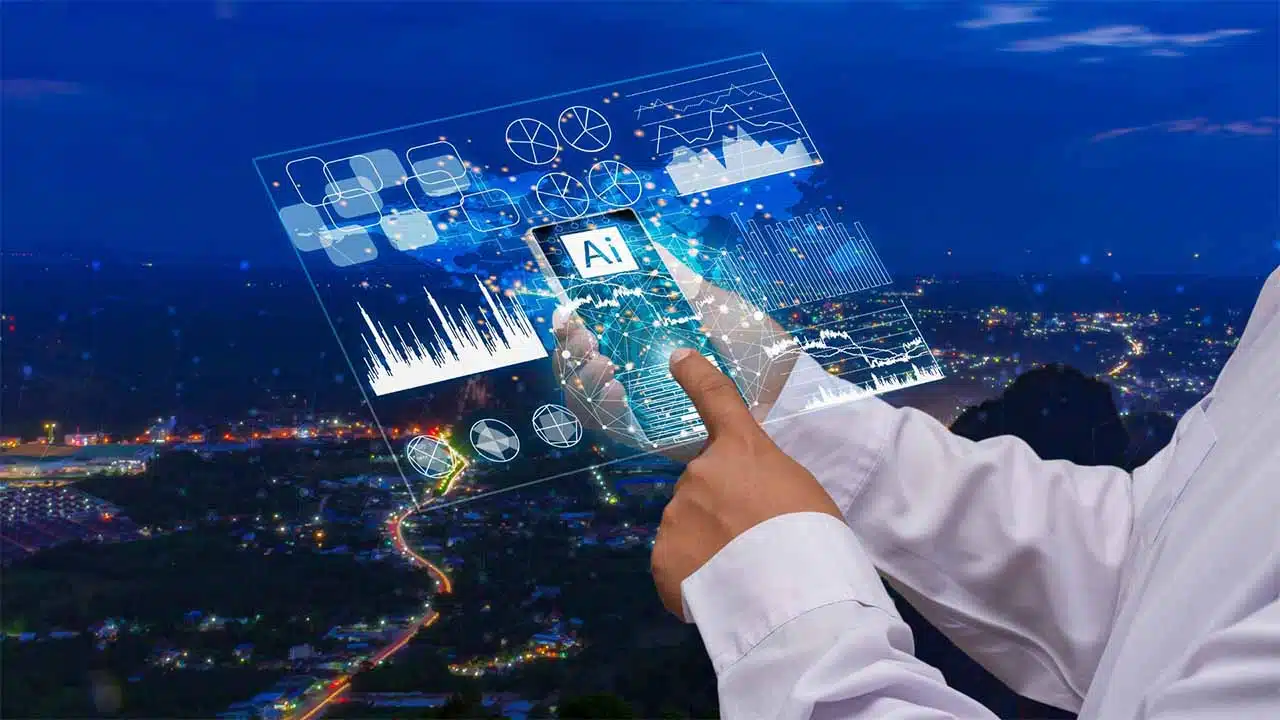
Artificial Intelligence, or AI, is like giving computers a brain. It’s already part of our daily lives, even if we don’t always notice it. Here’s how AI is changing our world:
- Smarter Homes: AI powers virtual assistants like Alexa and Siri, making our homes smarter and more responsive to our needs.
- Healthcare Revolution: AI is helping doctors spot diseases earlier and more accurately. It can analyze medical images faster than humans and spot patterns we might miss.
- Personalized Education: Imagine a teacher that adapts to each student’s needs. AI-powered learning systems can do just that, helping students learn at their own pace.
- Safer Roads: Self-driving cars use AI to navigate roads and avoid accidents. They could make traffic jams and car crashes a thing of the past.
- Scientific Breakthroughs: AI is speeding up scientific research. It’s helping us understand climate change, discover new materials, and even search for alien life!
But AI isn’t all roses. We need to be careful about things like:
- Job Changes: Some jobs might disappear, but new ones will pop up too. We’ll need people to work with AI and make sure it’s used fairly.
- Privacy Concerns: AI can collect and analyze a lot of data about us. We need to make sure this information is used responsibly.
- Ethical Questions: As AI gets smarter, we’ll need to think hard about what decisions we’re comfortable letting machines make.
2. Quantum Computing: Supercharge Your Calculations
Quantum computers are like the superheroes of the computing world. They use the weird rules of quantum physics to solve problems that would take normal computers thousands of years. Here’s what makes them special:
- Mind-boggling Speed: Quantum computers can solve certain problems millions of times faster than regular computers.
- Better Medicines: They could help design new drugs by simulating complex molecules in ways we’ve never been able to before.
- Weather Forecasting: Quantum computers might help us predict weather patterns more accurately, saving lives from natural disasters.
- Unbreakable Codes: They could create super-secure encryption that’s practically impossible to crack.
- Financial Modeling: Banks and investment firms could use quantum computers to make better predictions about the economy.
But quantum computers face some big challenges:
- They’re Expensive: Right now, quantum computers cost millions of dollars and need special care to work properly.
- They’re Error-Prone: Quantum systems are very sensitive and can make mistakes easily.
- We’re Still Learning: Scientists are still figuring out the best ways to use quantum computers.
Despite these hurdles, many experts believe quantum computers will be game-changers in the coming decades.
3. 3D Printing: Building the Future Layer by Layer
3D printing is like having a mini-factory right on your desk. It builds things layer by layer, opening up a world of possibilities:
- Medical Marvels: Doctors are using 3D printing to make custom prosthetics, dental implants, and even replicas of patients’ organs to practice surgeries.
- Home Sweet Home: Some companies are experimenting with 3D-printed houses that can be built in just 24 hours!
- Space Exploration: NASA is looking at 3D printing tools and spare parts on Mars missions.
- Sustainable Fashion: 3D-printed clothes could reduce waste in the fashion industry by making garments on-demand.
- Culinary Creations: Chefs are experimenting with 3D-printed food, creating intricate designs impossible with traditional cooking methods.
3D printing is exciting, but it has some challenges:
- Material Limitations: Not everything can be 3D printed (yet).
- Speed: For large or complex objects, 3D printing can be slow.
- Copyright Issues: As 3D printing becomes more common, we’ll need to figure out how to protect intellectual property.
As the technology improves, 3D printing could change how we make, buy, and think about physical objects.
4. Virtual and Augmented Reality (VR/AR): Step Into New Worlds
Virtual Reality (VR) and Augmented Reality (AR) are changing how we see and interact with the world:
- Education Revolution: Imagine walking through ancient Rome in history class or exploring the inside of a cell in biology. VR and AR make this possible.
- Healthcare Training: Doctors and nurses can practice complex procedures in VR without any risk to real patients.
- Enhanced Shopping: AR apps let you see how furniture would look in your home before you buy it.
- Next-Level Gaming: VR games offer immersive experiences that make you feel like you’re really there.
- Virtual Travel: Can’t afford a trip to Paris? VR could let you explore the Louvre from your living room.
VR and AR are exciting, but they come with some concerns:
- Motion Sickness: Some people feel dizzy or nauseous in VR.
- Addiction: As virtual worlds become more engaging, some worry about people spending too much time in them.
- Privacy: AR and VR devices can collect a lot of data about our surroundings and behaviors.
Despite these challenges, VR and AR are set to transform entertainment, education, and many other fields in the coming years.
5. Blockchain: Building Trust in the Digital World
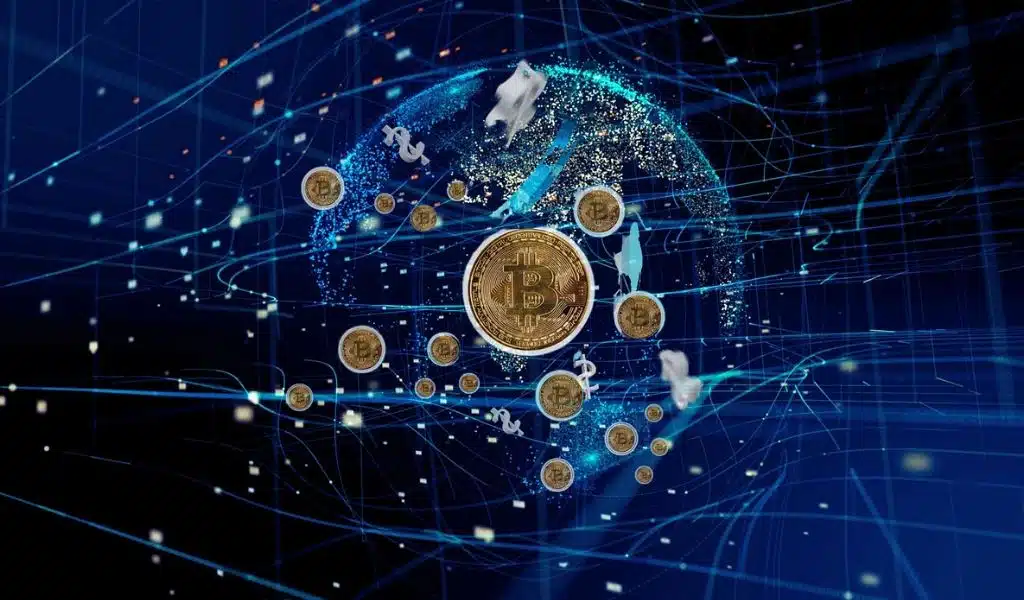
Blockchain is like a super-secure digital ledger. It’s best known for powering cryptocurrencies like Bitcoin, but its potential goes way beyond money:
- Safer Voting: Blockchain could make online voting more secure and transparent.
- Supply Chain Tracking: It could help us track where our food and products come from, reducing fraud and improving safety.
- Smart Contracts: These are agreements that automatically execute when certain conditions are met, potentially reducing the need for lawyers in some cases.
- Digital Identity: Blockchain could give us more control over our personal information online.
- Fairer Music Industry: Artists could use blockchain to get paid directly when people listen to their music.
Blockchain is promising, but it faces some hurdles:
- Energy Use: Some blockchain systems, like Bitcoin, use a lot of electricity.
- Scalability: Many blockchain systems can’t handle as many transactions as traditional systems yet.
- Regulation: Governments are still figuring out how to regulate blockchain and cryptocurrencies.
As these issues are addressed, blockchain could make many online interactions more secure and transparent.
6. Gene Editing: Rewriting the Code of Life
Gene editing, especially using a tool called CRISPR, is like a word processor for DNA. It allows scientists to add, remove, or change genes with incredible precision:
- Fighting Diseases: Gene editing could help cure genetic disorders and make us more resistant to diseases like HIV.
- Crop Improvement: We could create plants that are more nutritious, drought-resistant, or pest-resistant.
- Bringing Back Extinct Species: Some scientists are working on using gene editing to resurrect extinct animals like the woolly mammoth.
- Personalized Medicine: Treatments could be tailored to your specific genetic makeup.
- Longer, Healthier Lives: Gene editing might help us slow down or even reverse some aspects of aging.
But gene editing raises some big ethical questions:
- Designer Babies: Should we be able to choose traits for our children before they’re born?
- Unintended Consequences: Changing genes could have unexpected effects on organisms and ecosystems.
- Access and Inequality: Will only rich people be able to afford genetic enhancements?
As gene editing becomes more powerful, society will need to have serious conversations about how to use it responsibly.
7. Renewable Energy: Powering a Cleaner Future
Renewable energy technologies are getting better and cheaper every year. They’re crucial for fighting climate change and creating a sustainable future:
- Solar Power: New materials are making solar panels more efficient and affordable.
- Wind Energy: Bigger, better wind turbines can generate more power than ever before.
- Energy Storage: Improved batteries are making it easier to store renewable energy for when the sun isn’t shining or the wind isn’t blowing.
- Tidal Power: Some countries are harnessing the power of ocean tides to generate electricity.
- Artificial Photosynthesis: Scientists are working on ways to mimic how plants turn sunlight into energy.
Renewable energy is promising, but there are challenges:
- Intermittency: The sun doesn’t always shine and the wind doesn’t always blow.
- Grid Updates: Our power grids need to be updated to handle renewable energy sources.
- Initial Costs: While getting cheaper, setting up renewable energy systems can be expensive upfront.
Despite these challenges, many experts believe a 100% renewable energy future is possible and necessary.
8. Internet of Things (IoT): A World of Connected Devices
The Internet of Things connects everyday objects to the internet, making them smart and responsive:
- Smart Homes: IoT devices can adjust your home’s temperature, lighting, and security based on your habits and preferences.
- Health Monitoring: Wearable devices can track your health and alert doctors if something’s wrong.
- Smart Cities: IoT can help cities manage traffic, reduce energy use, and improve public services.
- Agriculture: Farmers can use IoT sensors to monitor crop health and automate irrigation.
- Industrial Efficiency: Factories use IoT to predict when machines need maintenance, reducing downtime.
But the IoT also raises some concerns:
- Privacy: All these connected devices collect a lot of data about our lives.
- Security: Hackers could potentially take control of IoT devices if they’re not properly secured.
- Dependency: As we rely more on smart devices, what happens if they fail?
As the IoT grows, we’ll need to balance its benefits with protecting our privacy and security.
9. 5G and 6G Networks: The Backbone of the Digital Future
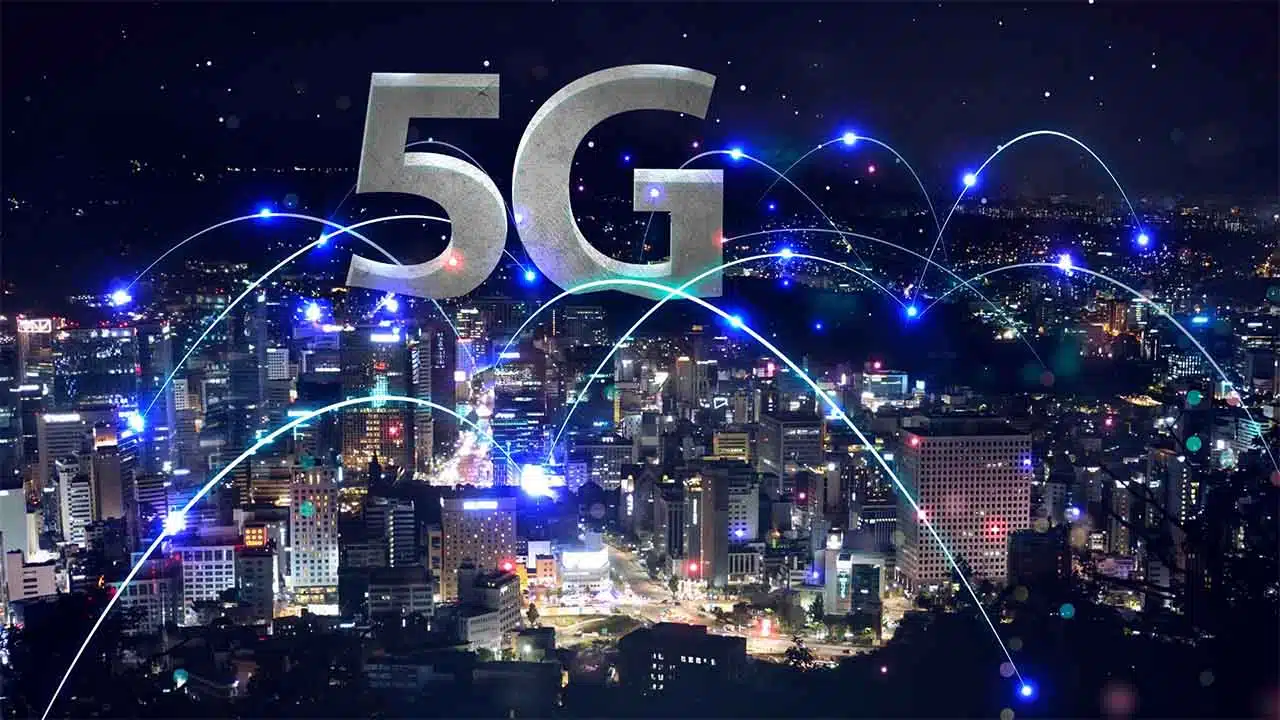
5G is here, and 6G is on the horizon. These ultra-fast networks will transform how we connect:
- Lightning-Fast Downloads: You could download a full HD movie in seconds.
- Remote Surgery: Doctors could perform surgery from thousands of miles away with no lag.
- Augmented Reality Everywhere: 5G and 6G could power city-wide AR experiences.
- Autonomous Vehicles: These networks will help self-driving cars communicate and make decisions in real-time.
- Smart Cities: 5G and 6G will connect millions of sensors and devices in cities, making them more efficient.
But there are some challenges:
- Infrastructure Costs: Building these networks is expensive.
- Rural Access: Ensuring everyone has access to these networks, especially in rural areas, is difficult.
- Health Concerns: Some people worry about the health effects of more wireless signals, though most studies show 5G is safe.
As these networks roll out, they’ll enable new technologies we can’t even imagine yet.
10. Robotics: Our New Helpers and Coworkers
Robots are getting smarter, more agile, and more helpful every day:
- Healthcare Assistants: Robots can help care for elderly people, assist in surgeries, and deliver medicine in hospitals.
- Disaster Response: Robots can enter dangerous areas to help in rescue operations after natural disasters.
- Space Exploration: Robotic rovers are exploring Mars, and more advanced robots could help us build bases on other planets.
- Manufacturing: Advanced robots are making factories safer and more efficient.
- Home Helpers: Robot vacuums are just the start – future home robots could cook, clean, and do all sorts of chores.
But the rise of robots also brings challenges:
- Job Displacement: As robots get better at various tasks, some human jobs might disappear.
- Ethical Concerns: As robots become more advanced, we’ll need to think about their rights and responsibilities.
- Human Interaction: Some worry that too much reliance on robots could reduce human-to-human interaction.
As robots become more common, we’ll need to find the right balance between using their capabilities and maintaining human skills and connections.
11. Brain-Computer Interfaces: Linking Minds and Machines
Brain-Computer Interfaces (BCIs) create a direct communication pathway between the brain and an external device:
- Helping the Disabled: BCIs could help paralyzed people control prosthetic limbs or communicate.
- Enhanced Learning: These interfaces might help us learn new skills faster.
- Mental Health Treatment: BCIs could offer new ways to treat conditions like depression or PTSD.
- Controlling Devices with Thought: Imagine changing the TV channel or turning on lights just by thinking about it.
Augmented Cognition: In the future, BCIs might enhance our memory or processing speed.
But BCIs also raise some serious questions:
- Privacy: What if someone could read your thoughts?
- Identity: How would BCIs affect our sense of self?
- Inequality: Would BCIs create a divide between enhanced and non-enhanced humans?
While BCIs offer exciting possibilities, we’ll need careful regulation to ensure they’re used ethically.
12. Nanotechnology: Tiny Tech, Huge Impact
Nanotechnology works with materials at an incredibly small scale – we’re talking about manipulating individual atoms and molecules:
- Medicine: Nanoparticles could deliver drugs directly to diseased cells, making treatments more effective with fewer side effects.
- Water Purification: Nanomaterials could make cleaning water cheaper and more efficient.
- Stronger Materials: Nanomaterials could lead to lighter, stronger materials for building and manufacturing.
- Energy Efficiency: Nanotechnology could improve solar panels and batteries.
Food Safety: Nano-sensors could detect contamination in food quickly and accurately.
But working at such a small scale comes with challenges:
- Health and Environmental Risks: We need to study the long-term effects of nanoparticles on our bodies and the environment.
- Regulation: It’s tricky to regulate something so small and potentially pervasive.
- Ethical Concerns: Some worry about the potential for nanotech in surveillance or warfare.
As nanotechnology advances, it could revolutionize many fields, but we’ll need to proceed carefully.
13. Fusion Energy: Harnessing the Power of Stars
Fusion is the process that powers the sun, and scientists are working to recreate it on Earth:
- Clean Energy: Fusion could provide nearly limitless clean energy with very little radioactive waste.
- No Meltdown Risk: Unlike current nuclear plants, fusion reactors can’t melt down.
- Abundant Fuel: The fuel for fusion (hydrogen isotopes) is plentiful and can be extracted from seawater.
- Space Exploration: Fusion could power long-distance space travel.
- Desalination: Cheap fusion power could make large-scale water desalination practical, addressing water shortages.
But fusion faces some big hurdles:
- Technical Challenges: Containing a fusion reaction is incredibly difficult.
- Cost: Building fusion reactors is extremely expensive.
- Time Frame: We’ve been working on fusion for decades, and it’s still not commercially viable.
Despite these challenges, many scientists believe fusion could be the ultimate solution to our energy needs.
14. Space Technologies: The Final Frontier
We’re entering a new space age, with exciting developments in space technology:
- Reusable Rockets: Companies like SpaceX are making space travel cheaper with rockets that can land and be reused.
- Space Tourism: Soon, regular people (with a lot of money) might be able to take trips to space.
- Mining Asteroids: Some companies plan to mine asteroids for rare materials.
- Mars Colonization: There are serious plans to send humans to Mars in the coming decades.
- Satellite Internet: New satellite networks could bring high-speed internet to the whole world.
Space tech faces some big challenges:
- Cost: Space exploration is still very expensive.
Radiation: Protecting astronauts from space radiation on long trips is difficult.] - Debris: Space junk orbiting Earth is a growing problem for satellites and spacecraft.
Despite these challenges, many believe that becoming a space-faring civilization is crucial for humanity’s long-term survival and progress.
15. Biotechnology: Engineering Life for a Better World
Biotechnology uses living systems and organisms to develop useful products. It’s a field that’s advancing rapidly:
- Lab-Grown Meat: Companies are developing meat grown from animal cells, without raising and slaughtering animals.
- Biofuels: Advanced biofuels could provide cleaner alternatives to fossil fuels.
- Biodegradable Plastics: Biotech could help create plastics that break down naturally, reducing pollution.
- Personalized Medicine: By understanding our genetic makeup, doctors could tailor treatments to each patient.
- Bioremediation: We could use microorganisms to clean up environmental pollution.
Biotech is promising, but it comes with challenges:
- Ethical Concerns: Manipulating life forms raises ethical questions, especially when it comes to human genetic engineering.
- Biosafety: We need to ensure that engineered organisms don’t harm natural ecosystems.
- Regulation: As biotech advances, laws and regulations need to keep pace.
Biotechnology has the potential to solve many global problems, but it needs to be developed responsibly.
Wow! What a journey through the cutting edge of technology we’ve had. From tiny nanobots to vast space explorations, from rewriting our genes to harnessing the power of stars, the future is shaping up to be an exciting place.
These 15 technologies have the potential to solve some of our biggest problems. They could help us fight climate change, cure diseases, explore new worlds, and create a more sustainable way of life. But they also bring new challenges. We’ll need to think carefully about how we use these powerful tools.
As we move forward, it’s important to remember that technology itself isn’t good or bad – it’s how we choose to use it that matters. We’ll need to work together to make sure these innovations benefit everyone, not just a privileged few. We’ll need to consider the ethical implications of our creations and put safeguards in place to protect our privacy, our environment, and our humanity.
The future isn’t set in stone. It’s up to all of us – scientists, policymakers, and ordinary citizens – to shape how these technologies develop and how they’re used. By staying informed, asking tough questions, and participating in discussions about these issues, we can all play a part in creating a future that’s not just technologically advanced, but also fair, sustainable, and beneficial for all.
So, as we stand on the brink of these amazing technological revolutions, let’s embrace the possibilities while also committing to use our new powers wisely. The future is in our hands – let’s make it a great one!






















