
In today’s fast-paced world, maintaining a healthy diet can often feel like a daunting task. With countless diets, trends, and conflicting advice, it’s easy to feel overwhelmed. However, a balanced and nutritious diet is the cornerstone of a longer, healthier, and happier life. What we eat directly influences our energy levels, mental well-being, and long-term health outcomes. Whether you’re looking to boost your energy, improve your mood, or simply feel better overall, these 25 expert diet tips will guide you toward making better food choices every day. This article will break down practical, science-backed advice that you can easily incorporate into your daily routine, helping you lead a life full of vitality and happiness.
1. Kickstart Your Day with a Balanced Breakfast
Breakfast is more than just the first meal of the day; it sets the tone for how you’ll feel and function. Studies show that a nutritious breakfast can improve concentration, boost metabolism, and reduce the likelihood of overeating later in the day. Opt for a combination of whole grains (like oats or whole wheat toast), lean proteins (such as eggs or yogurt), and fruits to provide a steady release of energy throughout the morning.
2. Embrace Whole Foods

Whole foods—fruits, vegetables, whole grains, lean proteins, and healthy fats—are rich in essential nutrients your body needs to function optimally. These foods are less processed, meaning they retain more vitamins, minerals, and fiber, which are often lost in processed foods. Incorporating more whole foods into your diet can reduce your risk of chronic diseases like heart disease, diabetes, and obesity.
3. Stay Hydrated Throughout the Day
Water is crucial for nearly every bodily function, from regulating temperature to transporting nutrients and flushing out toxins. Dehydration can lead to fatigue, headaches, and impaired concentration. Aim to drink at least 8-10 glasses of water daily, and consider more if you’re physically active or live in a hot climate. Adding a slice of lemon or cucumber can make hydration more enjoyable.
4. Reduce Your Intake of Processed Foods
Processed foods, including sugary snacks, fast food, and packaged meals, are often high in unhealthy fats, sugars, and sodium. These can contribute to weight gain, heart disease, and other health problems. Instead, focus on preparing meals at home using fresh ingredients. Simple swaps, like choosing whole grain bread over white bread or snacking on nuts instead of chips, can make a big difference.
5. Prioritize Fiber-Rich Foods
Fiber is essential for maintaining healthy digestion, preventing constipation, and reducing the risk of colon cancer. It also helps control blood sugar levels and lowers cholesterol. Foods high in fiber include fruits, vegetables, whole grains, legumes, and nuts. Adults should aim for about 25-30 grams of fiber per day.
6. Incorporate Healthy Fats into Your Diet
Fats are often misunderstood as being unhealthy, but the type of fat matters. Healthy fats, such as those found in avocados, nuts, seeds, and olive oil, are vital for brain function, hormone production, and the absorption of fat-soluble vitamins (A, D, E, and K). These fats can also help reduce inflammation and improve heart health.
7. Practice Portion Control
Overeating, even healthy foods, can lead to weight gain and other health issues. Understanding portion sizes and practicing mindful eating can help you enjoy your meals without overindulging. One simple strategy is to use smaller plates, which can help control portions without making you feel deprived.
8. Add More Plant-Based Meals to Your Diet

Plant-based diets are associated with numerous health benefits, including a lower risk of heart disease, hypertension, and type 2 diabetes. Plant-based meals are rich in vitamins, minerals, and antioxidants while being lower in calories and unhealthy fats. Even if you’re not ready to go fully vegetarian or vegan, try incorporating more fruits, vegetables, legumes, and whole grains into your meals.
9. Cut Back on Added Sugars
Excessive sugar consumption is linked to obesity, diabetes, and heart disease. The average person consumes far more sugar than is recommended, often without realizing it due to hidden sugars in foods like sauces, dressings, and processed snacks. Reducing your intake of added sugars can improve your overall health and help you maintain a healthy weight. Opt for natural sweeteners like honey or maple syrup in moderation, and be mindful of sugary drinks.
10. Enjoy a Variety of Foods for Balanced Nutrition
No single food can provide all the nutrients your body needs. Eating a variety of foods ensures you get a broad spectrum of essential nutrients. Different foods offer different vitamins, minerals, and antioxidants, so aim to fill your plate with a rainbow of colors each day. This approach not only improves your nutritional intake but also makes your meals more enjoyable.
11. Choose Whole Grains Over Refined Grains
Whole grains, such as brown rice, quinoa, barley, and oats, retain all parts of the grain, including the bran, germ, and endosperm. This means they are higher in fiber, vitamins, and minerals compared to refined grains, which have been stripped of these nutrients. Whole grains help regulate blood sugar, improve digestion, and provide long-lasting energy.
12. Make Smart Snack Choices
Snacking can either support or sabotage your diet, depending on your choices. Healthy snacks can help manage hunger between meals and prevent overeating. Look for snacks that are high in protein, fiber, and healthy fats, such as a handful of nuts, a piece of fruit with nut butter, or Greek yogurt with berries. Avoid high-sugar, high-sodium snacks that offer little nutritional value.
13. Cook at Home More Often
Cooking at home gives you control over the ingredients and portion sizes, making it easier to stick to a healthy diet. It also allows you to experiment with new recipes and flavors, making healthy eating more enjoyable. Planning your meals in advance can save time and reduce the temptation to order takeout.
14. Monitor Your Sodium Intake
High sodium intake is a major contributor to high blood pressure, which can lead to heart disease and stroke. The majority of sodium in the diet comes from processed and restaurant foods. To reduce sodium intake, cook more meals at home, read food labels carefully, and choose low-sodium or no-salt-added options. Flavor your food with herbs, spices, and lemon juice instead of salt.
15. Include Superfoods in Your Diet
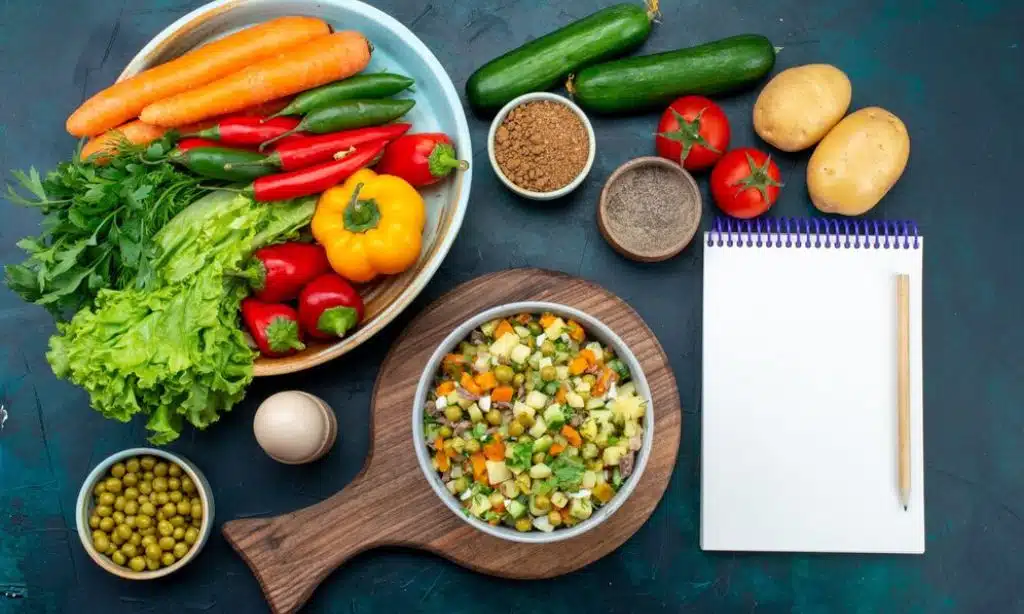
Superfoods are nutrient-dense foods that are particularly beneficial for health and well-being. Examples include blueberries (high in antioxidants), salmon (rich in omega-3 fatty acids), and spinach (loaded with iron and vitamins). While no single food holds the key to health, including a variety of superfoods in your diet can enhance your overall nutrient intake and support long-term health.
16. Limit Your Red Meat Consumption
Red meat can be a good source of protein and iron, but consuming too much, especially processed red meat, has been linked to an increased risk of heart disease and certain cancers. Limit your intake to a few times per week, and choose lean cuts like sirloin or tenderloin. Consider replacing red meat with fish, poultry, or plant-based proteins for some meals.
17. Ensure Adequate Protein Intake
Protein is crucial for muscle repair, immune function, and overall health. Adults should aim to include a variety of protein sources in their diet, such as lean meats, fish, eggs, dairy products, beans, lentils, and nuts. For those following a vegetarian or vegan diet, it’s important to combine different plant-based proteins to ensure you’re getting all the essential amino acids.
18. Explore Intermittent Fasting
Intermittent fasting involves cycling between periods of eating and fasting. Research suggests that it may help with weight loss, improve metabolic health, and even extend lifespan. However, intermittent fasting is not suitable for everyone, and it’s important to approach it carefully. Consult a healthcare provider before starting to ensure it’s right for you.
19. Limit Alcohol Consumption
While moderate alcohol consumption (such as a glass of red wine) has been linked to some health benefits, such as a reduced risk of heart disease, excessive alcohol intake can lead to serious health problems, including liver disease, high blood pressure, and an increased risk of certain cancers. Stick to the recommended guidelines of up to one drink per day for women and two drinks per day for men.
20. Avoid Skipping Meals
Skipping meals can lead to overeating later in the day and may slow down your metabolism, making it harder to maintain a healthy weight. Eating regular, balanced meals helps keep your energy levels stable and supports healthy metabolism. If you find yourself too busy to eat, try keeping healthy, portable snacks like nuts, yogurt, or fruit on hand.
21. Incorporate Probiotics for Gut Health
Probiotics are live bacteriathat are beneficial for gut health. A healthy gut is linked to improved digestion, a stronger immune system, and even better mental health. Probiotics can be found in fermented foods like yogurt, kefir, sauerkraut, kimchi, and miso. Consider adding a serving of one of these foods to your daily diet to support your digestive health.
22. Choose Organic Foods When Possible
Organic foods are grown without synthetic pesticides, herbicides, or fertilizers, making them a healthier choice for you and the environment. While organic foods can be more expensive, they are often worth the investment, particularly for fruits and vegetables that are typically high in pesticide residues, such as apples, strawberries, and spinach.
23. Plan Your Meals Ahead
Meal planning is a powerful tool for maintaining a healthy diet. By planning your meals ahead of time, you can ensure that you have all the ingredients you need to prepare nutritious meals throughout the week. This also reduces the likelihood of resorting to unhealthy convenience foods or takeout. Start by setting aside some time each week to plan your meals, make a shopping list, and prepare some ingredients in advance, such as washing and chopping vegetables or cooking grains. Not only does this save time during the week, but it also helps you stay on track with your dietary goals.
24. Listen to Your Body’s Hunger Cues
Your body is equipped with natural hunger and fullness cues that guide when and how much you should eat. However, many of us have become disconnected from these signals due to busy lifestyles, stress, or emotional eating. Practicing mindful eating can help you reconnect with your body’s cues. This means eating slowly, savoring each bite, and paying attention to how different foods make you feel. Over time, you’ll become better at recognizing when you’re truly hungry and when you’re full, helping to prevent overeating and maintain a healthy weight.
25. Enjoy Your Food Without Guilt
Finally, it’s important to enjoy what you eat. Food is meant to be a source of nourishment and pleasure, not a cause of stress or guilt. Allow yourself to indulge in your favorite treats occasionally, and remember that balance is key. Depriving yourself of foods you love can lead to unhealthy bingeing, whereas enjoying them in moderation can be part of a healthy, balanced diet. Focus on making mostly healthy choices, but also give yourself permission to enjoy all types of food without guilt.
Takeaway
Adopting these 25 expert diet tips can transform your approach to eating and significantly impact your overall well-being. It’s important to remember that healthy eating is not about strict diets or deprivation, but about making sustainable changes that enhance your life. By incorporating more whole foods, staying hydrated, practicing portion control, and enjoying a variety of foods, you can improve your health, increase your energy levels, and even boost your mood. The key is to take small, manageable steps and gradually build habits that support your long-term goals. With these tips, you’re well on your way to living a longer, happier life—one nutritious bite at a time.