Do you know how it is possible to reduce your blood pressure naturally? In this article, we are showing 15 natural ways that helps you to reduce your blood pressure naturally.
High blood pressure is a risky condition that can affect the heart and brain. It is also known as Hypertension. It damages one in three people in the US Already one billion people worldwide.
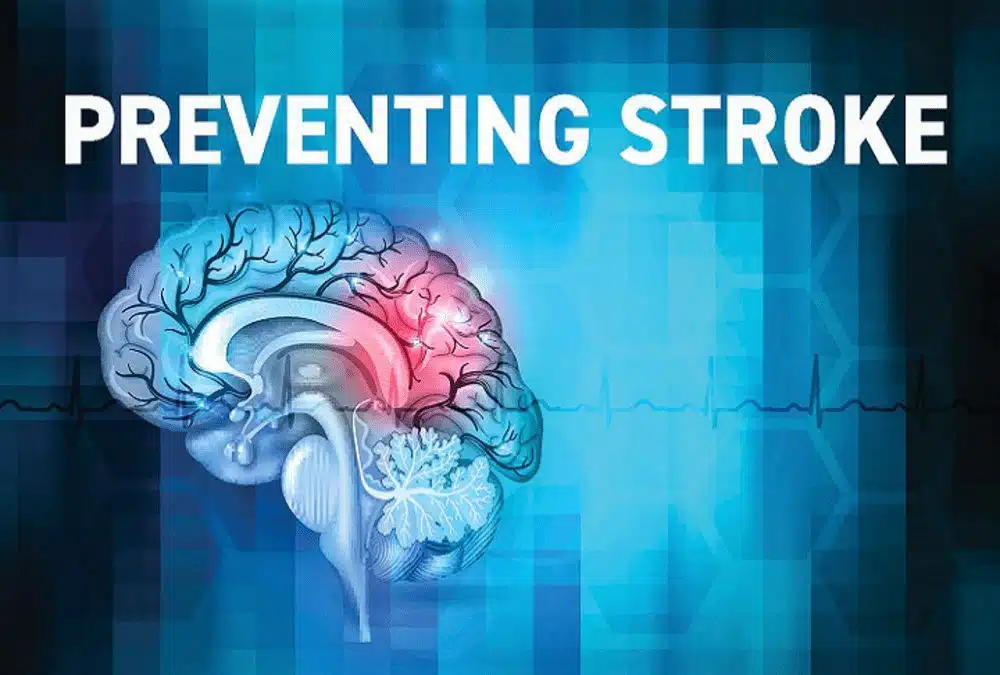
If left unchecked, the risk of heart disease and brain stroke increases.
But there is good news. There are some things that can be done to lower blood pressure naturally even without medication.
Here are 15 natural ways to reduce your high blood pressure:
-
Walk and exercise regularly
Exercise is one of the best things that can be done to lower high blood pressure. Regular exercise helps the heart to strengthen and be more efficient in pumping blood, which lowers pressure in the arteries.
In fact, 150 minutes of moderate exercise, such as walking, or 75 minutes of active exercise, such as running, per week can help lower blood pressure and improve heart health.
Exercising more reduces blood pressure even more according to the National Walkers’ Health Study.
Summary: Walking just 30 minutes a day can help lower blood pressure. More exercise helps reduce even more.
-
Reduce Sodium intake
Salt intake is high worldwide. In large part, this is due to processed and prepared foods.
For this reason, many public health efforts are aimed at reducing salt in the food industry.
In many studies, salt has been linked to high blood pressure and cardiac events, such as brain stroke.
However, more recent research has shown that the relationship between sodium and high blood pressure may be less clear.
One reason for this may be the differences between how people are genetically designed to process Sodium. About half of people with high blood pressure and a quarter of people with normal levels seem to have a salt sensitivity.
If you already have high blood pressure, it is worth reducing Sodium intake to see if it makes a difference. It is advisable to exchange processed foods with fresh ones and try to season with herbs and spices, instead of salt.
Summary: Most guidelines for lowering blood pressure recommend lowering Sodium intake. However, that recommendation could make more sense for people sensitive to salt.
- Drink less alcohol
Drinking alcohol can increase blood pressure. In fact, alcohol is related to 16% of cases of high blood pressure worldwide.
While some research has suggested that low to moderate amounts of alcohol can protect the heart, these benefits can be offset by negative effects.
In the United States, moderate alcohol consumption is defined as no more than one drink a day for women and two for men. If you drink more than that reduce it.
Summary: Drinking alcohol in any amount can increase blood pressure. It is advisable to limit alcohol consumption to no more than one drink a day for women, two for men.
-
Eat more Potassium-rich foods
Potassium is an important mineral. It helps the body get rid of Sodium and relieve pressure on blood vessels.
Modern diets have increased the Sodium intake of most people while decreasing Potassium intake.
To get a better balance of Sodium-Potassium, the diet should focus on eating less processed foods and more fresh and whole foods.

Foods that are particularly high in potassium are among others:
- Vegetables, especially green leafy vegetables, tomatoes, potatoes and sweet potatoes
- Fruits, including melons, bananas, avocados, oranges and apricots
- Dairy products, such as milk and yogurt
- Tuna and Salmon
- Nuts and seeds
- Beans
Summary: Eating fresh fruits and vegetables, which are rich in potassium can help lower blood pressure.
- Reduce Caffeine
If you’ve ever had a cup of coffee before measuring your blood pressure, you’ll know that caffeine causes an instant boost.
However, there is not much evidence to suggest that drinking caffeine regularly can cause a lasting increase.
In fact, people who drink caffeinated coffee and tea tend to have a lower risk of heart disease including high blood pressure, than those who do not.
Caffeine can have a stronger effect on people who do not consume it regularly.
If you suspect that you are sensitive to caffeine, it should be lowered to see if your blood pressure drops.
Summary: Caffeine can cause a short-term increase in blood pressure, although for many people it does not cause a lasting increase.
-
Learn to manage stress
Stress is a key factor in high blood pressure. When you are chronically stressed, your body is in a constant fight or flight mode. On a physical level, this means a faster heart rate and narrow blood vessels.
When you experience stress, you may also be more likely to follow other harmful behaviors. Such as drinking alcohol or eating unhealthy foods, which can negatively affect blood pressure.
Several studies have explored how stress reduction can help lower blood pressure.
Here are two research-based tips for it is useful to try:
Listening to relaxing music: Comforting music can help relax the nervous system. Research has shown that it is an effective complement to other blood pressure therapies.
Work less: Work hard, and stressful work situations in general, are related to high blood pressure.
Summary: Chronic stress can contribute to high blood pressure. Finding ways to manage stress can help.
- Eat dark chocolate or cocoa
Here is a tip that you can easily follow.
While eating massive amounts of chocolate probably won’t help heart health, small amounts can.
This is because dark chocolate and cocoa powder are rich in flavonoids, plant compounds that cause blood vessels to dilate.
A review of the studies found that flavonoid-rich cocoa improved several markers of short-term heart health including lowering blood pressure.
For best effects, the use of non-alkalized cocoa powder is suggested, which is especially high in flavonoids and has no added sugars.
Summary: Dark chocolate and cocoa powder contain plant compounds that help relax blood vessels, lowering blood pressure.
-
Lose Weight
If you are overweight, losing weight can make a big difference to your heart health.
According to a 2016 study, losing 5% of body mass could significantly reduce high blood pressure.
In previous studies, the loss of 17 pounds (7.7 kg) was related to the decrease in systolic blood pressure in 8.5 mm Hg and diastolic blood pressure in 6.5 mm Hg.
To put that in perspective, a healthy reading should be less than 120/80 mm Hg.
The effect is even greater when weight loss is combined with exercise.
Weight loss can help blood vessels do a better job of expansion and contraction, making it easier for the left ventricle of the heart to pump blood.
Summary: Weight loss can significantly reduce high blood pressure. This effect is even greater when you exercise.
- Stop Smoking
Among the many reasons to quit smoking is that habit is a strong risk factor for heart disease.
Each wisp of cigarette smoke causes a slight temporary increase in blood pressure. The chemicals in tobacco are also known to damage blood vessels.
Surprisingly, studies have not found a conclusive link between smoking and high blood pressure. Perhaps this is because smokers develop tolerance over time.
However, since both smoking and hypertension increase the risk of heart disease, quitting smoking can help reverse that risk.
Summary: There is conflicting research on smoking and high blood pressure, but what is clear is that both increase the risk of heart disease.
-
Eliminate Added Sugar and Refined Carbohydrates
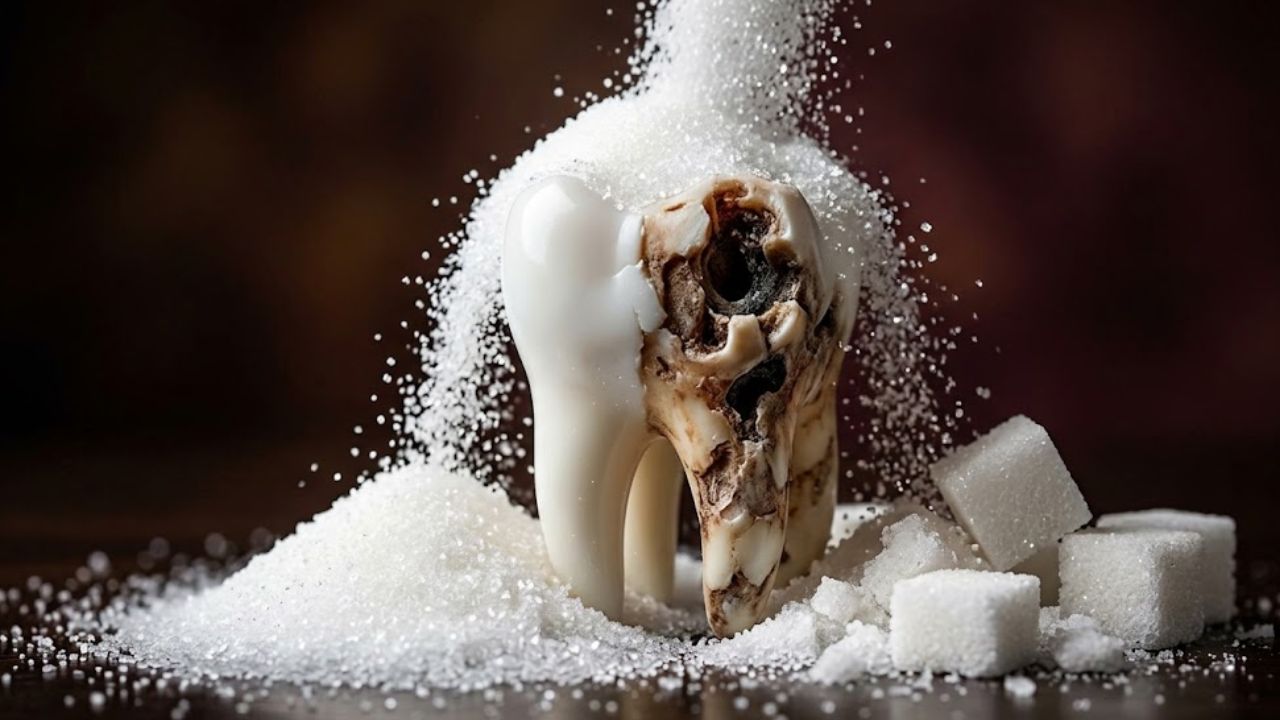
There is a growing group of research that shows a link between added sugar and high blood pressure.
In the Framingham Women’s Health Study, women who drank even one soda per day had higher levels than those who drank less than one soda a day.
Another study found that drinking a less sugary drink per day was linked to lower blood pressure.
And it’s not just sugar – all refined carbohydrates, like the one found in white flour, quickly convert to sugar in the bloodstream and can cause problems.
Some studies have shown that low carb diets can also help to reduce blood pressure.
A study on people undergoing treatment with statins found that those who followed a restricted carbohydrate diet at six weeks saw greater improvement in blood pressure. And other markers of heart disease than people who were not on a diet.
Summary: Refined carbohydrates, especially sugar, can increase blood pressure. Some studies have shown that low carb diets can help reduce your levels.
- Eat Berries
Berries are full of more than just juicy flavor. They are also full of polyphenols, natural plant compounds that are good for the heart.
For a small study, middle-aged people were asked to eat berries for eight weeks.
Participants experienced improvements in different markers of heart health, including blood pressure.
Another study assigned people with high blood pressure to a diet low in polyphenols or a diet high in polyphenols that contained berries, chocolate, fruits and vegetables.
Those who consumed berries and foods rich in polyphenols experienced improved markers of heart disease risk.
Summary: Berries are rich in polyphenols, which can help lower blood pressure and the overall risk of heart disease.
-
Meditation or Deep Breathing
It is thought that both meditation and deep breathing activate the parasympathetic nervous system. This system is activated when the body relaxes, lowering the heart rate and lowering blood pressure.
There is a little research in this area, with studies showing that different styles of meditation seem to have benefits for lowering blood pressure.
Deep breathing techniques can also be quite effective.
In one study, participants were asked to take six deep breaths over the course of 30 seconds or simply stand still for 30 seconds. Those who took breaths lowered their blood pressure more than those who simply sat down.
Try guided meditation or deep breathing.
Summary: Both meditation and deep breathing can activate the parasympathetic nervous system, which helps lower heart rate and lower blood pressure.
- Eat Foods high in Calcium
People with low calcium intake often have high blood pressure.
Although it has not been proven reliably that calcium supplements lower blood pressure. Calcium-rich diets appear to be related to healthy levels.
For most adults, the calcium recommendation is 1,000 mg per day. For women over 50 and men over 70, they are 1,200 mg per day.
In addition to dairy products, calcium can be obtained from kale and other leafy greens, beans, sardines and tofu.
Summary: Calcium-rich diets are linked to healthy blood pressure levels. Calcium can be obtained through dark green leaves and tofu, as well as dairy products.
-
Take Natural Supplements
Some natural supplements can also help lower blood pressure. These are some of the main supplements that have been evidenced:
- Aged Garlic Extract: Extract has been used successfully as an independent treatment and together with conventional therapies to lower blood pressure.
- Berberine: Traditionally used in Ayurvedic and Chinese medicine, berberine can increase nitric oxide production, which helps lower blood pressure.
- Whey Protein: a 2016 study found that whey protein improved blood pressure and blood vessel function in 38 participants.
- Fish oil: For a long time, it is attributed to the improvement of heart health, fish oil can benefit most people with high blood pressure.
- Hibiscus: With hibiscus flowers can make a delicious tea. They are rich in anthocyanins and polyphenols that are good for the heart and can lower blood pressure.
Summary: Several natural supplements have been investigated for their ability to lower blood pressure.
- Eat Magnesium rich foods
Magnesium is an important mineral that helps blood vessels relax. Although magnesium deficiency is quite rare, many people do not get enough.
Some studies have suggested that consuming too little magnesium is linked to high blood pressure. But the evidence from clinical studies has been less clear.
But nevertheless, eating a diet rich in magnesium is a recommended way to avoid high blood pressure.
Magnesium can be incorporated into the diet with vegetables, dairy products, legumes, chicken, meat and whole grains.
Summary: Magnesium is an important mineral that helps regulate blood pressure. It is found in whole foods, such as legumes and whole grains.
Bring the message home
High blood pressure affects a large proportion of the world’s population.
While prescription drugs are a way to treat the condition, there are many other natural techniques that can help.
Controlling blood pressure through the methods in this article can ultimately help reduce the risk of heart disease.