

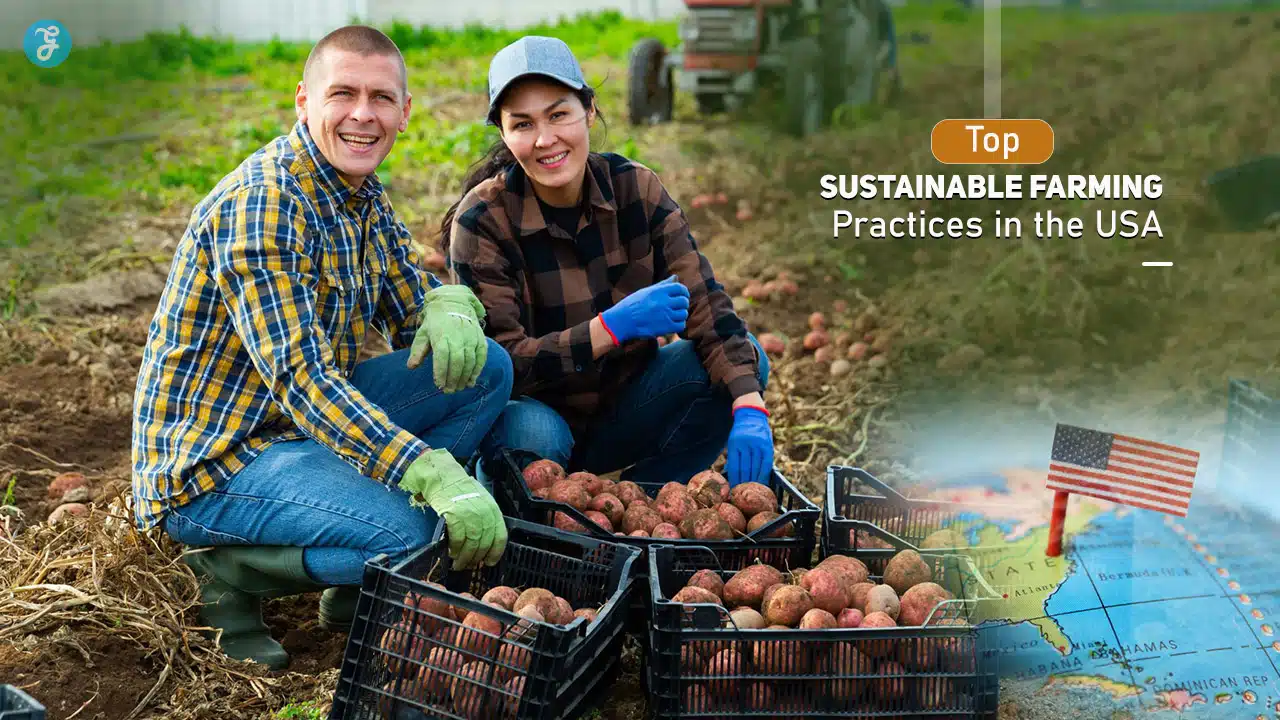
Sustainable farming is no longer just a trend—it’s a necessity for ensuring food security while preserving the environment.
By implementing sustainable techniques, farmers across the United States are reducing their environmental footprint, improving soil health, conserving water, and producing high-quality crops and livestock.
Here, we delve into 12 sustainable farming practices in the USA, exploring their benefits, examples, and the role they play in fostering a resilient agricultural system.
1. Crop Rotation
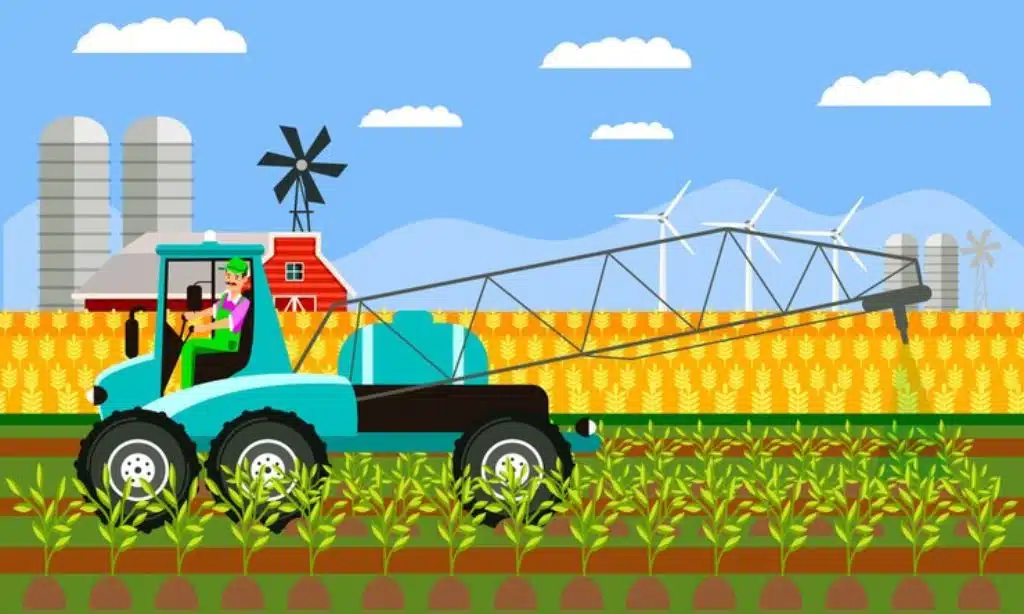
Crop rotation involves alternating the crops grown in a particular field across different seasons to maintain soil fertility and reduce pest infestations.
Why It’s Essential
- Different crops use and replenish various soil nutrients, preventing depletion.
- Disrupts pest and disease cycles that thrive when a single crop is repeatedly planted.
Example in the USA
Midwestern farmers often alternate between corn and soybeans. Corn is a heavy feeder of nitrogen, while soybeans fix nitrogen into the soil, reducing the need for synthetic fertilizers.
Advanced Techniques:
- Three-Year Rotations: Incorporate cover crops like clover or rye to further enrich the soil.
- Diversified Rotations: Use more than two crops, including vegetables, grains, or legumes, for added soil benefits.
2. Conservation Tillage
Conservation tillage minimizes soil disruption by using tools that plant seeds directly into undisturbed soil or crop residue.
Why It’s Essential
- Reduces soil erosion caused by wind and water.
- Enhances moisture retention, reducing irrigation needs.
Example in the USA
In Kansas, wheat farmers use no-till practices to combat soil erosion and retain soil organic matter.
Advanced Techniques:
- Strip Tillage: Only disturb soil where seeds are planted, leaving the rest intact.
- Mulch Tillage: Incorporate organic materials like straw to improve moisture retention and soil health.
3. Integrated Pest Management (IPM)
IPM combines biological, mechanical, and chemical methods to control pests in an eco-friendly way.
Why It’s Essential
- Reduces the need for synthetic pesticides, protecting beneficial organisms like bees.
- Prevents pest resistance to chemicals through diversified control strategies.
Example in the USA
Vineyards in Napa Valley use predatory insects, pheromone traps, and disease-resistant grape varieties to manage pests without heavy pesticide use.
Advanced Techniques:
- Trap Crops: Plant a secondary crop to attract pests away from the primary crop.
- Data Monitoring: Use drones and sensors to track pest activity and apply targeted treatments.
4. Agroforestry
Agroforestry integrates trees, shrubs, and crops into a unified system, creating sustainable and multifunctional landscapes.
Why It’s Essential
- Trees act as windbreaks, reducing soil erosion and protecting crops.
- Provides habitats for pollinators and beneficial wildlife.
Example in the USA
In the Pacific Northwest, farmers grow hazelnut trees alongside crops, boosting biodiversity and providing an additional income source.
Advanced Techniques:
- Silvopasture: Combine forestry with rotational grazing for livestock, improving land productivity.
- Riparian Buffers: Plant trees near water sources to filter runoff and protect waterways.
5. Cover Crops
Cover crops like clover, rye, and alfalfa are grown during off-seasons to protect and enrich the soil.
Why It’s Essential
- Adds organic matter and prevents soil erosion.
- Reduces the need for synthetic fertilizers by fixing nitrogen.
Example in the USA
Farmers in Pennsylvania plant rye cover crops after harvesting corn to reduce runoff and enrich soil for the next planting season.
Advanced Techniques:
- Multi-Species Mixes: Combine several cover crops to achieve diverse benefits like weed suppression and pest control.
- Rolling and Crimping: Flatten cover crops to create a natural mulch layer.
6. Organic Farming
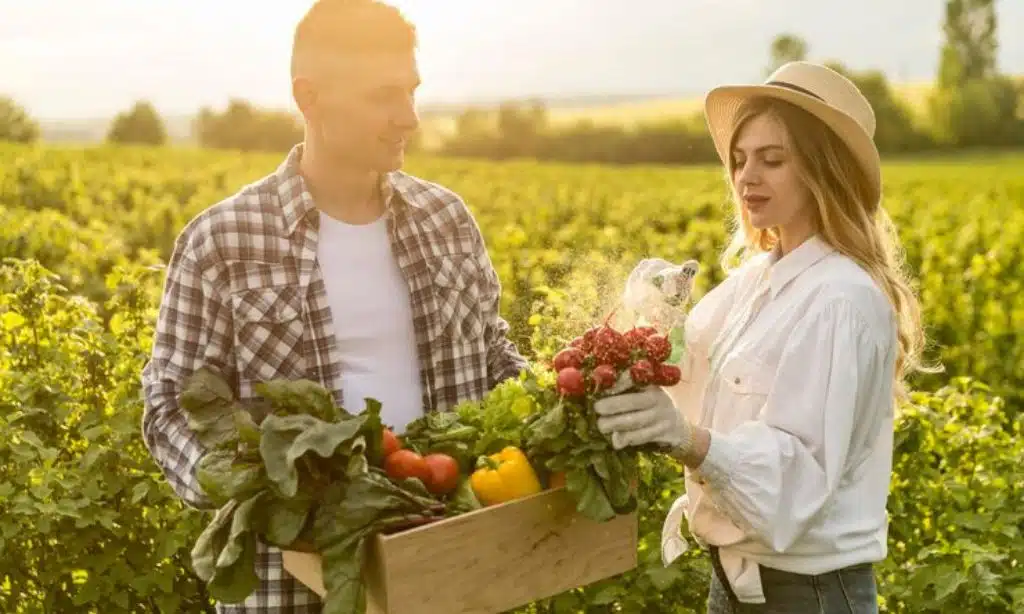
Organic farming eliminates synthetic chemicals, focusing on natural inputs and sustainable practices.
Why It’s Essential
- Protects ecosystems from chemical contamination.
- Improves soil health through organic matter and crop diversity.
Example in the USA
California is a leader in organic farming, producing organic almonds, strawberries, and leafy greens for global markets.
Advanced Techniques:
- Biofertilizers: Use compost teas and microbial solutions to enhance soil health.
- Intercropping: Plant diverse crops together to naturally manage pests and improve yields.
7. Rotational Grazing
Rotational grazing moves livestock between pastures, allowing grasslands to recover and maintain productivity.
Why It’s Essential
- Prevents overgrazing, which depletes soil nutrients and damages vegetation.
- Enhances biodiversity by creating varied habitats.
Example in the USA
Dairy farmers in Vermont use rotational grazing to maximize milk quality while preserving grassland health.
Advanced Techniques:
- Adaptive Grazing: Adjust livestock density based on grass growth rates.
- Mixed Species Grazing: Incorporate multiple animal types, like cows and sheep, to optimize land use.
8. Water Management Techniques
Efficient water management ensures sustainable irrigation while conserving water resources.
Why It’s Essential
- Protects aquifers and reduces water waste.
- Ensures crops receive adequate hydration even in drought conditions.
Example in the USA
California’s Central Valley uses drip irrigation systems to deliver water directly to plant roots, minimizing evaporation.
Advanced Techniques:
- Smart Sensors: Monitor soil moisture levels in real time.
- Rainwater Harvesting: Collect and store rainwater for irrigation.
9. Sustainable Livestock Practices
Sustainable livestock farming minimizes environmental impacts while improving animal welfare.
Why It’s Essential
- Reduces methane emissions through efficient feeding practices.
- Converts livestock waste into renewable energy.
Example in the USA
Hog farms in North Carolina use anaerobic digesters to turn manure into biogas, reducing waste and emissions.
Advanced Techniques:
- Regenerative Grazing: Improve soil carbon storage by integrating livestock with crop production.
- Precision Feeding: Provide livestock with optimized diets to reduce waste.
10. Polyculture Farming
Polyculture involves growing multiple crops in a single area to mimic natural ecosystems.
Why It’s Essential
- Increases biodiversity and reduces pests.
- Maximizes land productivity.
Example in the USA
Farmers in Wisconsin grow beans, corn, and squash together in a system known as “Three Sisters,” which supports mutual crop growth.
Advanced Techniques:
- Companion Planting: Pair crops like tomatoes and basil to enhance growth and deter pests.
- Agroecology: Combine polyculture with conservation techniques for holistic benefits.
11. Precision Agriculture
Precision agriculture leverages technology to monitor and optimize farming practices.
Why It’s Essential
- Reduces input waste, such as fertilizers and water.
- Increases yields through targeted interventions.
Example in the USA
Farmers in Illinois use GPS-guided tractors and drones to apply fertilizers precisely, saving costs and reducing runoff.
Advanced Techniques:
- Variable Rate Application: Adjust inputs based on specific field needs.
- IoT Devices: Use Internet of Things (IoT) sensors to collect and analyze farm data.
12. Urban Farming and Vertical Agriculture
Urban and vertical farming maximize space efficiency to grow food in city environments.
Why It’s Essential
- Reduces food transportation emissions.
- Produces fresh, local food year-round.
Example in the USA
AeroFarms in New Jersey uses vertical farming to grow leafy greens with 95% less water than traditional methods.
Advanced Techniques:
- Aquaponics: Combine fish farming with hydroponics for nutrient recycling.
- LED Lighting: Use energy-efficient lights to support plant growth indoors.
Takeaways
The top 12 sustainable farming practices in the USA demonstrate the power of innovation and tradition in creating a more resilient agricultural sector.
These techniques protect natural resources, enhance productivity, and support long-term food security.
By adopting these practices, farmers, policymakers, and consumers can contribute to a more sustainable future. Which sustainable farming practice inspires you the most?
Join the movement for sustainable agriculture and make a difference today!





















