

Do you feel like your bedroom is not as relaxing as it should be? If you often struggle to unwind or fall asleep, your space might not be helping. A calming bedroom can improve how well you rest and recharge.
Research shows that simple changes, like using natural light or reducing clutter, can make a big difference. Creating a peaceful sleep environment doesn’t have to mean spending lots of money or time.
This blog will show you 7 easy ways to create a more relaxing bedroom environment.
Ready to transform your room? Keep reading!
Choose a Relaxing Color Scheme
A relaxing bedroom starts with the right colors. Soft shades can create a calm and peaceful atmosphere, perfect for resting and sleeping better.
Soft, neutral tones
Soft, neutral tones turn bedrooms into peaceful retreats. Colors like beige, cream, and light gray help lower stress levels and improve sleep quality. These shades reflect natural light gently, creating an airy and calming atmosphere.
Experts from Benjamin Moore suggest pairing earth tones with other calming colors. Soft blues or muted greens work well to enhance the sense of tranquility. Avoid harsh contrasts; they disrupt relaxation and may disturb your circadian rhythms.
Stick with gentle transitions for a seamless look in your décor.
Use calming shades like blue or green
Calming shades like blue and green can transform your sleep environment. These colors reduce stress and promote relaxation. Blue tones mimic the sky, creating a sense of peace. Green shades, such as forest or olive green, connect to nature and feel soothing.
In 2020, these hues became trendy for bedrooms due to their calming effects. They also pair well with neutral colors like beige or white. Use them on walls, bed sheets, or pillowcases for subtle comfort in your interior design.
Incorporate Natural Elements
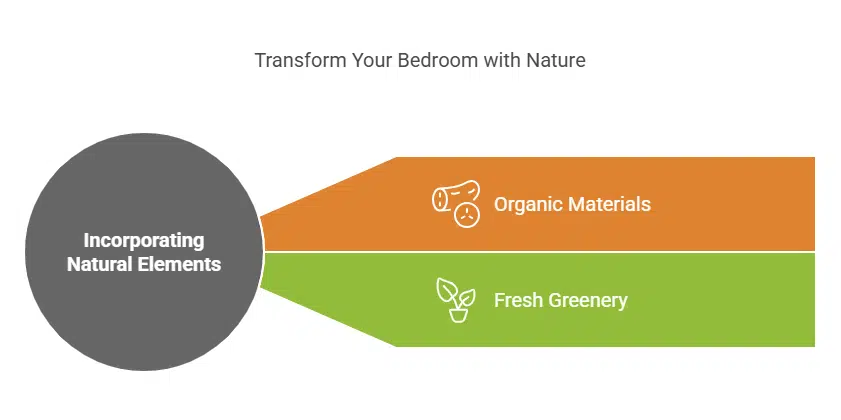
Adding natural touches to your bedroom can create a soothing atmosphere. Simple décor choices like organic materials or fresh greenery can make the space feel more peaceful.
Add wooden furniture or accents
Wooden furniture creates a cozy and inviting sleep environment. Nightstands, headboards, or dressers with natural wood finishes suit many interior design styles. Use light oak or warm walnut tones for neutral colors that bring calmness to the room.
Small wooden accents like picture frames, shelves, or lamp bases can also add texture without overwhelming the space. These natural materials help balance modern decor while promoting relaxation and comfort.
Bring in greenery or indoor plants
Plants like aloe vera and lavender can calm your space. They release oxygen, improve air quality, and lower stress levels. Adding greenery helps create a natural connection that soothes the mind.
Studies show plants promote better sleep by reducing noise and balancing humidity.
Use indoor options like peace lilies or snake plants for low maintenance. Place them in corners or on shelves to brighten up dull areas. Greenery looks fresh and supports relaxation in your bedroom environment.
Keep the Space Clutter-Free
A tidy room can create a sense of calm and order. A clean space makes it easier to relax and promotes better sleep quality.
Organize storage solutions
Use nightstands with drawers to hide smaller items like books or lip balm. Trunks at the foot of the bed can store blankets while adding style. Maximize closet space by using stacking bins or custom storage systems to keep everything in order.
Declutter surfaces and floor areas for a calming sleep environment. Stash seasonal clothes and accessories in labeled containers under the bed. Smart storage solutions reduce clutter, improving relaxation and interior design harmony.
Remove unnecessary items
Clear the clutter to create a calm sleep environment. Too many items in a room can feel overwhelming and disrupt relaxation. Over-the-door organizers save space by freeing up shelves and drawers, making storage simple.
Decluttering also improves air flow and cleanliness, which boosts comfort.
Let go of things you don’t use often or need nearby. Limit trinkets, papers, or extra furniture that adds chaos to your interior design. A tidy space promotes better sleep quality and reduces stress during bedtime routines.
Focus on keeping only what is truly essential within reach.
Limit Electronics in the Bedroom
Too much screen time can harm your sleep-wake cycle. Keep your bedroom a tech-free zone to create a peaceful environment.
Avoid screens before bedtime
Blue light from screens stops melatonin, a hormone that helps sleep. Phones, tablets, and TVs confuse your brain by mimicking sunlight. This disrupts the natural sleep-wake cycle and leaves you tossing in bed.
A screen-free hour before bedtime improves rest quality. Swap scrolling with simple activities like reading or using an aromatherapy diffuser with lavender essential oil to relax your senses.
Replace digital alarms with analog clocks to keep electronics out of reach during nighttime hours.
Use an analog alarm clock instead of a phone
Digital devices emit blue light, which disrupts sleep patterns. An analog alarm clock eliminates this issue and helps create a calming sleep environment. It also reduces the temptation to scroll through your phone before bed.
Experts like the National Institutes of Health emphasize limiting electronics in bedrooms for better rest. Swapping out your phone for an analog clock can lead to healthier sleep habits over time.
Layer Textures for Comfort
Soft layers make any room feel cozier. Mixing fabrics and materials can create a warm, inviting space that soothes the senses.
Use soft throws and cushions
Layering soft textiles like chunky knit throws or velvet cushions creates a cozy sleep environment. Throws with different textures add warmth and charm to the room. Mixing fabrics such as cotton, faux fur, or linen enhances comfort while boosting interior design appeal.
Velvet cushions feel luxurious and work well with neutral colors or calming shades like blue. Including these elements keeps your bedroom inviting without overwhelming it. Soft throws over furniture or the bed provide visual depth and sensory experiences that promote relaxation.
Add a plush rug for a cozy feel
A soft, plush rug can transform your bedroom’s comfort level. Materials like wool, shag, or faux fur create warmth and invite relaxation. Place a high-quality rug near your bed to ensure a snug start every morning.
Rugs also help reduce core temperature by adding insulation during colder months.
Neutral colors such as beige or cream blend seamlessly into any sleep environment. Pick designs that match your interior design for added charm. Opt for memory foam-backed rugs if you want extra cushioning underfoot.
These choices enhance sensory experiences while keeping the space serene and cozy!
Optimize Bed Placement
Place your bed where it feels calm and inviting. Avoid blocking windows, so natural light can brighten the room during the day.
Position the bed for better energy flow
Face your bed south to encourage positive energy. This simple adjustment can improve the sleep environment and align with feng shui principles. Maintain balance by placing nightstands on both sides of the bed.
Let natural light flow freely around the room. Avoid pushing the bed against walls or blocking windows, as this interferes with energy movement. Make sure there’s enough space on either side for easy access and a sense of openness.
Ensure easy access to natural light
Place your bed where sunlight can reach it in the morning. Natural light improves mood and helps regulate your sleep cycle. A well-lit room also feels more open and calming, boosting relaxation.
Replace heavy curtains with sheer ones to let daylight filter through while keeping privacy. For darker rooms, use mirrors to reflect light around the space. This simple change can make a big difference in creating an inviting bedroom environment.
Invest in High-Quality Bedding

Comfortable bedding can greatly improve your sleep environment. Look for materials that feel soft, breathable, and durable to elevate your rest experience.
Choose breathable materials like cotton or linen
Cotton and linen are natural materials that allow air to flow freely. This helps keep your body cool, especially in warmer months, improving your sleep environment. Both fabrics wick away moisture, reducing sweat and discomfort during the night.
High-quality bedding made from these materials enhances comfort and boosts sleep quality. Sheets with a thread count of 200-400 offer the perfect balance between softness and breathability.
Pair them with supportive pillows or a mattress topper for even better rest.
Use supportive mattresses and pillows
Side sleepers require softer mattresses to maintain proper spine alignment. Back and stomach sleepers benefit more from firmer options to support their posture. A quality mattress can alleviate back pain and improve your sleep position.
Select pillows suited to your sleeping style. Memory foam is effective for neck support, while down or cotton pillows offer gentle comfort. These adjustments improve your sleep setting, helping you wake up rejuvenated.
Enhance the Ambience with Lighting
Soft, warm lighting can create a peaceful and inviting mood in your bedroom. Adjusting brightness levels with dimmable options can help set the perfect tone for rest.
Use warm-toned lighting
Warm-toned lighting, like soft white or yellow hues, helps your body relax. It supports the Circadian Rhythm, signaling it’s time to wind down for rest. Use LED soft white light bulbs or lamps with a color temperature of 2,700K to 3,000K for a calming effect.
Dimmable lights add flexibility by letting you adjust brightness as needed. Bedside lamps with warm tones can also create cozy ambient lighting without overwhelming the space. Avoid cool white or blue light as they disrupt sleep patterns by mimicking daylight exposure.
Add dimmable lights or bedside lamps
Choose dimmable lights to control brightness for any mood. Adjusting light levels can create a calming sleep environment before bedtime. LED soft white light bulbs are energy-efficient and last longer, saving money over time.
Bedside lamps provide focused lighting without disturbing others. They’re perfect for reading or winding down with lavender essential oil in an aromatherapy diffuser nearby. Pairing warm, ambient lighting with neutral colors enhances relaxation in your bedroom space.
Takeaways
A relaxing bedroom can improve your sleep and mental well-being. Small changes, like decluttering or adding soft lighting, make a big difference.
Dr. Emily Carter, an expert in interior wellness design, shares her insights on this topic. With over 15 years of experience in interior design and a Ph.D. in environmental psychology, she focuses on creating spaces that promote calmness and relaxation.
Dr. Carter highlights the power of neutral tones, natural wood accents, and fresh plants to soothe the mind. She notes studies showing how calming colors—like greens and blues—reduce stress levels (Source: Sleep Foundation).
Investing in high-quality bedding made from breathable materials also improves sleep quality.
She stresses keeping safety first by selecting eco-friendly paints or furnishings free from harmful chemicals. Transparency matters too; knowing what goes into your products builds trust.
In daily life, Dr. Carter advises simple habits like making the bed each morning or using dim lights after sunset for better sleep preparation. Avoid keeping devices nearby to maintain focus on rest rather than work distractions.
Her balanced view shows clear benefits but mentions one drawback: personal tastes vary greatly when designing bedrooms that feel right for everyone’s needs.
Based on her expertise? These steps create an effective approach without overwhelming costs or effort—a practical solution worth considering for individuals seeking peace at home!






















