

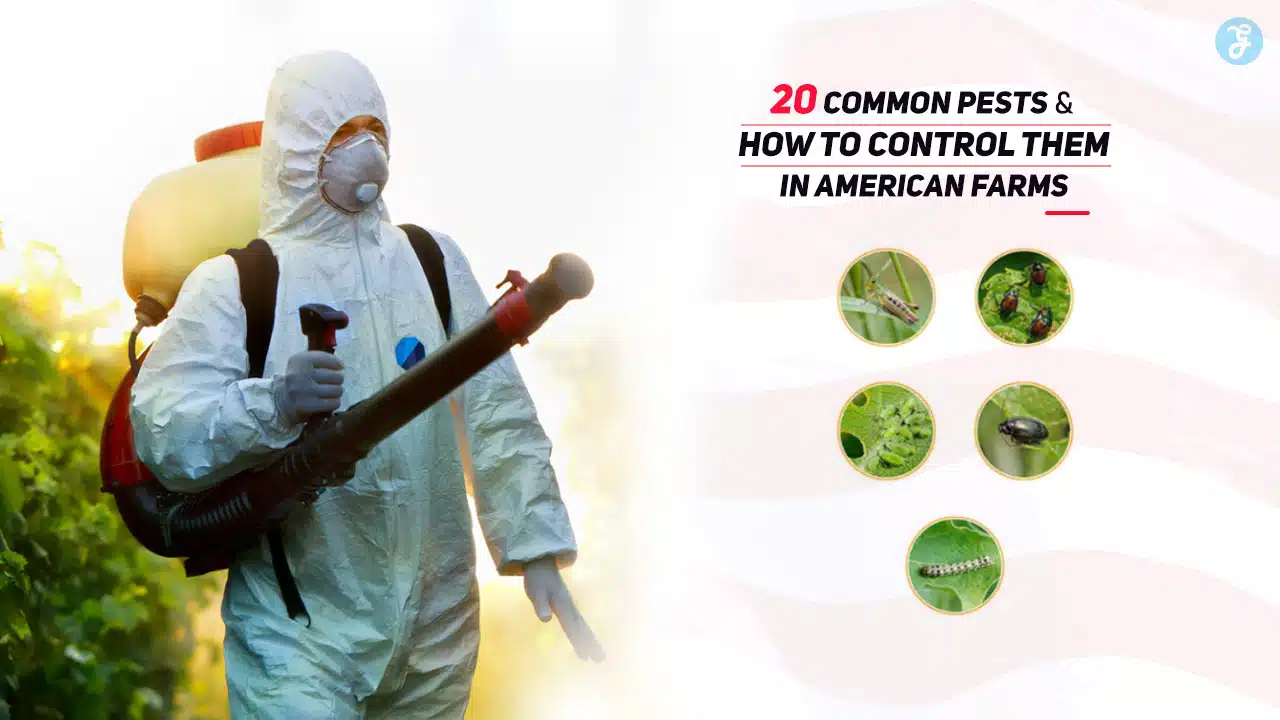
Pest control is a crucial aspect of farming, as pests can significantly impact crop yields, quality, and overall profitability.
From insects and rodents to fungi and weeds, farms across America face various pests that require diligent management. Effective pest control strategies not only protect crops but also contribute to sustainable agriculture and long-term soil health.
This comprehensive guide highlights 20 common pests encountered on American farms and provides detailed insights into their identification, damage, and effective control measures.
1. Aphids
Aphids are tiny, soft-bodied insects that feed on plant sap. They are typically green, black, or brown and often cluster on the undersides of leaves.
Damage
- Yellowing and curling of leaves
- Stunted growth
- Secretion of honeydew, which attracts sooty mold
Control Methods
- Biological Control: Introduce natural predators like ladybugs or lacewings.
- Cultural Practices: Remove weeds and practice crop rotation.
- Chemical Control: Use insecticidal soaps or neem oil for severe infestations.
2. Corn Earworms
Corn earworms are caterpillars that primarily attack corn but also feed on tomatoes and peppers.
Damage
- Bore holes in corn kernels
- Feed on fruit surfaces, causing decay
Control Methods
- Biological Control: Release parasitic wasps like Trichogramma.
- Crop Management: Plant resistant crop varieties and use pheromone traps.
- Chemical Control: Apply targeted insecticides at the silk stage of corn development.
3. Colorado Potato Beetles
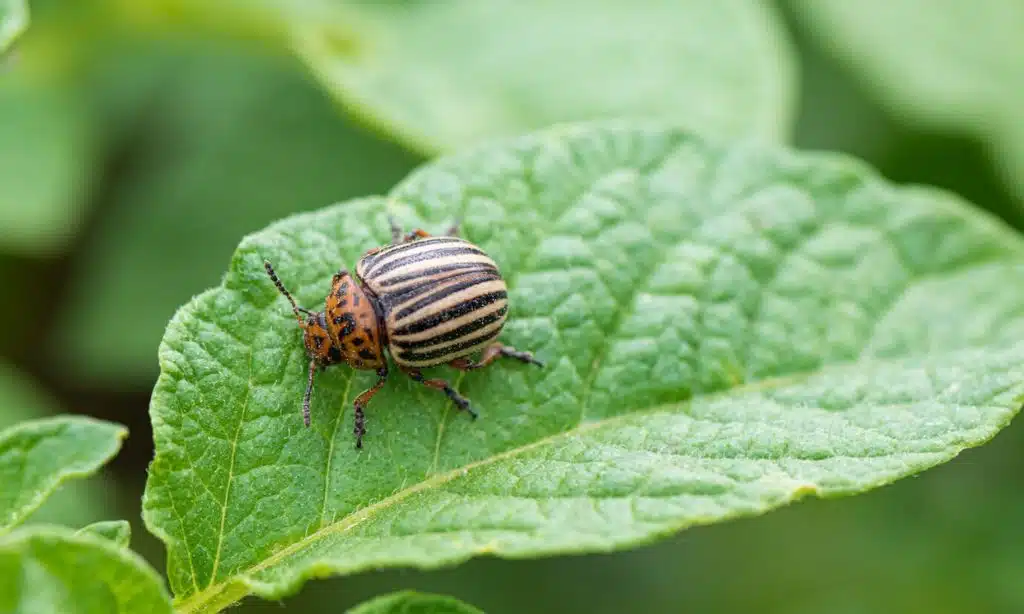
These beetles are yellow-orange with black stripes and are notorious for attacking potato crops.
Damage
- Defoliation of potato plants
- Reduced tuber quality and yield
Control Methods
- Hand Removal: Remove beetles and larvae manually in small-scale operations.
- Crop Rotation: Avoid planting potatoes in the same location annually.
- Chemical Control: Use pesticides like spinosad for heavy infestations.
4. Cutworms
Cutworms are nocturnal caterpillars that attack young plants at the soil line.
Damage
- Severing seedlings at the base
- Feeding on leaves and stems
Control Methods
- Preventive Measures: Use cardboard collars around seedlings.
- Natural Enemies: Encourage ground beetles and birds.
- Insecticides: Apply targeted treatments to the soil around plants.
5. Japanese Beetles
These metallic green and bronze beetles are highly destructive to fruits, vegetables, and ornamental plants.
Damage
- Skeletonized leaves
- Damaged flowers and fruit
Control Methods
- Handpicking: Remove beetles in the early morning.
- Traps: Use pheromone traps to reduce populations.
- Neem Oil: Apply neem oil to deter feeding and reproduction.
6. Spider Mites
Spider mites are microscopic arachnids that thrive in hot, dry conditions and weave webs on plants.
Damage
- Yellowing or bronzing of leaves
- Stippling and leaf drop
Control Methods
- Increase Humidity: Mites dislike moist environments.
- Natural Predators: Introduce predatory mites.
- Insecticidal Soap: Spray affected areas for effective control.
7. Grasshoppers
Grasshoppers are voracious feeders that can devastate fields of grains, vegetables, and forage crops.
Damage
- Chewing holes in leaves
- Stripping plants of foliage
Control Methods
- Trap Crops: Plant preferred species to divert grasshoppers.
- Biological Control: Use Nosema locustae, a biological pesticide.
- Barrier Sprays: Apply insecticides to field borders.
8. Whiteflies
Whiteflies are small, winged insects that suck sap from the undersides of leaves.
Damage
- Leaf yellowing and wilting
- Transmission of viral diseases
Control Methods
- Sticky Traps: Use yellow sticky traps to monitor and reduce populations.
- Beneficial Insects: Introduce parasitoid wasps or predatory beetles.
- Horticultural Oils: Spray neem oil or insecticidal soap on affected plants.
9. Slugs and Snails
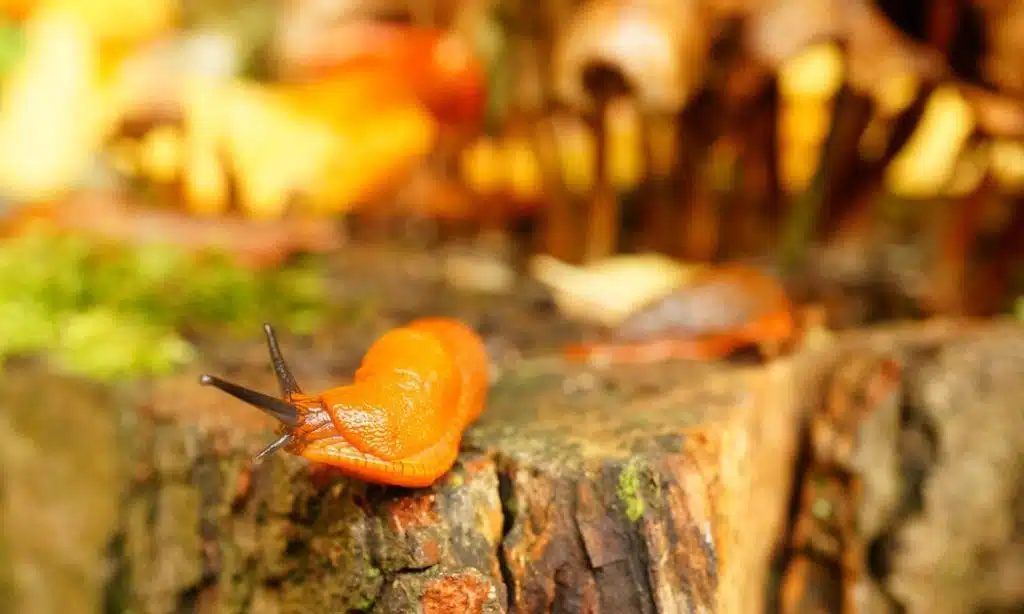
Slugs and snails are mollusks that feed on a variety of crops, particularly leafy greens.
Damage
- Irregular holes in leaves
- Slimy trails on plants and soil
Control Methods
- Physical Barriers: Use copper tape or diatomaceous earth.
- Natural Predators: Encourage birds and toads in your fields.
- Baits: Use iron phosphate-based baits for safe control.
10. Rodents (Rats and Mice)
Rodents damage crops by feeding on seeds, fruits, and stored produce.
Damage
- Gnawed seeds and stems
- Contamination of stored grains
Control Methods
- Traps: Use bait stations and snap traps.
- Exclusion: Seal gaps in storage areas.
- Biological Control: Introduce barn owls or feral cats.
11. Stink Bugs
These shield-shaped insects feed on a variety of crops, leaving behind foul-smelling secretions.
Damage
- Deformed fruits and vegetables
- Reduction in crop quality
Control Methods
- Hand Removal: Collect and dispose of bugs in soapy water.
- Row Covers: Use covers to protect young plants.
- Insecticides: Apply treatments during early infestations.
12. Weevils
Weevils target stored grains and seeds, causing extensive post-harvest losses.
Damage
- Bored holes in grains
- Contaminated food stocks
Control Methods
- Temperature Control: Store grains in cool, dry conditions.
- Sealed Containers: Use airtight bins for storage.
- Pesticides: Treat storage areas with insecticides.
13. Armyworms
Armyworms are caterpillars that feed on a wide range of crops, including grains, corn, and grasses. They often travel in large groups, causing rapid damage.
Damage
- Stripped foliage, leaving plants bare.
- Damage to young seedlings, reducing yields.
Control Methods
- Biological Control: Introduce natural predators like parasitic wasps or ground beetles.
- Cultural Practices: Practice crop rotation to disrupt their life cycle.
- Insecticides: Apply targeted treatments when larvae are young.
14. Cabbage Loopers
These pale green caterpillars are common pests of cruciferous vegetables, including cabbage, broccoli, and kale.
Damage
- Chewed leaves and heads of vegetables.
- Reduced marketability of crops due to visible damage.
Control Methods
- Physical Removal: Handpick loopers during the early morning.
- Natural Predators: Encourage parasitic wasps or predatory birds.
- Bt (Bacillus thuringiensis): Apply biological insecticides to control caterpillars.
15. Flea Beetles
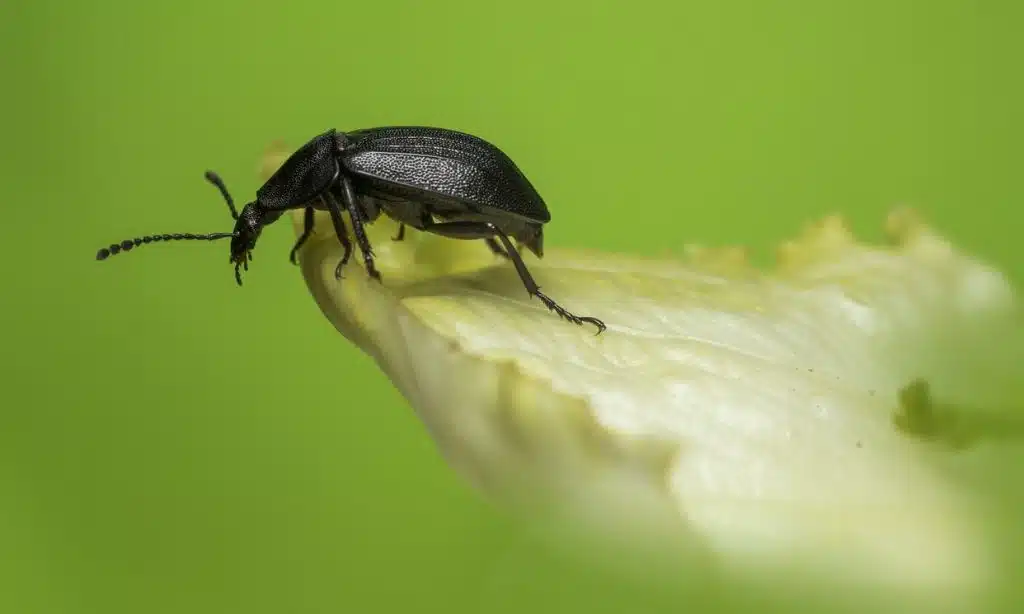
Small, shiny beetles that jump when disturbed, flea beetles primarily target young plants like tomatoes, potatoes, and eggplants.
Damage
- Shot-hole damage on leaves.
- Stunted plant growth in severe infestations.
Control Methods
- Row Covers: Protect seedlings with floating row covers.
- Trap Crops: Plant sacrificial crops to lure beetles away.
- Neem Oil: Spray neem-based solutions to deter feeding.
16. Thrips
Thrips are tiny, slender insects that attack flowers, fruits, and leaves, often leaving silvery streaks or spots.
Damage
- Leaf stippling and distortion.
- Reduced fruit and flower quality.
Control Methods
- Sticky Traps: Use blue sticky traps to monitor and control populations.
- Beneficial Insects: Introduce predatory mites or lacewings.
- Insecticidal Soap: Apply soaps or horticultural oils to affected areas.
17. Bollworms
Bollworms, also known as cotton bollworms, are major pests of cotton and other crops like tomatoes and beans.
Damage
- Bore into fruits, pods, or bolls, causing internal damage.
- Reduced yield and marketability of crops.
Control Methods
- Biological Control: Release Trichogramma wasps to target eggs.
- Crop Rotation: Alternate crops to break pest cycles.
- Pheromone Traps: Use traps to monitor and reduce populations.
18. Leafhoppers
Leafhoppers are small, wedge-shaped insects that feed on plant sap, often transmitting diseases in the process.
Damage
- Yellowing and curling of leaves.
- Transmission of viral and bacterial plant diseases.
Control Methods
- Natural Predators: Encourage ladybugs and lacewings.
- Horticultural Oils: Spray neem oil to control infestations.
- Crop Rotation: Minimize populations by altering planting patterns.
19. European Corn Borers
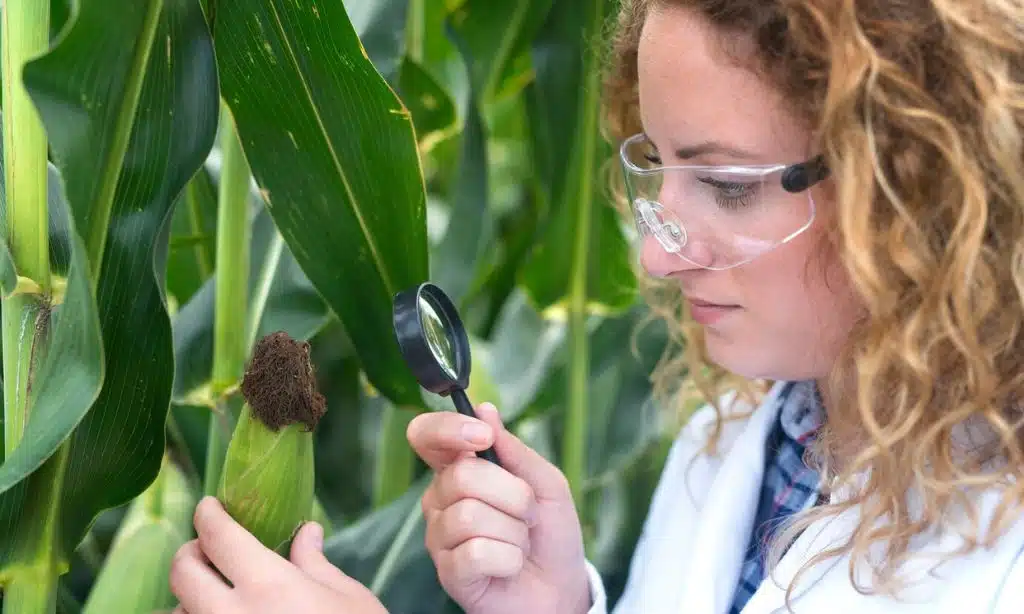
These pests are larvae that bore into corn stalks and ears, causing structural damage to plants.
Damage
- Weakened stalks, leading to lodging (falling over).
- Reduced kernel quality and yield.
Control Methods
- Resistant Varieties: Plant corn hybrids resistant to borers.
- Bt Corn: Use genetically modified Bt corn to reduce infestations.
- Biological Control: Release natural predators like Trichogramma wasps.
20. Powdery Mildew (Fungal Pest)
Powdery mildew is a fungal disease that affects a variety of crops, appearing as white, powdery patches on leaves and stems.
Damage
- Reduced photosynthesis due to leaf coverage.
- Premature leaf drop, affecting plant health.
Control Methods
- Cultural Practices: Ensure good air circulation by spacing plants properly.
- Fungicides: Use sulfur-based fungicides for effective control.
- Resistant Varieties: Opt for crop varieties bred for mildew resistance.
Takeaway
Effective pest management is a cornerstone of successful farming. The 20 common pests highlighted in this guide pose significant threats to crops on American farms, but understanding their behavior and implementing targeted control measures can mitigate their impact.
By adopting Integrated Pest Management (IPM) strategies, such as combining biological controls, cultural practices, and selective chemical treatments, farmers can maintain healthy crops while minimizing environmental harm.
Early identification, regular monitoring, and proactive measures are key to staying ahead of pest problems and ensuring a productive and sustainable farming operation.
With diligence, knowledge, and the right tools, American farmers can protect their fields from pests and secure higher yields for the future.






















