

Market volatility can be a nerve-wracking experience for investors. Unpredictable economic changes, geopolitical tensions, and unexpected global events can all create uncertainty.
During such times, commodities often become a reliable investment option. Commodities not only act as a hedge against inflation but also provide diversification and stability to a portfolio when traditional markets falter.
In this detailed guide, we will explore seven key commodities to consider investing in during market volatility. These include precious metals, energy resources, agricultural products, and more.
By understanding the unique characteristics and benefits of these commodities, you can make informed investment decisions and navigate uncertain times with confidence.
Why Invest in Commodities During Market Volatility?
Commodities are physical assets that include resources such as metals, energy, and agricultural products. They have intrinsic value and tend to perform well during periods of economic uncertainty for several reasons:
- Inflation Hedge: Many commodities, especially gold and silver, retain their value as inflation rises, protecting purchasing power.
- Diversification: Commodities often have low correlation with traditional asset classes like stocks and bonds, reducing overall portfolio risk.
- Tangible Assets: Unlike paper assets, commodities have real-world utility, making them less susceptible to market speculation.
- Global Demand: Commodities are influenced by global supply and demand dynamics, offering opportunities even during regional market downturns.
7 Commodities to Invest in During Market Volatility
Let’s take a look.
1. Gold: The Ultimate Safe Haven
Why Gold Is a Reliable Investment:
Gold has long been considered a “safe haven” asset. It is a hedge against inflation, currency devaluation, and market turmoil. Investors flock to gold during times of crisis because it maintains intrinsic value regardless of economic conditions.
Benefits of Investing in Gold:
- Stability: Gold prices tend to rise when markets are unstable.
- Liquidity: Gold is highly liquid and easily convertible to cash.
- Diverse Options: You can invest in physical gold (bars and coins), gold ETFs, or mining stocks.
How to Invest in Gold:
- Physical Gold: Purchase coins or bars from reputable dealers.
- Gold ETFs: Exchange-traded funds that track gold prices without the need for storage.
- Gold Stocks: Invest in companies involved in gold mining and production.
Risks to Consider:
While gold is stable, it doesn’t generate income like stocks or bonds. Prices can also fluctuate based on global monetary policy and central bank actions.
2. Silver: Affordable and Versatile
Why Silver Is a Smart Choice:
Silver is often referred to as “gold’s little brother” because it shares many of the same benefits but comes at a lower price point. Additionally, silver has industrial applications in electronics, solar panels, and medical devices, making its demand more dynamic.
Benefits of Investing in Silver:
- Inflation Hedge: Like gold, silver preserves value during inflationary periods.
- Industrial Use: Increased industrial demand can boost silver prices.
- Portfolio Diversification: Silver adds depth to a commodity portfolio.
How to Invest in Silver:
- Physical Silver: Buy silver coins or bars.
- Silver ETFs: Track silver market performance.
- Silver Futures: Speculate on silver price movements for higher returns.
Risks to Consider:
Silver prices are more volatile than gold due to their dual role as an investment and industrial commodity.
3. Crude Oil: Energy Market Backbone
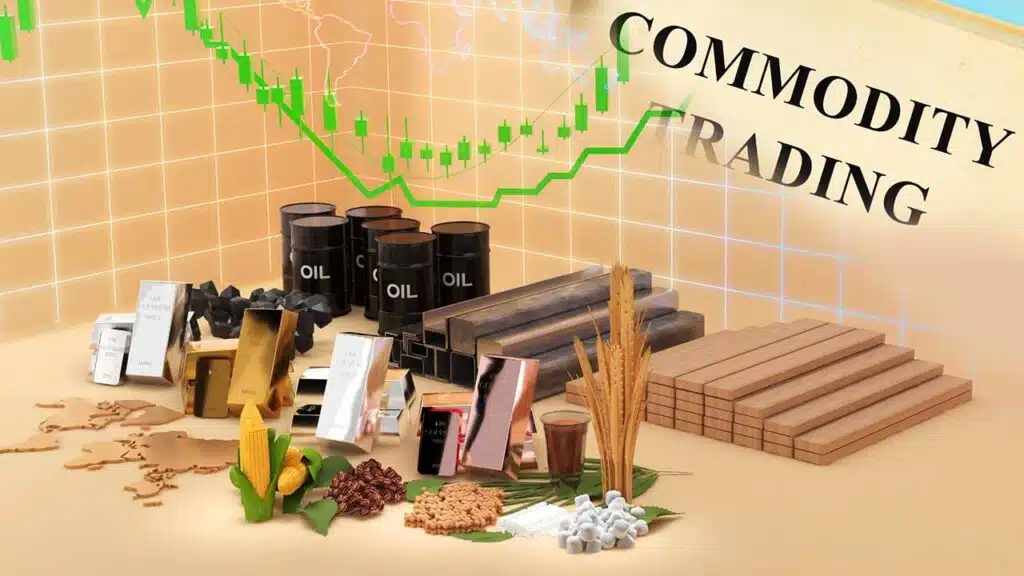
Why Oil Is a Strong Contender:
Crude oil is the foundation of the global energy market. Its price dynamics are influenced by geopolitical events, OPEC policies, and economic activity. Investing in oil during market volatility can provide substantial returns, especially when supply disruptions occur.
Benefits of Investing in Oil:
- High Demand: Energy needs ensure long-term demand for crude oil.
- Profit Potential: Price swings can create lucrative opportunities for investors.
- Diverse Investment Options: Choose from futures contracts, ETFs, or oil company stocks.
How to Invest in Crude Oil:
- Oil ETFs: Funds that track oil price indices.
- Oil Futures: Contracts to buy or sell oil at a set price on a future date.
- Oil Stocks: Shares in major oil companies like ExxonMobil or Chevron.
Risks to Consider:
Oil prices are highly volatile and affected by factors such as geopolitical tensions, environmental policies, and technological advances in renewable energy.
4. Natural Gas: Clean Energy Alternative
Why Natural Gas Is Worth Considering:
Natural gas is a vital energy source for heating, electricity, and industrial processes. As the world shifts toward cleaner energy solutions, natural gas is positioned as a transitional fuel, balancing environmental concerns with energy needs.
Benefits of Investing in Natural Gas:
- Rising Demand: Increased adoption for electricity generation and residential heating.
- Lower Carbon Footprint: Appeals to ESG (Environmental, Social, and Governance) investors.
- Price Volatility: Provides opportunities for speculative gains.
How to Invest in Natural Gas:
- Natural Gas ETFs: Funds that track natural gas futures or companies.
- Futures Contracts: Trade contracts linked to natural gas prices.
- Utility Stocks: Invest in companies that rely heavily on natural gas.
Risks to Consider:
Natural gas prices can be affected by seasonal demand, weather conditions, and geopolitical events.
5. Agricultural Commodities: Essential and Resilient
Why Agriculture Is a Wise Choice:
Agricultural commodities such as wheat, corn, soybeans, and coffee are essential to daily life. Demand for food remains consistent regardless of economic conditions, making agriculture a resilient investment sector.
Benefits of Investing in Agricultural Commodities:
- Necessity: Food is a basic need, ensuring consistent demand.
- Global Supply Chain Impact: Weather patterns, trade policies, and population growth influence prices.
- Portfolio Diversification: Offers exposure to a different asset class.
How to Invest in Agriculture:
- Futures Contracts: Trade specific agricultural commodities.
- Agriculture ETFs: Diversify by investing in funds that track multiple commodities.
- Stocks: Buy shares in agribusiness companies like John Deere or Archer Daniels Midland.
Risks to Consider:
Agricultural prices can be highly volatile, influenced by weather, pests, and geopolitical tensions.
6. Copper: The Economic Indicator
Why Copper Is a Strategic Investment:
Copper is often called “Dr. Copper” due to its ability to signal economic trends. It is widely used in construction, electronics, and renewable energy technologies.
Benefits of Investing in Copper:
- Industrial Demand: Essential for infrastructure and green energy projects.
- Global Economic Growth: Strong correlation with economic expansion.
- Renewable Energy Role: Plays a critical role in wind turbines, electric vehicles, and power grids.
How to Invest in Copper:
- Copper Futures: Trade contracts tied to copper prices.
- Mining Stocks: Invest in companies that extract copper.
- ETFs: Funds that track the performance of copper markets.
Risks to Consider:
Copper prices are cyclical and can decline during economic downturns.
7. Platinum: Precious Metal with Industrial Utility
Why Platinum Deserves Attention:
Platinum is a rare precious metal with significant industrial applications, particularly in automotive catalytic converters and jewelry. It is also seen as a valuable investment during volatile times.
Benefits of Investing in Platinum:
- Industrial Demand: High use in the automotive and industrial sectors.
- Rarity: Scarcity ensures long-term value retention.
- Diversification: Offers a balance between precious metals and industrial commodities.
How to Invest in Platinum:
- Physical Platinum: Purchase bars or coins.
- ETFs: Track platinum prices without physical storage.
- Mining Stocks: Invest in companies that produce platinum.
Risks to Consider:
Platinum prices can be impacted by technological advancements and competition from other materials like palladium.
How to Build a Commodity Investment Strategy?
- Understand Your Risk Tolerance: Commodities are volatile; assess how much risk you can handle.
- Diversify Your Portfolio: Invest in a mix of commodities to spread risk.
- Monitor Market Trends: Stay informed about global events, weather patterns, and geopolitical tensions.
- Leverage Expert Advice: Consult with financial advisors to align investments with your goals.
- Consider Long-Term Goals: Some commodities may take time to yield significant returns.
Conclusion
Investing in commodities during market volatility can safeguard your portfolio while offering opportunities for growth. From the stability of gold and silver to the dynamic demand for oil and agriculture, commodities provide a valuable hedge against economic uncertainty.
By understanding each commodity’s unique characteristics and aligning them with your financial goals, you can navigate volatile markets with confidence and resilience.
Start diversifying your portfolio today by exploring these seven commodities. In uncertain times, they could be the key to securing your financial future.





















