

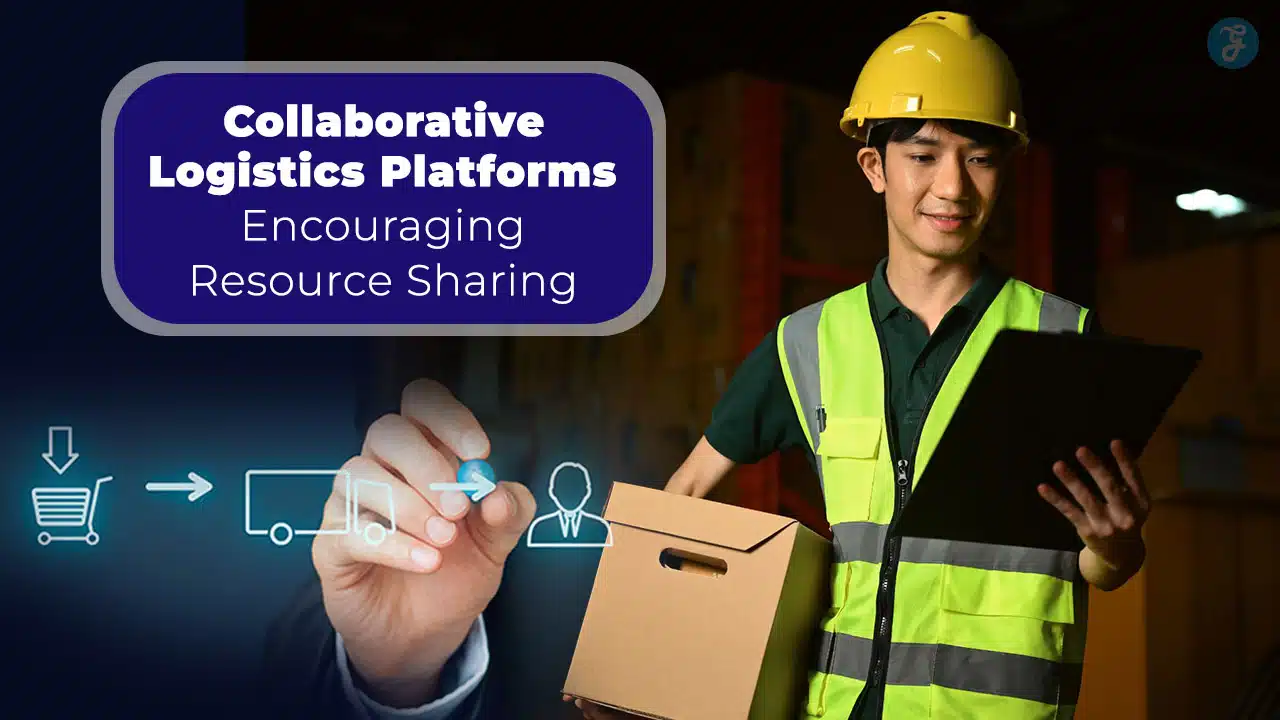
Your supply chain may waste fuel and cash when trucks run empty. Some reports show firms save up to 20 percent with collaborative logistics. This post looks at ten digital platforms that link shippers and carriers, boost resource optimization, and cut carbon footprints.
Read on.
Key Takeaways
- Flexe taps idle warehouse bays with sensors and machine learning, cutting logistics fees by about 20% and slashing CO₂ emissions through better space use.
- Convoy’s digital freight matching raises truck load from 57% capacity, cuts empty miles by up to 35%, cuts greenhouse gas by 40%, and trimmed a Chicago electronics run’s empty leg miles by 64%.
- Transplace links its TMS with a truckload optimizer and machine learning to shave nearly 20% off transport miles and CO₂, while boosting service levels 5–10% under new EU collaborative‐logistics rules.
- Uber Freight and Cargomatic use cloud tools, AI, and blockchain to cut idle miles, trim freight costs by around 20%, and cut local CO₂ by up to 20% through electric vans and shared backhauls.
- Freightos, Shipwell, and Flock Freight pool less-than-truckload loads to cut rates 20–30%, save up to 57% on shipping, and reduce carbon footprints by up to 54%—efforts praised by the WEF and tested in France.
Flexe: Enabling On-Demand Warehousing Solutions
Flexe taps idle warehouse bays so cargo finds slots fast. It uses core IT systems, sensors and logistics technology to share data and drive insights. Machine learning systems flag open areas and smart tags track stock in real time.
Shippers cut logistic fees by about 20 percent and hit resource optimization targets. Horizontal collaboration among suppliers gains scale, while digital transformation of warehouse management boosts synergy.
Implementation unfolds as a phased pilot in a city hub, then scales across supply chain management routines. Third party logistics providers keep all staff and reap soft savings through better data.
These digital platforms drive sustainable supply chains and slash co2 emissions, aiding decarbonization and carbon footprint reduction goals. Less-than-truckload loads ride return runs to trim empty miles and bolster cargo flow.
Convoy: Connecting Shippers and Carriers for Efficient Freight Sharing
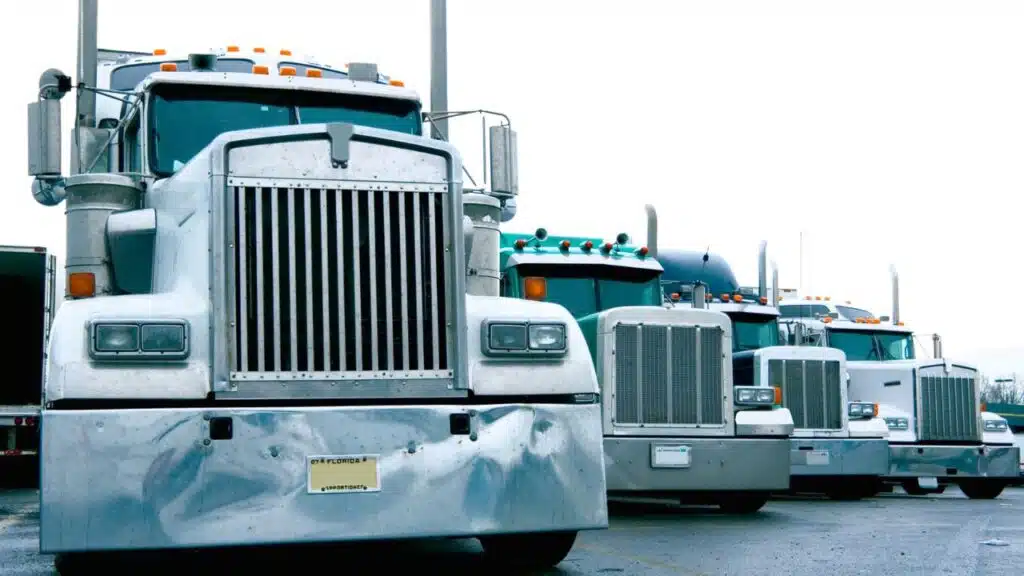
Convoy matches shippers and carriers with live data on a cloud platform. It uses telematics and IoT devices for real-time tracking, so trucks spend less time empty. A typical truck runs at just 57 percent capacity, with up to 35 percent of miles driven without freight.
Digital Freight Matching cuts those empty miles, it maximizes truck usage. Route planning via the mobile app makes each shipment a win for resource optimization. A shipper in Seattle got her load to Los Angeles with one truck instead of three.
That move felt like a jigsaw puzzle snapping tight. Carriers fill less-than-truckload shipments with other loads. Supply chain partnerships pop up across regions, boosting horizontal collaboration.
Convoy also pools shipments to slash greenhouse gas emissions by up to 40 percent. A truckload of electronics from Chicago joined other packages, so it cut empty leg miles by 64 percent.
That haul once needed 30 runs; now it needs one. Real-time visibility and GPS tracking let carriers reroute in minutes, driving carbon footprint reduction. The platform taps advanced algorithms to blend loads, it lifts margins for third-party logistics.
A retailer told us that freight costs fell by 15 percent, no exaggeration. Drive time shrank, schedules tightened, and service hit higher marks. User feedback raves about cost savings and agile service, all thanks to collaborative logistics.
Transplace: Optimizing Supply Chains with Collaborative Logistics
The platform ties Transportation Management Systems (TMS) to load and route planning, guiding trucks on roads. It uses a truckload optimizer that packs pallets and cuts transport costs, shaving near 20 percent of miles and CO2.
A sensor network gathers road and warehouse data, and machine learning reroutes loads in seconds. Retailers see service levels rise 5 to 10 percent.
EU law now backs collaborative logistics, so global supply chain management hits new heights. Partners link on the digital platform to pool ltl freight and boost resource optimization.
That move drives carbon footprint reduction and lifts environmental sustainability and reputation.
Uber Freight: Simplifying Freight Shipping Through Technology
Shippers and carriers book full loads or less-than-truckload cargo in seconds on a digital platform. Cloud tools and real-time data analytics slice idle mileage, trim costs, and drive carbon footprint reduction.
Blockchain records every transaction in an open ledger, so partners trace shipments, boost security, and trust each other in horizontal collaboration.
AI-driven analytics scan freight lanes, pack trucks at top capacity, and slash freight rates. Automated compliance and document checks handle permits with no fuss, freeing teams to focus on resource optimization.
Strong governance across logistics services invites nonprofits or social entrepreneurs to join, spark synergies, and fuel a green transition.
Cargomatic: Bridging Local Shippers and Carriers Seamlessly
Small business owners often juggle stray loads and spotty schedules. Cargomatic links local shippers to nearby carriers through a user-friendly digital platform. The system tracks every move in real time, leaving no guesswork in supply chain partnerships.
Drivers and dispatch teams chat instantly via built-in messaging, so updates flow like water. Orders land at major department stores on time, since arrival slots sync across all users.
The network uses trucks, electric vans, or even short rail legs, shifting gear to cut last-mile delays.
Pooling freight slashes mileage and cuts CO2 by up to 20 percent for local runs. Carriers shift to electric vans and short rail legs, speeding sustainable supply chains. Businesses trade empty backhauls for shared loads, boosting resource optimization through horizontal collaboration.
Staff swap data effortlessly, thanks to robust digital communication and real-time information exchange. Getting everyone on board demands a culture shift among logistics managers.
Still, the environmental wins show why joint runs pay off.
Freightos: Streamlining Global Freight Booking and Management
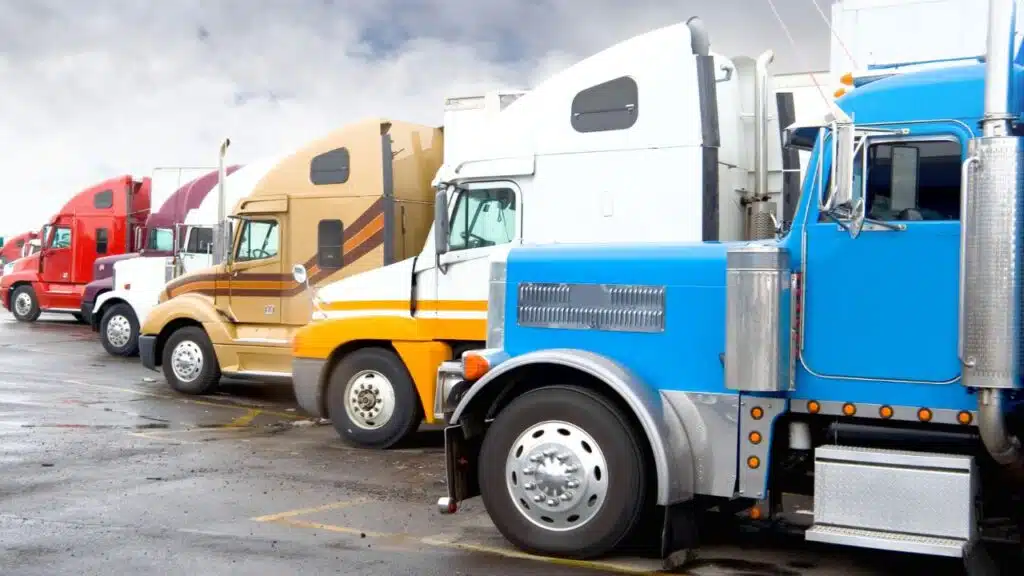
Freightos shakes up logistical workflows and global freight booking with a logistics technology platform. It brings shippers and movers onto one logistics platform. Users spot sea and air rates in real time, then book in minutes.
Merging less-than-truckload orders shows smart resource optimization. Each operator pays only for the space they need. That cuts costs by 20 to 30 percent while speeding transit times.
Platform links to IoT sensors so teams track cargo on a live map. It taps blockchain to secure international trade records. Smart route planning fights pollution and helps with carbon accounting.
Higher handling adds risk of product damage, a trade-off against lower rates. Global consolidation smooths inventory in local markets, easing supply chain partnerships. Stakeholders share shipment data under trust, boosting horizontal collaboration and sustainable supply chains.
This collaborative logistics network spurs social innovation and gives firms a competitive advantage in the fight to decarbonize international trade.
Shipwell: Integrating Freight Management with Real-Time Visibility
Shipwell links data points from trucks, shippers, and ports into a live map. Centralized info and document sharing rest in a cloud service. API links feed the system so teams cut hours of back-and-forth.
Performance analytics and machine learning track on-time delivery, service quality, and resource optimization for continuous improvement in the supply chain. A solid IT network powers each status update and pings stakeholders with fresh insights.
The platform automates customs filings and manages paperwork for both local purchasing and global e-commerce loads. It supports horizontal collaboration, lets carriers pool less-than-truckload loads, and drives carbon footprint reduction by trimming empty miles.
Training modules and change management workshops help staff adopt new logistics technology without headaches. Organizations see spillover effects, like job creation in nearby agglomerations and richer knowledge sharing across supply chain partnerships.
Flock Freight taps AI models to match loads. It groups goods from multiple shippers into truckloads. This less-than-truckload pool uses third-party logistics providers. Vehicles at full capacity cut emissions by 43% per unit.
That method drives carbon footprint reduction by up to 54%. Carriers also save 57% in shipping costs. Digital platforms enable tight supply chain partnerships. Teams win on resource optimization and collaborative logistics.
AI, IoT and blockchain work in sync for shared shipping. Sensors track each cargo container in real time. A shared ledger logs every shipment step, boosting data privacy. New governance models protect partner information.
Companies adopt decarbonizing strategies across transport networks. Collaborative transportation cuts greenhouse gas by as much as 54%. Horizontal collaboration needs clear rules and firm oversight.
Logistics technology drives sustainable supply chains and market competition.
Takeaways
These ten platforms cut costs and emissions, and they strengthen supply chains. They join shippers and carriers, pool less-than-truckload loads, and use AI with cloud computing. Each solution sparks resource optimization, like neighbors sharing a lawn mower.
Teams slash their carbon footprint and see budget gains, a true win-win. Global forums, like the WEF, praise these collaborations and test runs in France. Logistics technology will build on these ideas, filling empty miles and fueling greener routes.
FAQs
1. What are collaborative logistics platforms?
They are digital platforms, they link firms in a supply chain, sharing loads, space, and transport. It is like a carpool for boxes. These tools use logistics technology, they track less-than-truckload (ltl) moves, they boost resource optimization.
2. How do these tools aid sustainable supply chains and reduce carbon footprint?
They match cargo, cut empty runs, trim miles. They drive carbon footprint reduction, they address climate change head on.
3. Who can take part in supply chain partnerships on these networks?
From e commerce stores to a big drug maker, any firm can join. They gain horizontal collaboration, they shape their value propositions, they test new strategy, they find fresh routes.
4. Can you volunteer freight or coworking space on these platforms?
Yes, you can volunteer spare truck slots or even pallet spots in a coworking space warehouse. You list your space, you set terms, you link with partners, you earn small fees, you cut waste.
5. What role does the world economic forum play in this area?
The world economic forum, or the wef, backs pilot projects, it shares best practice, it sets goals for climate change, it helps firms align their strategy with greener, leaner supply chains.






















