


Have you ever felt a little out of place during the holidays? Maybe the commercial rush feels overwhelming, or you worry that your specific traditions don’t fit the “standard” mold. You aren’t the only one feeling this way.
But here is a warming fact: 81% of non-Christians in the United States still join in Christmas festivities. That number jumps to nearly 90% when looking at all Americans, proving this season is less about a single belief and more about a shared human need for connection.
In this guide, I’m going to walk you through how “Christmas Belongs To Everyone.” We will look at why this holiday heals divides, how stories like Santa Claus and St. Nicholas teach us universal lessons, and—most importantly—how you can spread serious cheer without spending a fortune.
So, grab a cup of hot cocoa, and let’s explore how we can all share in this joy together.
Key Takeaways
- It really is for everyone: Data from the Pew Research Center shows that 81% of non-Christians in the US celebrate Christmas, proving it has evolved into a cultural touchstone for unity beyond just religious faith.
- Science backs the joy: Watching classic stories like The Grinch or A Christmas Carol actually triggers a “nostalgia bias,” which psychologists say helps lower stress hormones and improves cardiovascular health.
- Traditions are flexible: Families blend customs beautifully, from “Chrismukkah” celebrations to lighting candles on January 6th, proving there is no single “right” way to celebrate.
- Giving heals the giver: Participating in charity, such as donating to Feeding America or local food banks, releases dopamine in the brain, creating a “helper’s high” that combats holiday blues.
- Connection costs nothing: You can build community with low-budget ideas like a “Hot Chocolate Bar” or a $10 White Elephant exchange, valuing time spent together over expensive gifts.
The Universal Spirit of Christmas
People everywhere feel something change when Christmas comes. It is as if the world softens, just a little. From ancient Rome’s wild Saturnalia to the modern figures of St. Nicholas and Santa Claus, history shows us that this season has always been about warming the human spirit against the cold.
Themes of Kindness, Generosity, and Hope
Santa Claus and St. Nicholas are more than just characters; they are symbols of a universal truth. They show us that simple acts of giving can light up the darkest winter days. This isn’t a new idea. Across the Roman world, families gathered to share food with neighbors and strangers alike during mid-winter festivals.
Opening your heart might sound simple, but it has profound effects. Psychologists have found that the act of giving triggers the brain’s reward center, releasing feel-good chemicals like oxytocin. This means that when you reach out to a lonely friend or donate to a cause, you are physically lifting your own spirits too.
Charities such as Christmas For Everyone work tirelessly to ensure no one is left behind. Supporting these groups fights what some call “disability of spirit,” a kind of loneliness that is often harder to bear than physical pain. Whether you connect with the nativity story of Christ’s birth or simply the human need for hope, the result is the same: we feel better when we care for each other.
Reconnecting with loved ones helps heal old wounds. It makes bonds stronger and keeps hope alive every single year.
People celebrate many parts of Christmas, like sharing music, exchanging gifts, and watching fun movies, regardless of their spiritual background. These activities connect people across faiths in a powerful way.
Sairah A., for example, joins both Christmas and Eid festivities with friends at work. She uses these times to teach others about her beliefs and listen to them too, creating a two-way street of respect.
“For Nabeela Rasheed, the joy is real; she sees love between neighbors as a gift that goes beyond toys under a tree or holiday sales.”
The holiday spirit comes alive whenever people help someone who needs it. It happens when you invite everyone into your home without asking what they believe about Christ’s birth or the history of the pope. Phoebe Farag Mikhail talks with her Muslim friend Eman about why so many join Christmas celebrations. They find common ground in the joy of the season, even though they follow traditions different from those taught by Jesus’ birth or Augustus Caesar’s Rome.
Music like “It Came Upon the Midnight Clear” fills public spaces, and people chat over warm drinks regardless of their background. Sometimes they even quote lines from How the Grinch Stole Christmas! Sharing kindness beats arguing over old history books on Roman gods or debating which emperor—like Domitian or Vespasian—influenced early customs.
Every smile given during this season helps heal old wounds left by labels. It breaks down walls built between cultures and beliefs, one small act at a time.
Inclusivity in Christmas Celebrations
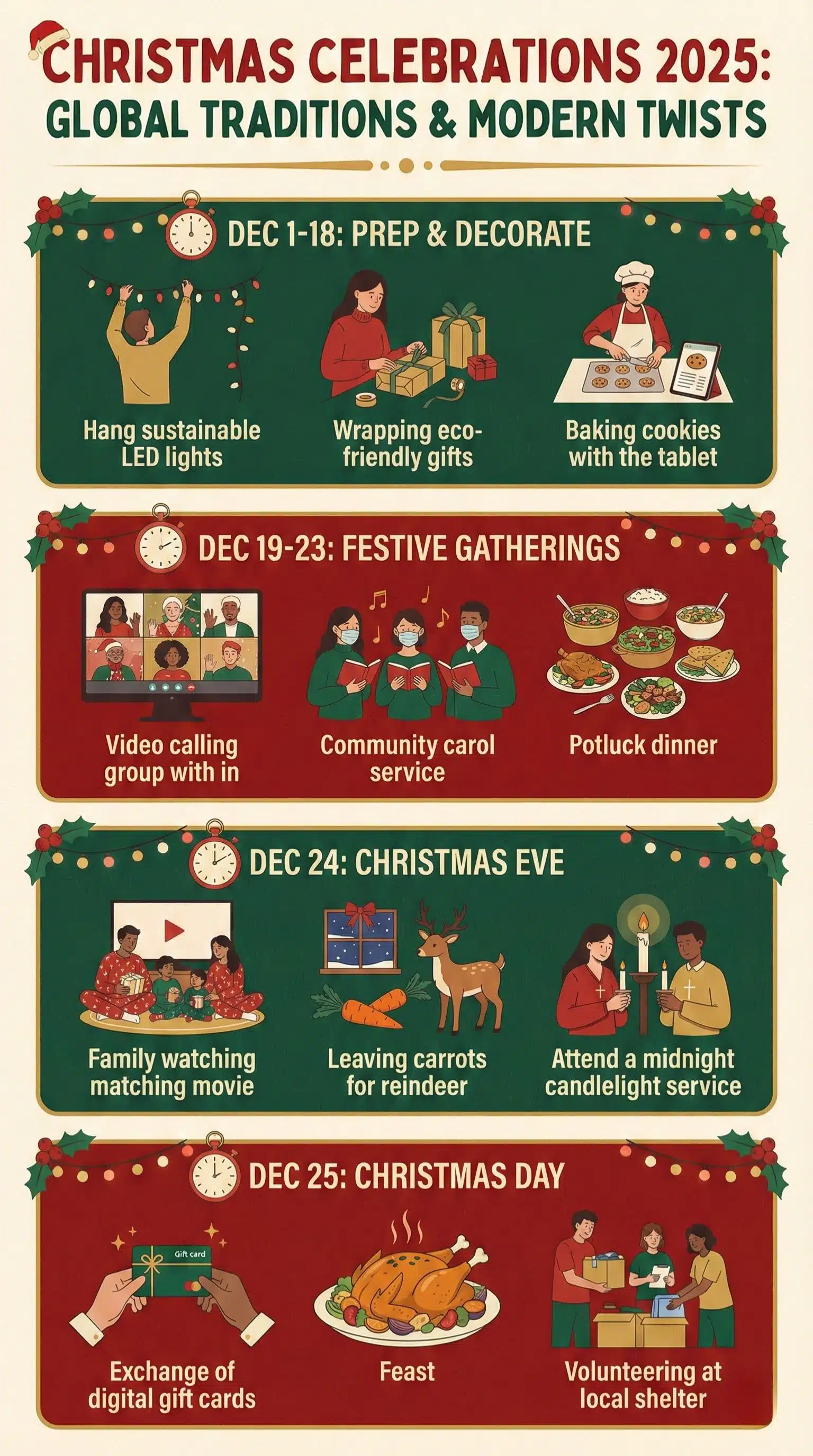
Christmas fills homes, mosques, and temples with cheer from every walk of life. Today, you might see Christmas albums playing beside menorahs or near a kinara, proof that traditions can blend like holiday cookies on one big plate.
This mixing of customs isn’t just happening in big cities; it is happening in living rooms across the US.
Welcoming All Cultures and Beliefs
Maryam Mirza grew up in Pakistan, yet her home sparkled each December. Her mother’s Christian friend brought tinsel, music, and a welcoming spirit right into their living room. They shared food and laughter during the Nativity of Christ season, proving that hospitality has no borders.
Mikhail’s parents recalled Egypt, where Muslim neighbors might acknowledge Christmas Eve but stayed respectful from afar. Today, that respect often turns into active participation.
Opening homes to friends with different beliefs matches the story of St. Nicholas. He was known for his kindness long before the modern image of Santa Claus was ever imagined. Coptic Orthodox families like Phoebe Farag Mikhail’s mark January 6th as Jesus’ birth instead of December 25th. This shows that traditions can vary widely even among Christians themselves.
Pew Research Center reports say about a third of people feel stress during holiday time. At the same time, many non-Christians join celebrations simply out of friendship and community spirit instead of religion alone. The First Church of Christ, Scientist, celebrates quietly, while others might sing along to popular holiday hits or retell stories like “Amahl and the Night Visitors.”
Each household adds its own touch to these old customs. Just as Julius Caesar or Augustus charted new traditions in ancient Rome, families today are turning one religious festival into something everyone can share.
The Cultural Evolution of Christmas Traditions
Christmas has seen many changes over time, and understanding this history can help us feel more included. It reminds us that no one “owns” the date.

| Era/Figure | Historical Connection | Modern Parallel |
|---|---|---|
| Ancient Rome (Augustus) | Celebrated Saturnalia (Dec 17-23) with feasting and gift-giving. | Our modern holiday parties and office gift exchanges. |
| Emperor Caligula | Extended the holiday festival to five days to keep the party going. | The “Holiday Week” between Christmas and New Year’s. |
| Pope Julius I | Selected December 25th to align with existing mid-winter festivals. | The blending of secular and religious customs we see today. |
In ancient Rome, Augustus was called the “son of god,” and people celebrated his birth with songs and feasts. Later, the story of the birth of Christ began to blend with these customs. Christian leaders, such as Pope Julius I, picked December 25 for Christmas long after St. Nicholas lived in what is now Turkey.
Some say this date matched Roman holidays led by figures like Quirinius or was influenced by the solstice. But the specifics matter less than the feeling.
Music and movies made Christmas bigger each decade. Perry Como sang “Home for the Holidays” in the 1950s; Brenda Lee rocked around her tree in the 1960s. Santa Claus starred in films that showed hope and kindness to all families worldwide.
Even TV specials like “A Charlie Brown Christmas” shared deeper meaning beyond gifts or shopping sprees. Today, everyone from all walks celebrates together—sharing food, singing carols, and telling stories about miracles and simple joys. This happens just like Josephus wrote centuries ago or Virgil hinted at through poems before Christian Science even existed.
Lessons from Christmas Stories
Stories like these show how a little kindness can melt even the coldest heart—just ask Scrooge or that green Grinch. Each tale hands us keys, specifically generosity and hope, that open doors for everyone during Christmas, no matter where we start.
Charles Dickens’ A Christmas Carol
Scrooge starts out cold and stingy. He cares only about money. But his journey is a powerful reminder that it is never too late to change. Ghosts visit him on Christmas Eve and show him the pain his actions cause others.
The story, set in London, takes place during a time of big social change in the 1800s. It mirrors the harsh rule of leaders like Emperor Henry IV in its depiction of suffering.
After seeing the suffering around him, Scrooge learns that kindness can heal hearts. Dickens’s tale highlights how caring acts make communities stronger at Christmas. The transformation from miser to friend shows the true spirit of St. Nicholas—a symbol tied to Santa Claus himself—and echoes values that go beyond religion or class.
People still read this book today because its message of hope and goodwill never gets old. It persists just like traditions passed down each December 25th since Augustus’s time as Octavian marked holidays with joy for all people.
The Message in How the Grinch Stole Christmas!
Dr. Seuss’s How the Grinch Stole Christmas! shows that Christmas is not about gifts or fancy things. The story follows the Grinch as he tries to stop Christmas by taking away presents from Whoville, but people still sing and celebrate together anyway.
His small heart grows with love after seeing their joy, proving the real spirit of Christmas lives in kindness and belonging. Psychologists actually refer to this as “elevation”—that warm feeling you get when you witness acts of moral beauty.
- The Lesson: Joy comes from community, not commerce.
- The Action: Focus on who is in the room, not what is under the tree.
- The Result: Like the Grinch, we find our capacity for love expands.
People see this classic on television each year, making it a key part of American holiday culture. The Grinch’s change reminds us all that anyone can be welcomed if they open their hearts. Santa Claus and St. Nicholas would both cheer for such goodwill! True happiness comes from being with others, not from what we own, just like Dr. Seuss hoped to teach through this beloved story.
How to Embrace the Spirit of Christmas
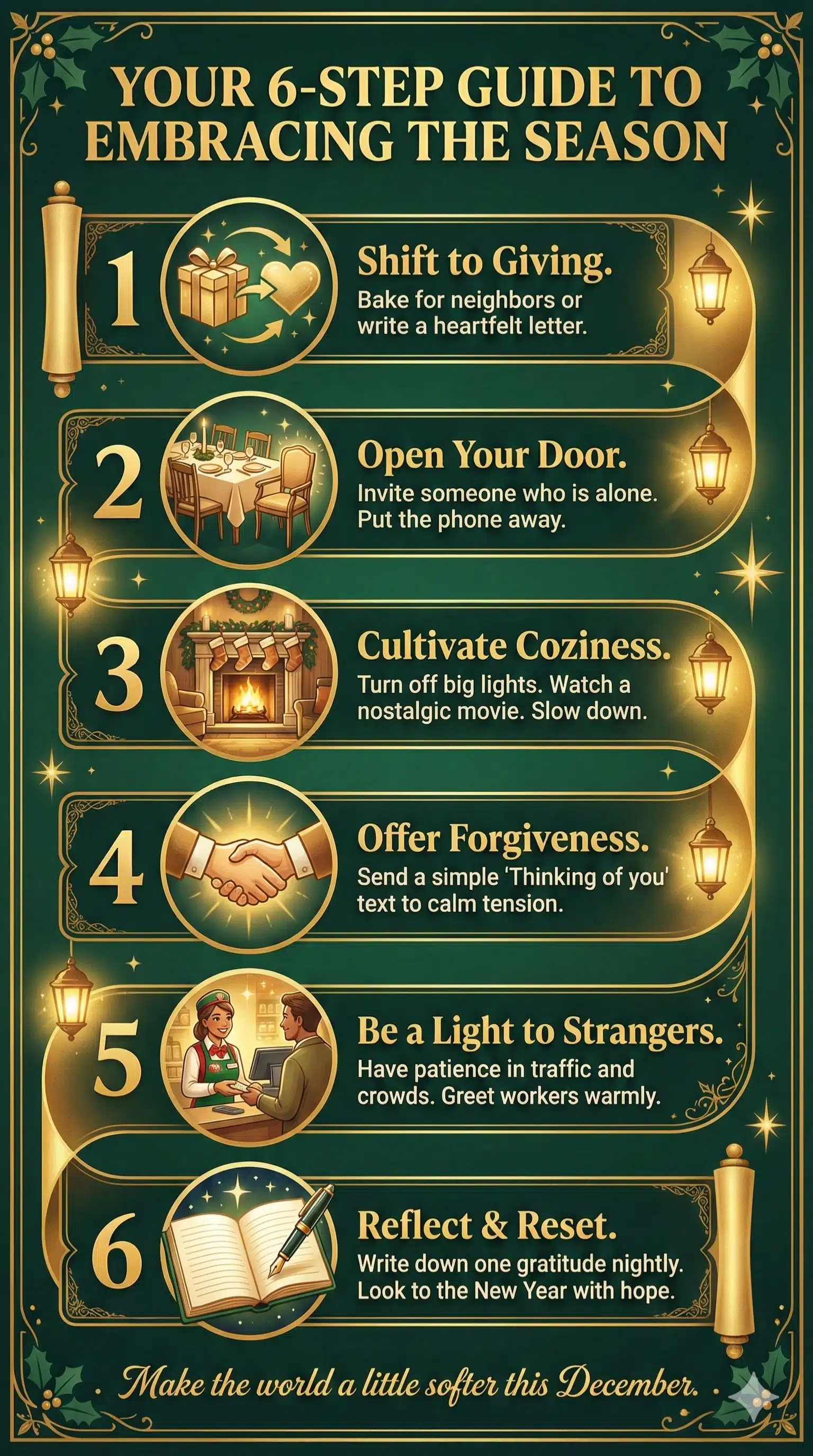
You can light up someone’s day with a small act, much like St. Nicholas once did. Grab your favorite Christmas story, gather friends or family near the tree, and let the joy spread faster than Santa Claus on December twenty-fourth.
Sharing Kindness and Helping Those in Need
Santa Claus is not just a story. Santa shows us how to care for others, even strangers. St. Nicholas shared gifts with poor children long ago, and that kindness shaped our Christmas spirit today.
Groups like Christmas For Everyone help people who need food or warmth during the holidays. A simple meal, a small gift, or even just listening can lift someone’s heart. In the US, organizations like Feeding America report that 47 million people face hunger; volunteering with them is a powerful way to give back.
Some families are separated by miles or military service; many miss loved ones during December. Reach out with calls or cards; these acts say “I remember you.” This season honors those returning from conflict and also reminds us of those who did not come home—showing gratitude is another way to spread hope.
Many feel invisible because of what some call a “disability of spirit,” which harms more quietly than any wound you see. A kind word heals more than we know. Even without big plans, open your door or join hands at church, school, or community events since every bit of caring helps heal old hurts as much as it warms cold winter nights.
Celebrating Together with Family and Community
Singing carols in a group lights up faces, even on cold nights. People of all ages join hands at the table to share meals, laughter, and stories. Mikhail and her husband keep it simple for their children: only a few decorations, just a handful of gifts, and time spent retelling the story of St. Nicholas instead of Santa Claus.
Some families blend Christian, Jewish, or secular backgrounds like mine does each year; others celebrate both Christmas and Eid, as Sairah A. does with her workplace crowd.
Here are three budget-friendly ways to build community this year:
- Host a “Hot Cocoa Bar”: You don’t need a caterer. Just set out hot chocolate, marshmallows, and candy canes. It feels luxurious but costs very little.
- The $10 White Elephant: Set a strict low budget for a gift exchange. The challenge of finding something great (or funny) for $10 adds to the fun and removes financial pressure.
- Potluck Movie Night: Invite friends over for a movie marathon. Ask everyone to bring one snack to share. It’s about the time spent, not the money spent.
Many non-Christians take part for the joy of giving and being together. Chosen families matter too—friends gather if relatives live far away or ties are strained. Favorite movies play on repeat while kitchens buzz with December cheer.
Each tradition builds community spirit whether you follow Augustan customs from old Rome or swap tales about Horace over cocoa under blinking tree lights set out as early as late November’s first snowflake falls.
Takeaways
Christmas does not care where you come from or what you believe. It shines brightest when we help others, share a meal, or offer forgiveness. Stories like Santa Claus and St. Nicholas teach us to give with open hearts, year after year.
When kindness sits at the holiday table, even old grudges melt away faster than snow on a sunny street. As lights glow in homes across town and globe alike, may this season remind each of us that togetherness is the true gift worth unwrapping.






















