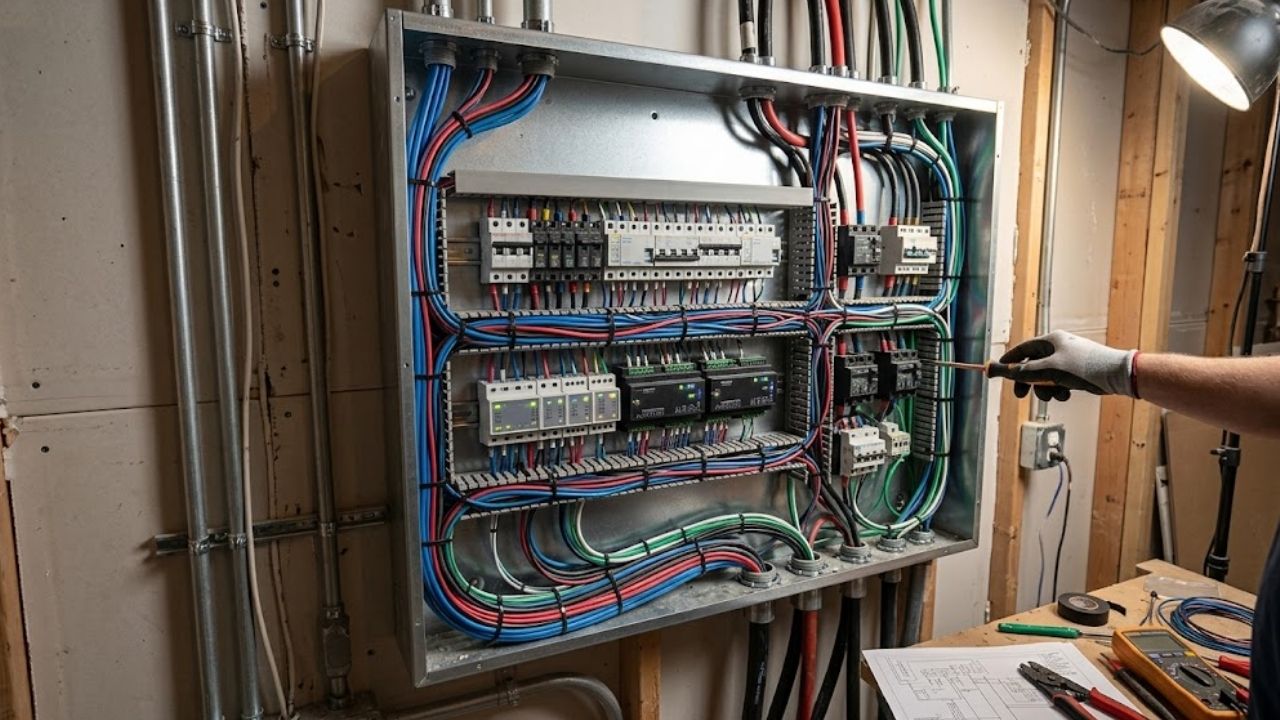

The push for sustainable and reliable energy is happening right now across the globe as nations rush to update their aging power grids. Governments are racing to fight climate change while simultaneously trying to keep electricity prices stable for regular families and businesses. The federal government recently stepped up to decarbonize the national power grid to ensure the power running our homes stays completely clean.
These new rules balance aggressive green goals with real-world economic needs so that the lights actually stay on during those freezing winter storms. Grasping the intricate details of the Canada Clean Electricity Regulations helps homeowners, business owners, and local policymakers plan properly for what comes next. The entire energy landscape is shifting rapidly, and falling behind on this information can leave municipalities and investors totally unprepared. Transitioning a massive national grid requires everyone to understand exactly how these policies influence daily life and long-term financial health.
| Key Theme | Description | Target Audience |
| Global Shift | Nations updating aging power grids | Global policymakers |
| Federal Action | Decarbonizing the national system | Canadian citizens |
| Core Balance | Mixing green goals with economics | Energy sector workers |
| Main Policy | Canada Clean Electricity Regulations | General public |
What Are The Canada Clean Electricity Regulations?
You might wonder what these specific federal rules actually do on a daily basis to change how your lights turn on. They act as the primary engine driving the entire country away from a heavy reliance on dirty fossil fuels toward a fully clean power setup. Instead of slamming the brakes on natural gas and coal overnight, the government built a highly flexible framework with strict emissions limits that phase in slowly over time. This phased approach gives utility companies the breathing room they desperately need to upgrade their gear and shift to wind, solar, and nuclear power.
The ultimate goal is to provide absolute regulatory certainty so the energy sector can confidently invest billions of dollars into major infrastructure projects without fearing sudden policy changes. This means power companies can plan their transitions logically without suddenly hiking up your monthly utility bill to cover rushed mistakes. By setting clear boundaries now, the policy prevents future chaos and ensures a smooth ride toward a sustainable power supply.
| Feature | Details | Benefit |
| Approach | Phased and highly flexible timeline | Prevents sudden electricity price spikes |
| Main Target | Lowering heavy greenhouse gases | Cleaner air and a stabilized environment |
| Method | Strict annual emission limits | Forces continuous industry innovation |
| Energy Mix | Wind, solar, nuclear, and hydro | Long-term grid stability and reliability |
15 Critical Facts You Need to Know
Digging into a massive federal policy document can feel completely overwhelming for someone who does not work in the energy sector. We broke down the absolute most important details to show you exactly how these rules work and who they directly impact going forward. From massive financial support packages to special customized rules for tiny rural towns, there is a whole lot of information to unpack here.
Reviewing these facts gives you a crystal clear picture of how the federal government plans to reach a fully net-zero grid by 2050. Let us explore the core elements driving this massive energy transition so you can understand where your tax dollars and utility payments are going. You will quickly see that this is not just an environmental crusade, but a massive economic overhaul designed to modernize the entire country.
| Category | Fact Numbers | Focus Area |
| Timeline | 1, 2, 10 | Implementation deadlines and lifespans |
| Economics | 4, 5, 6, 15 | Government funding, jobs, and savings |
| Technology | 3, 11 | Neutral approaches and carbon capture |
| Flexibility | 7, 8, 9, 12, 13, 14 | Offsets, local exemptions, and reliability |
1. Officially Finalized in December 2024
After years of intense public debates and pushback from various industry leaders, Ottawa officially locked in the final text of the Canada Clean Electricity Regulations in December 2024. The federal government spent months listening to the loud concerns of provincial grid operators who feared the original drafts were far too strict and fast-paced. By revising the drafts, they added much-needed breathing room to prevent utility companies from failing under impossible deadlines. Securing these exact rules gave regional power providers the precise target they needed to map out massive future construction projects.
You simply cannot build a multi-billion-dollar power plant without knowing the exact legal limits it will face decades from now. This finalization effectively ended a frustrating waiting game that was stalling private investment across the energy sector. Now that the ink is dry, the clock is officially ticking on the largest national infrastructure upgrade in modern history.
| Action Taken | Date Completed | Industry Impact |
| Draft Revisions | Mid to late 2024 | Addressed provincial grid concerns |
| Final Text Locked | December 2024 | Ended massive regulatory uncertainty |
| Project Planning | Post-December 2024 | Unlocked delayed private energy investments |
| Implementation | Rolling timeline | Starts the massive national infrastructure upgrade |
2. Targeting a Net-Zero Grid by 2050
Early drafts of this policy floated 2035 as a hard and fast stop for all dirty power generation across the board. However, the final rules rolled out a much softer, phased approach aiming for an absolute net-zero grid by the year 2050 instead. The year 2035 still matters heavily because that is when the strictest limits hit newly built generation units coming online. Older power plants get a much longer runway to wind down their operations, which prevents total grid chaos and wasted taxpayer money.
Pushing the ultimate finish line to 2050 lines up perfectly with broader international climate pledges made by the federal government. It reflects the real-world math and intense physical labor required to replace massive pieces of national infrastructure safely. This longer timeline guarantees that the transition happens smoothly without causing regional power shortages.
| Milestone Year | Target Description | Operational Impact |
| 2035 Goal | Strict limits on newer facilities | Forces new builds to be completely clean |
| Extended Runway | Allowances for older grid assets | Prevents stranded assets and wasted funds |
| 2050 Goal | Absolute net-zero national grid | Aligns with international climate pledges |
| Overall Strategy | Slow and phased transition | Avoids regional power shortages and chaos |
3. A Technology-Neutral Approach to Emissions
The government actively refused to play favorites with specific power generation sources when drafting these new laws. The rules do not ban natural gas outright or demand that every single utility company buy solar panels right this second. They establish an absolute annual emissions limit based entirely on how much power a specific facility actually generates. As long as a power plant keeps its carbon output below that strict legal cap, it gets to stay open and sell electricity.
This clever strategy pushes energy companies to invent better pollution scrubbers and cleaner fuel blends rather than forcing them down one narrow path. It trusts the free market and talented engineers to find the cheapest and most efficient ways to cut pollution. By remaining neutral on the technology, the government encourages fierce competition and rapid innovation.
| Policy Feature | Mechanism | Market Result |
| No Outright Bans | Focuses on pollution, not fuel types | Keeps current natural gas plants operational |
| Emission Caps | Limits based on power generation | Forces continuous facility upgrades |
| Neutral Stance | Does not favor wind over solar | Lets local markets choose the best option |
| Innovation Push | Rewards cleaner operational blends | Encourages fierce engineering competition |
4. Backed by Over $60 Billion in Federal Support
Changing out an entire country’s power system costs an absolute fortune that utility companies cannot cover alone. Ottawa promised over $60 billion in deep funding and tax breaks so regular people do not end up paying for the whole thing through skyrocketing utility bills. This massive pile of money includes a heavy 15 percent refundable clean electricity investment tax credit for building low-emission power stations.
Companies buying clean tech gear can also tap into a separate 30 percent tax credit to dramatically lower their upfront purchase costs. These financial tools make building massive wind farms and grid-scale battery storage facilities much cheaper and faster to execute. Without this federal cash, the cost of the green transition would completely crush local utility providers. The funding acts as a massive shock absorber for the national economy.
| Funding Type | Amount / Rate | Purpose |
| Total Support | Over $60 billion | Protects ratepayers from massive bill hikes |
| Investment Credit | 15 percent refundable | Subsidizes new low-emission power stations |
| Tech Credit | 30 percent tax credit | Lowers upfront costs for clean tech gear |
| Economic Impact | Massive market subsidy | Acts as a financial shock absorber for utilities |
5. Protecting Household Energy Affordability
Many people naturally worry that strict green rules will make everyday life significantly more expensive. The hard financial data actually shows the exact opposite trend for your overall household energy spending over the next decade. Upgrading the grid means more folks can comfortably switch to electric cars and highly efficient home heat pumps.
Swapping a gas guzzler for an EV and a dirty oil furnace for a heat pump slashes your total monthly energy costs by hundreds of dollars. Federal math projections show that 84 percent of households will ultimately save money on their combined energy bills. This transition puts billions of dollars back into the pockets of regular citizens over the long run. The initial costs of the grid upgrade are heavily outweighed by the daily savings of dropping fossil fuels.
| Expense Category | Transition Effect | Financial Outcome |
| Electricity Rates | Minor initial market fluctuations | Kept stable by massive federal subsidies |
| Vehicle Fuel | Shifting from gas to electric | Drops monthly commuter spending heavily |
| Home Heating | Swapping oil for heat pumps | Reduces expensive winter heating bills |
| Overall Budget | 84 percent of homes save money | Puts billions back into local economies |
6. Driving Job Creation and Economic Growth
This massive energy shift operates as one of the largest blue-collar jobs programs in the history of the country. Upgrading thousands of miles of power lines and building new generation facilities creates steady work for engineers, construction crews, and maintenance teams. The massive tax credits we mentioned earlier tie directly to strict labor rules to protect the working class. Companies only get the full financial payout if they pay fair prevailing union wages and hire registered apprentices for the job.
This ironclad guarantee ensures the green transition builds up the middle class instead of leaving industrial workers behind in the dust. It transforms a climate policy into a massive engine for local economic growth and skill development. Communities hosting these new power projects will see a massive influx of well-paying, multi-year contracts.
| Economic Driver | Mechanism | Community Benefit |
| Construction | Building new generation facilities | Steady work for engineers and builders |
| Labor Rules | Tax credits tied to fair pay | Guarantees prevailing union wages |
| Apprenticeships | Mandatory hiring requirements | Trains the next generation of energy workers |
| Local Impact | Multi-year infrastructure projects | Pumps massive capital into local towns |
7. Exemptions for Remote and Indigenous Communities
A blanket energy rule simply does not work for a place as geographically huge and deeply varied as this country. Dozens of rural, northern, and Indigenous communities live totally disconnected from the main provincial power grids. They rely heavily on traditional diesel generators just to survive the harsh, freezing winters without losing heat. The Canada Clean Electricity Regulations smartly exempt these highly isolated spots from immediate and harsh pollution limits.
Instead of handing out devastating fines, the government offers hundreds of millions in special funding to help them switch to solar or wind power voluntarily. This approach respects their unique survival challenges while offering a helping hand rather than a regulatory hammer. They get to modernize their local grids at their own pace when the technology actually makes sense for them.
| Community Type | Policy Treatment | Support Mechanism |
| Off-Grid Towns | Exempt from immediate harsh limits | Avoids devastating regulatory fines |
| Indigenous Lands | Respected jurisdictional autonomy | Allowed to transition at their own pace |
| Northern Regions | Acknowledges severe winter risks | Keeps reliable diesel backups operational |
| Funding Access | Hundreds of millions available | Voluntary grants for local solar or wind |
8. Prioritizing Unwavering Grid Reliability
Enduring blackouts during a freezing winter storm is not just inconvenient, it is incredibly dangerous and life-threatening. The policy writers revised the original rules heavily to make absolutely sure grid operators never run short on emergency power. Wind and solar energy depend entirely on the weather, so they require solid backup from dispatchable natural gas, hydro, or nuclear plants.
The framework includes special compliance loopholes that let natural gas peaker plants fire up instantly during extreme cold snaps or heat waves. Keeping the lights on and the heaters running remains the absolute top priority above all environmental targets. Grid managers have total authority to burn whatever fuel they need if the system is facing an imminent collapse. This fail-safe mechanism helps utility companies sleep at night knowing they will not be penalized for keeping people alive.
| Grid Challenge | Policy Solution | Desired Outcome |
| Severe Weather | Special compliance loopholes | Keeps heaters running during winter storms |
| Intermittency | Dispatchable backup allowances | Balances unreliable wind and solar inputs |
| Peak Demand | Peaker plants allowed to run | Prevents rolling blackouts in summer heat |
| Emergencies | Authority to burn necessary fuel | Prioritizes human life over carbon targets |
9. The Role of Annual Emissions Limits
The whole regulatory system runs on a clever annual emissions limit rather than a simple, blunt ban on specific fuels. Every single power facility gets a highly customized pollution allowance measured in tonnes of carbon dioxide equivalent. An efficient natural gas plant that burns cleaner gets to run for far more hours during the year than an outdated, dirty facility. This setup heavily punishes wasteful operations and financially rewards companies that continuously clean up their daily act.
It gently but firmly pushes the entire industry toward zero emissions without forcing sudden and catastrophic plant closures. Operators can mathematically calculate exactly how many hours they can run their plants before hitting the legal ceiling. This creates a highly predictable business environment where pollution reduction directly equals more operational runtime.
| Concept | How It Works | Industry Impact |
| Limit Structure | Customized annual carbon allowance | Replaces blunt bans with mathematical limits |
| Efficiency Reward | Cleaner plants get more runtime | Drives investment into better scrubber tech |
| Dirty Penalties | Inefficient plants hit caps faster | Forces old facilities to run less often |
| Predictability | Operators calculate exact run hours | Creates a highly stable business environment |
10. Extended Lifespans for Existing Infrastructure
Absolutely nobody wants to forcibly shut down a brand-new power plant and waste billions of taxpayer and investor dollars. The new rules give existing facilities a guaranteed legal lifespan to properly protect those massive prior investments. If a plant fired up and started generating electricity before the end of 2024, it usually gets a full 25-year free pass from the tightest limits. This grandfathering rule gives utility companies more than enough time to pay off their massive construction loans to the banks.
It successfully shields regular everyday ratepayers from the sudden price hikes that always happen when big assets get stranded prematurely. This logical compromise is what finally got the big utility companies to agree to the broader environmental framework. It respects past business decisions while ensuring all future decisions align with the new green reality.
| Asset Type | Regulatory Treatment | Financial Purpose |
| Pre-2024 Plants | Granted a 25-year operational lifespan | Protects massive prior capital investments |
| Grandfathering | Exempt from immediate strict caps | Allows utilities to pay off construction loans |
| Ratepayer Shield | Prevents stranded asset costs | Stops sudden spikes in consumer power bills |
| Industry Buy-in | Logical compromise on timelines | Secured cooperation from big utility firms |
11. Encouraging Carbon Capture and Storage Technology
The federal framework gives massive fossil fuel plants a huge lifeline through the adoption of carbon capture technology. If a natural gas plant installs expensive gear that traps carbon dioxide before it hits the air and buries it underground safely, it wins big. Those deeply trapped and stored emissions do not count against the facility’s strict annual carbon limit. This specific loophole heavily favors western provinces that sit on massive amounts of oil and natural gas resources.
It lets them keep extracting and using their natural resources while still hitting the strict federal climate targets on paper. Energy giants are now pouring billions of dollars into making carbon capture work at a massive commercial scale. This technology bridges the gap between the old fossil fuel economy and the new emission-free future.
| Technology | Policy Incentive | Regional Impact |
| Carbon Capture | Trapped emissions do not count | Provides a lifeline to fossil fuel plants |
| Underground Storage | Safely buries captured carbon | Allows continued use of local natural gas |
| Western Provinces | Heavily favors resource-rich areas | Protects provincial energy economies |
| Corporate Action | Energy giants investing billions | Bridges the gap to a clean power future |
12. Strategic Use of Greenhouse Gas Offset Credits
Sometimes generating essential power creates completely unavoidable pollution during an unexpected regional crisis. If a facility blows past its annual emissions limit to keep the lights on, it does not have to shut down right away in a panic. The plant operator can simply buy eligible greenhouse gas offset credits from the open market to legally balance their books. These purchased credits come from highly verified projects that suck carbon out of the air somewhere else in the country, like massive tree-planting initiatives.
This financial flexibility lets a power plant keep running during emergencies while still paying a penalty for the environmental damage they caused. It creates a secondary market that funds green projects while keeping the power grid totally secure. Companies must carefully manage their credit budgets to avoid massive financial penalties at the end of the year.
| Mechanism | Operational Use | Environmental Result |
| Offset Credits | Purchased to balance carbon ledgers | Funds secondary green market projects |
| Emergency Use | Allows running past annual limits | Keeps power flowing during unexpected crises |
| Verification | Credits must be officially verified | Ensures real carbon is removed elsewhere |
| Financial Penalty | Acts as a cost for over-polluting | Forces companies to manage carbon budgets |
13. Customized Support for Provinces and Territories
Every single province generates its power differently based on the geography and resources they actually possess. Quebec and British Columbia run mostly on massive, powerful hydro dams, while Alberta and Saskatchewan have historically burned a lot of natural gas. The regulations deeply respect these local differences instead of forcing a single, identical blueprint on everyone across the map. Ontario can focus on building more nuclear reactors, and the Atlantic provinces can put up massive wind turbines along their coasts.
Places with extreme winter weather and severe geographic hurdles like Nunavut and the Yukon get a total pass from the main rules. This customized approach ensures that the federal government does not trample on provincial rights to manage their own energy systems. It is a highly collaborative effort that leverages the unique strengths of every single region.
| Region | Primary Energy Source | Regulatory Approach |
| Quebec & BC | Massive hydroelectric dams | Leverages existing clean infrastructure |
| Alberta & Sask | Natural gas and fossil fuels | Allowed to utilize carbon capture tech |
| Ontario | Expanding nuclear reactors | Supported in building base-load power |
| Nunavut & Yukon | Diesel and isolated grids | Totally exempt from the main federal rules |
14. Allowances for Backup and Emergency Power
Places like busy hospitals, massive schools, and giant apartment buildings keep diesel generators in the basement just in case the city grid goes completely dark. The federal framework completely ignores these small, vital emergency backup units to avoid creating a massive logistical headache. Generators that run for just a few frantic hours a year barely make a tiny dent in the overall national pollution levels. Trying to track, measure, and tax every single hospital generator would create an absolute nightmare of endless red tape for local administrators.
The government wisely left them out of the main compliance checks to save time, money, and administrative sanity. Facility managers can test their emergency systems weekly without worrying about federal agents knocking on the door. This carve-out proves the regulations are focused on massive industrial polluters, not local emergency safety nets.
| Equipment Type | Policy Ruling | Rationale |
| Hospital Generators | Completely ignored by framework | Protects critical emergency infrastructure |
| School Backups | Exempt from compliance checks | Runs too rarely to impact national carbon |
| Apartment Diesels | Not subject to annual limits | Avoids a massive nightmare of red tape |
| Focus Area | Targets massive utility polluters | Saves administrative time and local money |
15. Securing a Global Competitive Advantage
Massive global brands desperately want to build their products using clean energy to please their demanding customers and strict shareholders. The national grid here is already mostly emissions-free, and these new rules push it even closer to absolute perfection over the coming decades. This highly clean power supply makes the entire country a massive magnet for lucrative foreign manufacturing deals. Huge global car companies have pointed directly to clean electricity when they decided to build giant battery plants within these borders.
Selling completely green power is no longer just an environmental talking point; it is a massive economic weapon that brings in serious foreign cash. Countries that fail to clean up their power grids will quickly lose out on the next generation of industrial manufacturing jobs. The Canada Clean Electricity Regulations guarantee the country remains a premier destination for heavy global investment.
| Economic Factor | Market Reality | National Benefit |
| Corporate Demand | Global brands want clean power | Makes the country a manufacturing magnet |
| Grid Status | Pushing toward 100 percent clean | Attracts multi-billion-dollar factories |
| Foreign Cash | Investments from huge automakers | Secures the next generation of local jobs |
| Competitive Edge | Green power as an economic weapon | Prevents losing industry to cleaner nations |
Why These Regulations Matter for the Economy and Environment
You simply cannot separate long-term economic success from basic environmental health anymore in the modern world. These highly detailed rules will actively block nearly 181 megatonnes of dangerous greenhouse gases from hitting the atmosphere between now and 2050. Cleaner air directly means fewer horrible asthma attacks and way less money spent rebuilding towns after extreme, costly floods and out-of-control fires. On the financial side of the equation, power companies finally have the strict, clear playbook they need to spend billions on massive new projects.
Operating in a fog of regulatory uncertainty is a death sentence for utility companies trying to secure bank loans. By mixing hard pollution limits with deep tax cuts, the government proves we can build a booming economy without wrecking the planet. These regulations lock in a prosperous, stable future where environmental stewardship drives serious economic growth.
| Impact Area | Specific Detail | Long-Term Result |
| Environment | Cuts 181 megatonnes of heavy GHG | Better local air quality and public health |
| Economy | Attracts massive global manufacturers | Creates thousands of well-paying local jobs |
| Infrastructure | Spurs billions in private investment | Modernizes an aging and vulnerable power grid |
| Predictability | Sets extremely clear rules until 2050 | Lowers financial risks for utility companies |
Final Thoughts
Changing the entire way a massive nation generates its foundational power is absolutely no small task for any government to tackle. The Canada Clean Electricity Regulations successfully provide the exact, detailed roadmap needed to drop heavy emissions to net-zero by 2050 without totally breaking the bank. By offering massive federal tax breaks, deeply respecting local geographic differences, and fiercely protecting the reliability of the winter grid, the federal government set up a massive win for everyone involved.
This policy brilliantly transforms a necessary climate action into a massive, unstoppable economic advantage for the future of the country. The complex rules are finally set in stone, the massive pile of federal money is on the table, and the huge buildout of a green energy future is officially underway. Sticking to this clear plan ensures a cleaner, wealthier, and far more reliable power system for the next generation.
Frequently Asked Questions (FAQs) About Canada Clean Electricity Regulations
When do the Clean Electricity Regulations take effect?
The government finalized the rules in December 2024, but they do not slam into effect all at once. Basic reporting rules kick in right away so the government can track emissions accurately. The really tough pollution limits do not start hitting new power plants until 2035. Older power plants get even more time, with some allowed to run until 2049 before they have to hit zero emissions. This slow rollout prevents chaos and gives the industry time to adapt.
Will the regulations increase my monthly electricity bill?
The math shows that your raw electricity rate will likely stay flat or change very slightly. The real secret to saving money happens when you use that clean electricity to replace expensive fossil fuels. When you stop buying gasoline for your car and heating oil for your furnace, your total monthly living expenses drop fast. Switching to electric alternatives will actually save the average family hundreds of dollars every single month.
Are rural and northern communities forced to comply immediately?
Absolutely not. The government knows that off-grid and Indigenous communities face massive hurdles just to keep the lights on in the winter. The rules exempt many of these isolated spots entirely. Instead of handing down strict mandates, Ottawa set up massive grant programs to help these towns switch to cleaner power voluntarily. They get to move at their own pace without worrying about harsh federal penalties.
How do these rules affect existing natural gas power plants?
Natural gas plants will not shut their doors tomorrow. If a plant was up and running before the end of 2024, it usually gets a 25-year free pass from the strictest limits. This allows the owners to pay off the facility and avoid wasting money. Plus, if they bolt on carbon capture technology or buy offset credits, they can keep running those gas plants well past the initial deadlines. The rules target the pollution, not the fuel itself.
Do eligible offset credits ever expire?
Yes, the offset credits have strict expiration dates to keep the system honest. Power plant operators cannot hoard cheap credits for decades and use them right at the 2050 finish line. The system forces companies to constantly find fresh, verified emission reductions to balance their ledgers. This guarantees that the environmental benefits happen in real time rather than existing only on paper.
What happens to plants that burn biomass or renewable natural gas?
The federal framework treats biomass and renewable natural gas differently than traditional fossil fuels. Emissions from burning wood waste or captured methane from farms do not count the same way against a facility’s annual limit. The government views these fuels as a clever bridge toward a fully clean grid. It gives grid operators a solid way to generate firm power during peak hours without breaking the carbon caps.