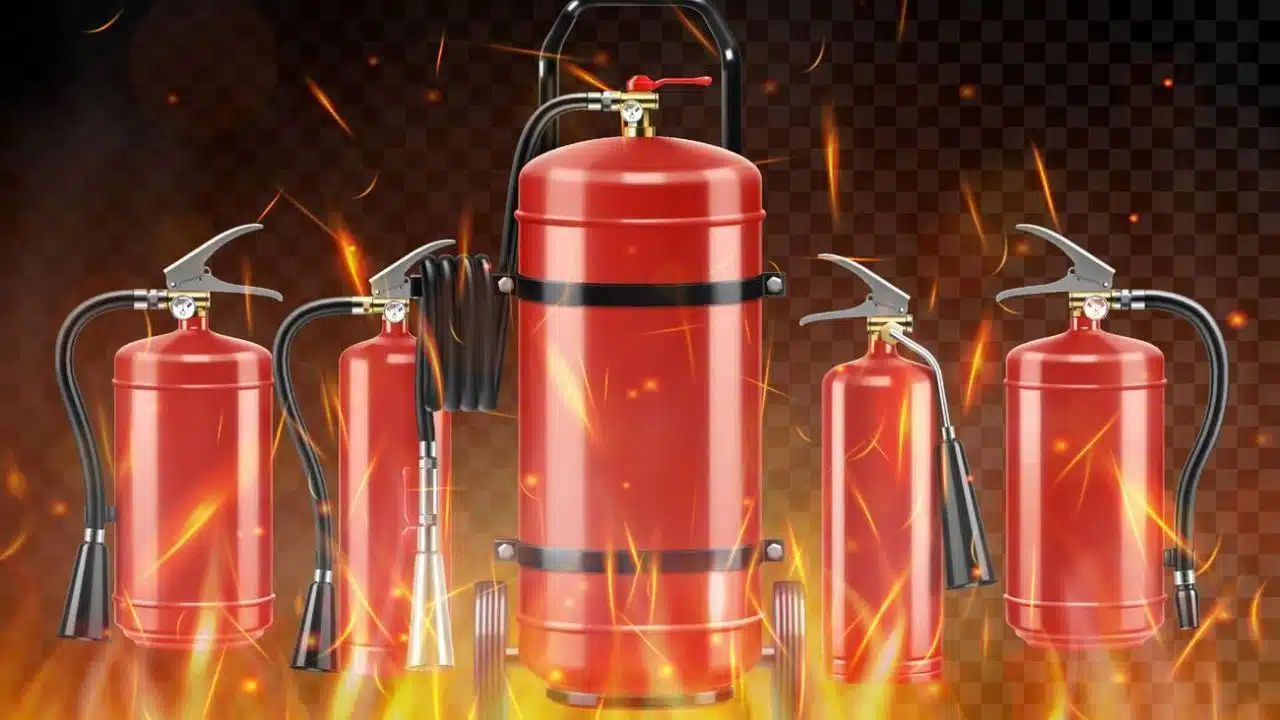
Carbon Dioxide fire extinguishers are ideal for Class B and C fires (flammable liquid and electrical), displace oxygen to smother flames.
CO2 does not damage electronic equipment, making it ideal for server rooms or any area containing electrical machinery. Furthermore, its cooling properties help keep fires at bay by cooling their surface area and reducing chances of re-ignition.
Environmentally Friendly
Carbon Dioxide fire extinguishers are safer to use than other extinguisher types due to not releasing corrosive chemicals or leaving behind residue, making them more suitable for use than others. CO2 also won’t damage electronics like computers and switchboards like water or foam would, making it ideal for computer data centers or “server farms” where equipment must remain operational during an incident.
Carbon dioxide creates an invisible cloud which smothers class B flammable liquid fires by cutting off oxygen supply to them and blocking any further combustion. It may also be effective against class C fires involving electrical equipment, to some degree.
Total flooding carbon dioxide systems are designed to maintain concentrations below lethal levels, making them suitable for use in occupied spaces. Precautions such as pre-discharge alarms and time delays are recommended by NFPA 12 standards in order to protect users during fire events.
Non-corrosive
Carbon Dioxide extinguishers are ideal for fires involving delicate electrical equipment (Class B liquid and Class C electricity), working by replacing oxygen with an inert CO2 gas that does not support combustion. Carbon Dioxide fire extinguishers must be used with great caution in confined spaces as their rapid replacement of oxygen may asphyxiate people quickly.
These extinguishers do not leave behind any residue and can be especially useful in environments that contain expensive or irreplaceable equipment like computer centers, data/document storage rooms and control panels.
Carbon Dioxide wheeled extinguishers use a white cloud of dry CO2 that smothers fires by eliminating oxygen supply, making them an efficient, clean, non-contaminating and odorless way of fighting class B fires. When dispensing CO2, be aware that its contact with skin may result in frostbite; direct sunlight or radiant heat after extinguishing may rekindle it again and lead to another outbreak.
Non-conductive
Carbon Dioxide fire extinguishers are filled with liquid carbon dioxide held under immense pressure in cylinders. When activated, its gas will release into a white cloud that effectively extinguishes fires without leaving residue or contamination on any chemicals or products it comes into contact with. Carbon Dioxide extinguishers have become popular choices among businesses dealing with hazardous materials, as they won’t leave behind residue that would ruin the product they were protecting against fire.
These non-conductive fire extinguishers are an ideal choice for Class B flammable liquid fires and Class C electrical (energized equipment) fires, as they won’t conduct electricity to extinguish. Furthermore, these devices meet many hospital medical equipment specifications because they’re safe to use on electronics without risking contamination to sensitive materials such as metals and plastics.
Carbon dioxide fire extinguishers are ideal for offices, warehouses and power supply rooms as they effectively protect critical assets like computer data centers and servers from fire damage. While other forms of fire suppression systems that reduce oxygen levels below 19.5% may not be allowed in occupied spaces due to adverse side effects upon discharge, carbon dioxide fire extinguishers do not present such risks and do not linger after being released in any area of use.
Fast Acting
Carbon dioxide fire extinguishers are the perfect choice for protecting sensitive equipment such as electrical panels and labs, due to their speedy and effective ability of covering an area with a thick blanket of CO2, thus decreasing oxygen levels and preventing combustion.
These systems dispense an environmentally-friendly, non-contaminating agent which can be safely applied to both Class B (flammable liquids) and Class C (energized electrical equipment). Furthermore, they are safe to be used on combustible solids and cooking fats as well.
Carbon dioxide fire suppression does not leave any residue behind after being released, eliminating the need for clean up following discharge. Due to its extremely cold temperature however, workers should avoid direct skin contact as prolonged exposure could cause frostbite. CO2 systems have proven invaluable solutions in numerous industrial and commercial facilities including power generation facilities, metal production/processing plants, printing electronics factories and disease research/disease laboratories as well as hospital medical equipment requirements and various other applications.