California, with its sprawling cities and vast highway networks, sees a significant volume of traffic, making car accidents a common occurrence. The aftermath of such incidents often spirals into a complex web of insurance claims and legal battles as victims seek compensation for their damages. However, recent trends suggest a discernible tightening of the reins by insurance companies when it comes to compensating car accident victims. This article delves into the evolving dynamics between insurance companies, car accident victims, and the quest for fair compensation.
A Closer Scrutiny: In the wake of escalating car accident claims, insurance companies in California seem to have fortified their scrutiny process, making it more stringent for victims to secure the compensation they deserve. An array of factors including the accuracy of claim details, the extent of injuries, and the veracity of medical bills are being closely examined, often with a skeptical lens. This increased vigilance is perceived by many as a strategy to minimize payout amounts, ultimately affecting the victims who are already grappling with the aftermath of traumatic incidents.
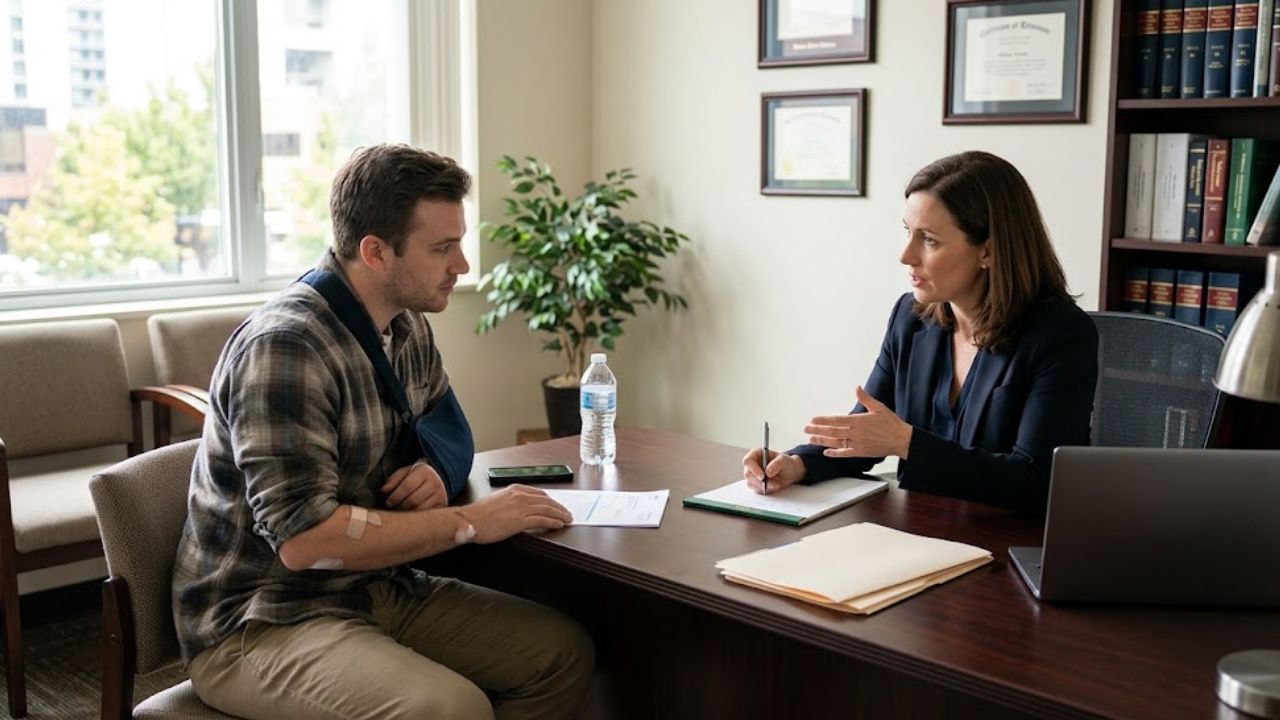
Challenges in Securing Fair Compensation: The tightened scrutiny by insurance companies often translates into prolonged claims processing times, lower settlement offers, or even outright denial of claims. This heightened barrier to obtaining compensation forces many victims to seek legal representation. Experienced attorneys play a crucial role in navigating the tightened scrutiny, ensuring that the claims are meticulously documented, substantiated with compelling evidence, and presented in a manner that maximizes the likelihood of fair compensation.
Insurance Companies and Litigation: In many instances, when negotiations between the claimants (or their attorneys) and the insurance companies reach a stalemate, the path of litigation becomes inevitable. Insurance companies, fortified with legal teams and substantial resources, may use litigation as a tactic to deter claimants or to extend the settlement process, hoping that the prolonged timeline and the associated stress would compel claimants to settle for less. This underscores a seemingly adversarial relationship that could potentially deter car accident victims from pursuing their rightful claims.
The Ripple Effect on Personal Injury Law: The shift in insurance companies’ approach towards car accident claims has a ripple effect on the personal injury law landscape. Law firms specializing in personal injury claims are witnessing an uptick in car accident cases, necessitating a more aggressive approach to negotiations and litigation. It’s an evolving battlefield where legal experts must continually adapt their strategies to counter the tightening stance of insurance companies while ensuring that the rights of car accident victims are robustly protected.
Legislative Measures: California’s legislative framework plays a pivotal role in governing how insurance companies operate within the state. While existing laws stipulate fair practices, the evolution of insurance companies’ strategies calls for a revisit of these laws to ensure they adequately protect car accident victims. Legislative measures that promote transparency, expedited claims processing, and fair evaluation could act as catalysts in ensuring that the scales of justice are balanced.
Community and Advocacy Groups: In response to the shifting dynamics concerning car accident compensation claims, a host of community and advocacy groups are rising to the occasion, rallying tirelessly to foster a heightened awareness among car accident victims about their rights and the imperative nature of legal representation when dealing with insurance claims. These groups, rooted deeply in a humanitarian cause, are striving indefatigably to ensure that the distressing plight of car accident victims finds a resonant voice in the broader discourse
surrounding insurance reforms, which often seems to be skewed in favor of insurance giants.
Among these commendable entities, organizations such as the Consumer Attorneys of California (CAOC) and United Policyholders (UP) are making significant strides. The Consumer Attorneys of California, for instance, is an organization that ceaselessly advocates for the rights of individuals against entities that threaten those rights, including insurance companies adopting overly stringent claim scrutiny measures. By providing resources, support, and a powerful collective voice, CAOC works toward creating an environment where the scales of justice tip favorably towards car accident victims, ensuring they don’t get trampled under bureaucratic red tape and corporate machinations.
On a similar note, United Policyholders, a non-profit organization, strides on a parallel path, working assiduously to be a reliable informational resource and a strong advocate for consumers navigating the complex insurance claim process post-accidents. By offering educational services, legal resources, and advocating for fair treatment of policyholders, UP underscores its commitment to leveling the playing field, so that car accident victims can stand a fair chance in their pursuit of rightful compensation, no matter the might and muscle of opposing insurance firms.
The commendable work of these groups, along with others sharing the same ethos, is casting a ray of hope amid the murky clouds of insurance claim complications. Their relentless advocacy, educational outreach, and direct support to car accident victims are gradually but surely carving a pathway through the bureaucratic thicket, ushering in a beacon of hope for more transparent, fair, and expedited processes in managing car accident claims. The clarion call of these groups resonates with a message of empowerment for car accident victims, rekindling the quintessence of justice and fairness in the realm of insurance compensations. Through collective efforts and a synergetic collaboration among different stakeholders, there’s an unfolding narrative that hints at a more balanced and just treatment of car accident victims in California’s insurance landscape.
The trajectory of insurance companies becoming more stringent in compensating car accident victims is a concerning trend that merits attention from all stakeholders involved. It unveils a landscape where the quest for fair compensation becomes a more arduous journey for the victims. While legal representation emerges as a potent ally for car accident victims, the broader solution may lie in a collaborative approach among legislators, the legal fraternity, insurance industry, and advocacy groups to ensure that the principles of justice, fairness, and empathy remain at the core of the insurance claims process. Through comprehensive reforms and sustained advocacy, there’s hope that the scales can be tipped back in favor of a fair and just compensation framework for car accident victims in California.